

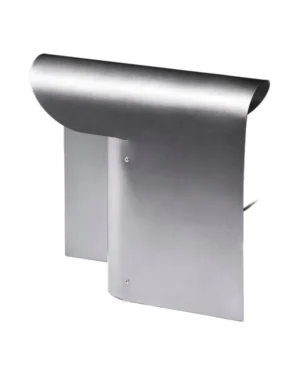
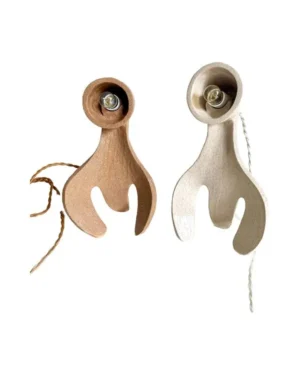
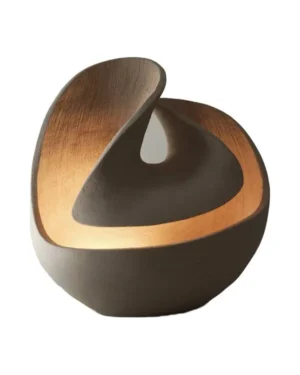
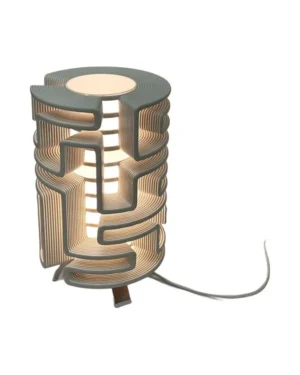
-
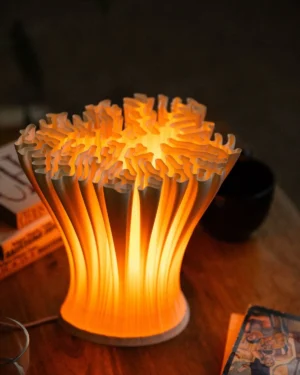 In stock
S 5 Table Lamp In Ivory White Bio Polymer
By diploria studio
€295 -
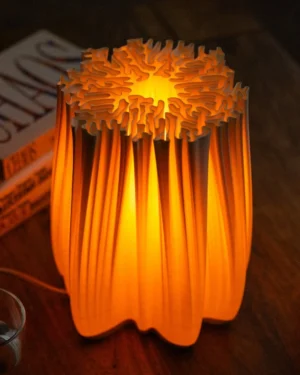 In stock
S X 1 Table Lamp In Ivory White Bio Polymer
By diploria studio
€275 -
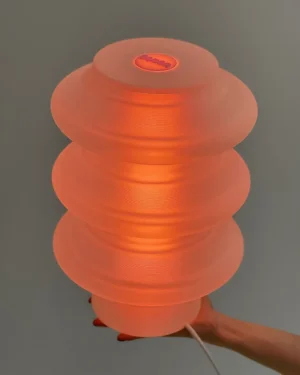 In stock
Blampa30 Table Lamp in Bio Plastic
By BLUBA Studio
€203 -
 In stock
S 1 Table Lamp In Bio Polymer
By diploria studio
€245 -
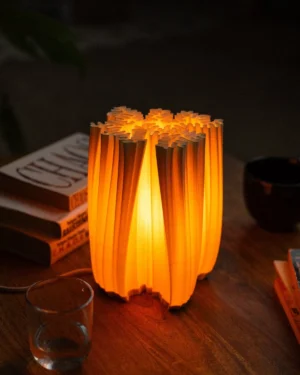 In stock
S 2 Table Lamp In Bio Polymer
By diploria studio
€245 -
 In stock
Axile Table Lamp in Bio Plastic
By Errance.
€335 -
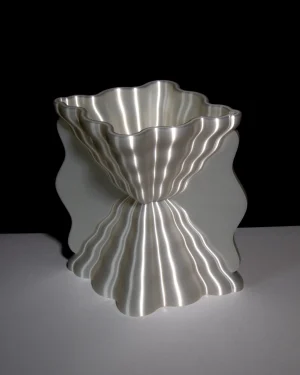 In stock
Galéa Table Lamp in Bio Plastic
By Errance.
€250 -
 In stock
Lumière Feuillue Alba Table Lamp In Bio-plastic
By Vlad Oganov Objects
€499 -
 In stock
Empilé Grande Table Lamp In Black
By Vlad Oganov Objects
€499 -

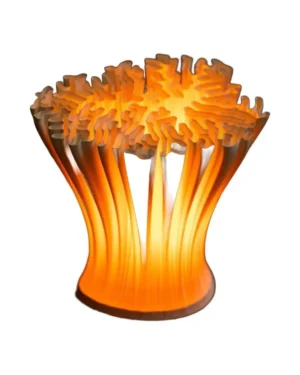
Coralight Table Lamp in Bio Plastic
By Cornu Design
€129 -
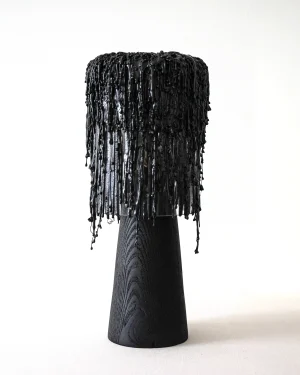
Leaky Lamp III Table Lamp in Ash Wood and Biomaterial
By Pablo Ejarque-González
€1.085 -

Coralight Table Lamp in High Density Bio Polymer
By Cornu Design
€129 -
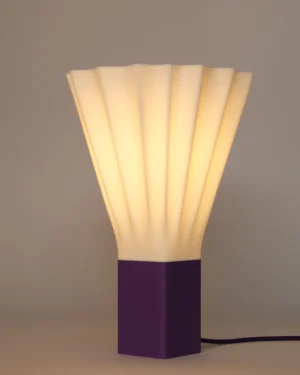 In stock
Plissé Mini – Table Lamp In Iris Purple
By Vlad Oganov Objects
€299 -
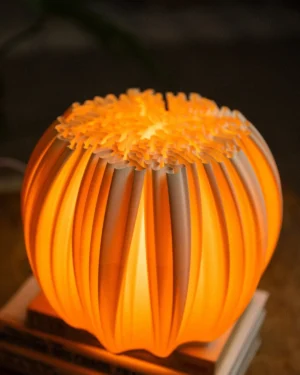 In stock
S X 3 Table Lamp In Biopolymer
By diploria studio
€295 -
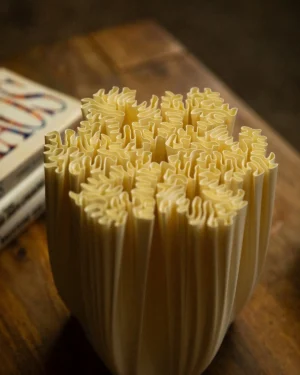 In stock
S X 2 Table Lamp In Biopolymer
By diploria studio
€295 -
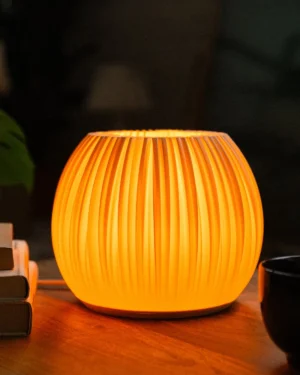 In stock
B 1 Table Lamp In Biopolymer
By diploria studio
€295 -

Mori Table Lamp In Bio Plastic
By Julie Mallet Studio
€146 -
 In stock
Plissé – Table Lamp In Burgundy Red
By Vlad Oganov Objects
€399 -
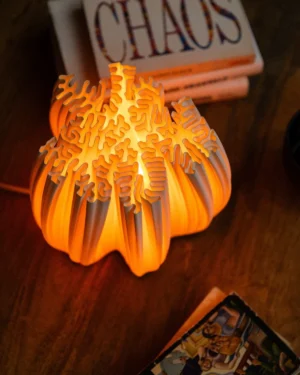 In stock
S 3 Table Lamp In Biopolymer
By diploria studio
€275 -
 In stock
Lumière Feuillue Silva Table Lamp In Petg
By Vlad Oganov Objects
€499 -
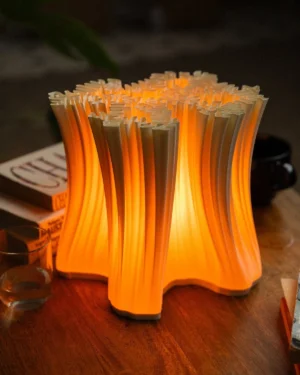 In stock
S 6 Table Lamp In Bio Polymer
By diploria studio
€295 -
 In stock
Octopus Table Lamp in Bio Plastic
By Cornu Design
€100 -

Leaky Lamp II Table Lamp in Oak and Glass
By Pablo Ejarque-González
€895 -
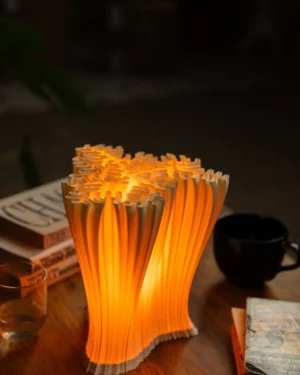 In stock
S 4 Table Lamp In Bio Polymer
By diploria studio
€275 -
 In stock
Empilé Grande Table Lamp In Burgundy Red
By Vlad Oganov Objects
€499 -
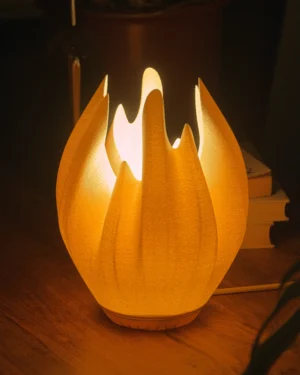 In stock
Medusa Table Lamp In Bio Polymer
By diploria studio
€295 - €545 -
 In stock
Plissé Mini – Table Lamp In Royal Blue
By Vlad Oganov Objects
€299 -
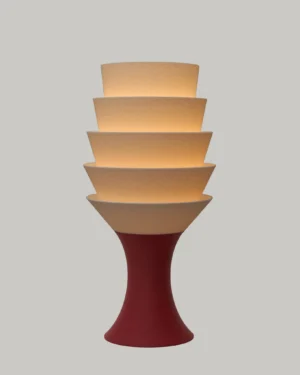 In stock
Empilé Petit – Table Lamp In Burgundy Red
By Vlad Oganov Objects
€299 -
 In stock
Empilé Petit – Table Lamp In Black
By Vlad Oganov Objects
€299 -
 In stock
Lumière Feuillue Noctis Table Lamp In Petg
By Vlad Oganov Objects
€499 -
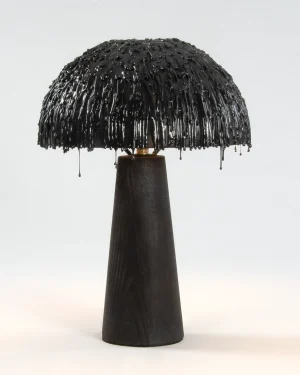
Leaky Lamp I Table Lamp in Ash Wood and Bioplastic
By Pablo Ejarque-González
€1.050 -
 In stock
Plissé Mini Table Lamp In Bio Plastic
By Vlad Oganov Objects
€299 -
 In stock
Empilé Petit – Table Lamp In Iris Purple
By Vlad Oganov Objects
€299 -
 In stock
Plissé – Table Lamp In Royal Blue
By Vlad Oganov Objects
€399 -
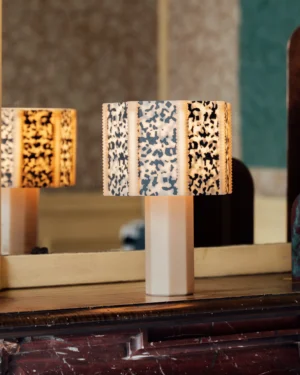
Brigitte Table Lamp In Bio Plastic
By Julie Mallet Studio
€329 - €375 -
 In stock
Empilé Petit – Table Lamp In Royal Blue
By Vlad Oganov Objects
€299 -
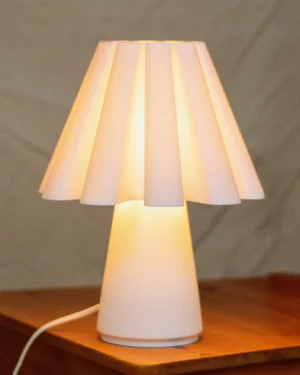
Ruff Table Lamp In Recycled Pla
By Mina Wright
€238
Bioplastic table lamps are built from plant-based polymers rather than quarried stone or cast metal, so the making process starts on a screen and ends in a printer. Independent studios and designers model each form digitally, then grow it layer by layer in PLA or recycled polypropylene, materials drawn from corn starch, sugarcane or reclaimed plastic waste. The result sits closer to a grown object than a carved or cast one, with a surface that carries the faint ridges of its printing path.
What bioplastic brings to a table lamp
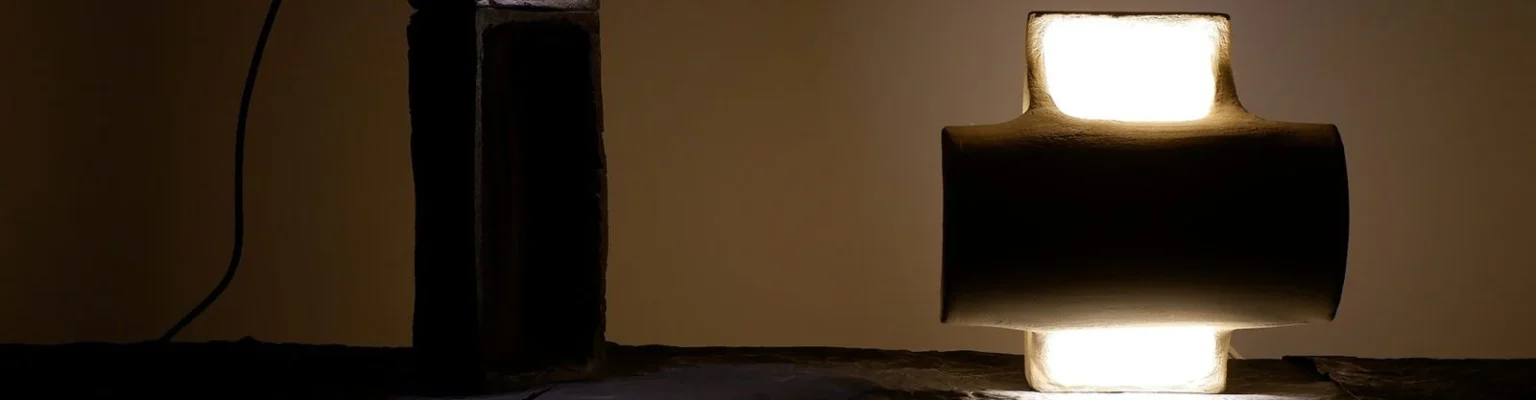
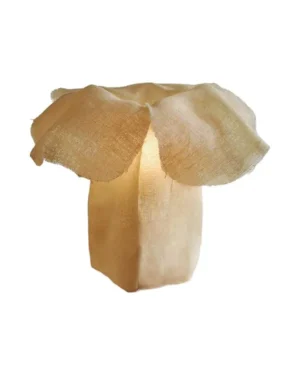
PLA and recycled polypropylene are light in the hand and rigid once set, which lets a designer draw shapes that would be difficult or wasteful in ceramic or metal: honeycomb walls, lattices, forms that taper to almost nothing. Because the material starts as a filament or pellet, color runs straight through rather than sitting on top as a glaze or paint, so a chip rarely shows as a different shade underneath. Surfaces range from a soft, slightly matte ivory or off-white to flat black and white contrasts, transparent shades that let the bulb read through the shell, and sharper notes in burgundy, blue and beige.
How these pieces are made
Three dimensional printing and wider digital fabrication methods are the standard route, building each lamp from a digital file rather than a mold, which is what allows one-off forms alongside open-ended runs. Some studios work with biofabrication, growing or processing bio-based feedstocks before printing, and generative design, letting an algorithm propose a structure that a hand-drawn sketch would not reach. On ADORNO this shows up as open editions produced on demand, smaller limited editions, and genuine one-off pieces, so the edition size is worth checking against how closely a lamp needs to match another already in the room.
Styles found among bioplastic lamps
The printing process tends toward contemporary and sustainable-design language first, with form following the logic of the machine rather than a historical reference. Within that range sit modern and minimalist shades built from single repeated geometries, biophilic forms that borrow their curves and branching patterns from plants or coral, and a futuristic, almost space age register where the shell looks closer to tooling than to traditional lighting. All of them read as considered rather than decorative, since the structure doing the work is also what you see.
Choosing and placing a bioplastic table lamp
Scale first: a lattice or openwork shade throws a different pattern of light than a solid printed shell, so hold the proportion of the lamp against the surface it will stand on before anything else. A transparent or pale shade suits a spot where the lamp is seen lit for most of the day, such as a console in a hallway or a living room side table, while a denser black and white or burgundy form can hold its own switched off, which matters on a bedside table seen more often unlit than on. Check base diameter against the surface depth so the lamp sits flat rather than overhanging an edge.
Care
Bioplastic shells are easy to live with: a dry or barely damp cloth keeps the surface clean, and direct, sustained heat or strong sun is worth avoiding since PLA in particular can soften or warp well before most other lighting materials would show any change. Keep the lamp away from stovetops, radiators and south-facing windowsills where heat builds up through the day, and it will hold its form for years.
For the wider range of printed and digitally fabricated lighting, see every bioplastic piece on ADORNO, or step back to browse all table lamps across ceramic, glass, metal, wood and stone. Those drawn to the cleaner end of this material's range might also look at contemporary table lamps more broadly, where printed bioplastic sits alongside other current approaches to form.
How do I choose a bioplastic table lamp?
Start with the form the printing process allows: lattices, honeycomb walls or tapering shapes that ceramic or metal cannot easily hold. Then match the shade's opacity, solid, translucent or transparent, to how much glow you want in the room.
Is bioplastic a durable material for a lamp?
PLA and recycled polypropylene are rigid once printed and hold their shape well indoors. Keep them from prolonged direct sun or high heat near bulbs, since bioplastics can soften or warp under sustained heat.
How do I clean a bioplastic lamp?
Wipe with a dry or slightly damp cloth; avoid solvents or abrasive cleaners, which can dull the printed surface. Because color runs through the material rather than sitting on top, small scuffs rarely show as a different shade.
What size table lamp should I get?
A standard table lamp sits between 18 and 30 inches tall, scaled to the surface beneath it: taller for a console or sideboard, shorter for a side table. For an exact height, open the piece's page and chat with the maker.
Which rooms suit a bioplastic table lamp?
Their light weight and often sculptural, open forms suit a side table, console or desk where the shape itself is part of the view. Transparent or lattice shades work well wherever the lamp is seen from several angles.
What happens when I buy a bioplastic lamp from ADORNO?
Shipping is insured and sent worldwide, and every piece arrives with a certificate of authenticity. Returns are accepted within 14 days, except for made-to-order pieces, and ADORNO offers a lowest-price guarantee.