


-
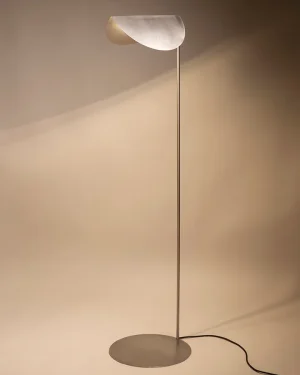
Two Circles No. 1 Floor Lamp in Stainless Steel
By Georgiev Kiril
€995 -
 In stock
Mushroom Floor Lamp in Stainless Steel
By Nitush and Aroosh
€2.500 -
 In stock
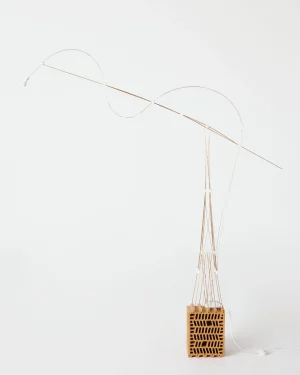
B.A.R.E Series ‘Tall’ Floor Lamp in Brick and Copper
By Lucas Muñoz Muñoz
€780 -
 In stock
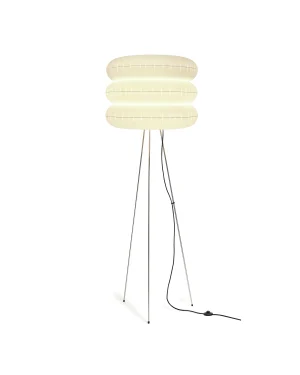
Big Puff Tripod Floor Lamp in Polyurethane and Steel
By PUFF-BUFF
€800 -

Lasso Floor Lamp in Stainless Steel and Glass
By Nitush and Aroosh
€2.850 -
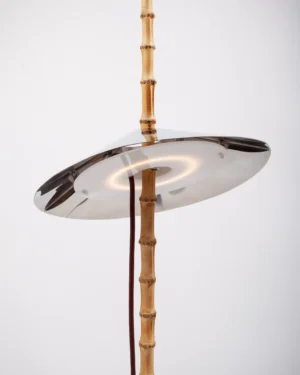
7plates Floor Lamp In Stainless Steel, Bamboo And Aluminum
By Calen Knauf Studio
€1.918 -
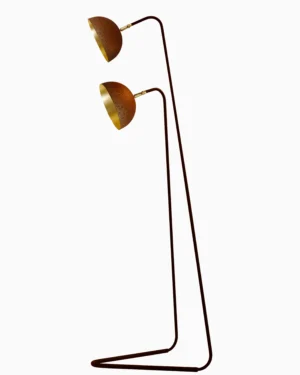
The Queen Double Floor Lamp in Gold-leaf and Rust Steel
By Mammalampa
€1.151 -
 In stock
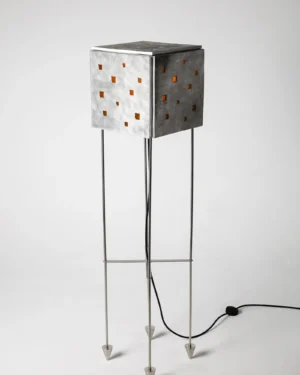
Hero Lamp Floor Lamp In Stainless Steel
By Panorammma Atelier
€4.850 -
 In stock
Prisma Massiva Floor Lamp in Cast Aluminum, Resin And Steel
By DONÓ Design
€3.780 -
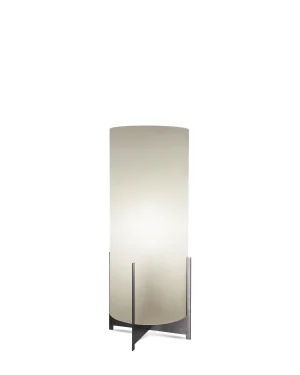 In stock
Lumix Floor Lamp in Stainless Steel and Polycarbonate
By Pablo Sinan Design
€510 -

Pill1200 Floor Lamp In Stainless Steel
By MLK Furniture
€1.690 -
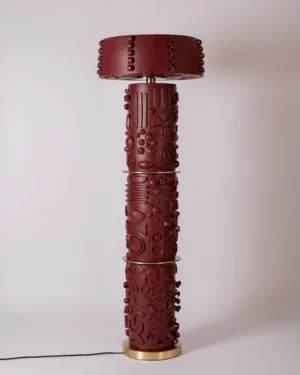
Sculpt Floor Lamp In Hand-built Stoneware
By Harshita Jhamtani Designs
€7.880 -

Willow Floor Lamp in Steel and Cotton
By BOTHI
€455 -

Bright Side Table Floor Lamp in Glass and Stainless Steel
By Ziroru Studio
€1.485 -
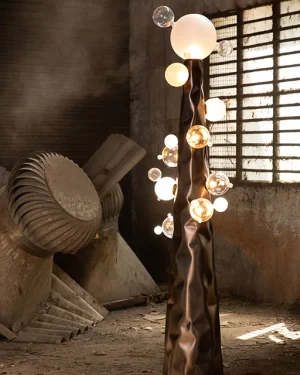 In stock
Molecule Floor Lamp in Stainless Steel and Blown Glass
By Nitush and Aroosh
€4.850 -
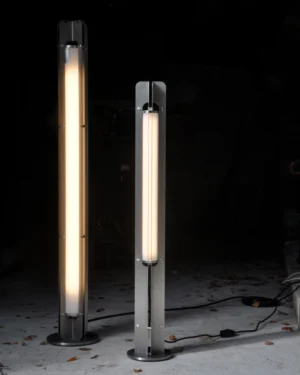
Pill600-70 Floor Lamp In Stainless Steel
By MLK Furniture
€1.490€1.267 -
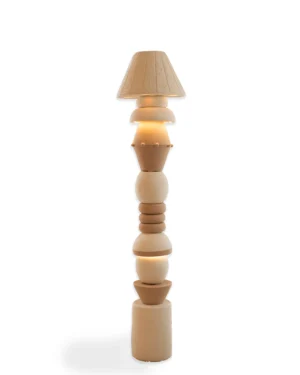
Totem Floor Lamp In Stoneware And Clay Paste
By Harshita Jhamtani Designs
€2.570 -

Lomo Floor Lamp In Wool And Ash Wood
By Natural Urbano - Sebastián Beltrán
€565 -
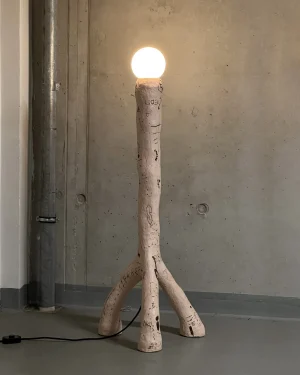 In stock
Tattooed Shining Creature Floor Lamp In Paper And Steel
By David Čáp
€1.400 -

Sky-set Floor Light
By Dace Sūna
€5.800 -
 In stock
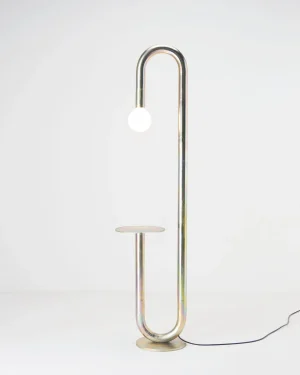
Zinc Floor Lamp Curva
By Cultivado em Casa
€1.700 -
 In stock
Gotham Floor Lamp In Resin And Stainless Steel
By Jürgen Baumann
€3.200 -
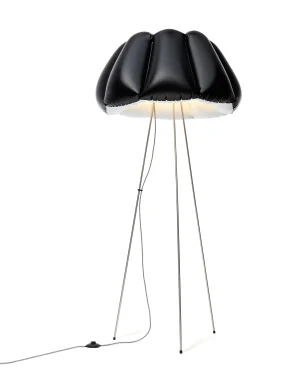 In stock
Orca Floor Lamp in PVC and Stainless Steel
By PUFF-BUFF
€650 -
 In stock
Sigil Tower Floor Lamp in Stainless Steel and Alabaster
By Nitush and Aroosh
€4.150 -
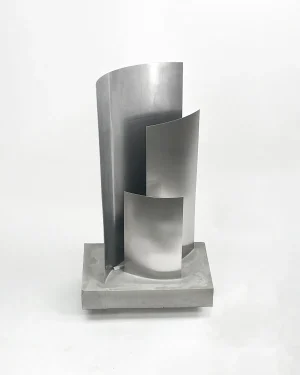 In stock
Essenz Floor Lamp in Concrete and Stainless Steel
By case studios
€1.610 -

Glow Side Table Floor Lamp in Glass and Stainless Steel
By Ziroru Studio
€1.275 -
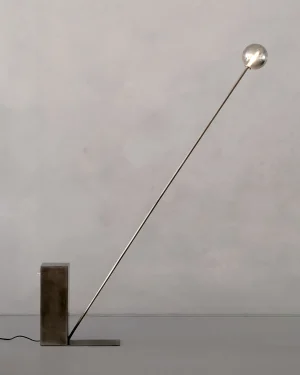 In stock
Oblique Glow Floor Lamp in Steel and Acrylic Resin
By HEAKO
€5.500 -
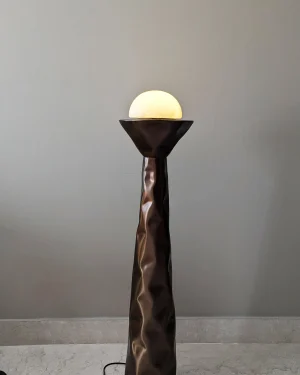 In stock
Oio Pedestal Floor Lamp in Stainless Steel and Alabaster
By Nitush and Aroosh
€2.500 -

Poser Floor Lamp in Stainless Steel
By Emil Robbrecht
€992 -
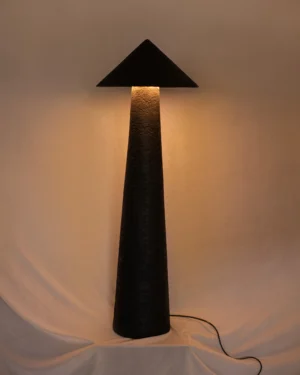
Kasa (m) Lamp In Clay Paste And Mild Steel
By Harshita Jhamtani Designs
€1.460 -
 In stock
Pregnant Lady Floor Lamp in Fiberglass
By StorqueStudios
€4.869 -

Bella Pupa Floor Lamp in PVC and Stainless Steel
By PUFF-BUFF
€2.130 -

X Floor Lamp in Stainless Steel
By ZEMNA
€4.200 -
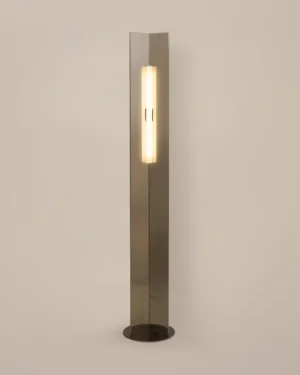
Arrow 158 European Floor Lamp in Polished Steel
By Violaine d'Harcourt Lighting Design
€2.602 - €2.764 -
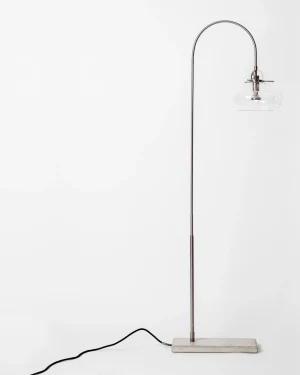
Art Deco Floor Lamp in Glass, Stainless Steel and Concrete
By Szostak Atelier
€2.100€1.995 -
 In stock
Sputnik V Floor Lamp in Steel
By StorqueStudios
€689 -
 In stock
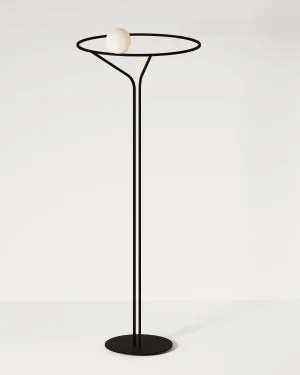
Na Linii Floor Lamp in Steel and Glass
By SVITANOK
€1.100 -

Medaillon Floor Lamp in Stainless Steel
By Boo Design Studio
€3.250 - €3.850 -
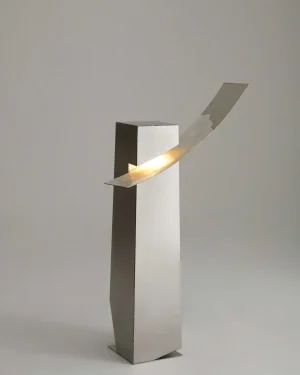
Shining No.2302 Floor Lamp in Stainless Steel
By Park Eunchong Studio
€3.200 -

Glow Coffee Table Floor Lamp in Glass and Stainless Steel
By Ziroru Studio
€2.320 -
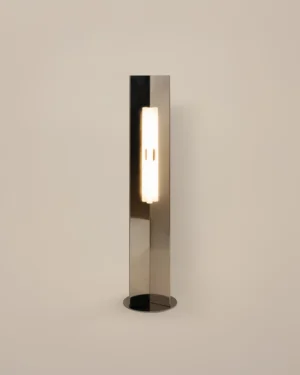
Arrow 120 European Floor Lamp in Polished Steel
By Violaine d'Harcourt Lighting Design
€2.114 - €2.276 -
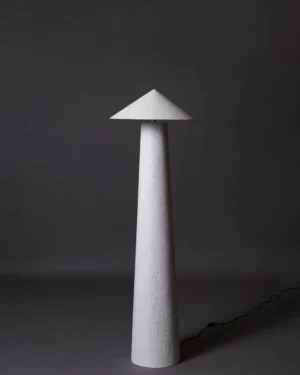
Kasa Floor Lamp In Clay Paste And Mild Steel
By Harshita Jhamtani Designs
€2.130 -
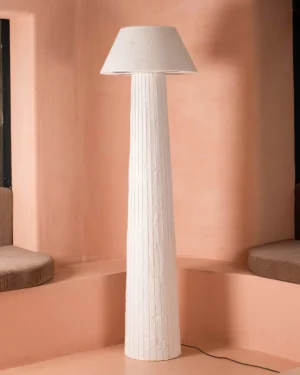
Rio Floor Lamp In Clay Paste And Mild Steel
By Harshita Jhamtani Designs
€2.270 -
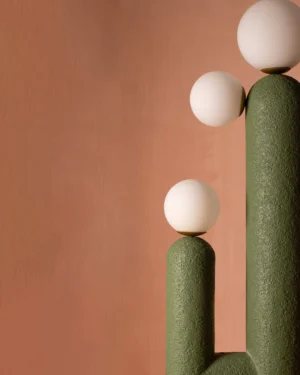
Cactus Floor Lamp In Clay Paste, Mild Steel And Glass
By Harshita Jhamtani Designs
€2.570 -
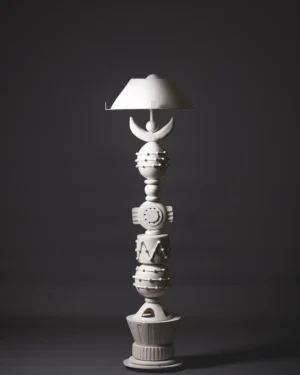
Asteroid Floor Lamp In Stoneware And Mild Steel
By Harshita Jhamtani Designs
€2.570 -
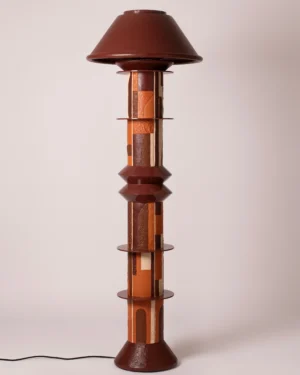
The Rouge Floor Lamp In Clay Paste And Metal
By Harshita Jhamtani Designs
€4.430 -
 In stock
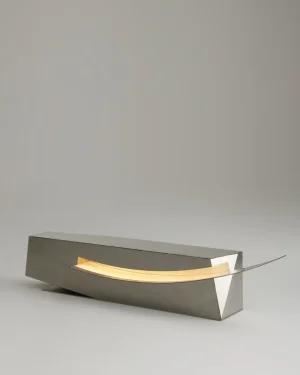
Shining No.2301 Floor Lamp in Stainless Steel
By Park Eunchong Studio
€3.200 -
 In stock
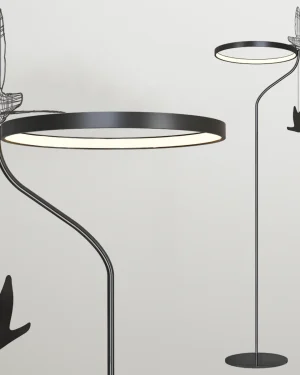
Flight Shadows Floor Lamp In Steel
By SVITANOK
€1.100 - €1.200 -
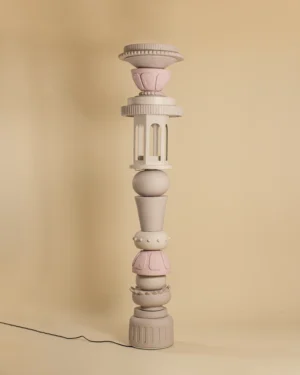
Pillar Of Ties Totem Floor Lamp In Stoneware, Clay Paste And Wood
By Harshita Jhamtani Designs
€3.780 -
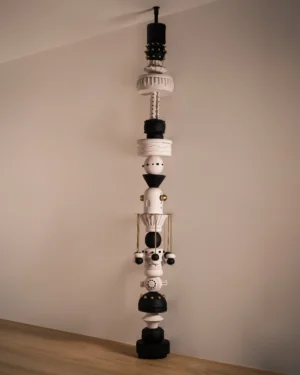
Asteroid Floor-to-ceiling Totem In Stoneware And Brass
By Harshita Jhamtani Designs
€6.900 -
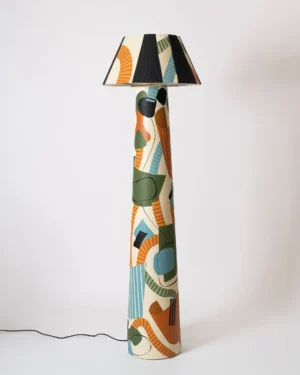
Hand Painted Rio Floor Lamp In Clay Paste And Mild Steel
By Harshita Jhamtani Designs
€3.940 -
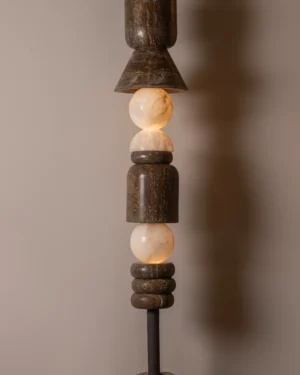
Titan Travertine Totem Floor Lamp In Travertine And Alabaster
By Harshita Jhamtani Designs
€3.070 -

Citiez 0.1
By Niels Stoeltie
€2.521 - €2.893 -
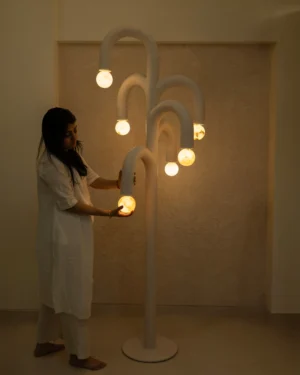
Big Cactus Floor Lamp In Clay Paste, Mild Steel And Alabaster
By Harshita Jhamtani Designs
€3.310
Steel floor lamps take their shape from the metal itself: a material that holds a straight line, accepts a weld without losing its edge, and carries weight on a base no wider than it needs to be. Studios working in mild steel and stainless steel favor tube, flat bar and sheet, joined by welding or finished by hand so the silhouette stays as deliberate as a chair or a table. The result is a light that reads as structure first and glow second.
Mild steel, stainless steel and the finishes between
Mild steel is the workhorse of this group: easy to weld, easy to bend, and usually sealed with powder coat, paint or a blackened patina so the surface resists marking. Left raw, it will develop a soft rust bloom over years, which some studios build into the design rather than against it. Stainless steel costs more to work but needs no coating at all; it holds a brushed or polished face and shrugs off moisture, which makes it the steadier choice for a room that sees daylight, steam or bare feet.
Finish decides how a steel floor lamp sits in a room as much as form does. A matte black or bronze-toned coat recedes against furniture and reads closer to wood or stone from across a room, while a brushed or polished surface catches light and behaves like a small, moving mirror. Anyone building a wider scheme in the material can look across every steel piece on ADORNO to see how the same alloy shifts between a warm, bronze cast and a cool, reflective one.
Forms and ways of making found among steel floor lamps
For a broader look at the metal across other kinds of lamp, the full range of metal floor lamps covers the same alloys alongside brass and aluminum.
Choosing a steel floor lamp for scale and placement
Height and footprint matter more for steel floor lamps than for heavier materials, because a slim frame can still read as substantial once it is lit. Measure the base against the chair or sofa it will stand beside: a reading lamp should let its shade sit level with or just above a seated head, while an arc lamp needs enough base weight and swing radius to clear a table without tipping.
- Narrow columns suit corners and tight floor space.
- Tripod or splayed bases need a clear circle of floor to stand safely.
- Arc forms want enough ceiling height and side clearance to extend over furniture.
Finish should answer to the room's other metals: a brushed steel lamp sits easily beside stainless hardware or glass, while a blackened or painted one holds its own near wood and stone.
Where steel floor lamps work
Steel floor lamps suit any room where a light needs to move with the furniture rather than stay fixed to a ceiling box: a reading corner, a study desk, a gap beside a sofa. In a living room, a taller column or arc can stand in for a side table's light source without adding another surface; the full set of living room floor lamps shows how scale shifts across styles. In bedrooms and studies, a shorter, narrower frame keeps the floor clear while still lighting a page or a chair.
Caring for a steel finish
Stainless steel asks for little beyond a wipe with a soft cloth and, where fingerprints show, a touch of mild soap and water, always followed by drying to avoid water spotting. Mild steel with a painted or powder-coated surface should be kept away from damp floors and cleaned with a dry or barely damp cloth, since trapped moisture under a coating is what starts corrosion. Raw or waxed steel will darken and spot with handling over time; this is the metal aging rather than failing, and a light coat of wax restores the surface without erasing the change. For anyone assembling a full room around the material, browsing minimalist floor lamps alongside the wider floor lamp range is a straightforward way to compare how different steel finishes sit together.
How do I choose the right steel floor lamp?
Start with finish: matte black or bronze-toned coats recede into a room, while brushed or polished stainless steel catches light and acts like a moving mirror. Let the base width and silhouette answer to the furniture nearby.
How do you care for a steel floor lamp?
Wipe mild steel's powder coat or patina with a dry cloth and keep it away from damp, since raw steel will develop rust over years. Stainless steel needs no coating and tolerates moisture, so it suits a steadier wipe-down.
Will raw steel rust over time?
Yes, left unsealed it develops a soft rust bloom over years, which some studios design into the piece rather than resist. Sealed finishes like powder coat, paint or a blackened patina prevent this.
What height and base size should a steel floor lamp have?
A floor lamp is seen in full from across a room, so proportion matters as much as light output. For a specific height or base footprint, chat with the maker on the piece's page.
Which rooms suit a steel floor lamp?
Matte black or bronze finishes sit well in living rooms and studies, reading closer to wood or stone from a distance. Stainless steel's resistance to moisture makes it a steadier choice near daylight, steam or bare feet.
What are ADORNO's shipping, returns and authenticity policies?
Shipping is insured and worldwide. Returns are accepted within 14 days, excluding made-to-order pieces, and every piece arrives with a certificate of authenticity backed by a lowest-price guarantee.