
-
 In stock
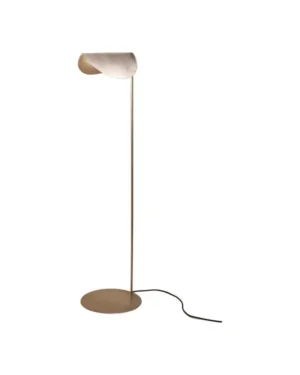
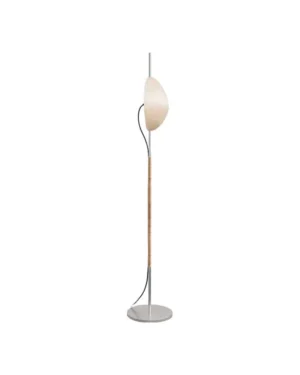
Mushroom Floor Lamp in Stainless Steel
By Nitush and Aroosh
€2.500 -

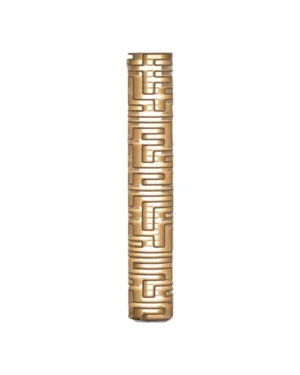
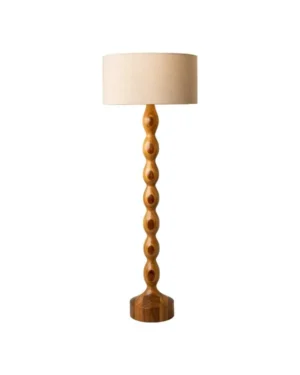
Peaceful Intuition 2.0 Floor Lamp in MDF
By Studio Fabius Clovis
€1.819 -
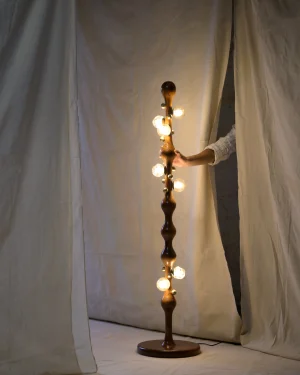
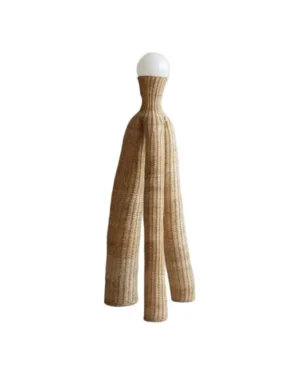
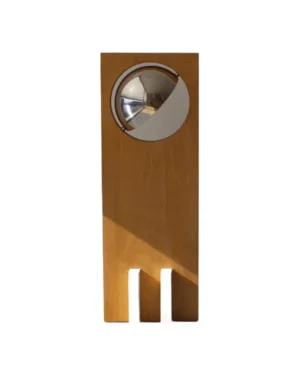
Stem – Teak Wood / Brass Floor Lamp
By Studio Indigene
€2.100 -
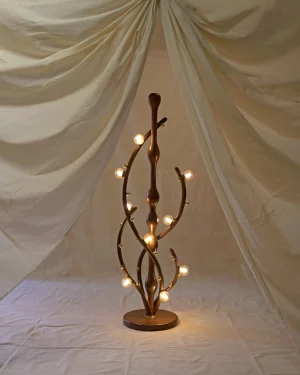
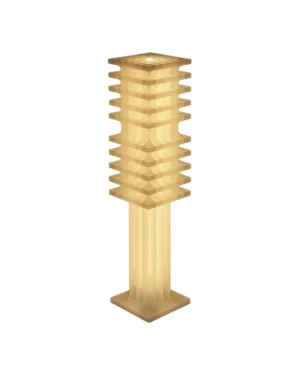
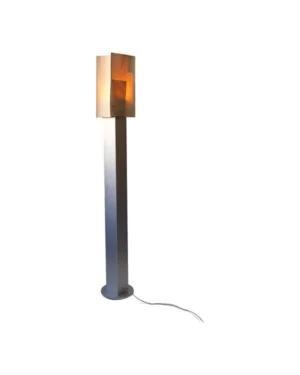
Tendril – Teak Wood / Brass Floor Lamp
By Studio Indigene
€5.400 -

Cactus Floor Lamp
By Studio Indigene
€2.850 -
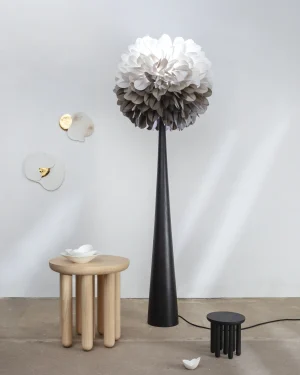
Blossom Floor Lamp in Washi Paper
By HEIKE BUCHFELDER
€5.618 -

Medaillon Floor Lamp in Stainless Steel
By Boo Design Studio
€3.250 - €3.850 -
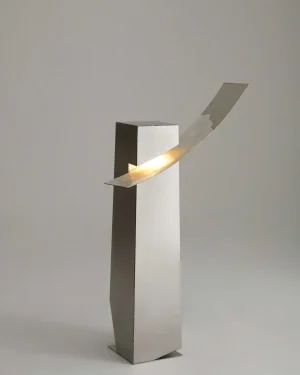
Shining No.2302 Floor Lamp in Stainless Steel
By Park Eunchong Studio
€3.200 -
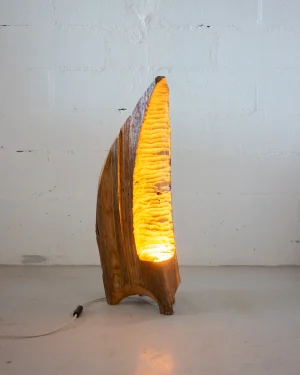 In stock
A Plant From My Garden Floor Lamp in Antique Oak
By Atelier Musset
€2.200 -
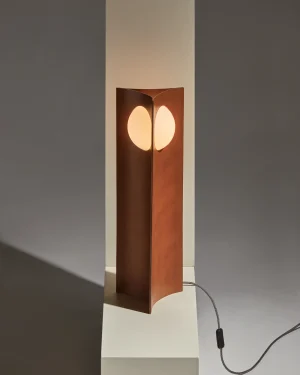
Hecate Floor Lamp In Brown Leather
By Studio Aristotelis Barakos
€610 -
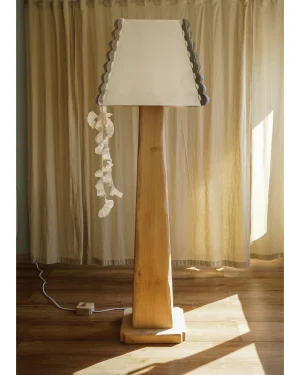
Falbanka Floor Lamp in Aluminum and Oak Wood
By Basia Pruszyńska
Price Upon Request
Romanticism floor lamps bring a soft, ornate presence into a room, shaped by independent studios working in brass, hand-blown glass and lacquered wood. Curved arms, fluted stems and fabric or glass shades stand in for the straight lines of more contemporary lighting, and the result reads closer to an object than a fixture. Each piece is made by hand or by small workshop runs, so surface and finish carry more weight than mechanism.
What gives these lamps their ornate character
Brass is the material most associated with the style. Worked through metalwork and repoussé, it takes on raised patterns, scrolled bases and softened edges that catch light rather than reflect it flatly. Left unlacquered, brass darkens and spots with handling, a patina most owners allow to develop rather than polish away.
Glass shades, blown by hand, carry the same gentleness into the light itself. Bubbles, slight asymmetries and a faint color cast are part of the glassblowing process, not flaws, and they soften the quality of light a Romanticism floor lamp throws across a room. Lacquered wood bases, built through wood and cabinetmaking and finished with lacquering, add depth of color and a surface that is sealed against daily wear.
The range of materials and techniques
- Brass or aluminum structures finished in black, matte, brown or beige
- Hand-blown glass shades and diffusers
- Lacquered or carved wood bases, worked through wood carving and cabinetmaking
Most of these lamps are made as open editions, produced in small ongoing runs by a single workshop; some studios offer one-off pieces where a base or shade is finished individually, so no two are exactly alike. For a wider view of the style beyond lighting, Romanticism furniture and Romanticism lighting as a whole show the same ornate language applied to chairs, tables and ceiling fixtures.
How to choose a Romanticism floor lamp
A floor lamp is read as furniture before it is read as light, so scale matters first. A tall, slender stem suits a narrow gap beside a chair or sofa arm, while a lamp with a wider base and a larger shade needs floor space around it to avoid feeling crowded. Measure the height against the furniture it will stand beside: a reading lamp should put its shade roughly at eye level when seated, while an accent lamp can sit lower or taller depending on the corner it fills.
Finish is the second decision. Aged or unlacquered brass suits a room already working with other warm metals, while a black or matte-finished frame reads more quietly and pairs easily with existing furniture. Glass shade color affects the light itself, so a clear or lightly tinted shade throws a brighter pool of light than an amber or smoked one.
Where these lamps belong
Romanticism floor lamps suit rooms built around seating and conversation more than task lighting. A living room floor lamp in this style works well beside an armchair or at the end of a sofa, where its light is ambient rather than direct. In a bedroom, a softer-shaded version placed near a chair or at bedside height brings the same ornate quality without the glare of overhead lighting; the bedroom floor lamps grouped separately cover scales suited to that use.
Caring for brass, glass and lacquered wood
Unlacquered brass will tarnish with air and handling; wipe it with a dry or barely damp cloth, and avoid household cleaners that strip the patina some owners prefer to keep. Lacquered brass and wood need only dusting, since the sealed surface resists fingerprints and moisture on its own. Hand-blown glass shades should be dusted rather than wiped with abrasive cloths, which can dull the surface over time.
Anyone comparing finishes across styles can look at metal floor lamps for straighter, less ornate silhouettes in similar materials, or return to floor lamps as a whole to see how Romanticism sits alongside other approaches to standing light. The full range of the style is also gathered under Romanticism pieces across lighting, furniture and objects.
How do I choose a Romanticism floor lamp?
Look at the material first: unlacquered brass develops a patina over time, hand-blown glass shades cast softer, uneven light, and lacquered wood holds color with a sealed finish. Pick the one whose aging suits how you live.
How do I care for a brass or glass Romanticism floor lamp?
Dust brass with a dry cloth and let it darken naturally rather than polishing it bright. Wipe glass shades gently by hand, since blown glass can carry slight asymmetries that are part of its making.
How tall should a Romanticism floor lamp be?
Most floor lamps sit between reading-chair arm height and eye level when seated, so the shade throws light down rather than into the eyes. A maker can confirm exact height on the piece's page via Chat with the maker.
Which rooms suit a Romanticism floor lamp?
Their ornate silhouettes and soft light suit living rooms and bedrooms, standing beside a chair or reading nook where the fixture itself is meant to be seen, not hidden.
Can I get a Romanticism floor lamp in a custom finish or size?
Some studios take custom requests on finish, height or shade material. Ask through Chat with the maker on the piece's page to confirm what is possible.
What are ADORNO's shipping and return policies for floor lamps?
Shipping is insured and worldwide. Returns are accepted within 14 days, though made-to-order pieces are excluded, and each lamp arrives with a certificate of authenticity.