


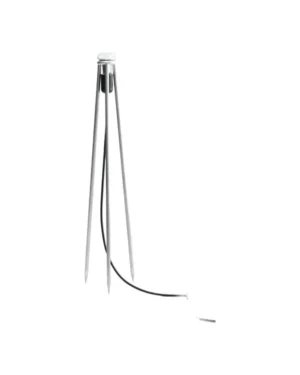

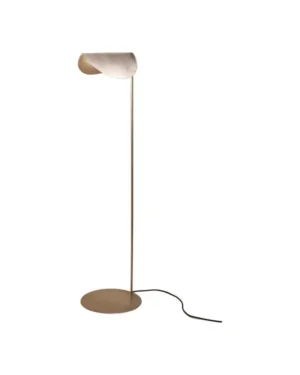
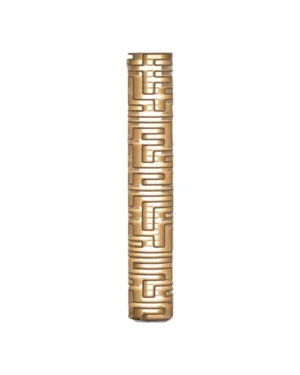
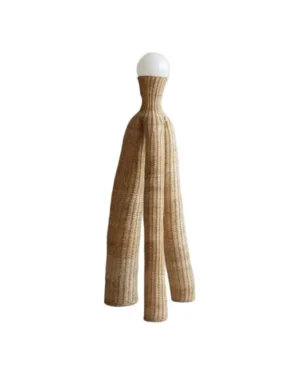
-
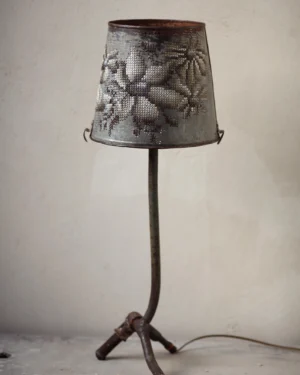
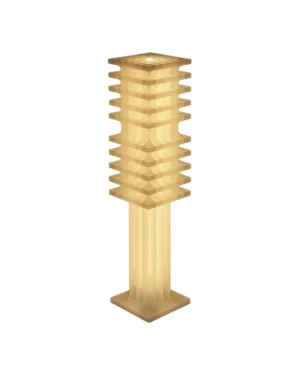
Light Bucket Challenge II Floor Lamp in Metal and Thread
By Severija Inčirauskaitė-Kriaunevičienė
€4.500 -
 In stock
Soniah Floor Lamp in ZTISTA
By FAINA
€7.000 -

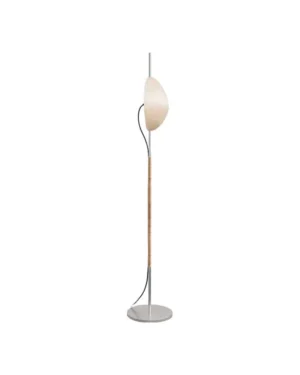
Willow Floor Lamp in Steel and Cotton
By BOTHI
€455 -
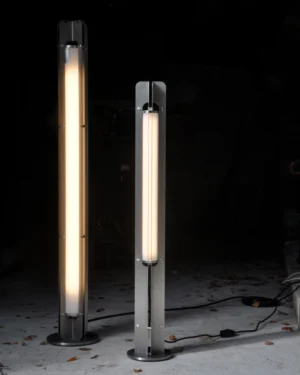
Pill600-70 Floor Lamp In Stainless Steel
By MLK Furniture
€1.490€1.267 -

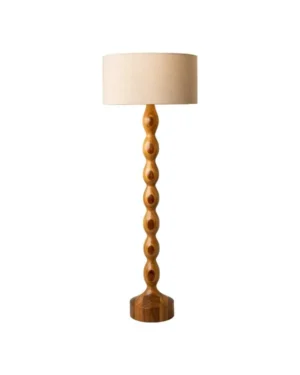
Lomo Floor Lamp In Wool And Ash Wood
By Natural Urbano - Sebastián Beltrán
€565 -
 In stock
Peony Floor Lamp In Fiber-cement
By Donatas Žukauskas
€2.450 -
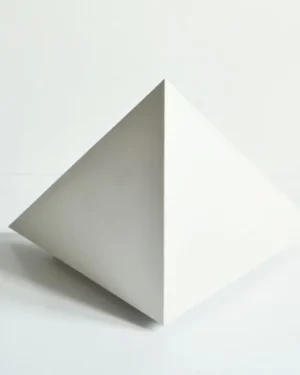
“YYY” Floor Lamp
By Duccio Maria Gambi
€1.640 -

Soniah Medium Floor Lamp in ZTISTA
By FAINA
€6.300 -

Soniah Small Floor Lamp in ZTISTA
By FAINA
€5.600 -
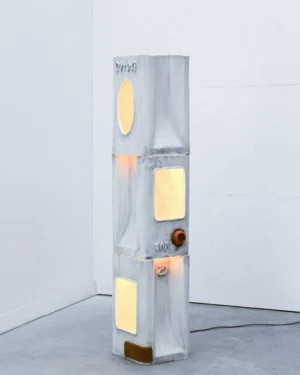 In stock
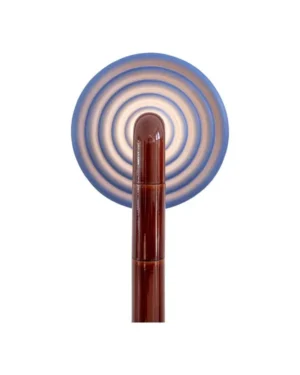
Vestigi 01 – Stoneware Floor Lamp
By Pierre Klein
€7.200 -
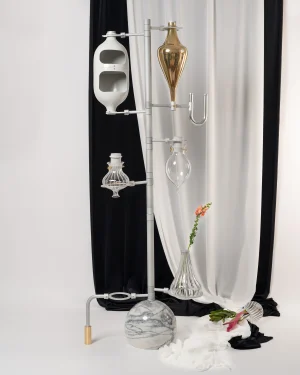 In stock
Emotional Lab Grey Floor Lamp In Marble And Aluminum
By Hania Jneid Design Studio
Price Upon Request
Gray floor lamps gather a range of neutral finishes, from the flat matte of powder-coated steel to the chalky surface of hand-built stoneware, into a single family of standing lights. Independent studios build them through metalwork, hand-building and sculpting, pairing painted steel frames with stoneware bases or stainless steel stems with woven shades. The result is a color that reads as structure rather than decoration, closer to concrete or raw metal than to any dyed or painted surface.
What gray does in a floor lamp
Gray does not announce itself. It sits between the warmth of brass and the coolness of white, which is why makers return to it for pieces meant to stand for years rather than seasons. On a floor lamp, where the whole body is visible across a room, that neutrality lets the silhouette and proportion carry the piece instead of the finish.
Because gray is really a family of grays, the effect shifts with material. Painted steel gives a flat, almost architectural gray that reads as part of the room's structure. Stoneware carries variation from the glaze and the kiln, so no two surfaces are perfectly even. Powder-coated metal sits somewhere between the two, durable and slightly textured, built to resist marks from daily handling.
Materials, finishes and ways of making
Studios working in this range use composite bodies alongside worked metals, cotton and other fiber shades, and glazed stoneware bases. Techniques vary with the material: metalwork for steel and stainless steel frames, hand-building and sculpting for stoneware and ceramic bases, powder coating for a matte, chip-resistant metal surface, and textilework for woven or stitched shades.
- Painted steel and stainless steel, shaped into slender stems and arcs
- Stoneware and other ceramic bodies, hand-built and glazed in gray tones
- Powder-coated metal, finished for a flat, consistent surface
- Composite and cotton shades, paired with metal or ceramic bases
Choosing a gray floor lamp
Start with height relative to the seating around it: a lamp meant to stand beside a sofa or reading chair generally reaches just above shoulder height when seated, while one meant to light a corner can run taller. Check the footprint and base weight too, since a floor lamp has to carry its own structure without a fixed point of attachment, the way a table or chair does.
Finish matters as much as form. A matte powder-coated surface hides fingerprints and sits well in a space with other metal fixtures, while a glazed stoneware base brings in the slight irregularity of handwork and reads better against wood and textile. Place the lamp where its shade direction matches its job, angled toward a chair for reading or aimed upward to wash a ceiling with light.
Where gray floor lamps work
Gray holds its own in a living room run in wood, stone or richer color, acting as a quiet anchor among louder materials, and the same restraint lets it stand in a bedroom corner without competing with linens or wall color. It also suits workspaces and hallways where a defined, uncluttered silhouette matters more than a decorative one. For rooms already built around other neutral materials, see the fuller range of living room floor lamps and bedroom floor lamps.
Care and upkeep
Steel and stainless steel bodies need only a dry or slightly damp cloth; avoid abrasive cleaners that can dull a powder-coated finish. Stoneware bases should be wiped rather than soaked, since repeated moisture can wear at an unglazed foot or base ring. Keep any fabric or fiber shade out of direct sun, which fades gray tones unevenly over time.
For the wider set of standing lights in this neutral range, the full floor lamp offering spans wood, brass and glass alongside steel and ceramic. Those drawn specifically to worked metal can look through the metal floor lamps, while the complete gray pieces on ADORNO extend this same palette into tables, seating and smaller objects for anyone building a room around a single, consistent neutral.
How do I choose a gray floor lamp?
Match the finish to the mood: flat painted steel for a structural, architectural look, stoneware for a softer surface with natural variation. Consider height and base width against the furniture it will stand beside.
How do I care for a gray floor lamp?
Wipe painted or powder-coated steel with a dry or slightly damp cloth, avoiding solvents that can dull the finish. Dust stoneware bases gently and keep them away from moisture, since unglazed surfaces can absorb stains.
What height should a gray floor lamp be?
Most floor lamps stand tall enough to light a seating area without a shade meeting eye level when seated, generally just above sofa arm height. A maker can confirm exact dimensions through Chat with the maker on the piece's page.
Which rooms suit a gray floor lamp?
Gray reads as structure rather than decoration, so it holds its own in living rooms, studies and bedrooms alike. Its neutrality lets it sit beside brass, wood or white walls without competing for attention.
Will a gray floor lamp match my other furniture?
Gray sits between warm brass tones and cool whites, which makes it adaptable across different wood tones, metals and wall colors. Painted steel leans toward a cooler, flatter gray, while stoneware carries warmer, uneven variation.
What are ADORNO's shipping, returns and authenticity policies?
Shipping is insured and worldwide. Returns are accepted within 14 days, excluding made-to-order pieces, and every piece ships with a certificate of authenticity. ADORNO also offers a lowest-price guarantee.