


-
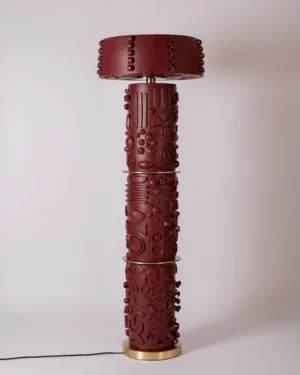
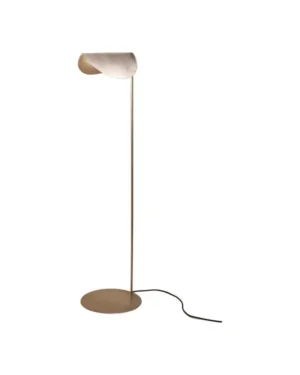
Sculpt Floor Lamp In Hand-built Stoneware
By Harshita Jhamtani Designs
€7.880 -
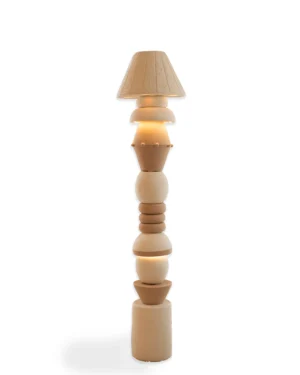
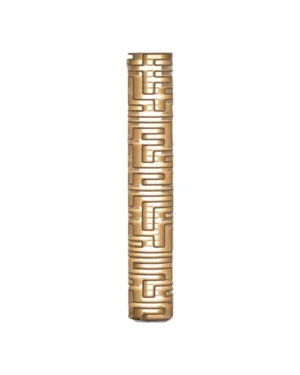
Totem Floor Lamp In Stoneware And Clay Paste
By Harshita Jhamtani Designs
€2.570 -
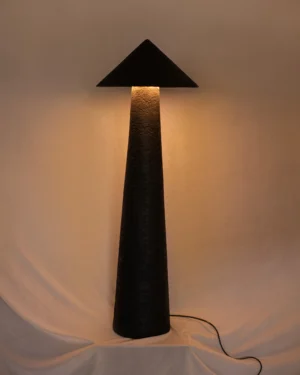
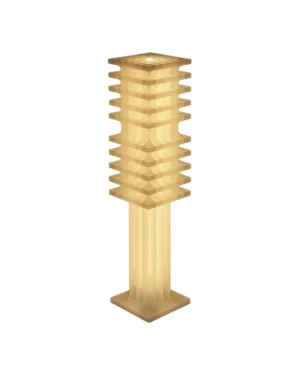
Kasa (m) Lamp In Clay Paste And Mild Steel
By Harshita Jhamtani Designs
€1.460 -
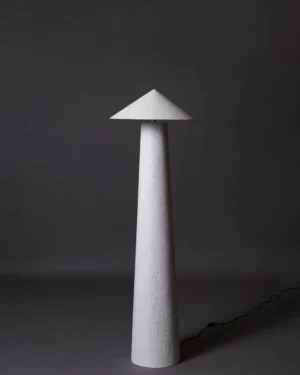
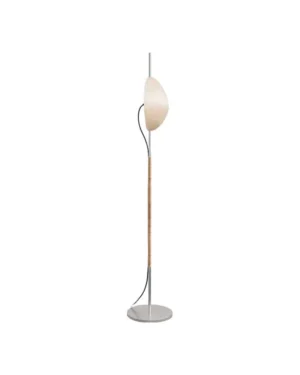
Kasa Floor Lamp In Clay Paste And Mild Steel
By Harshita Jhamtani Designs
€2.130 -

Asteroid Floor Lamp In Stoneware And Mild Steel
By Harshita Jhamtani Designs
€2.570 -
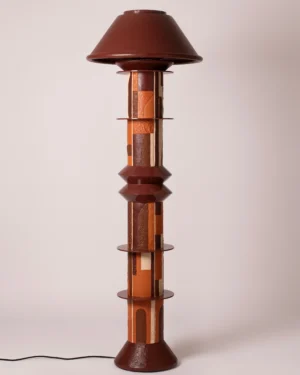
The Rouge Floor Lamp In Clay Paste And Metal
By Harshita Jhamtani Designs
€4.430 -
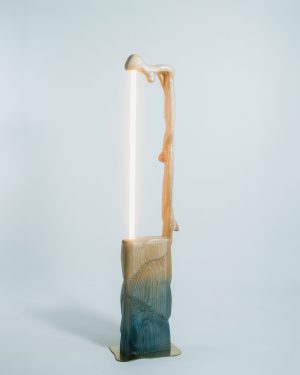 In stock
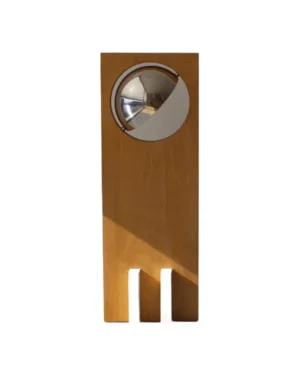
Blueprint Floor Lamp in Ash Wood
By Studio Kloak
€2.500 -
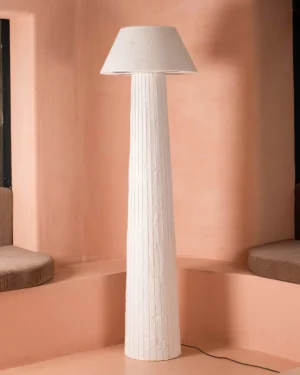
Rio Floor Lamp In Clay Paste And Mild Steel
By Harshita Jhamtani Designs
€2.270 -
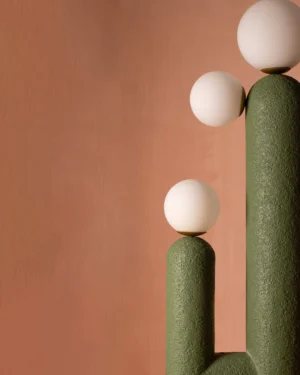
Cactus Floor Lamp In Clay Paste, Mild Steel And Glass
By Harshita Jhamtani Designs
€2.570 -
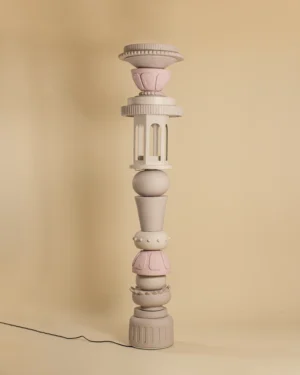
Pillar Of Ties Totem Floor Lamp In Stoneware, Clay Paste And Wood
By Harshita Jhamtani Designs
€3.780 -
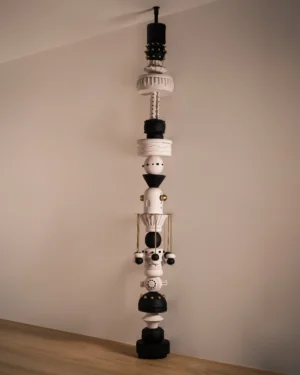
Asteroid Floor-to-ceiling Totem In Stoneware And Brass
By Harshita Jhamtani Designs
€6.900 -
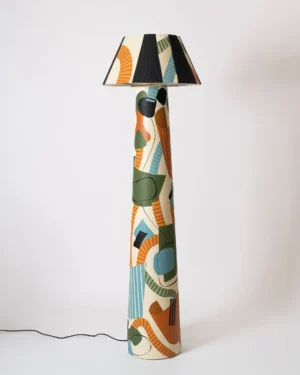
Hand Painted Rio Floor Lamp In Clay Paste And Mild Steel
By Harshita Jhamtani Designs
€3.940 -
 In stock
Vestigi 01 – Stoneware Floor Lamp
By Pierre Klein
€7.200 -
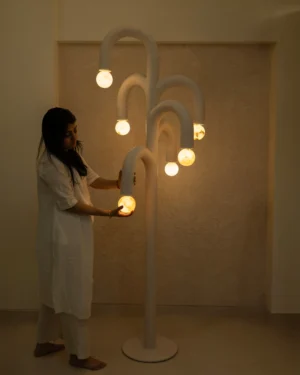
Big Cactus Floor Lamp In Clay Paste, Mild Steel And Alabaster
By Harshita Jhamtani Designs
€3.310 -
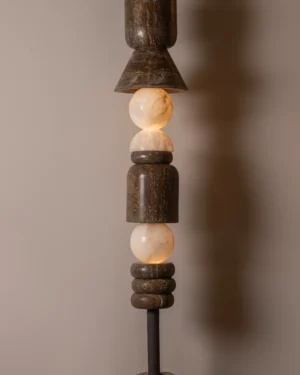
Titan Travertine Totem Floor Lamp In Travertine And Alabaster
By Harshita Jhamtani Designs
€3.070
Bathroom floor lamps here are built for a room where water, steam and tile change how light and material behave. Independent studios shape them in stone, steel and glazed stoneware, working through metalwork, plastering, wheel throwing and hand-building, with some pieces finished as unique, one-off objects. The result is a lamp heavy enough to stand on its own, with a base and a finish chosen to hold up where other furniture would not.
What sets a bathroom floor lamp apart
A bathroom asks more of a floor lamp than a living room does. Humidity, splashes and tile floors rule out anything with exposed wiring at the base or a finish that lifts with moisture. Studios working in mild steel, stainless steel or brass answer this with sealed joints and finishes meant to resist tarnish, while those working in plaster composite, stoneware or alabaster rely on dense, fired or set surfaces that do not absorb water the way raw material would.
Materials, colors and finishes you will find
Stone and stoneware dominate, often left in off-white, cream or beige, or pushed toward terracotta, rust and burgundy through glaze and hand painting. Steel and brass appear in black, gray or their own natural tone, sometimes sculpted or stone-carved into forms closer to a Brutalist column than a conventional lamp. Acrylic shows up where a studio wants light to pass through the base itself rather than stop at it.
Styles range as widely as the materials. Some pieces sit close to the floor in a quiet, Minimalist or Japandi register; others lean Wabi-Sabi, with uneven glaze or visible hand-building marks, or go further into Maximalism and Conceptual form, treating the lamp as a sculptural object first and a light source second. Editions move from open runs to limited editions and unique pieces, so a stone-carved or hand-painted base may not repeat once it sells.
How to choose one for a bathroom
Scale matters before anything else: a floor lamp is seen in full, from the doorway and from the tub, so its height and footprint should match the room rather than compete with a vanity or mirror. In a small bathroom, a narrower base in steel or acrylic keeps a corner clear; in a larger one, a wider stoneware or plaster base can anchor the space the way a stool or side table would.
- Check the base diameter against the clear floor space, allowing room to step around it when wet
- Match the finish to the humidity level of the room, favoring sealed metal or glazed stoneware over raw plaster in a steam-heavy bathroom
- Pick a color that sits against your tile rather than disappearing into it, using off-white, rust or black as a quiet contrast
Placing and living with the lamp
Most bathroom floor lamps stand beside a tub, in a reading corner near a chair, or next to open shelving where their silhouette reads against plain wall. Because there is no fixed wiring, you can move the lamp as the room changes, the way you would move a stool or a mirror. The same studios making these pieces often work across bathroom decor and other bathroom pieces, so a lamp can be chosen alongside a vase or mobile in the same material.
Care by material
Stone, stoneware and plaster should be wiped dry after splashes and kept off direct contact with standing water to avoid staining. Steel, stainless steel and brass benefit from an occasional wipe with a dry or barely damp cloth to keep moisture from sitting in seams. For a wider view of bases and finishes, the full range of floor lamps and metal floor lamps shows how the same making techniques carry into other rooms.
How do I choose a floor lamp for a bathroom?
Look for a sealed base and a finish rated to resist moisture, such as stainless steel, brass or dense stoneware. Weight matters too, since the lamp needs to stand firm on tile without a fixed mount.
What materials hold up best in a bathroom?
Stainless steel and brass resist tarnish when joints are sealed, while fired stoneware, plaster composite and alabaster form dense surfaces that do not absorb water the way raw material would.
How do I clean and care for a bathroom floor lamp?
Wipe metal bases dry after splashes to prevent spotting, and dust stone or stoneware surfaces rather than soaking them. Avoid harsh cleaners on glazed or hand-painted finishes.
What size floor lamp works in a bathroom?
A bathroom favors a compact footprint that clears tile and fixtures, with enough height to light the room without crowding the tub, sink or shower.
Can a bathroom floor lamp work in other rooms too?
Yes, the same moisture-resistant finishes and dense materials that suit a bathroom also hold up well in a bedroom, living room or entryway.
What are ADORNO's shipping, returns and authenticity policies?
Shipping is insured and worldwide. Returns are accepted within 14 days, excluding made-to-order pieces, and every piece arrives with a certificate of authenticity. ADORNO also offers a lowest-price guarantee.