
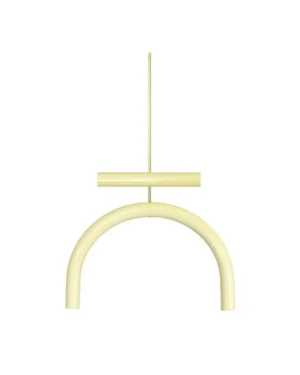
-

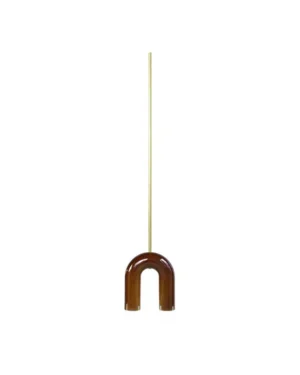
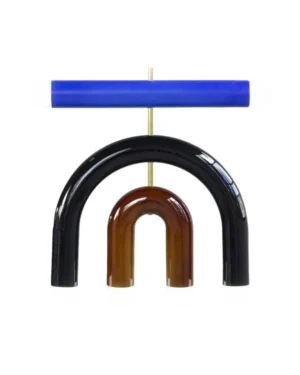
Trn / Model C2 Pendant Lamp in Ceramic
By Pani Jurek STUDIO
€880 -
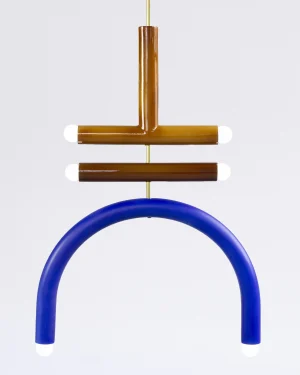
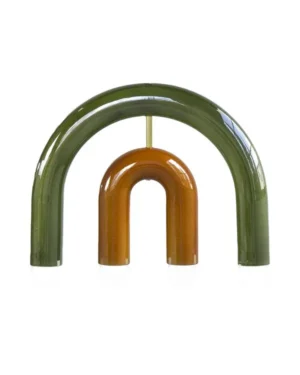
Trn / Model F2 Pendant Lamp in Ceramic
By Pani Jurek STUDIO
€1.600 -

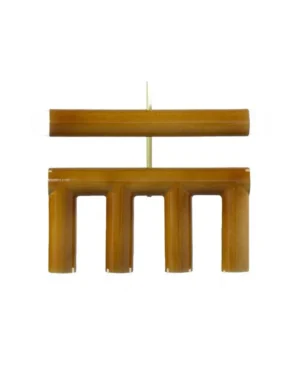
Trn / Model F3 Pendant Lamp in Ceramic
By Pani Jurek STUDIO
€1.600 -
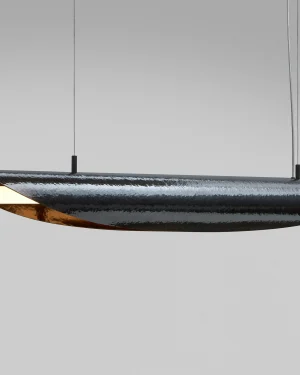
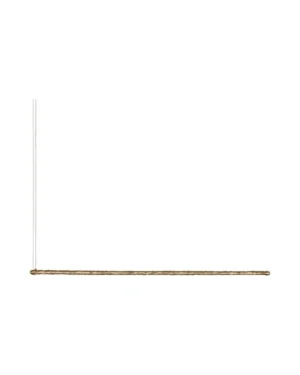
Taco De Luz Black Patinated Brass Pendant Lamp in Brass
By Studio Aristotelis Barakos
€5.900 -
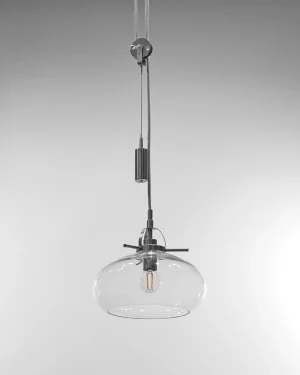
Art Deco Pendant Lamp with Weight in Glass and Steel
By Szostak Atelier
€1.400€1.330 -
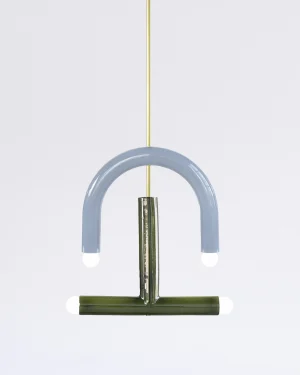
Trn / Model C3 Pendant Lamp in Ceramic
By Pani Jurek STUDIO
€880 -
 In stock
Ceramic Pendant Lamp
By Szostak Atelier
€990 -
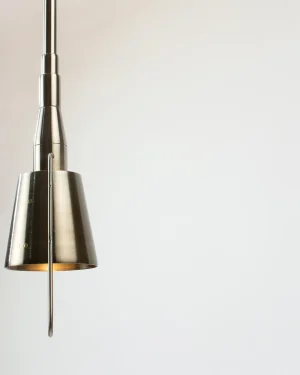
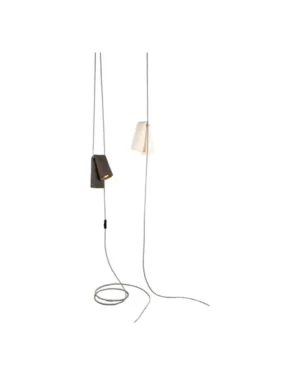
Suspension Pendant Lamp in Stainless Steel
By Szostak Atelier
€1.000 -

Trn / Model F2 Silver Finish Pendant Lamp in Ceramic
By Pani Jurek STUDIO
€1.650 -
 In stock
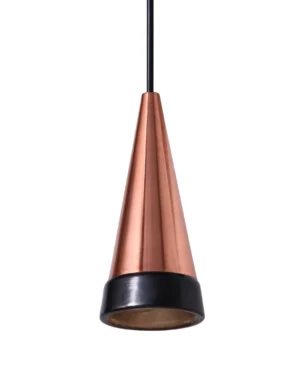
Vitrif Ceiling Lamp in Clay and Copper
By Studio davidpompa
€331 -

Ms Eclipse M (25cm) Pendant Lamp in Marbled Salts
By MARBLEDSALTS studio
Price Upon Request -
 In stock
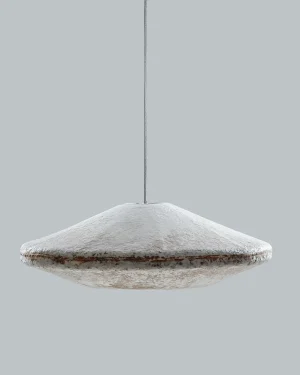
B Wise Pendant Lamp in Mycelium
By Myceen
Price Upon Request -
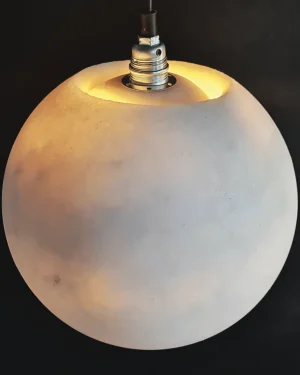
Marbled Salts Ceiling Lamp in Marbled Salts
By MARBLEDSALTS studio
Price Upon Request
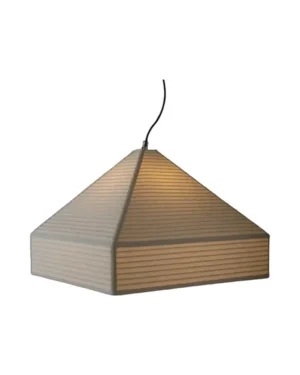
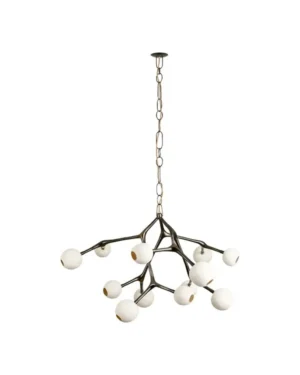
Bauhaus ceiling lamps reduce a fixture to its working parts: a disc, a sphere, a ring or a tube, held by a visible arm or stem and finished in steel, brass or glazed ceramic. Studios working in sheet metal and hand-building clay keep the geometry plain and the joints honest, so the lamp reads as a diagram of how it holds and throws light. Most are built as open editions, with unique pieces turning up where a glaze or a patina finish cannot be exactly repeated.
What makes a ceiling lamp Bauhaus
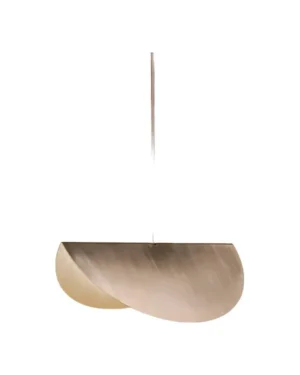
Steel and stainless steel supply the structural parts, bent and formed into shades and arms through straightforward metalwork. Brass appears as rings, stems and canopies, sometimes left bright and sometimes given a patination that dulls it toward brown or bronze over time. Glazed ceramic brings in a softer, matte or gloss surface, shaped by hand-building or mould making before firing, usually in a restrained beige, black, brown or denim blue rather than a loud color.
Materials, finishes and the range on ADORNO
Within this range, steel tends to go unfinished or powder-coated, holding its edge and keeping a cool, slightly reflective surface that reads as neutral in almost any room. Brass shifts character with handling, a lacquered piece staying gold and even, an untreated one slowly taking on the warmer, spotted patina that comes from oxidation. Glazed ceramic adds the most color variation here, from pale beige and light yellow through to deeper greens and lilacs, since glaze chemistry allows for that range in a way raw metal does not.
- Steel and stainless steel, formed, usually left matte or lightly coated
- Brass, polished, lacquered or patinated, often paired with a glass or ceramic diffuser
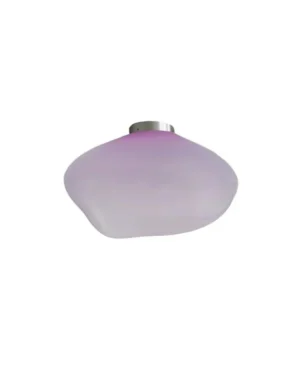
- Glazed ceramic and clay, hand-built or mould-made, in solid or two-tone glazes
- Open editions for most pieces, with unique pieces where glaze or patina varies by hand
For a broader look at how these same materials and forms carry into other fixtures, the wider range of Bauhaus lighting and Bauhaus lamps shows the style applied to table and floor forms as well as the ceiling.
Choosing scale, height and finish
A ceiling lamp has to answer to the room it hangs in, not just to the table it sits above. In a living room, a wider steel or ceramic shade set at a height that clears sightlines when seated usually does more work than a small, high one. Over a dining table, the base of the fixture typically sits close enough to pool light on the surface without crowding anyone standing to serve.
Finish matters as much as size. A bright brass or pale ceramic shade bounces more light back into a room with light walls, while a black or dark brown steel shade reads as a defined shape against a pale ceiling rather than disappearing into it. Where a room already carries other metal pieces, matching the warmth of brass to brass, or steel to steel, keeps the lighting from fighting with hardware, hinges or frames already in view.
Where these lamps sit well
Bauhaus lamps suit rooms where the architecture is already plain: a living room with flat ceilings and simple trim, a dining area with a single strong table, a hallway or stair run where one disc or globe needs to carry the whole space. The style also sits comfortably against other Bauhaus furniture, since the same honesty about material and joint runs through Bauhaus furniture, Bauhaus seating and Bauhaus chairs.
Care by material
Steel and stainless steel need only a dry or lightly damp cloth, since moisture left sitting can mark an unlacquered surface. Brass left raw will darken and spot with handling and air; this patina is normal and many owners leave it to develop rather than polishing it back to its original brightness. Glazed ceramic wants a dry dust and a gentle hand around the glaze, which can chip on hard impact despite its hard, fired surface. For the full spread of fixtures these finishes belong to, the general ceiling lamps range and the dedicated Bauhaus style pages cover the same materials across other rooms and pieces.
How do I choose a Bauhaus ceiling lamp?
Look at the shape first, a disc, sphere, ring or tube, and check that the arm or canopy reads as plainly as the shade. Match the metal or glaze to what else is unfinished or bright in the room.
How do you care for steel, brass and ceramic ceiling lamps?
Wipe steel and stainless steel with a dry cloth to avoid water spotting, and let brass darken naturally or polish it to keep it bright. Glazed ceramic needs only a soft, dry dust, since moisture can dull an unglazed edge.
What size ceiling lamp suits a room?
A disc or ring reads best over a dining table or seating group where its diameter matches the furniture below. For a specific drop height or canopy size, chat with the maker on the piece's page.
Which rooms suit a Bauhaus ceiling lamp?
Their plain geometry suits living rooms, dining areas and entry halls where a fixture hangs in open view without a shade to soften it. Kitchens work too, where a wipeable steel or ceramic surface holds up well.
Are Bauhaus ceiling lamps handmade or mass-produced?
Most are built as open editions through straightforward metalwork, mould making or hand-building, so the form repeats reliably. Unique pieces turn up where a glaze or patina finish cannot be exactly repeated.
What are ADORNO's shipping, returns and authenticity terms?
Shipping is insured and worldwide, with a 14-day return policy that excludes made-to-order pieces. Each lamp comes with a certificate of authenticity, backed by a lowest-price guarantee.