




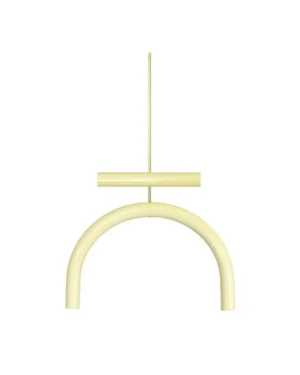
-
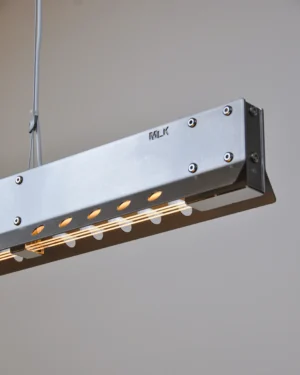
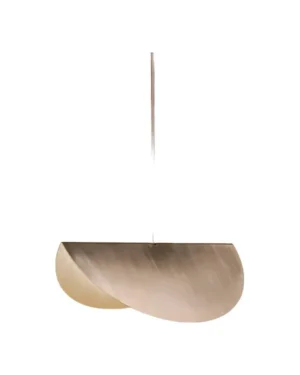
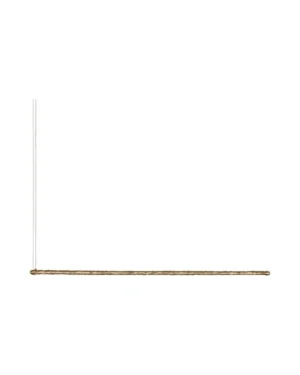
Ne1250/145 Pendant Lamp In Steel And Acrylic
By MLK Furniture
€1.390 -
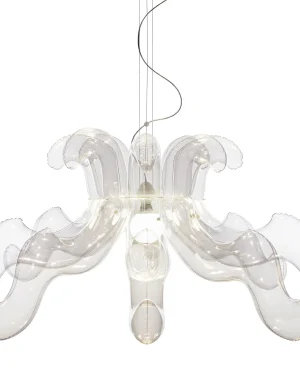
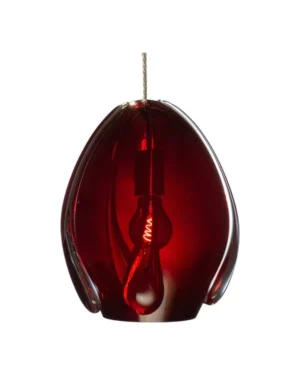
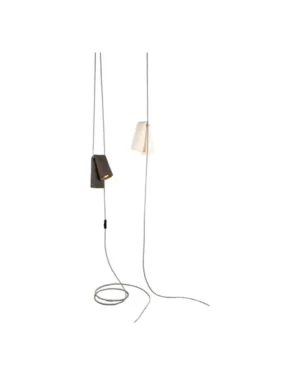
Lullaby No.2 Chandelier in PVC and Acrylic
By PUFF-BUFF
€640 -
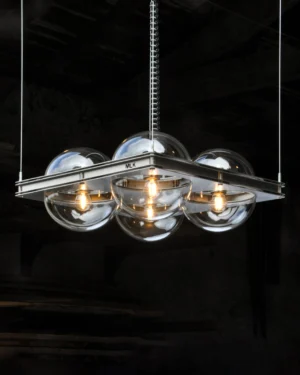
Bbl200x04 Pendant Lamp In Stainless Steel And Acrylic
By MLK Furniture
€2.400 -
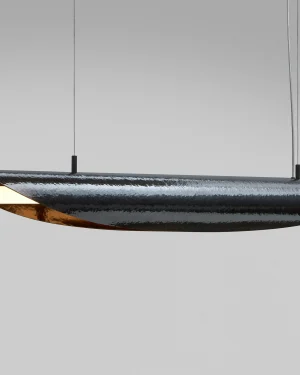
Taco De Luz Black Patinated Brass Pendant Lamp in Brass
By Studio Aristotelis Barakos
€5.900 -
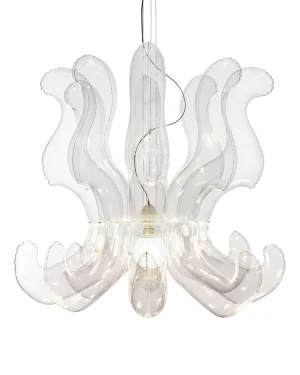
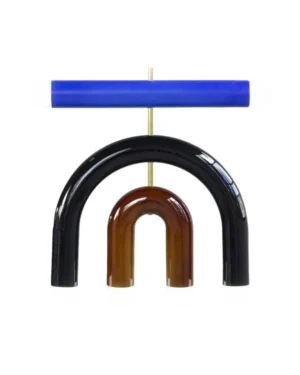
Lullaby No.1 Chandelier in PVC and Acrylic
By PUFF-BUFF
€640 -
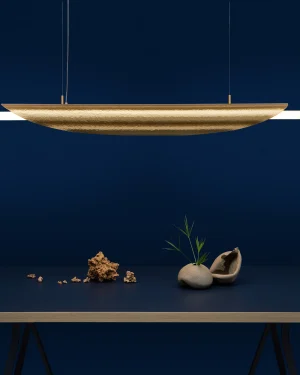 In stock
Taco De Luz Satin Brass Pendant Lamp in Brass
By Studio Aristotelis Barakos
€5.400 -

Object 019 Pendant Lamp in Brass and Acrylic
By Naama Hofman
€1.850 -

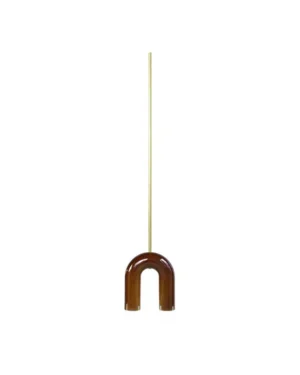
Umu U Pendant Lamp In Iron And Acrylic Glass
By Drusch Design
€950 -

Object 018 Pendant Lamp in Brass and Acrylic
By Naama Hofman
€2.100 -
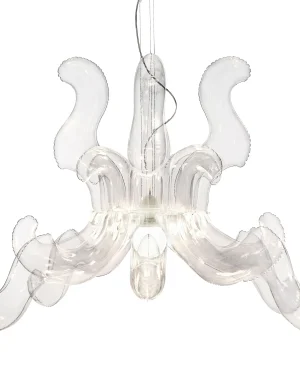
Lullaby No.3 Chandelier in PVC and Acrylic
By PUFF-BUFF
€640 -

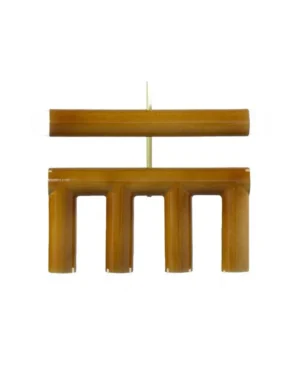
Tube 01 Pendant Lamp in Brass and Acrylic
By Naama Hofman
€2.600 -

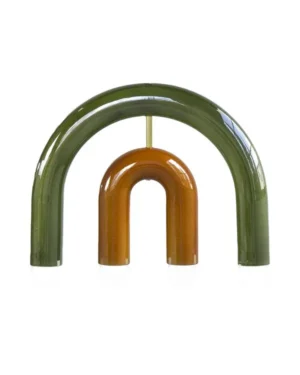
Arc 015 Pendant Lamp in Brass and Acrylic
By Naama Hofman
€2.900 -

Slotted Vertical Offset Pendant Lamp In Acrylic
By Nolan Talbot-Kelly
€1.800 -

Slotted Linear 32 Pendant Lamp In Aluminum And Acrylic
By Nolan Talbot-Kelly
€1.200
Acrylic ceiling lamps gather light inside clear or tinted volumes, then let it travel through CNC-milled edges and vacuum-formed curves before it reaches the room below. Independent studios turn sheet and tube stock into pendants, drums and sculptural shades, often finishing the material by hand after machine work closes in the form. The result sits closer to glass than plastic in how it reads from below, while weighing a fraction of what either glass or metal would.
What defines acrylic as a ceiling material
Acrylic, sometimes called acrylic glass, is cast or extruded into sheets and tubes that can be cut, heated and reshaped without losing clarity. Vacuum forming pulls a heated sheet over a mold to build shades with soft, continuous curves; CNC milling cuts flat panels and facets with sharp, repeatable edges. Both techniques leave a surface that stays close to transparent, so the light source reads through the body of the lamp rather than only at its opening.
Color runs from fully transparent to tinted grays, cobalt blues and bronzes, each tint shifting how light lands on walls and ceiling. Matte finishes soften the glow and hide fingerprints and dust better than gloss, which stays sharper and throws more reflection. Because the material is thermoplastic, studios also combine it with brass, stainless steel or aluminum hardware, pairing a light shade with a weightier metal structure.
The range found among acrylic ceiling lamps
Across these acrylic ceiling lamps, forms run from tube pendants and faceted drums to stacked discs and chandelier-scale clusters, sitting in Minimalist, Neo-Industrial, Art Deco, Brutalist, Coastal and Eclectic lines. Hardware is usually brass, stainless steel or aluminum, worked by metalworking or repoussé before the acrylic sections are hand-assembled onto it. Some pieces are open editions, produced in series from the same mold or cutting file; others are unique pieces, where a studio shapes or finishes each one by hand after milling.
For a wider view of the same material across lighting, pendant lamps, chandeliers, table lamps and pedestals, see every acrylic piece on ADORNO, or step back to the full range of ceiling lamps in metal, glass, wood, ceramic and fiber.
How to choose one
- Transparent and lightly tinted shades suit rooms where the fixture should not block a view through the space, such as open-plan living and dining areas.
- Darker tints, bronze or cobalt, read heavier and work better as a single statement over a table or counter.
- Matte finishes diffuse the bulb more evenly; gloss and clear acrylic show the filament or LED module more directly, so a frosted or opal bulb often reads better inside them.
If the rest of the room already carries polished metal, a pendant with brass or stainless steel hardware will sit more naturally than one with a plain fitting.
Where this kind of lighting works
Acrylic takes well to living rooms, dining areas and hallways, anywhere the fixture needs to add light without adding visual weight. Its lightness also suits rented spaces and lower ceilings, where a metal or glass fixture of the same scale would feel heavier overhead. In a minimalist room it can disappear into the ceiling plane; in an Art Deco or Brutalist setting, faceted or tubular forms give it more presence.
Caring for acrylic
Acrylic ceiling lamps scratch more easily than glass, so dust with a soft, dry cloth rather than paper towel, and avoid ammonia-based glass cleaners, which can cloud the surface over time. Fine scratches can often be buffed out with a plastic polish made for the material; deeper ones usually cannot. Keep acrylic shades away from direct, sustained heat from high-wattage bulbs, since prolonged heat can soften or warp the surface; LED bulbs run cool enough to avoid this.
For hardware finished in brass or stainless steel, wipe with a dry cloth and keep harsh chemical cleaners off the metal to preserve its finish alongside the acrylic shade. Anyone building a room instead around worked metal can find more options among metal ceiling lamps, or compare acrylic forms used elsewhere in the room via acrylic lamps more broadly.
How do I choose an acrylic ceiling lamp?
Decide how much the shade should disappear versus glow. Clear acrylic reads closest to glass, tints like gray, bronze or cobalt blue color the light itself, and matte surfaces soften the glow and hide dust better than gloss.
Is acrylic durable and how do I clean it?
Acrylic resists shattering better than glass but scratches more easily, so wipe it with a soft, dry or lightly damp cloth and avoid abrasive cleaners or paper towels that can dull its surface.
What size ceiling lamp suits my room?
Because acrylic weighs little, larger shades hang without taxing the ceiling structure, so size is better chosen by how much the form should dominate the room than by weight.
Which rooms work best with acrylic ceiling lamps?
Their light weight and even glow suit living rooms, dining areas and bedrooms alike, while tinted or sculptural shades can anchor a room as a central visual point rather than disappear into the ceiling.
Are these open editions or one-off pieces?
Both are found among acrylic ceiling lamps, from open editions produced in repeatable runs to unique pieces finished individually by hand after machine work shapes the form.
How does shipping, returns and authenticity work at ADORNO?
Shipping is insured and worldwide, returns are accepted within 14 days except on made-to-order pieces, and every purchase includes a certificate of authenticity alongside a lowest-price guarantee.