






-
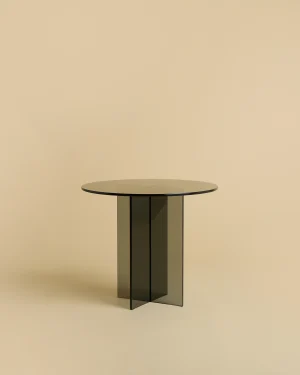
Amami Side Table in Smoked Glass
By Lebanto
€935 -
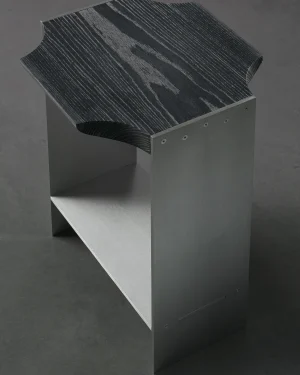
F15 E Side Table in Oak Wood
By Mantas Lesauskas
€1.500 -
 In stock
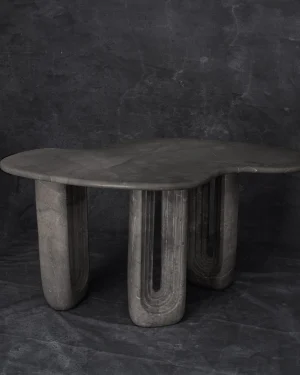
Amazonas Low Side Table in Marble and Travertine
By Studio Ayres
€1.896 -
 In stock
Volcán Side Table in Volcanic Stone
By LØRDAG & SØNDAG
€1.841 -

Ludovica – Stone Stool / Side Table
By Studio Ayres
€1.960 This product has multiple variants. The options may be chosen on the product page -
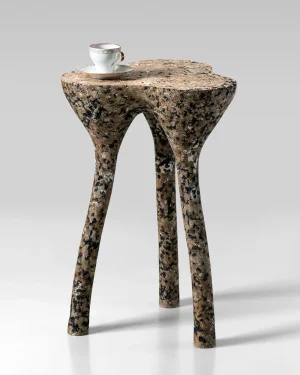
Beige Tripod Low Side Table in Paper Pulp and Cement
By Donatas Žukauskas
€1.100 -

Kado Side Table in Masahua Marble
By Drusch Design
€2.656 -
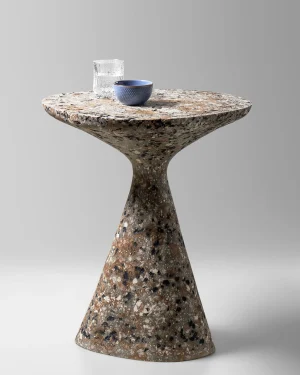
Beige Mottled Side Table in Paper Pulp and Cement
By Donatas Žukauskas
€1.100 -
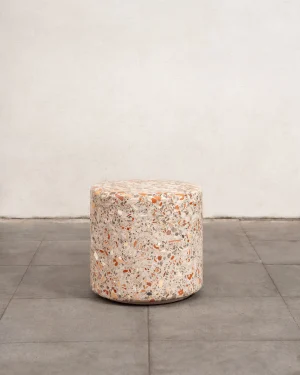
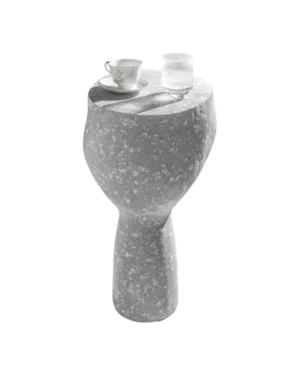
Brut Side Table in Terrazzo
By Assimply Studio
€900 This product has multiple variants. The options may be chosen on the product page -
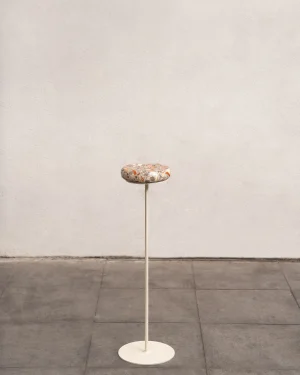
Brut Tall Side Table in Terrazzo
By Assimply Studio
€350 This product has multiple variants. The options may be chosen on the product page -
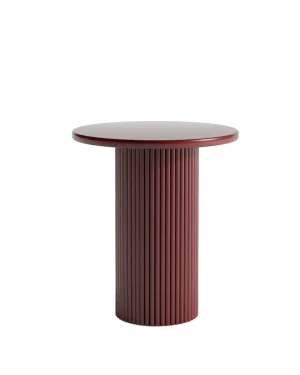
Hola Side Table in Lacquered MDF
By hermhaus
€1.374 This product has multiple variants. The options may be chosen on the product page -
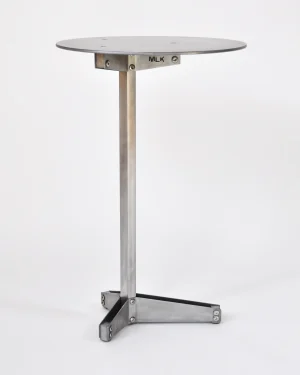 In stock
HEX400 Side Table in Aluminum
By MLK Furniture
€1.890 -
 In stock
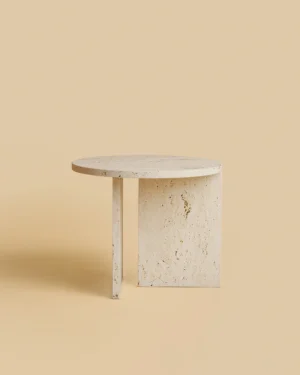
Kyushu Side Table in Travertine
By Lebanto
€2.400 This product has multiple variants. The options may be chosen on the product page -
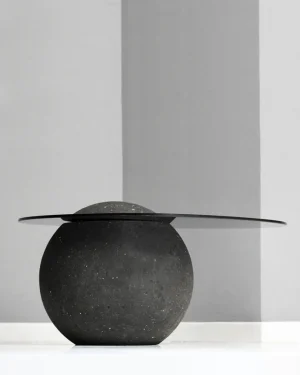
Cuitzeo Side Table in Cantera Stone and Smoked Glass
By Drusch Design
€2.500 -
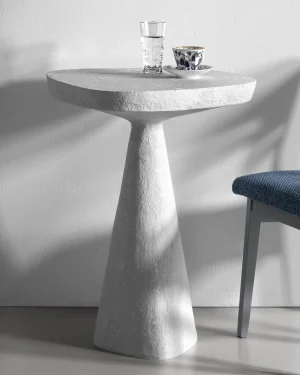
White Plinth High Side Table in Paper Pulp and Cement
By Donatas Žukauskas
€1.350 -
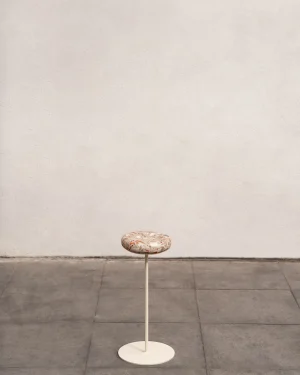
Brut Low Side Table in Terrazzo
By Assimply Studio
€285 This product has multiple variants. The options may be chosen on the product page -
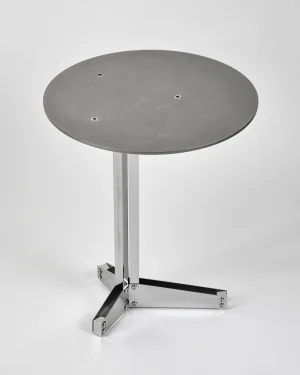
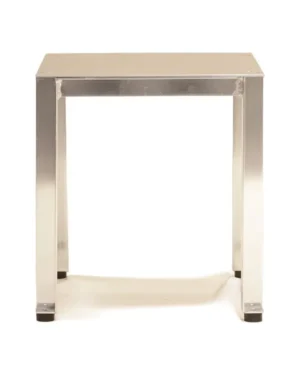
3SQ400 Side Table in Matte and Mirror Stainless Steel
By MLK Furniture
€2.190 -
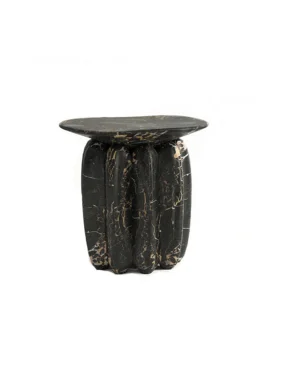
Bolero Side Table in Marble
By Alter Ego Studio
€7.260 - €8.240 This product has multiple variants. The options may be chosen on the product page -

Tori Side Table in Volcanic Stone and Green Marble
By Daniel Orozco Estudio
€1.987 -
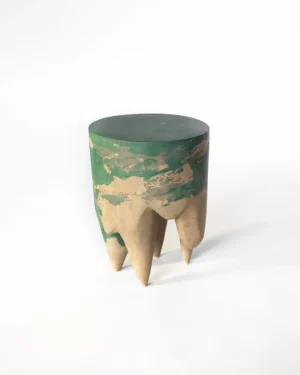
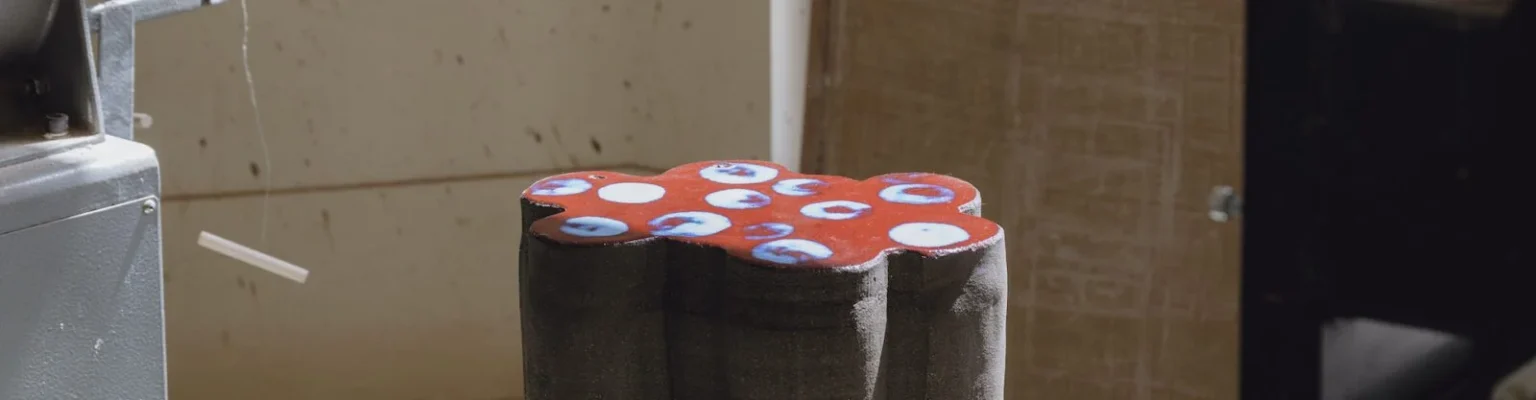
Dark Matter Side Table in Sandstone and Pigmented Gypsum
By Studio S II
€3.688 - €5.823 This product has multiple variants. The options may be chosen on the product page -
 In stock
HEX400 Side Table in Stainless Steel and White Acrylic
By MLK Furniture
€2.190 -
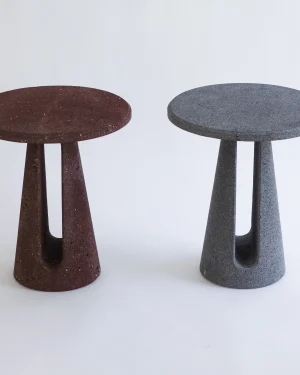
Striata Side Table in Volcanic Stone
By CMX | Furniture
€2.200 This product has multiple variants. The options may be chosen on the product page -
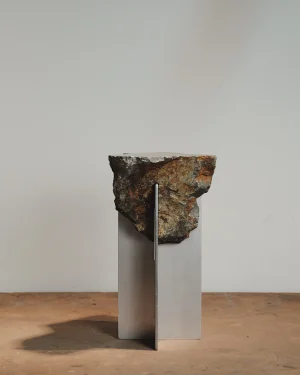
Hybrid Objects Side Table in Natural Stone and Aluminum
By Estudio Material
Price Upon Request
Gray side tables take their color from stone, cast concrete, terrazzo, or powder-coated and brushed metal, rather than from paint alone, which is why the tone shifts from warm charcoal to cool slate depending on the piece. Studios working in natural stone, volcanic stone, and marble carve or polish the surface until the gray reads as mineral, while metalworkers forge or weld steel and aluminum into pared-back forms. The color sits close to black and white on the neutral scale, so these tables read as settled, structural objects rather than accents.
What Defines Gray in a Side Table
Gray is rarely flat. In stone, it carries veining, flecks of mica, or the pitted texture left by volcanic rock; in terrazzo, it holds chips of marble or glass suspended in a gray binder; in metal, it can be matte, brushed, or lightly oxidized. This variation is what keeps gray from feeling cold: the surface still shows the hand of the material, even where the form is reduced to a cylinder, a slab, or a simple frame.
Because gray does not compete with other colors, it tends to let the material's texture do the talking. A rough-cast concrete top and a polished marble disk can both be called gray, yet they behave very differently in a room, one absorbing light and the other reflecting it.
The Range of Gray Side Tables on ADORNO
Within gray, the range spans several ways of making. Stone carving produces solid, one-piece forms from natural or volcanic stone, often left thick at the edges to show the material's weight. Concrete casting allows for sharper geometry and brutalist profiles, while terrazzo making builds pattern into the gray surface itself. Metalwork covers everything from slender rod-built frames to heavier plinths in welded steel.
- Materials: natural stone, volcanic stone, marble, terrazzo, travertine, recycled material, metal
- Styles: brutalist, minimalist, contemporary, neolithic, biophilic
- Editions: open editions alongside unique, one-off pieces where the material or process does not repeat exactly
Styles vary with technique: brutalist and neolithic forms favor raw, visibly worked stone or concrete, while minimalist and contemporary pieces in metal tend toward thinner profiles and quieter joinery. For a narrower look at pared-back forms across colors, the minimalist side tables carry many of the same proportions in other finishes.
How to Choose a Gray Side Table
Start with height relative to the seat or mattress it will serve. A table beside a sofa generally sits close to arm height, so a cushion or lamp placed on top stays within easy reach; a bedside piece usually sits level with or just below the mattress top. Scale matters as much as height: a dense stone table can look heavier than its size suggests, so measure the footprint against the space beside the seating or bed before deciding.
Finish is the second decision. A honed or matte gray stone diffuses light and hides fingerprints, while a polished surface will show them and reflects more of the room around it. Metal side tables with a raw or waxed finish will develop a faint patina over time, which some owners prefer and others avoid by choosing a sealed or powder-coated surface instead.
Where Gray Side Tables Work Best
Gray reads as architectural, so it suits rooms built around clean lines, concrete, oak, or stone flooring, and existing metal fixtures. It also works as a neutral counterweight in rooms with pattern or color elsewhere, since it will not pull attention away from upholstery or art. Living rooms, bedrooms, and reading corners all take a gray side table easily, and the same gray tone carries well into an entryway side table placed to hold keys and light.
Caring for Stone, Terrazzo, and Metal Surfaces
Natural stone and marble are porous and can stain from oil, wine, or acidic liquids, so a coaster or tray underneath daily items helps protect the surface, and spills are best wiped promptly rather than left to sit. Terrazzo behaves similarly, since its binder can absorb liquid even where the stone chips themselves do not. Metal surfaces need only a dry or lightly damp cloth; avoid abrasive cleaners on brushed or painted finishes, as they can dull the surface or expose bare metal underneath.
For the full range of gray side tables alongside every finish and style, the side tables category covers the wider field, while every gray piece on ADORNO extends the same tone into lighting and seating. Those drawn to a specific material can also look at metal side tables or wooden side tables for grain and warmth alongside the stone-based gray pieces described here.
How do I choose a gray side table?
Start with the material and finish, since gray can come from stone, concrete, or metal, each with a different surface and weight. Match that tone and texture to the woods and fabrics already in the room.
What are gray side tables made of?
Many are stone, marble, or concrete, prized for natural gray veining or an even cast tone, while others are gray-finished metal. Each material brings a distinct weight and surface feel.
How do I care for a gray stone or concrete side table?
Wipe stone and concrete with a damp cloth and mild soap, avoiding acidic cleaners that can etch or stain the surface. Seal porous stone periodically and keep metal finishes dry to prevent corrosion.
What height and size should a side table be?
Standard side tables sit near sofa or armrest height, usually close to the seat surface for easy reach. Choose a size that fits the gap beside your seating or bed without crowding it.
Which rooms suit a gray side table?
Gray reads as neutral, so these tables suit living rooms, bedrooms, and entryways where they need to sit quietly beside other colors and materials. They work equally well in warm or cool palettes.
What is ADORNO's shipping and return policy?
Shipping is insured and worldwide. Returns are accepted within 14 days, except for made-to-order pieces. Each piece arrives with a certificate of authenticity, and ADORNO offers a lowest-price guarantee.