







-
Object106 – Upholstered Chairs
By NG DESIGN
€585 - €1.115 This product has multiple variants. The options may be chosen on the product page -

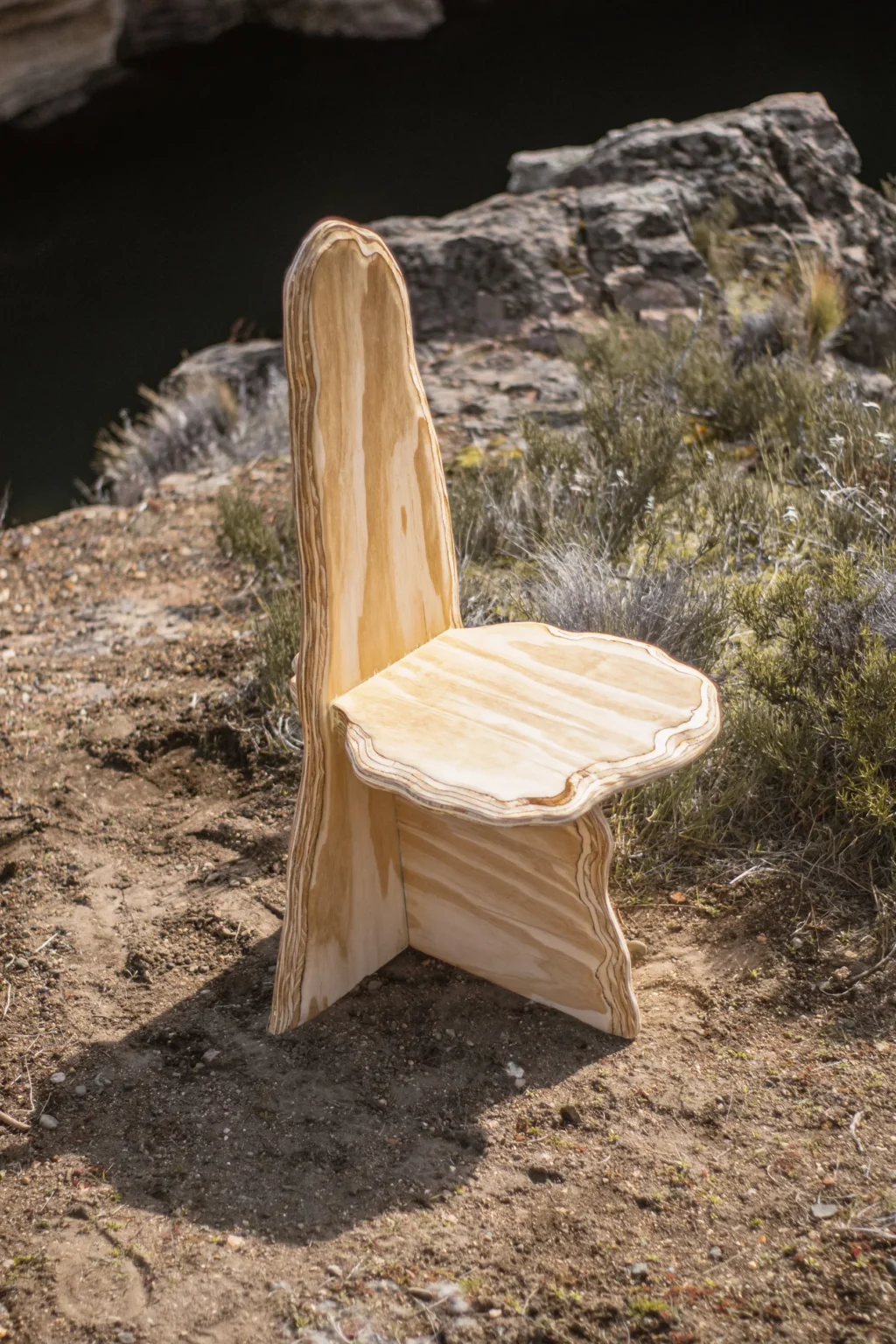
Estratos Chair
By Aldo Montes de Oca
€2.500 -
 In stock
Block Lounge
By Heaps & Woods
€4.250 - €4.475 This product has multiple variants. The options may be chosen on the product page -
 In stock
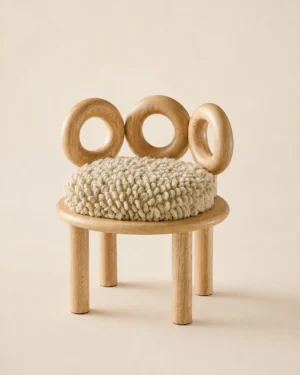
Hooop Accent Chair
By Joyful Objects, Yes!
€2.700 This product has multiple variants. The options may be chosen on the product page -

Cas Chair
By Daniel Couttolenc
€2.250 - €2.450 This product has multiple variants. The options may be chosen on the product page -
 In stock
Boni Dining Chair
By Heaps & Woods
€2.750 - €2.937 This product has multiple variants. The options may be chosen on the product page -
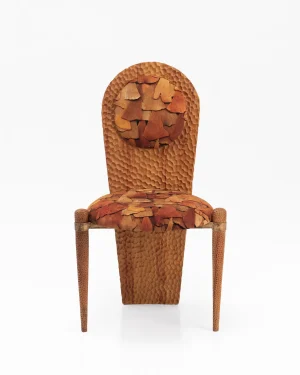
Naughty By Nature – Sculptural Chair
By Odditi
€1.180 -
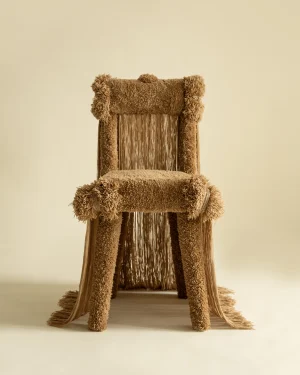
Tufting Brown Chair
By Vintola Studio
€2.500 -

Type Chair – Oak Wood
By René Otto
€1.345 -
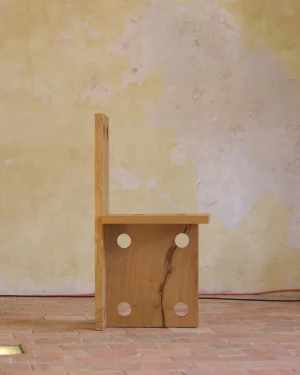
Sensitive Wood – Domino Chair
By Vital Lainé
€1.000 -

T Wood Chair
By NO AGE STUDIO
€950 -

Gavrinis – Oak Wood Chair
By Vital Lainé
€1.000 -

Non – Rocking Chair
By Vital Lainé
€800 -
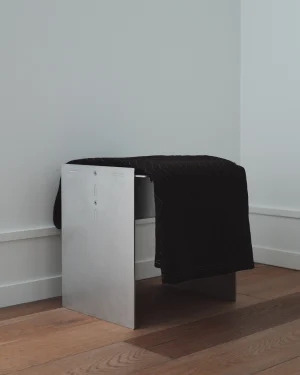
Flat Metals – Seat 01
By Estudio Material
€900 -

Florist Chair
By Calen Knauf Studio
€1.196 This product has multiple variants. The options may be chosen on the product page -
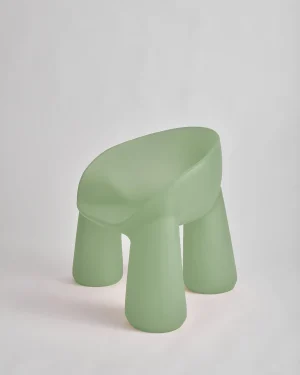
Jojo – Resin Chair
By Joyful Objects, Yes!
€4.500 This product has multiple variants. The options may be chosen on the product page -
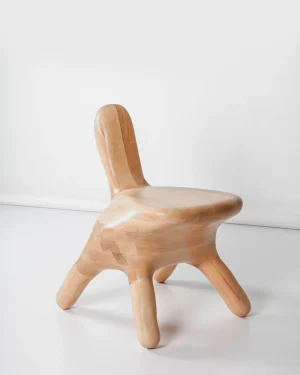
Shape N.2 Chair
By Anna Bera
€4.400 -

Angulo Burnt Oak Chair
By Toro Manifesto
€1.780 -
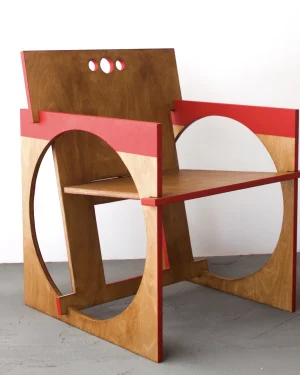
Sedia Tonda
By Edoardo Lietti Studio
€1.110 - €1.300 This product has multiple variants. The options may be chosen on the product page -
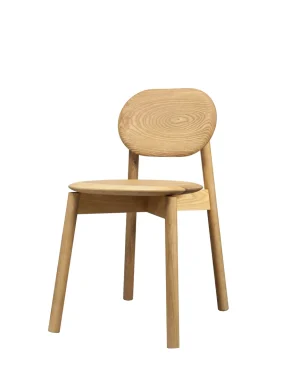 Sold
SoldRua Cha – Minimalist Ash Wood Chair
By Clementine Caurier
€360 This product has multiple variants. The options may be chosen on the product page -
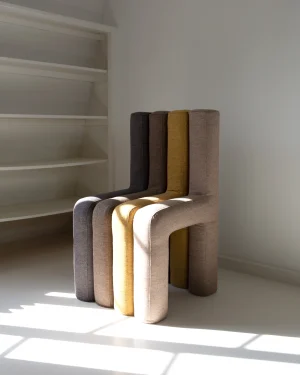
Meta Chair – Upholstered Modular Chair
By Jaclyn Pappalardo
€2.340 -

“standard” Chair
By Tributo
€1.263 -

Cocar Chair: Handmade In Brazill With Braided Tucumã Straw And Cabreúva Wood
By YANKATU
€4.100 -
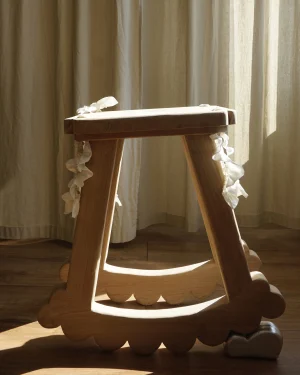
Halinka Stool
By Basia Pruszyńska
Price Upon Request -

Fos Chair Flor
By Daniel Orozco Estudio
€2.238 -
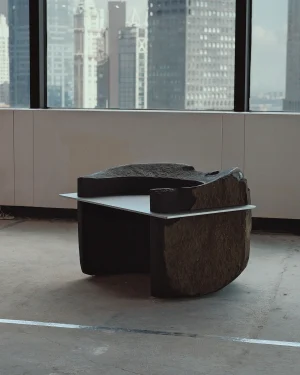
Basalt Seat 01
By Estudio Material
Price Upon Request -
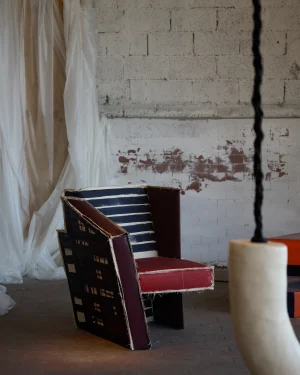
Carte Blanche – Hand Painted Armchair
By Crina Arghirescu Rogard
Price Upon Request
Beige accent chairs draw their color from the material itself rather than from paint: pale oak, bleached ash, raw rattan and undyed wool or linen upholstery all read as beige once light hits them, and the studios working in these materials let the grain, weave or fiber carry the tone. Frames come from solid oak, white oak, ash or occasionally aluminum, joined or bent into shape, while seats are woven in rattan, upholstered in wool or textile, or left as bare wood. Each piece moves through joinery, weaving, textile work or metalwork, and some are offered as limited editions or one-off pieces rather than open runs.
What gives beige its range in wood and rattan
Beige is not a single shade. Oak run through cabinetmaking can show anything from a milky, near-white tone to a warmer honey cast, depending on the cut and the finish laid over it. Rattan, woven by hand or machine, keeps a dry, straw-like beige that mellows with age and handling, while wool or linen upholstery sits closer to sand or stone depending on the dye lot.
None of these are flat colors. They shift with daylight, with the direction of the grain, and with the tightness of a woven seat, which is part of why beige accent chairs read as calm rather than plain once they sit in a room.
Materials, finishes and editions found among beige accent chairs
The range on accent chairs built in this tone draws on a fairly consistent set of materials and ways of working, even as the pieces themselves change.
- Frames in solid oak, white oak, ash wood, teak or aluminum
- Seats woven in rattan, or finished through upholstery and textile work
- Styles spanning minimalist and midimalism through to neo-industrial, brutalist and coastal
- Offered as open editions, limited editions or unique pieces
A chair's edition says something about how it was made. A limited run or unique piece usually points to hand joinery or hand weaving, where a studio can only turn out so many frames or seats at a time; an open edition points to a process set up to repeat more easily, without implying anything about the material itself.
How to choose a beige accent chair
Scale comes first. A chair with a low, wide seat and a reclined back reads as a lounge piece and asks for floor space around it, while a narrower frame with an upright back can sit close to a wall or slot beside a table without crowding the room. Seat height matters in the same way: a chair pitched low and deep suits a reading corner, while one closer to table height can double as extra seating when guests arrive.
Finish is the other variable worth checking closely. An oiled oak frame will darken gradually and show water marks if left unprotected, while a waxed or lacquered surface resists both but changes the way light sits on the grain. If the chair is going in a dining room, a tighter weave or a wipeable textile will hold up better than a loose, open one.
Where beige accent chairs sit well
Because the tone is close to raw material rather than a strong color, beige accent chairs sit easily in a living room without competing with other furniture, and work just as well pulled up as occasional seating in a bedroom or study. Paired with other wooden accent chairs or placed against a wall of similar tone, a single chair can anchor a corner rather than fill it.
Two chairs set facing each other, or beside a small table, read as a conversation area without needing a full seating set. For rooms built around a broader neutral palette, beige pairs naturally with other beige furniture and with the wider run of beige pieces across lighting and accessories, letting a room stay quiet in color while still carrying texture through wood grain and woven fiber.
Caring for oak, rattan and upholstered seats
Solid oak and ash frames want a dry, stable room; direct heat or damp will crack or warp the wood over time, and an occasional pass of oil or wax keeps the surface from drying out. Rattan should stay out of direct sun, which turns it brittle and uneven in color, and benefits from an occasional wipe with a slightly damp cloth rather than soaking. Wool or linen seats hold up to light vacuuming and should be blotted, not rubbed, if something spills, since rubbing can push a stain deeper into the weave.
How do I choose a beige accent chair?
Start with the frame material, since oak, ash and aluminum each age differently, then match the seat height and silhouette to the room it will anchor.
What material are beige accent chairs usually made from?
Many are built from oak, ash or white oak, sometimes paired with woven rattan or upholstered seats; beige tones come from natural wood grain, linen or bouclé fabric.
How do I care for a beige accent chair?
Dust wood frames regularly and keep them from direct heat or damp to prevent warping; spot clean fabric or upholstered seats and avoid rubbing stains in.
What size and height should an accent chair be?
Most accent chairs sit between 17 and 20 inches at the seat, close to standard dining height, and their overall footprint stays compact enough for a corner or reading nook.
Which rooms suit a beige accent chair?
Beige works in living rooms, bedrooms and entryways alike, carrying weight without competing with other colors, so it suits spaces built around wood, linen or stone tones.
How does buying a beige accent chair through ADORNO work?
Shipping is insured and worldwide, returns are accepted within 14 days except on made-to-order pieces, and each chair comes with a certificate of authenticity plus a lowest-price guarantee.