





-
 In stock
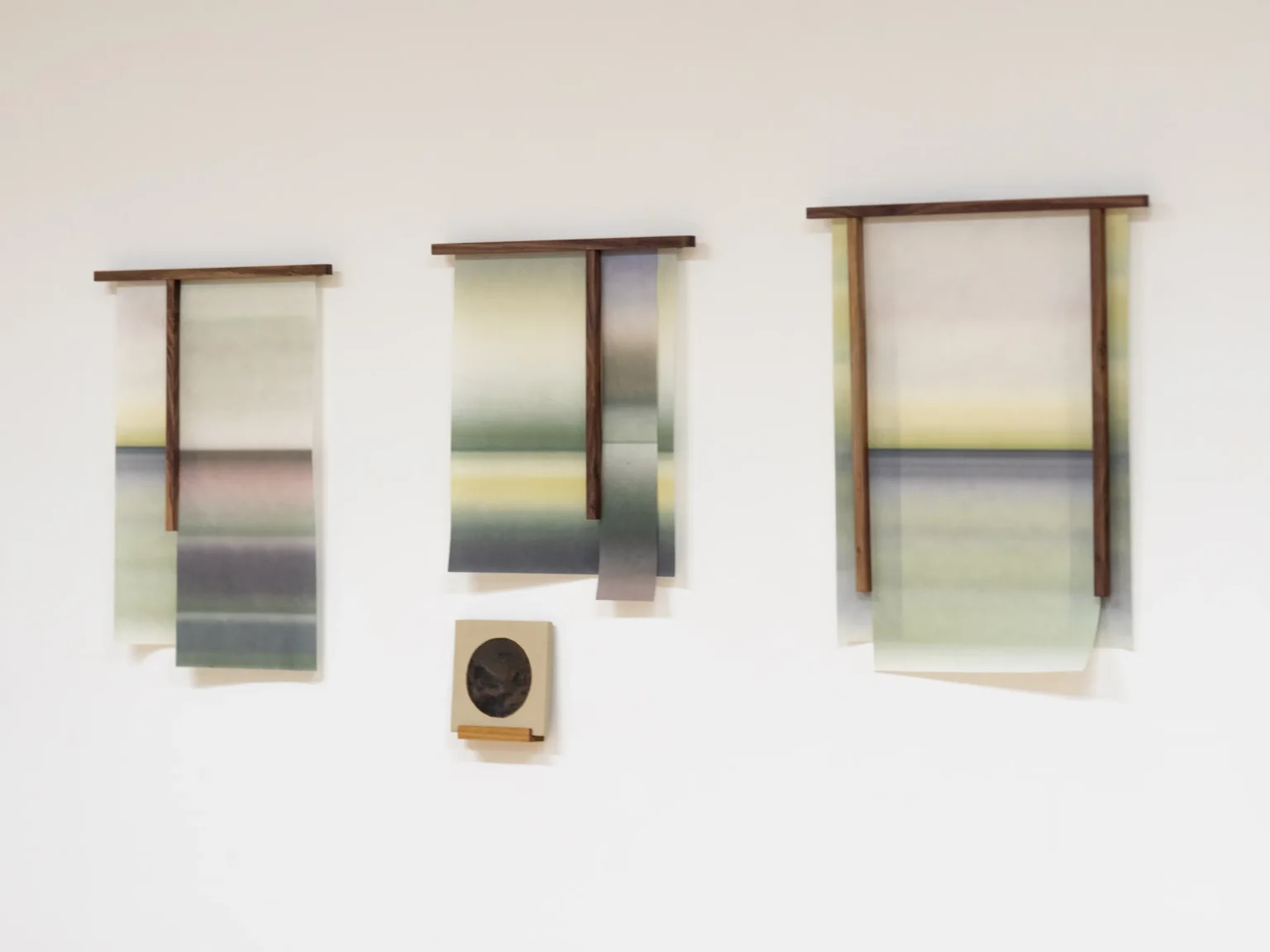
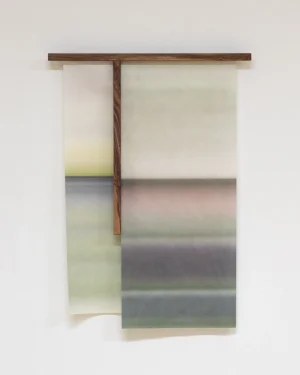
Horizon Allv
By Prangé
€853 -
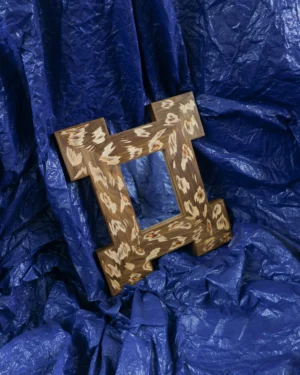
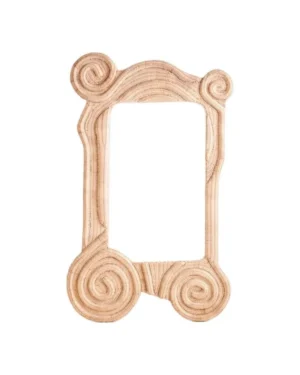
Acid Mirror, Carved Walnut Veneer
By Josh Page Studio
€430 - €610 This product has multiple variants. The options may be chosen on the product page -
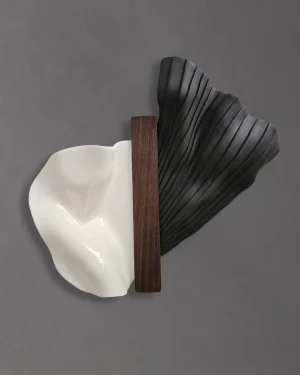
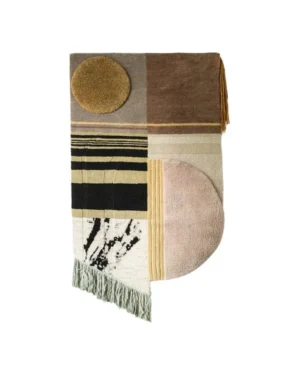
Abundance – Ceramic Wall Sculpture
By Studio Ēeme
€1.135 -
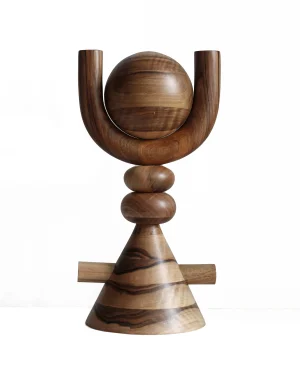
Fire Totem In Walnut
By ZEMNA
€530 -
 In stock
De Vita Ad Vitam: The Mirror As A Philosophical Object
By Yury Goncharov
€9.600 -

Coral Vase II
By Ragna Ragnarsdottir
€700 -

Walnut Mirror B — Ves
By Anna Bera
€659 -
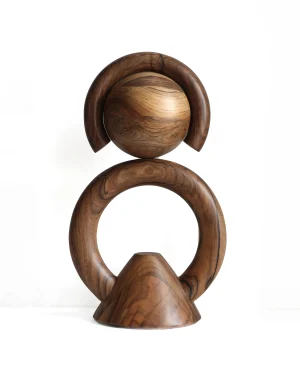
Air Totem In Walnut
By ZEMNA
€530 -
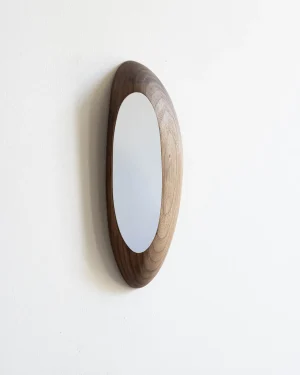
Walnut Mirror A — Ves
By Anna Bera
€659 -
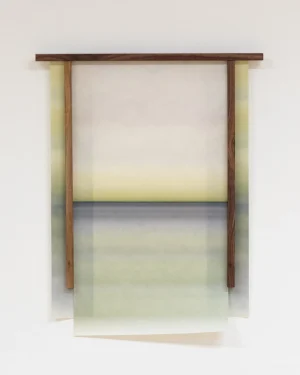 In stock
Horizon – Vslm
By Prangé
€853 -

Bistrò Reflections Floor Mirror
By Toro Manifesto
€6.200 -
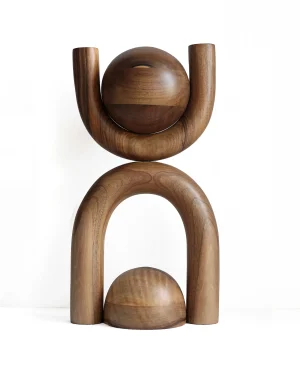
Water Totem In Walnut
By ZEMNA
€530 -

Walnut Mirror E2 — Ves
By Anna Bera
€777 -

Walnut Mirror D — Ves
By Anna Bera
€659 -
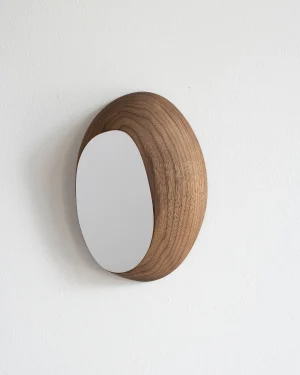
Walnut Mirror F — Ves
By Anna Bera
€659 -
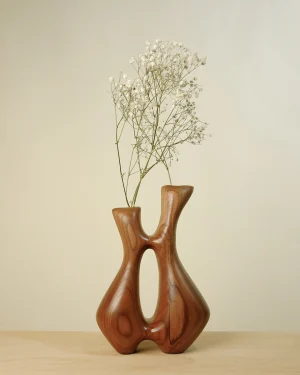
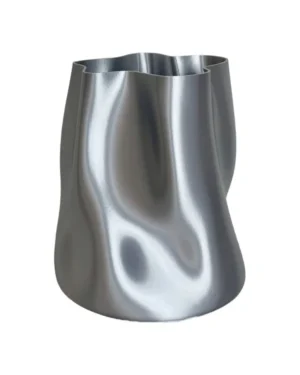
The Peaks Vessel
By CHANDLER MCLELLAN
€325 - €395 This product has multiple variants. The options may be chosen on the product page -
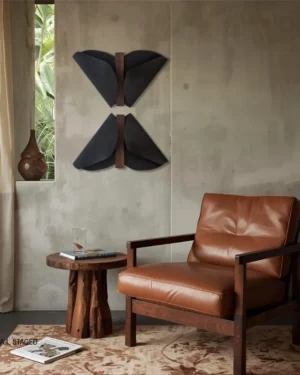
Abundance Wall Sculpture | Duo · Studio Series ·
By Studio Ēeme
€2.950 -

Walnut Mirror F2 — Ves
By Anna Bera
€777 -
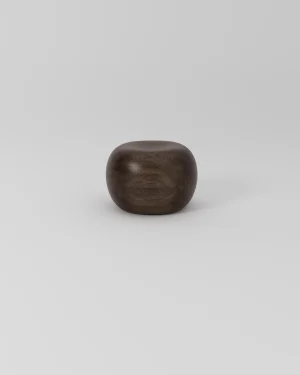 In stock
Dimple – Small Walnut Stool
By Studio TOOJ
€5.900 -
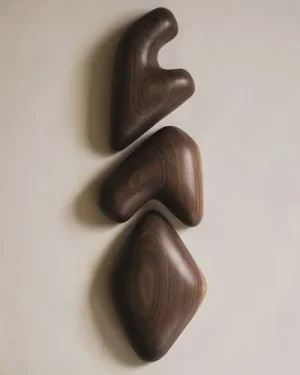
Urbmon 802 – Wall Hanging Sculpture
By CHANDLER MCLELLAN
€6.793 -
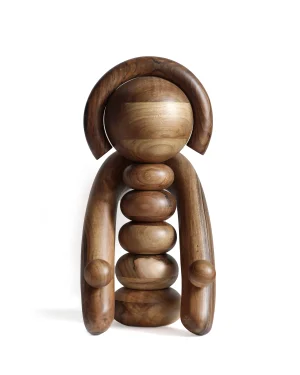
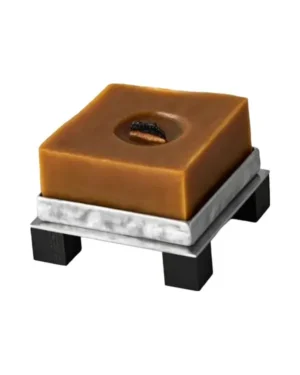
Earth Totem In Walnut
By ZEMNA
€530 -
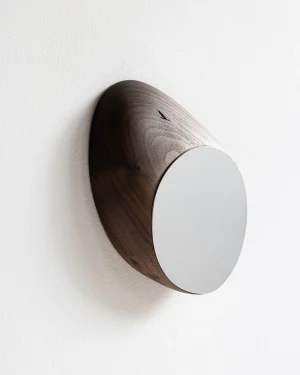
Walnut Mirror E — Ves
By Anna Bera
€706 -
 Sold
SoldCaldera N°3 – Paper Pulp Wall Art
By OggettoForte
€1.200 -

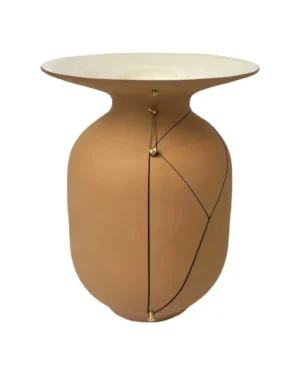
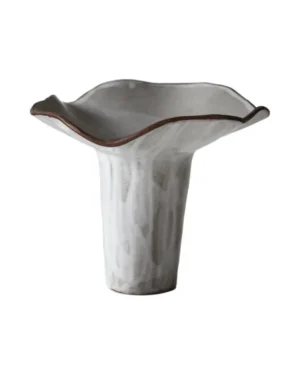
Cava Vase
By Rosana Sousa
€776 - €841 This product has multiple variants. The options may be chosen on the product page -
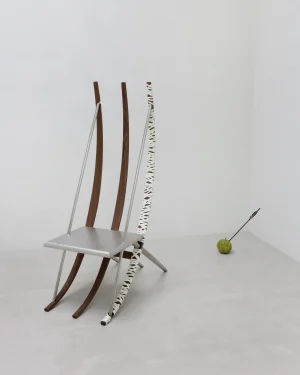
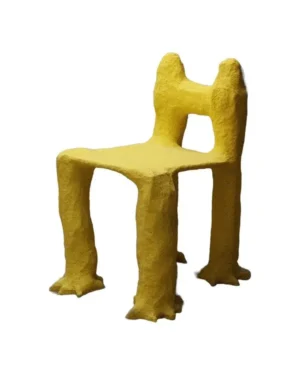
Bow Chair
By Undress House
Price Upon Request -

Jazz Fan
By Szostak Atelier
Price Upon Request This product has multiple variants. The options may be chosen on the product page -
 Sold
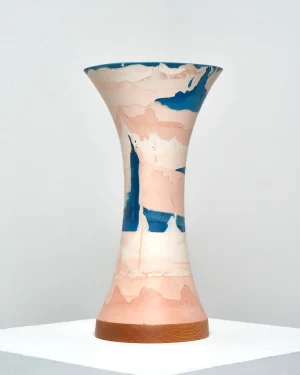
SoldGround Vase Series in Oak and Walnut
By Ragna Ragnarsdottir
€400 This product has multiple variants. The options may be chosen on the product page
Walnut decor brings the warmth of one of the most prized cabinet woods into small, everyday objects: bowls, trays, vases, sculptural forms and tabletop accents shaped by studios who work wood by hand or with cabinetmaking machinery. The material runs from pale sapwood edges to a deep chocolate heartwood, often finished with oil or wax rather than heavy lacquer so the grain stays visible. Pieces range from open editions turned in small batches to unique pieces where no two objects repeat.
What defines walnut in small objects
Walnut is dense, close-grained and resists warping better than softer woods, which makes it a practical choice for objects that get handled daily. Its color sits between oak's pale straw and the near-black of ebonized finishes, reading as neither stark nor rustic. Left unfinished or oiled, it darkens slightly with light exposure over years, a change most owners read as a sign of use rather than wear.
The range of finishes and techniques
Within decor, walnut appears alongside other materials such as stainless steel, mirrorglass and washi paper, often combined with them in a single object. Studios work the wood through carving, veneering or cabinetmaking joinery, sometimes pairing solid walnut with resin casting or metalwork for contrast. Finishes stay largely natural: oiled, waxed or lightly lacquered, rarely painted, since the point of choosing walnut is usually to show the grain.
- Solid-wood objects shaped by carving or turning, grain visible on every surface
- Veneered forms over a lighter substrate, used where weight needs to stay low
- Mixed-material pieces that set walnut against steel, mirror or cast resin
Choosing a piece for scale and placement
Scale matters more with wood than with glass or metal, since a dense material reads heavier even at a small size. A low bowl or tray suits a console or sideboard; a taller vase or sculptural object can anchor a shelf or sit alone on a side table. Match the finish to its neighbors: a matte-oiled surface sits comfortably next to other unlacquered wood, while a higher-sheen piece holds its own against polished steel or mirrorglass. Anyone building out a room in the same material might also look at walnut furniture or walnut accessories to keep the tone consistent from tabletop to case goods.
Where walnut decor sits in a room
Walnut's warmth suits living rooms, studies and dining spaces where wood tones already carry the room, but it works equally well as a counterpoint in an otherwise pale or metal-heavy interior. In styles ranging from mid-century modern to contemporary and boho chic, a walnut object softens hard surfaces without adding pattern or color. Because the wood is neutral in a way that reads as considered rather than plain, it pairs easily with brick red, olive or dark blue accents elsewhere in a room.
Caring for walnut over time
Keep walnut decor away from direct sun and heat sources, which can dry the wood and cause fine cracks. Dust with a soft cloth and reapply a food-safe oil or furniture wax occasionally if the surface starts to look dull, especially on pieces that get handled often, such as bowls or trays. Avoid soaking in water; a damp cloth is enough for most marks, and any spill should be wiped promptly rather than left to sit. For the full range of wood objects and furniture in this species, every walnut piece on ADORNO is gathered in one place.
How do I choose walnut decor for my home?
Look at the grain and tone first, since walnut ranges from warm medium brown to near-black streaks. Match the piece's scale and finish to the room's other wood tones for a cohesive look.
How do you care for walnut decor?
Dust with a soft cloth and keep walnut away from direct sun, which fades its color unevenly over time. An occasional wipe with a dry or barely damp cloth is usually enough; avoid soaking it.
Does walnut decor need oiling or polishing?
Most walnut pieces benefit from an occasional coat of furniture oil or wax to keep the wood from drying out. Frequency depends on the finish, so check with the maker for specific guidance.
What size decor piece suits a shelf or console?
Smaller bowls, trays and sculptural objects suit shelves and consoles, while taller pieces anchor sideboards or floor space. Exact dimensions vary by piece, so the maker can confirm sizing on request.
Which rooms suit walnut decor?
Walnut's warm, dark tone suits living rooms, studies and dining areas, carrying weight next to lighter woods or neutral walls. It also softens minimalist or industrial interiors with its natural grain.
Does ADORNO offer worldwide shipping and returns on walnut decor?
Shipping is insured and worldwide. Returns are accepted within 14 days, except for made-to-order pieces, and each purchase includes a certificate of authenticity.