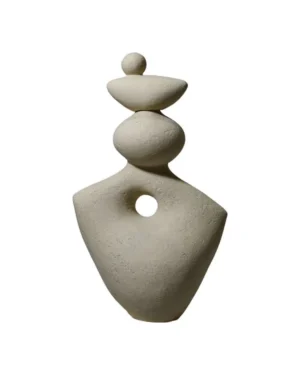
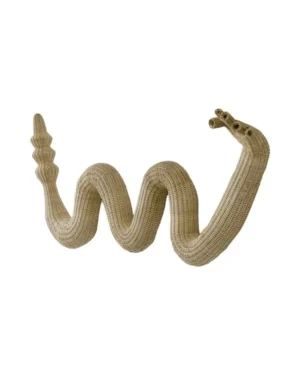
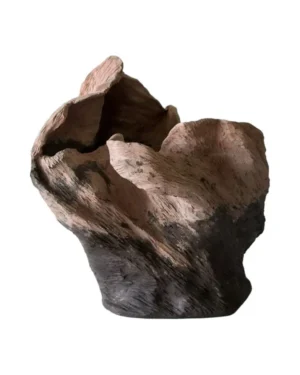
-
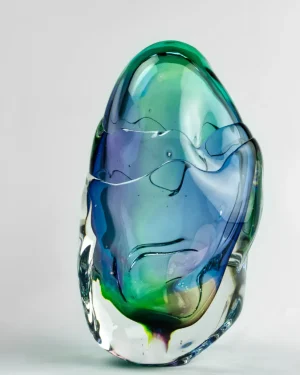
Persona – Glass Sculpture
By MILA ZILA
€2.400 -
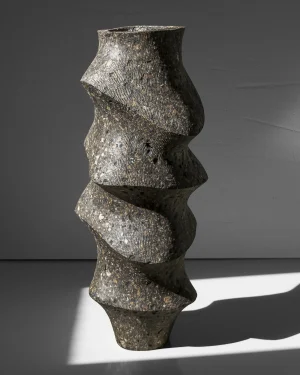
Large Floor Vase, Brutalist Concrete-look Sculpture
By Donatas Žukauskas
€1.450 -
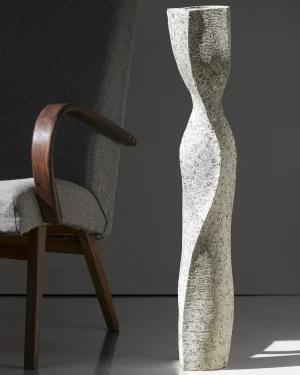
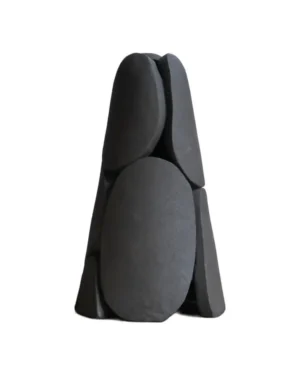
Column Tall Twisted Sculptural Vase, Brutalist Textured Floor Vase
By Donatas Žukauskas
€860 -
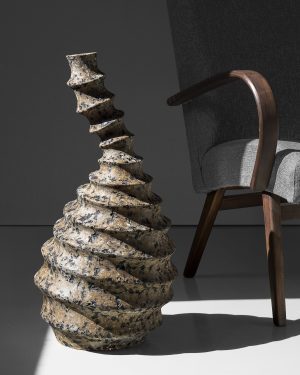
Solid Beige Stone Floor Vase – Erosion Series In Cast Stone By Donatas Zukauskas
By Donatas Žukauskas
€1.450 -
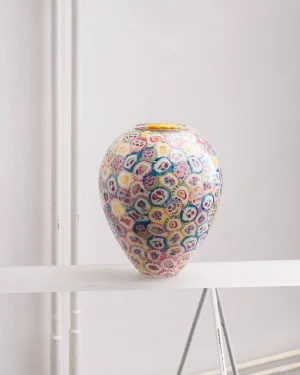
Lollipop Vase – Murano Glass
By Anna Jožová
€1.653 -
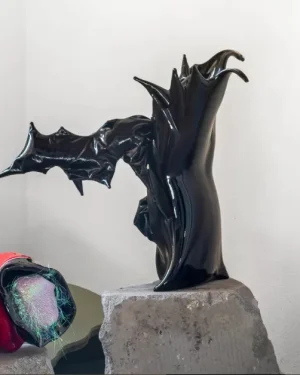 In stock
Cindy Ii – Collectible Object
By Frantisek Jungvirt
€13.900 -
 In stock
Skull – Collectible Object
By Frantisek Jungvirt
€10.200 -
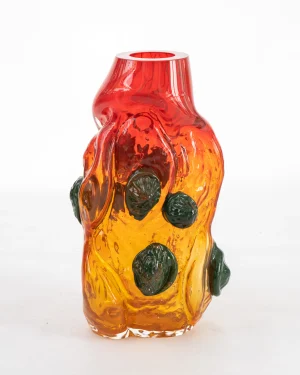 In stock
Dysplasio – Spring-Red Sculptural Glass Vase
By Anna Jožová
€1.900 -
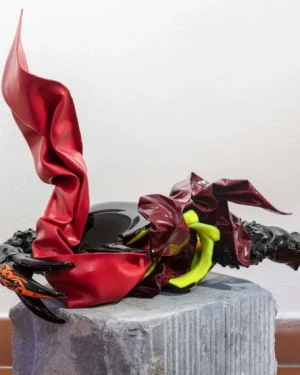 In stock
Kate – Collectible Object
By Frantisek Jungvirt
€13.900 -
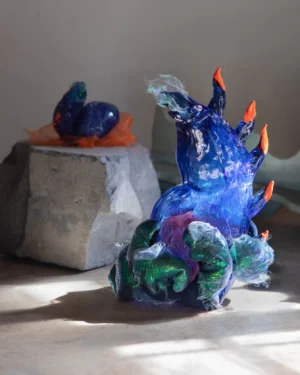 In stock
Naomi – Collectible Object
By Frantisek Jungvirt
€13.900 -
 In stock
Vampire – Collectible Object
By Frantisek Jungvirt
€10.200 -
 Sold
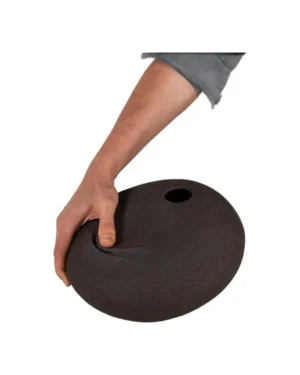
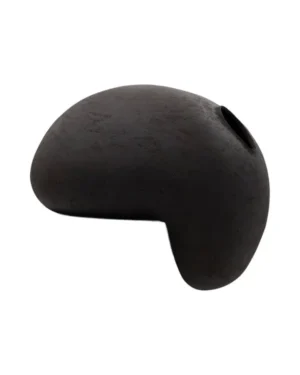
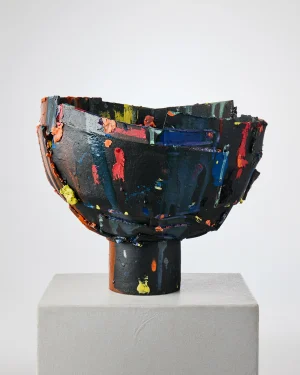
Hoop Vase – Black Clay Stoneware
By C E R A M I C 4 7
€1.200 -
 Sold
105 Ltr Forms – Beryl Green Handmade Glass Object
By Vogel Studio
€1.180 -
 Sold
105 Ltr Forms – Fuchsia Handmade Glass Object
By Vogel Studio
€1.470 -
 Sold
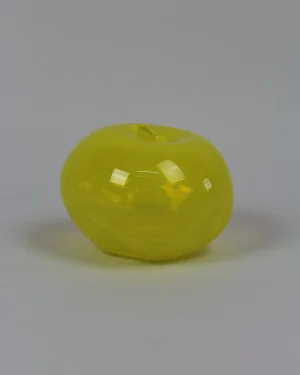
1/2 Ltr Forms – Lemon Yellow Handmade Glass Object
By Vogel Studio
€100
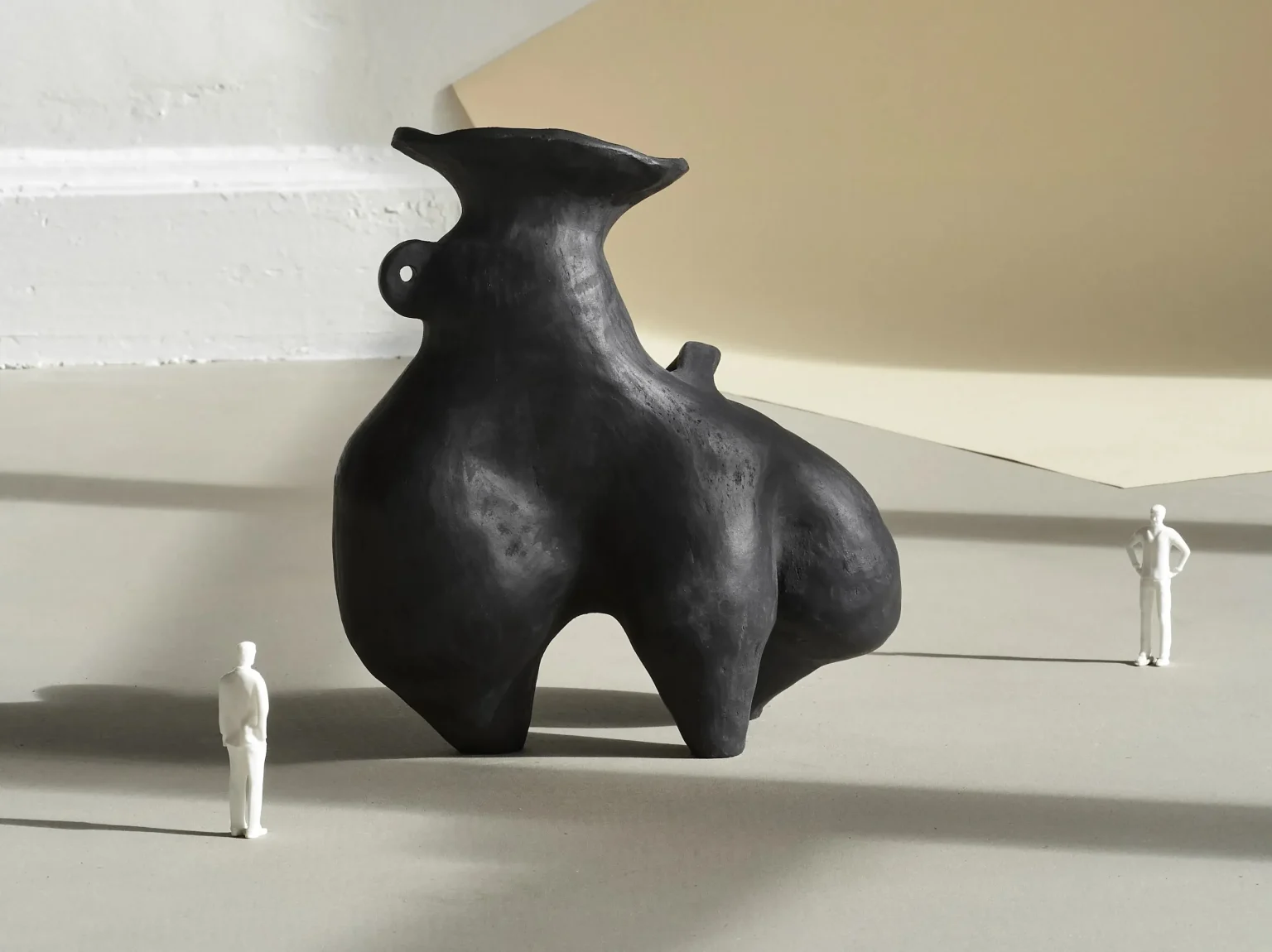
Maximalism sculptures gather pattern, color and texture into a single object, built from materials as varied as blown glass, paper pulp, cardboard, concrete, black stoneware and clay. Independent studios working in this style favor hand-building, glassblowing, weaving, glass cold working, textilework, biofabrication, concrete casting and glazing, often layering more than one technique in a single form. The result sits apart from quieter sculpture: it is meant to be seen first, read second.
What defines a maximalism sculpture
Where a minimalist piece subtracts, maximalism piles on: multiple colors in one object, surfaces that mix matte and gloss, forms that combine straight and organic lines. A single sculpture might move from cherry red to lemon yellow to black and brown across its surface, or stack orange against beige in bands and blocks. The style tolerates, even calls for, the kind of visual density other sculptural traditions would edit out.
This makes the material as much a character as the form. Glass, worked through blowing or cold working, holds saturated color and throws light differently depending on the hour. Clay and black stoneware, hand-built and glazed, carry matte depth and visible seams. Paper pulp, cardboard and concrete behave as sculptural material in their own right here, cast or built up rather than hidden under paint.
Materials, finishes and editions found on ADORNO
Across the pieces gathered as maximalism sculptures, the materials vary widely: glass worked hot or cold, woven or stitched textile, paper pulp and cardboard built into solid forms, concrete cast into geometric or figurative shapes, and clay or black stoneware hand-built and glazed. Finishes run from high-gloss blown glass to raw, unglazed stoneware, from smooth concrete to the visible grain of woven textile.
Some pieces come as unique, one-off objects where no two surfaces repeat exactly; others are produced as open editions, repeatable in form but still finished by hand enough that small variations remain. Either way, each sculpture is made by a working studio rather than mass-produced, and the maker's hand stays visible in the asymmetry, the brushwork or the seam lines.
How to choose a maximalism sculpture
Scale matters more here than in quieter styles, because a maximalist piece is built to hold a room's attention rather than recede into it. Measure the surface or floor space it will occupy and leave enough clearance around it that the pattern and color can read without competing with neighboring objects.
Consider finish against the light in the room: glossy blown glass catches and multiplies daylight, while matte stoneware or concrete absorbs it and reads more solid under artificial light. Color should be chosen in relation to what already surrounds it; a black and multicolor sculpture can anchor a room of neutral furniture, while a quieter black piece might sit better where the walls or textiles already carry pattern.
Where these sculptures work
Maximalism sculptures suit rooms built around layering rather than restraint: a living room with patterned upholstery, an entryway meant to announce the apartment's character, a dining room where the table setting changes but the centerpiece stays. They read equally well on a console, a low plinth or directly on the floor, depending on scale.
For a fuller sense of how the style extends into furniture and lighting, the range sits alongside maximalism decor more broadly, as well as other sculptural approaches within the wider sculpture category.
Care, by material
- Glass: dust with a soft cloth; avoid sudden temperature changes near heat sources or cold windows.
- Clay and black stoneware: wipe with a dry or barely damp cloth; unglazed surfaces can absorb oil and staining liquids.
- Concrete: seal if placed where liquids might spill; expect the surface to develop a slight patina over time.
- Paper pulp, cardboard and textile: keep away from direct sun and damp rooms, which weaken fiber-based material over years.
Those drawn to one-off surfaces rather than repeatable editions can look through the unique sculptures, while a more restrained palette sits within the black sculptures, and those drawn specifically to fired clay forms can see the range of ceramic sculptures.
How do I choose a maximalism sculpture?
Look for strong color, mixed materials, or busy surface texture, since maximalism favors density over restraint. Pick a form that can hold its own against patterned walls, layered textiles, or other collected objects nearby.
What materials are maximalism sculptures usually made from?
Glass, stoneware, clay, concrete, textile, and paper pulp all appear, often combined within a single piece. Glazing, hand-building, and glassblowing are common techniques, each adding visible texture or sheen to the surface.
How do I care for a maximalism sculpture?
Dust glazed ceramic and glass with a soft cloth and keep away from direct sun if colors are dyed or painted. Concrete and paper pulp pieces should stay dry and out of damp rooms to avoid staining or softening.
What size sculpture works best, and where should it sit?
Scale depends on the surface, a console or plinth suits larger forms, a shelf or side table suits smaller ones. Maximalist pieces read best with some breathing room, even in a busy setting, so the form stays legible.
Which rooms suit a maximalism sculpture?
Living rooms, entryways, and dining spaces work well, anywhere layered color and pattern already set the tone. A bold sculpture can anchor a gallery wall or hold its own on an otherwise plain surface.
How does shipping, returns, and authenticity work on ADORNO?
Shipping is insured and worldwide. Returns are accepted within 14 days, except made-to-order pieces, and every piece comes with a certificate of authenticity, backed by a lowest-price guarantee.