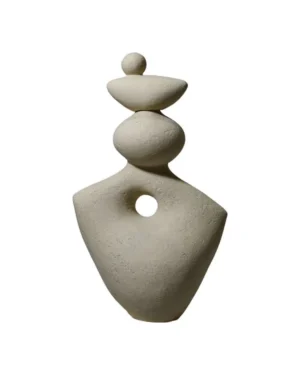
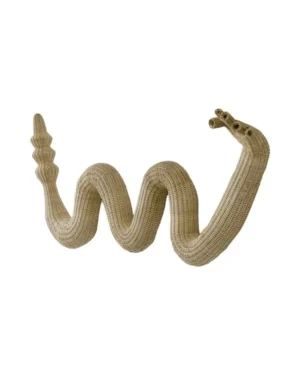
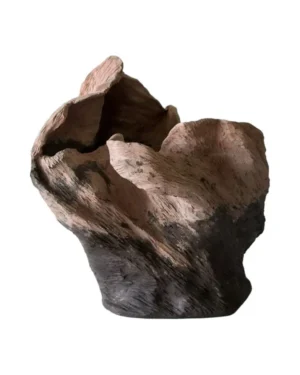
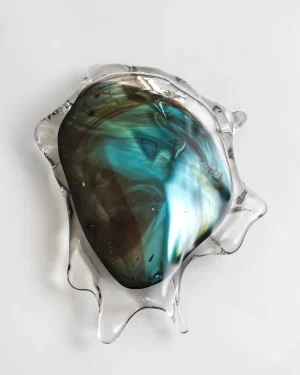
-
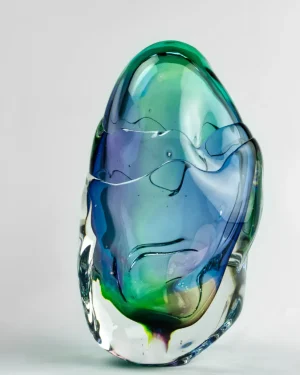
Persona – Glass Sculpture
By MILA ZILA
€2.400 -
 In stock
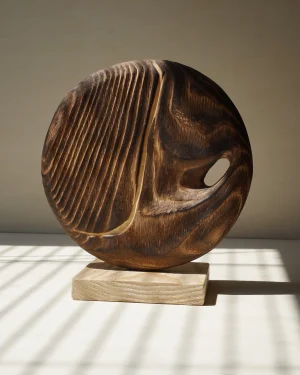
Concentric Flows / Wood Sculpture No.2
By SOLATERRE
€564 -
 In stock
Persona Mirror Sculpture – Multicolour
By MILA ZILA
€2.100 -
 In stock
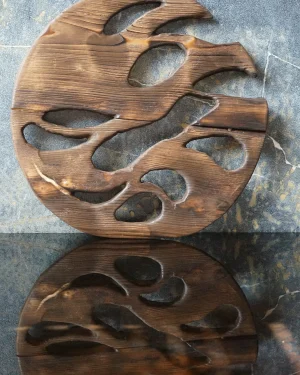
Portal / Wood No.7 Sculpture
By SOLATERRE
€604 -
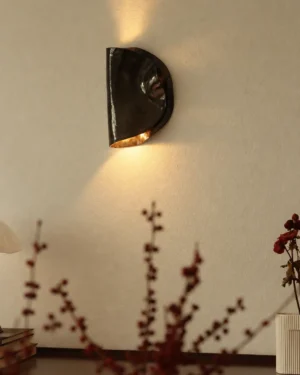
Lamp Shade – Fado
By Joana Vilaça Studio
€790 -

Pecan – Wood / Steel Sculptural Shelf
By SALAK Studio
€3.000 -
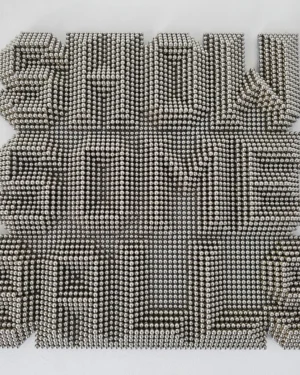 In stock
“showsomeballs” Wall Mounted Heavy Metal Sculpture.
By JAN PAUL
€3.578 -
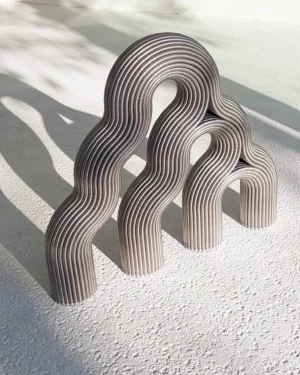 In stock
“flux” Sculpture
By JAN PAUL
€4.975 -
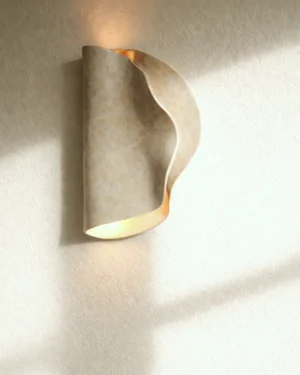
Lamp Shade – Fado
By Joana Vilaça Studio
€790 -
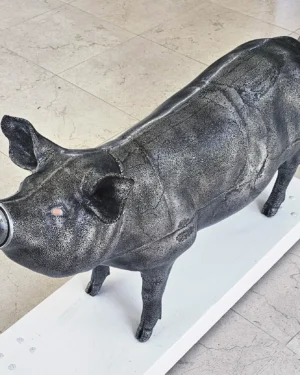 In stock
“greedy Pig” Life Sized Fully Functioning Heavy Metal Freestanding Safe
By JAN PAUL
€10.500 -
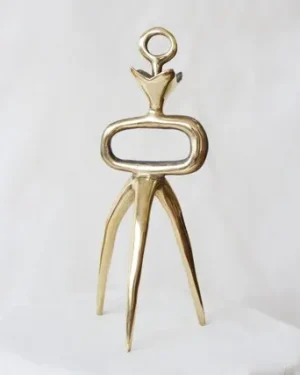 Sold
Artefacto Bronce Ls 01 – Lost-wax Casted Bronze Sculpture
By LØRDAG & SØNDAG
€1.355
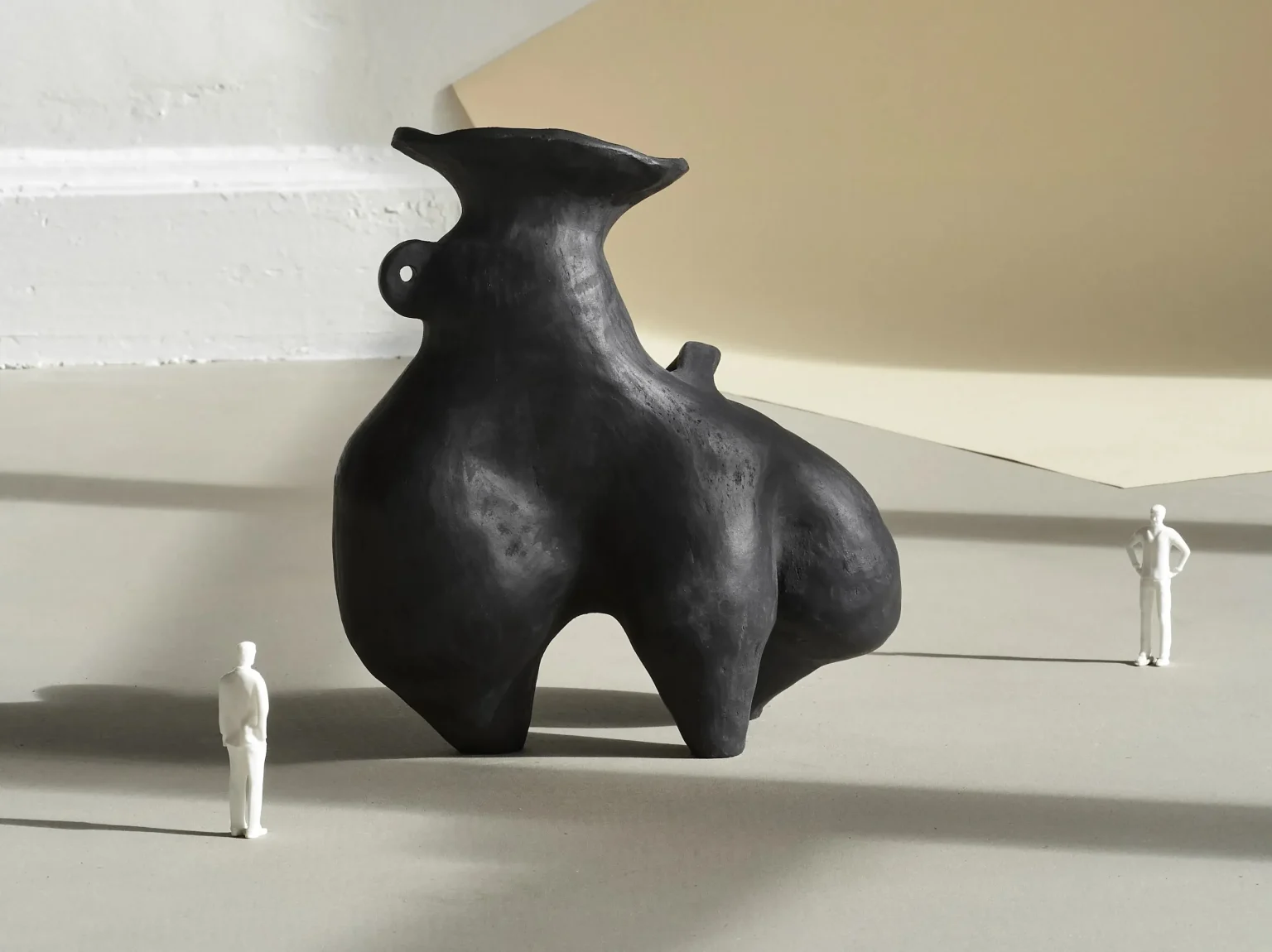
Home office sculptures give a desk or shelf a point of focus that has nothing to do with productivity. They come from independent studios working in ceramic, cast or welded metal, blown glass and carved wood, each piece built to hold its own against a laptop, a stack of papers or a bare wall. What they share is scale: small enough for a surface, substantial enough to be noticed.
What Defines a Home Office Sculpture
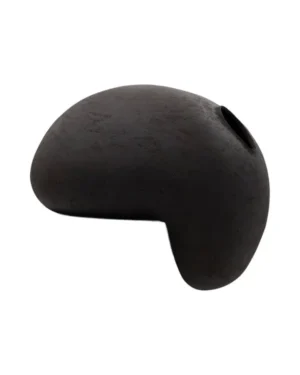
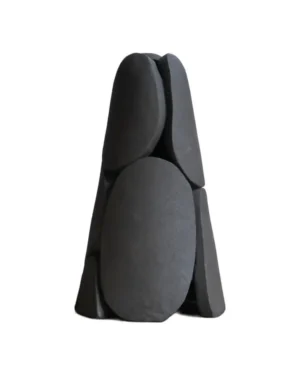
A sculpture meant for a workspace is judged by presence, not by the function it performs. Studios making these pieces lean on form, mass and surface rather than on a story told through decoration. A cast steel block, a hand-built ceramic vessel or a carved pine totem all work the same way: they anchor a shelf or a corner of a desk and give the eye somewhere to rest between tasks.
Because a home office is a working room, the sculptures chosen for it tend toward restraint. Minimalist and neo-industrial pieces sit comfortably next to a monitor; conceptual and surrealist forms do more of the talking and suit a room with fewer other objects competing for attention. Across the range on ADORNO's sculpture collection, the common thread is a maker working from one clear idea, executed in a single material.
Materials, Finishes and Ways of Making
Ceramic pieces are hand-built or glazed, carrying the slight asymmetry that comes from a wheel or a mold worked by hand. Metal sculptures, in stainless or polished steel, are cast or welded, their surfaces ranging from a raw, brutalist finish to a mirrored gloss that catches light differently through the day. Glass is blown into solid or hollow forms that read as heavier than they are, while pine wood is carved or joined using standard cabinetmaking methods, left pale or darkened with a stain.
Color follows the material more than a trend: silver and polished steel for metalwork, black and gray for cast or patinated surfaces, cream and beige for stoneware and ceramic, gold or glossy finishes where a studio wants a piece to read as an object first. Editions vary too. Some sculptures are produced in open runs, others in limited editions, and some are one-offs that will not be repeated once sold. Anyone drawn to that last category can look specifically at unique sculptures, where each listing is a single, unrepeated piece.
Choosing the Right Scale and Placement
Scale matters more on a desk than almost anywhere else in a home, because the surface is small and already carries other objects. A piece under a foot tall reads well next to a monitor or stack of books; anything larger needs a shelf, console or windowsill of its own rather than shared desk space.
- Measure the surface it will sit on, not just the piece, so it has room to be seen from the chair where you will spend the most time looking at it.
- Match finish to light: polished metal and glass pick up reflections from a window or lamp, while matte ceramic and carved wood stay steady under any light.
- Place heavier cast or stone-like forms low, on a shelf or the floor beside a desk, and keep lighter glass or ceramic pieces at eye level.
For the wider set of objects built for this kind of room, home office decor and the full range of home office pieces on ADORNO cover the lamps, trays and storage that sit alongside a sculpture rather than compete with it.
Caring for the Material
Ceramic and stoneware sculptures should be dusted with a dry or barely damp cloth; standing water or abrasive cleaners will dull a glaze over time. Metal surfaces, particularly polished steel, show fingerprints readily and benefit from a soft cloth wipe rather than household sprays. Carved wood pieces do best away from direct heat or sun, which dry and crack an unfinished surface faster than regular handling ever will. Those drawn specifically to fired clay forms can start with ceramic sculptures, where glazing and hand-building techniques are easiest to compare side by side.
How do I choose a sculpture for a home office?
Pick a form that holds its own at desk height without crowding paperwork or screens. Dense materials like ceramic or cast metal anchor a shelf, while lighter glass or acrylic pieces suit a desk corner.
What materials are home office sculptures made from?
Common choices include ceramic, metal, stainless steel, pine wood, glass, epoxy and acrylic. Each material carries weight and light differently, from the matte pull of glazed ceramic to the reflections of polished steel.
How do I care for a desk or shelf sculpture?
Dust ceramic, glass and acrylic with a dry or barely damp cloth, and keep metal pieces away from moisture to prevent tarnishing. Avoid direct sun on epoxy and acrylic, which can yellow over time.
What size sculpture works on a desk or shelf?
Smaller pieces, roughly the height of a desk lamp or books stacked upright, sit well within arm's reach without competing with work surfaces. Taller or heavier forms suit a floor spot or low cabinet nearby.
Can a sculpture work in other rooms besides a home office?
Yes, the same pieces often move easily between a study, living room shelf or entryway console. Their scale and material matter more than the room they were first placed in.
What is ADORNO's shipping and return policy?
Shipping is insured and worldwide. Returns are accepted within 14 days, though made-to-order pieces are excluded, and every piece arrives with a certificate of authenticity.