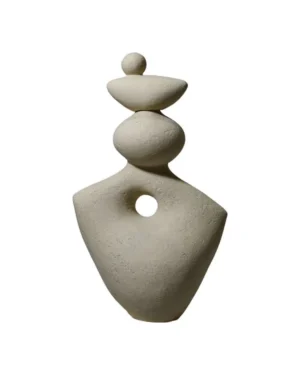
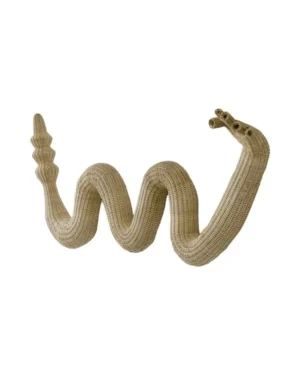
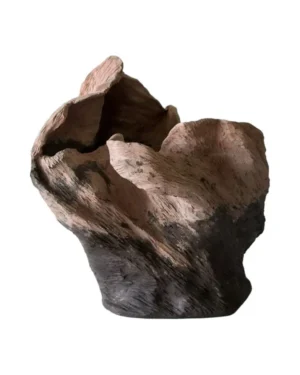
-
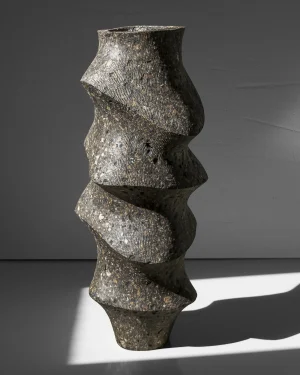
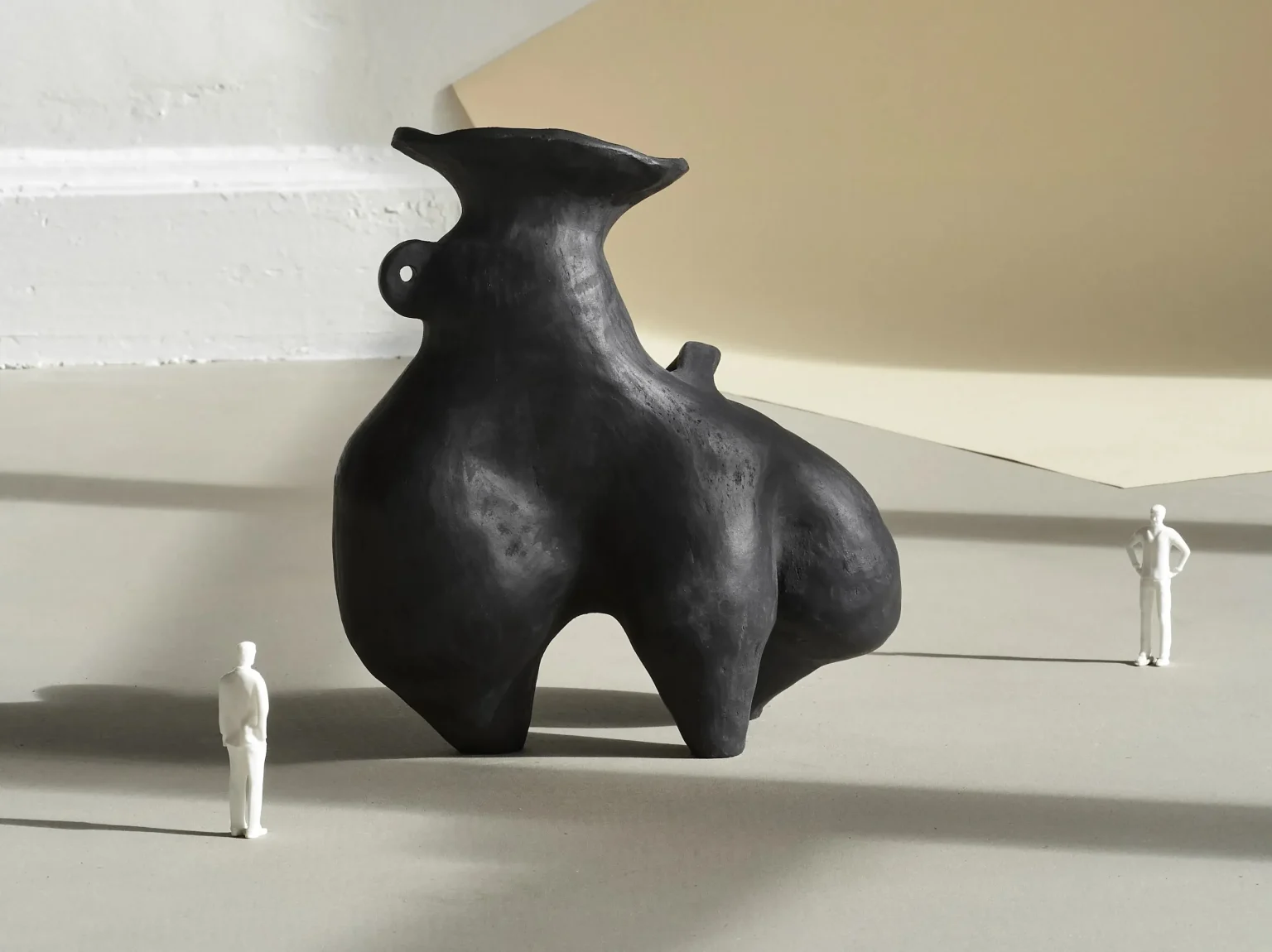
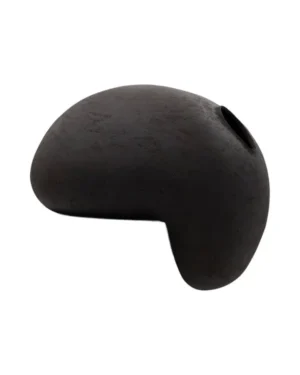
Large Floor Vase, Brutalist Concrete-look Sculpture
By Donatas Žukauskas
€1.450 -
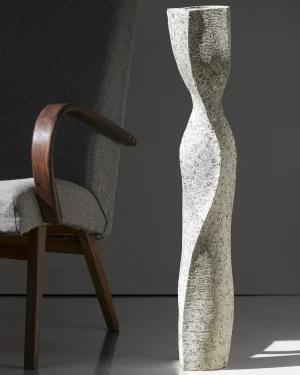
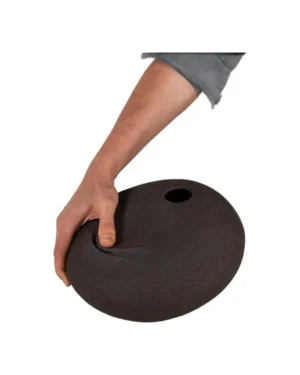
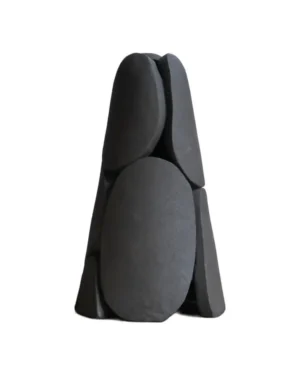
Column Tall Twisted Sculptural Vase, Brutalist Textured Floor Vase
By Donatas Žukauskas
€860 -
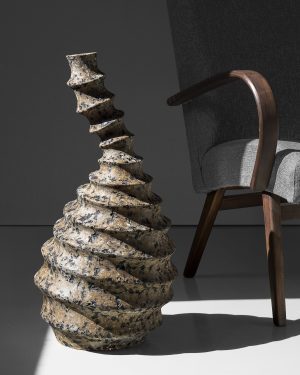
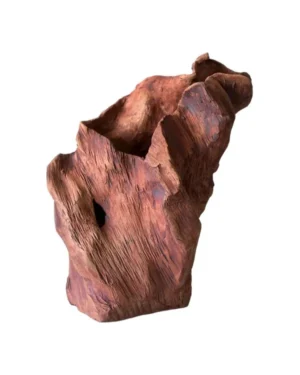
Solid Beige Stone Floor Vase – Erosion Series In Cast Stone By Donatas Zukauskas
By Donatas Žukauskas
€1.450 -
 In stock
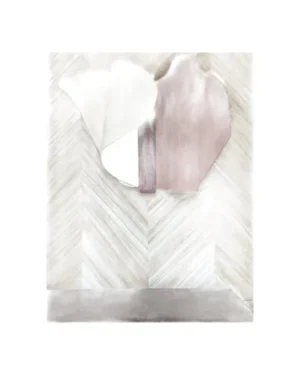
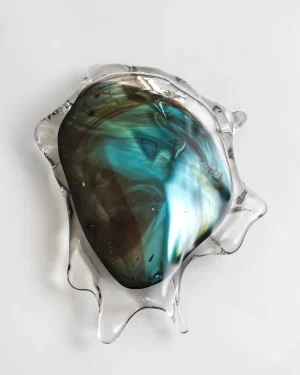
Persona Mirror Sculpture – Multicolour
By MILA ZILA
€2.100 -
 In stock
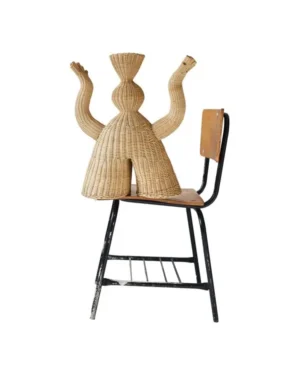
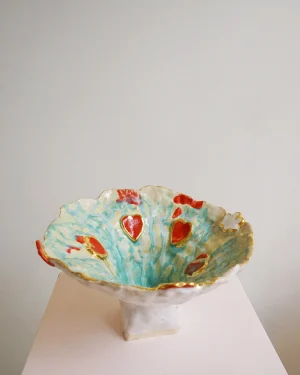
Olé Series- Plates Edition
By Hania Jneid Design Studio
€650 -
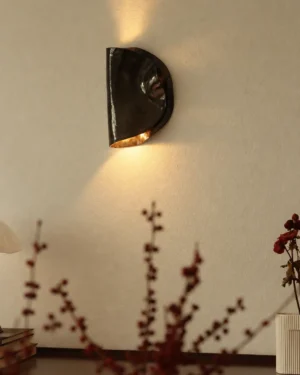
Lamp Shade – Fado
By Joana Vilaça Studio
€790 -
 In stock
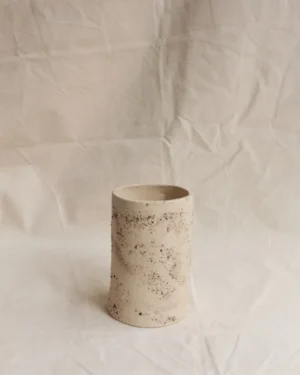
Cylinder Vessel 02
By Valentine Benoist Ceramics
€1.180 -
 In stock
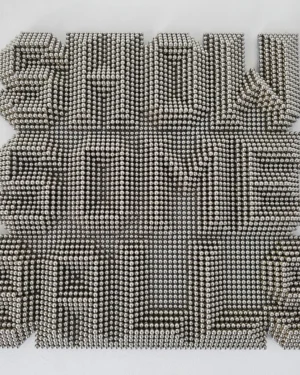
“showsomeballs” Wall Mounted Heavy Metal Sculpture.
By JAN PAUL
€3.578 -
 In stock
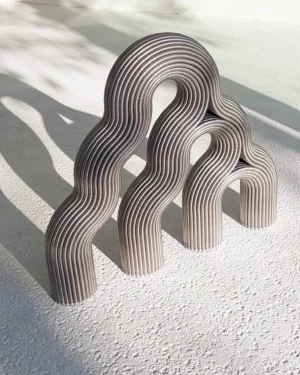
“flux” Sculpture
By JAN PAUL
€4.975 -
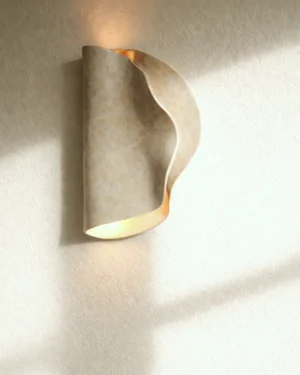
Lamp Shade – Fado
By Joana Vilaça Studio
€790 -
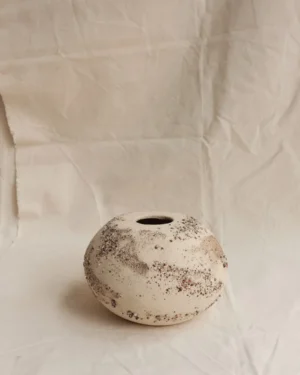 In stock
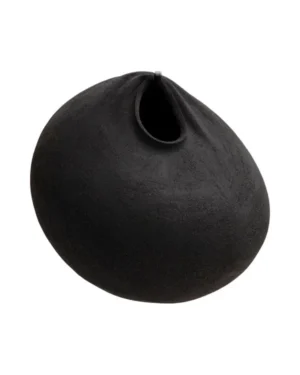
Globe Vessel 01
By Valentine Benoist Ceramics
€1.250 -
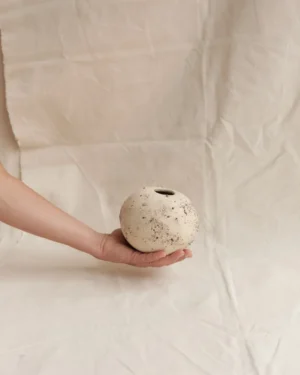 In stock
Globe Vessel 02
By Valentine Benoist Ceramics
€980 -
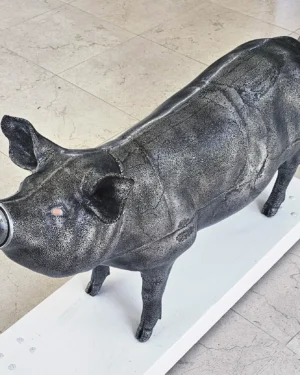 In stock
“greedy Pig” Life Sized Fully Functioning Heavy Metal Freestanding Safe
By JAN PAUL
€10.500 -
 In stock
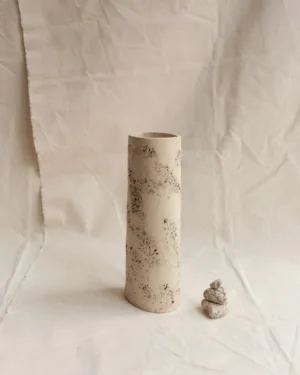
Cylinder Vessel 01
By Valentine Benoist Ceramics
€1.300 -
 Sold
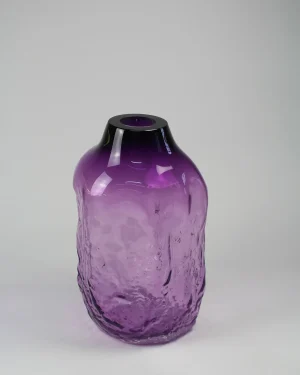
Sand Series – Hyacinth Handmade Glass Object
By Vogel Studio
€1.150
Dining room sculptures hold a table the way a centerpiece should: without asking for a function. Independent studios working in ceramic, stoneware, cast glass, and metal shape these pieces by hand-building, glazing, metal casting, or resin casting, each method leaving a surface and a weight particular to it. What defines them is presence at close range, since a dining table is read from a seated height and inspected far more than a shelf ever is.
What defines dining room sculptures
Most pieces here start from clay or stone. Stoneware and white stoneware fire to a dense, slightly coarse body that takes a glaze unevenly on purpose, so a glossy passage sits next to a matte one on the same form. Granite and other natural stone forms stay heavier and cooler, carved or cast rather than thrown, and carry a mineral bluntness that ceramic cannot fake.
Metal sculpture, usually stainless steel, arrives by welding or metal casting and reads differently again: silver, gold, or black finishes catch light instead of absorbing it. Within any material, the same split in editions appears. Some pieces come from open runs repeated to a steady specification, others from limited editions capped at a small number, and some are unique, made once and not again.
Color, glaze, and finish
Glaze is where most of the character sits. Clear and transparent glazes let the body of the stoneware show through, often leaving flecks or warm beige tones at the base. Matte glazes read as quiet and close to raw clay, while glossy ones throw reflections across a table the way glass or polished stone does. Black remains the steadiest choice for a dining sculpture, since it holds its own against wood, linen, and silver without competing with food or flowers on the same surface.
Style, from wabi-sabi to brutalist
Style here is less about ornament than about how finished a surface looks. Wabi-sabi pieces keep visible seams, pitting, or asymmetry, treating imperfection as the point rather than a flaw to correct. Brutalist and neo-industrial forms lean on raw concrete casting or unpolished metal, blunt volumes that look better a little worn. Minimalist work reduces to a single gesture, a cone, a sphere, a slab, where conceptual and maximalist pieces build in several forms, materials, or color shifts at once. Eclectic sculptures sit between all of these, borrowing a glaze from one tradition and a silhouette from another.
Choosing scale, height, and placement
Scale matters more at a table than anywhere else in a room, since the piece has to share sightlines with guests across the table. A good rule: keep a centerpiece low enough that seated diners can see past it, or tall and narrow enough that it reads as a single vertical note rather than an obstruction.
- For a long table, a low, horizontal form or a pair of smaller sculptures often reads better than one tall centerpiece.
- Matte and stoneware finishes suit everyday use, since they show less smudging than glossy or polished surfaces.
- Dark or metal finishes ground a table set with pale linens or light wood; pale ceramic does the opposite on a dark table.
Beyond the table itself, the same pieces work on a sideboard, console, or shelf within the dining room, and pair naturally with other dining room accessories and dining room furniture chosen for the same space.
Caring for ceramic, stone, and metal pieces
Unglazed stoneware and natural stone are porous and will stain from wine, oil, or standing water, so wipe spills promptly and avoid using them as actual serving surfaces. Glazed ceramic cleans easily with a damp cloth and holds color for years out of direct sun. Metal sculpture in stainless steel needs only occasional polishing to keep its finish; cast or patinated pieces should be dusted rather than scrubbed, since aggressive cleaning can strip a deliberately aged surface.
For the full range of forms and materials beyond the dining room, the sculpture category and the broader decor holdings cover vessels, totems, and figurative work in the same techniques. Within this room specifically, every dining room piece on ADORNO gathers chairs, tables, and lighting designed to sit alongside sculptural centerpieces, while the dining room sculptures themselves remain the anchor: the one object at the table that asks to be looked at rather than used.
How do I choose a sculpture for a dining room?
Consider the table first: a low, grounded form holds its own at the center, while a taller piece reads best on a sideboard or console at the edge of the room.
What materials are dining room sculptures usually made from?
Ceramic, stoneware, and natural stone are common, often glazed or left matte, alongside cast metal and glass forms with weight and presence.
How do I care for a ceramic or stone sculpture?
Dust with a dry or slightly damp cloth, keep unsealed stone away from oil and acidic spills, and avoid direct, prolonged sunlight on glazed surfaces.
What size sculpture suits a dining table or sideboard?
A tabletop piece should sit below eye level when seated, while floor or console pieces can stand taller since they are viewed from a distance.
Are these sculptures one-off pieces or limited editions?
Dining room sculptures appear as open editions, limited runs, and unique pieces, depending on the designer's way of working.
How does shipping, returns, and authenticity work on ADORNO?
Shipping is insured and worldwide, returns are accepted within 14 days except on made-to-order pieces, and every piece arrives with a certificate of authenticity.