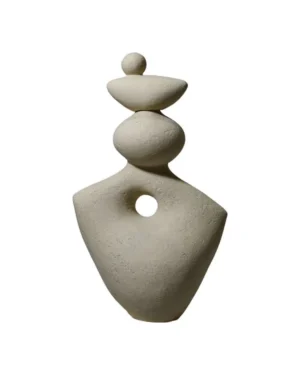
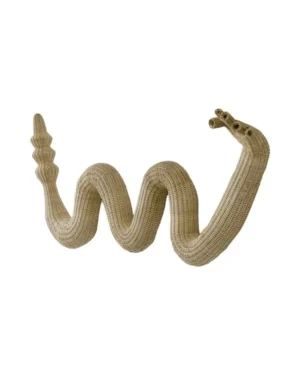
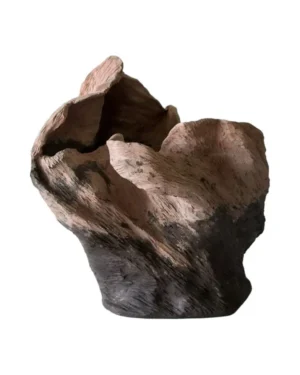
-
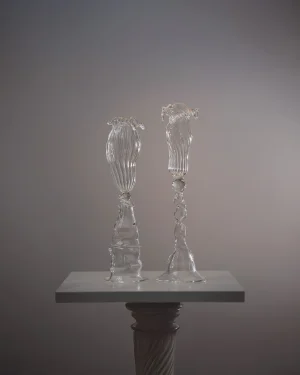
Cariño – Glass Sculptures
By PIA GLASSWORKS
€400 -
 In stock
Glass Flower Organic Bouquet
By PIA GLASSWORKS
€1.000 -
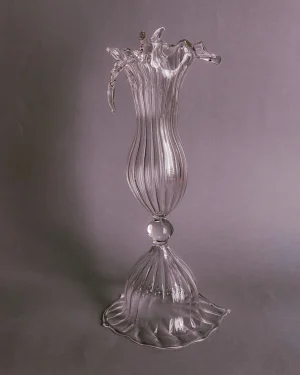
Reflection Glass Sculpture
By PIA GLASSWORKS
€289 -
 In stock
Glass Flowers Organic Sculpture
By PIA GLASSWORKS
€900 -
 In stock
Glass Flower Organic Sculpture
By PIA GLASSWORKS
€500 -
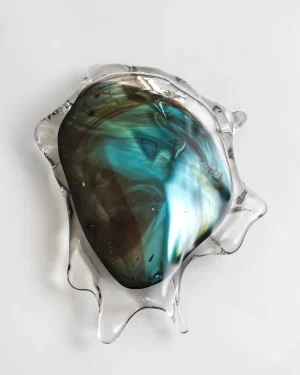 In stock
Persona Mirror Sculpture – Multicolour
By MILA ZILA
€2.100 -
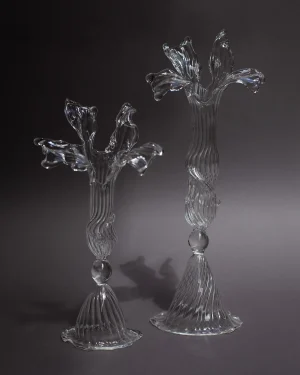 In stock
Wildflower Glass Sculpture
By PIA GLASSWORKS
€280 - €350 This product has multiple variants. The options may be chosen on the product page -
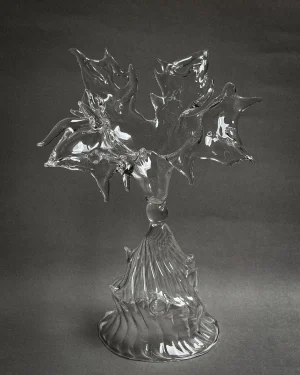 In stock
Romance Glass Sculpture
By PIA GLASSWORKS
€550 -
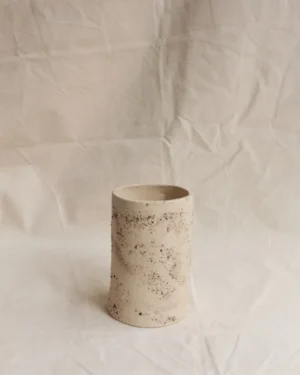 In stock
Cylinder Vessel 02
By Valentine Benoist Ceramics
€1.180 -
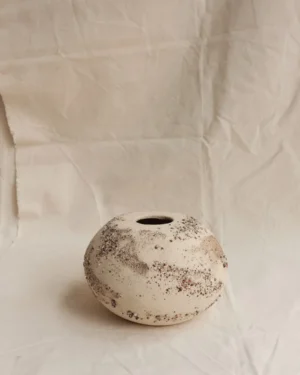 In stock
Globe Vessel 01
By Valentine Benoist Ceramics
€1.250 -
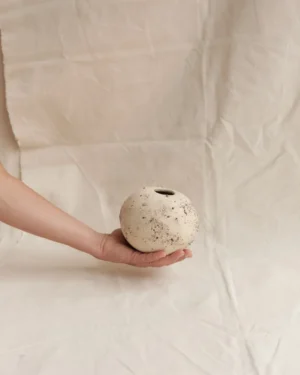 In stock
Globe Vessel 02
By Valentine Benoist Ceramics
€980 -
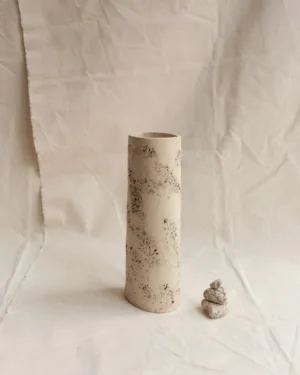 In stock
Cylinder Vessel 01
By Valentine Benoist Ceramics
€1.300
Clear sculptures are objects that work through light rather than color, pieces where glass or polished stone lets a room's light pass through, bend, or pool rather than absorb it. Most come from studios working in borosilicate glass or hand-blown glass, with granite, natural stone, glazed stoneware, and white stoneware appearing where a maker wants mass and shadow against transparency. What they share is restraint: form stands on its own, with no color to carry the argument.
What defines a clear sculpture
Glass behaves differently from pigmented material. It catches daylight at one hour and goes flat and gray at another, so the same clear sculpture reads as a different object across a day. Borosilicate glass, often shaped through glassblowing or lampworking, tends toward thin walls and sharp internal lines, since it can be worked at high heat without the risk of cracking that ordinary glass carries. Granite and other natural stone move the opposite way: dense, cool to the touch, and reliant on polish rather than translucency for their shine.
The range on ADORNO
Clear sculptures appear across several ways of making, and the range shifts as studios add new work. Expect to find:
- Blown and lampworked glass forms, from single-gesture shapes to layered, internally patterned pieces
- Cast and ground glass blocks that read as solid, almost crystalline, objects
- Stoneware and ceramic bases paired with clear glazes, bridging opacity and transparency in one piece
- Granite and natural stone forms finished to a glossy or matte surface
- Open editions, made to a repeatable design rather than as one-offs, which keeps clear glass work more available than carved stone or hand-built ceramic
Studios drawing on ceramic traditions often sit alongside glass specialists here; anyone drawn to the clay side of this range can look at ceramic sculptures or stoneware sculptures directly.
How to choose a clear sculpture
Scale matters more with clear material than with solid color, since a small glass form can disappear against a busy background while a stone piece of the same size still reads as an anchor. Place glass where it gets side light, a window reveal or a lamp close by, so its internal lines and bubbles stay visible after dark. Stone and stoneware pieces do the opposite work: they hold a surface down and read best on their own, without competing textures nearby.
Where clear sculptures work best
Glass forms suit console tables, shelving, and dining surfaces where light already moves through the room during the day. Stone and glazed stoneware sit comfortably on low furniture or the floor, in entryways or living rooms, where their weight reads from across the space. Either kind works in rooms built around a pared-back palette, since clear material adds presence without adding color.
Caring for glass and stone sculptures
Clean glass with a soft cloth and a mild solution rather than abrasive cleaners, which dull the surface over repeated use. Keep blown and cast pieces away from the edges of shelves, since thin walls chip on contact. Granite and natural stone need less attention but will stain if liquid sits on an unsealed surface for long, so a dry cloth and prompt wiping are usually enough. For a wider view of clear material across other shapes, the full range of clear pieces on ADORNO and clear decor sits alongside the full sculpture category.
How do I choose a clear sculpture?
Look at how the form catches light from different angles, since clear glass or stone reads differently by window, shelf or table. Consider scale against the surface it sits on, so the piece reads as an object, not an accessory.
What are clear sculptures made of?
Most are blown or lampworked borosilicate glass, with some cast glass and pale natural stone or granite. Glass stays clear through cooling without added pigment, while stone pieces keep a translucent, light grey or white cast.
How do I clean and care for a clear glass or stone sculpture?
Dust glass with a soft, dry cloth and wipe stone with a barely damp one, since trapped moisture can dull a polished surface. Keep both away from direct heat and sudden temperature changes, which can stress glass.
What size clear sculpture should I buy?
Smaller forms suit a console, shelf or dining table as a quiet focal point, while larger pieces hold their own on the floor or a low plinth. Scale against nearby furniture, not just the empty space.
Which rooms suit clear sculptures?
Clear forms work well wherever light moves through a room, so living rooms, entryways and window-adjacent corners let them carry it. Avoid dark corners with little natural or ambient light, which flatten the effect.
How does shipping, returns and authenticity work when I buy from ADORNO?
Shipping is insured and sent worldwide, with a 14-day return policy excluding made-to-order pieces. Each sculpture comes with a certificate of authenticity, and ADORNO offers a lowest-price guarantee.