-
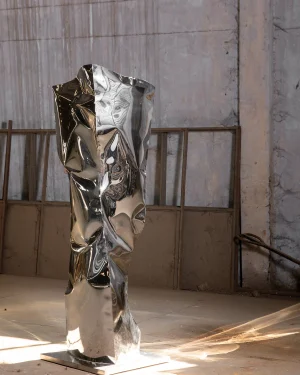
Monolith – Stainless Steel Floor Sculpture
By Nitush and Aroosh
€7.150 -
 In stock
Wua-g I Speakers
By POL AGUSTI
€7.400 -
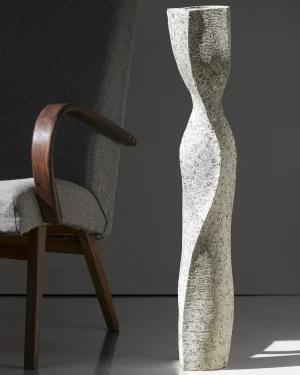
Column Tall Twisted Sculptural Vase, Brutalist Textured Floor Vase
By Donatas Žukauskas
€860 -
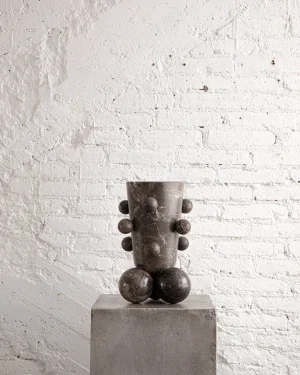
Pollux – Stone Vase
By Studio Ayres
€840 -
 In stock
Wrinkled – Smashed Vase
By Daniel Elkayam
€820 -
 In stock
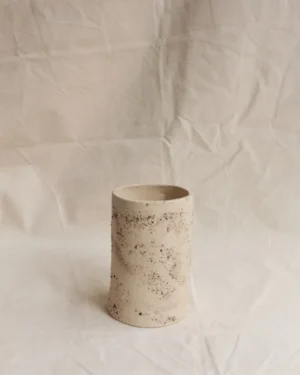
Cylinder Vessel 02
By Valentine Benoist Ceramics
€1.180 -
 In stock
Pose N°5 Beige Sculpture
By Marie-Marie Defour
€320 -
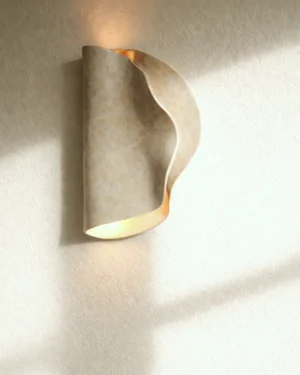
Lamp Shade – Fado
By Joana Vilaça Studio
€790 -
 In stock
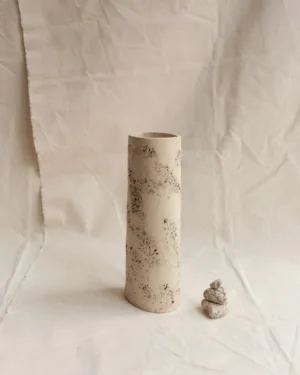
Cylinder Vessel 01
By Valentine Benoist Ceramics
€1.300 -
 In stock
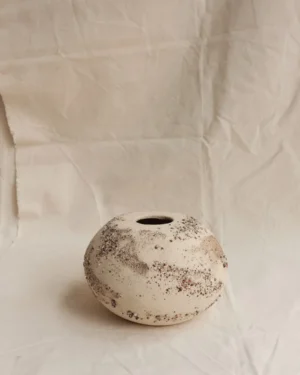
Globe Vessel 01
By Valentine Benoist Ceramics
€1.250 -
 In stock
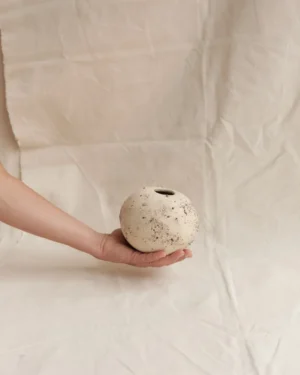
Globe Vessel 02
By Valentine Benoist Ceramics
€980 -
 In stock
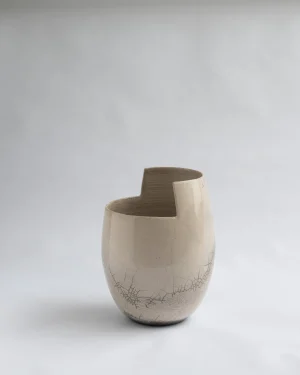
Cut Medium – Raku Clear
By Studionudo
€810 -
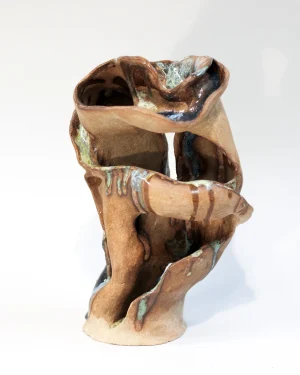 Sold
Vestige – One Of A Kind Ceramic Sculpture
By Vale Ro
€660 -

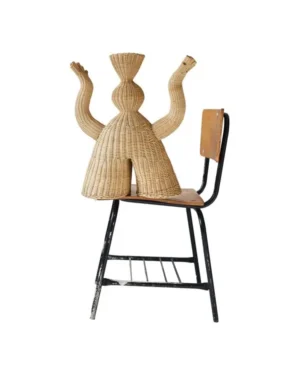
Nc Fuente Totem
By Daniel Orozco Estudio
€814
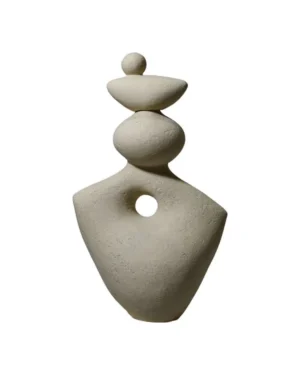
Beige sculptures gather their color from the materials themselves rather than from any added pigment: unglazed stoneware, raw clay, natural stone, and matte glazes that fire to a warm, sandy register. Independent studios working in hand-building, wheel throwing, slip casting, and sculpting favor this tone because it keeps attention on form and surface instead of color. The result sits closer to geology or bone than to decoration.
What gives beige sculptures their color
Stoneware and white stoneware bodies often fire to a pale, grayish beige on their own, before any glaze is applied. Clay left raw or lightly burnished holds a dustier, more matte version of the same range. Granite and other natural stone carry veining and flecks that read as beige from a distance but shift tone up close, while a glossy or matte glaze over stoneware can push a single form from warm sand to cooler putty.
Because the color comes from the material and the firing or finishing process, no two pieces in this tone are ever perfectly identical. Studios working in raku or in hand-building accept this variation as part of the method rather than a flaw to correct.
The range of materials, finishes, and techniques
Beige appears across most of the ways sculpture is made today. On stoneware pieces, it often results from a matte or satin glaze fired at stoneware temperatures, which seals the surface without adding shine. On ceramic forms more broadly, the same tone can come from slip casting, from hand-building coil by coil, or from raku firing, which leaves a smoked, uneven edge along the beige ground.
- Stoneware, white stoneware, and clay, left matte or given a glaze in beige, cream, or glossy finish
- Granite and other natural stone, worked or left with a rougher, Neolithic-leaning surface
- Mixed media and stainless steel elements, used sparingly against a beige stone or ceramic body
Style follows the material: minimalist and wabi-sabi pieces tend toward a single beige form with little surface incident, while brutalist and eclectic works use the same tone as a base for texture, asymmetry, or added elements in black or gray. Editions run from open editions, repeated within a studio's practice, to unique pieces where no second example exists; the unique sculptures on ADORNO sit at that one-off end.
How to choose a beige sculpture
Scale matters before finish. A small tabletop form reads as an object among other objects, while a floor-standing piece, even a modest one, claims its own territory and should be chosen with the sightlines of the room in mind. Measure the surface or floor area it will occupy, and leave enough space around the piece that it is not read as clutter.
Height and proportion decide how a piece sits in a room. A squat, grounded form suits a low console or a reading nook, while a taller, vertical sculpture can anchor a corner or a hallway on its own. Matte and raw finishes absorb light and suit rooms with softer, indirect lighting, while glossy or glazed beige surfaces pick up reflections and read more crisply under daylight or spotlighting.
Where beige sculpture works in a room
Because the tone is close to the color of plaster, limestone, and unbleached linen, beige sculpture sits easily in living rooms, entryways, and bedrooms furnished in the same neutral register. It also works as a counterpoint in rooms built around black, gray, or stone, where a black sculpture or darker stone piece can sit nearby without competing. For a fully neutral scheme, beige accessories, lighting, and seating extend the same palette beyond the sculpture itself.
Caring for beige stoneware, clay, and stone
Unglazed clay and raw stoneware are porous and will stain if liquid sits on the surface, so these pieces are better kept away from direct sun exposure and damp surfaces. Dust with a dry or barely damp soft cloth; avoid household cleaners, which can dull a matte finish or discolor raw clay unevenly. Natural stone should be wiped rather than soaked, and glossy glazed surfaces can be cleaned with a damp cloth without affecting the color beneath.
For the wider range of tone and material beyond sculpture, the full set of beige accessories and the complete beige color selection across categories show how far this neutral extends, while the sculpture category as a whole covers the other materials, colors, and techniques these studios work in.
How do I choose the right beige sculpture?
Look at the surface first: matte stoneware or clay reads quiet and grounded, while glazed or polished stone catches more light. Let the room's existing tones and light guide the shade of beige you pick.
What are beige sculptures usually made from?
Most come from stoneware, ceramic, or natural stone, sometimes finished with a glaze that softens the beige tone. Some studios work in clay left raw, which keeps the surface chalky and matte.
How do I care for a beige stoneware or stone sculpture?
Dust with a dry or barely damp cloth and keep unglazed surfaces away from oil and direct moisture, which can stain. Avoid harsh cleaners, as they can dull a glaze or wear a matte finish unevenly.
What size sculpture works on a shelf versus the floor?
Smaller pieces suit shelves, console tops, or table settings, while larger stone or ceramic forms carry weight best on the floor or a low plinth. Check each piece's page for exact dimensions.
Which rooms suit beige sculptures best?
Beige sits easily in living rooms, entryways, and bedrooms, anchoring a space without competing with other colors. It also works well against white walls or alongside wood and natural stone furniture.
What about shipping, returns, and authenticity when I buy from ADORNO?
Shipping is insured and worldwide, with a 14-day return policy, though made-to-order pieces are excluded. Every piece comes with a certificate of authenticity and ADORNO's lowest-price guarantee.