



-
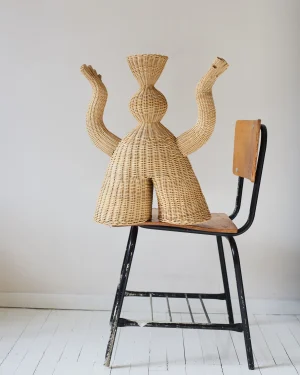 In stock
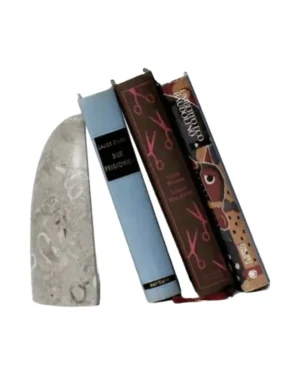
Artefacto Chan Maák Sculpture – Pol & Cab
By LØRDAG & SØNDAG
€655 This product has multiple variants. The options may be chosen on the product page -

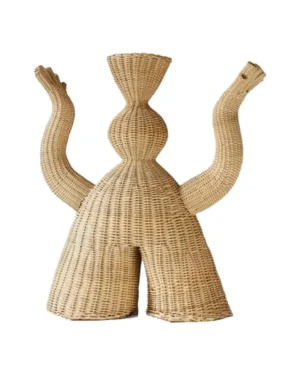
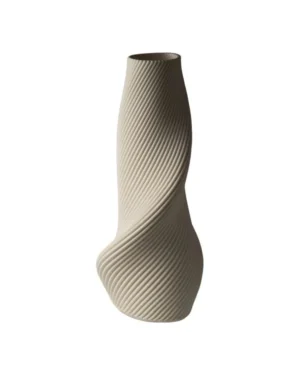
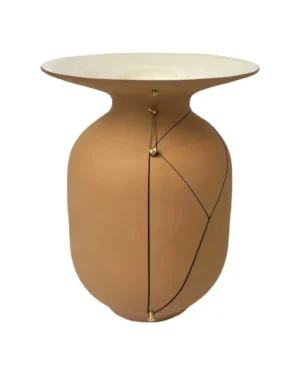
Maria Ceramic Vessel
By Project 213A
€228 This product has multiple variants. The options may be chosen on the product page -
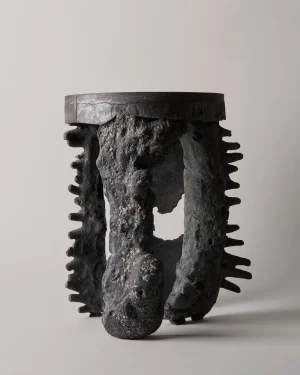 In stock
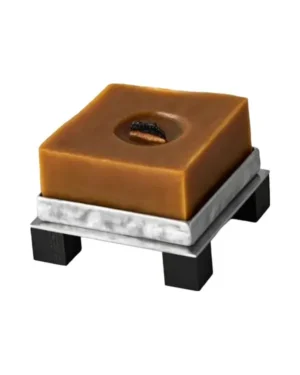
“Four Elements” Pedestal – Black
By Kajsa Melchior
€2.500 -
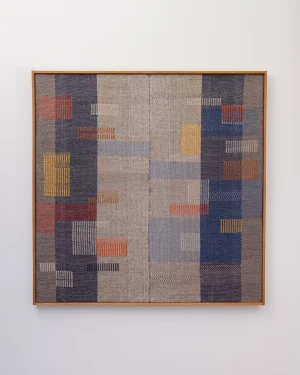
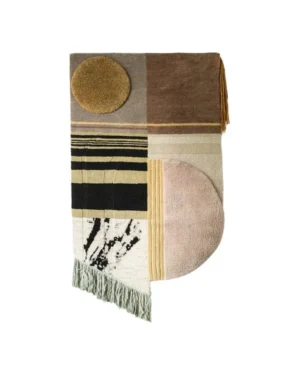
Spigolatura N°61 – Handwoven Wall Art
By Susanna Costantini
€1.800 -
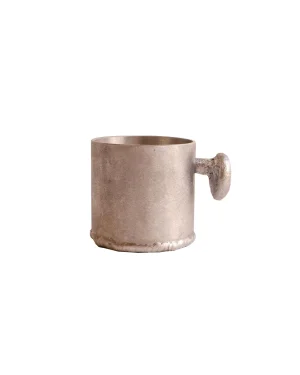
‘contemporary Cup’ By Joseph Ellwood For Six Dots Design
By Six Dots Design
€55 -
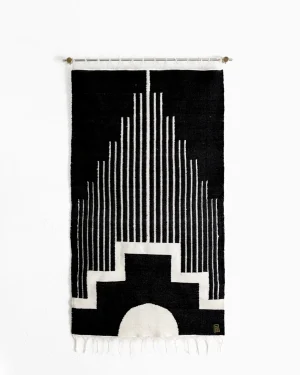 In stock
Centro Sheep Wool Handwoven Tapestry, Aged Bronze Wall Mount, Black & Ivory
By ANDEAN
€376 -
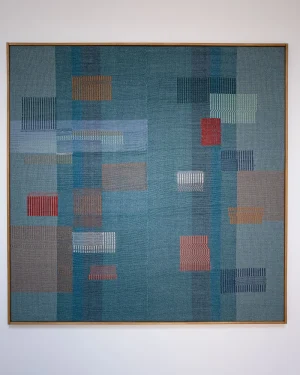
Spigolatura N°62 – Handwoven Wall Art
By Susanna Costantini
€1.800 -

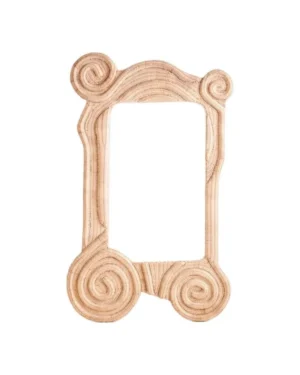
Lava Frame – Melting Collection | Contemporary Sculptural Frame
By Gábor Góbi
€1.290 -
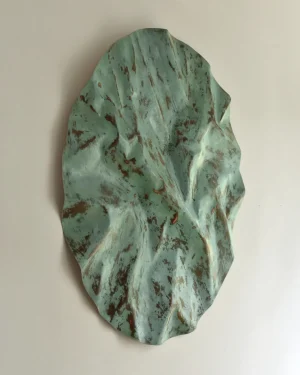
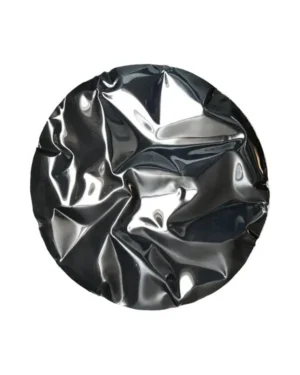
Mar De Cobre – Copper Wall Sculpture
By Aura Carpio®
€2.800 -
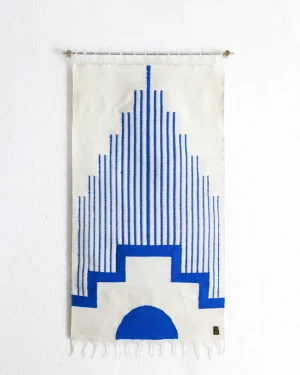 In stock
Centro Sheep Wool Handwoven Tapestry, Aged Bronze Wall Mount, Ivory & Lapis Blue
By ANDEAN
€376 This product has multiple variants. The options may be chosen on the product page -

Pojagi N°3 – Handwoven Wall Art
By Susanna Costantini
€4.000 -
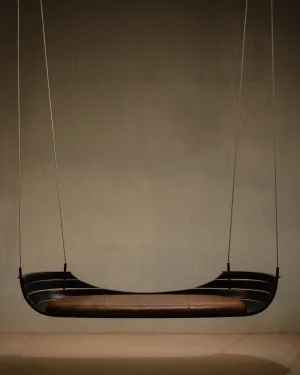
Holt Swing
By House of Creatomy
€2.489 -
 In stock
“Terrão” bench
By Domingos Tótora
€5.340 -

Day Mountains Panorama – Woolen Kilim
By Tartaruga Studio
€797 - €1.435 This product has multiple variants. The options may be chosen on the product page -
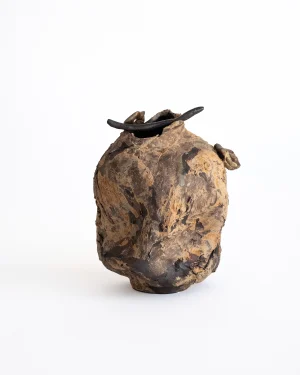 In stock
Black Earth – Vase O.4
By Ugly Things et al.
€508 -
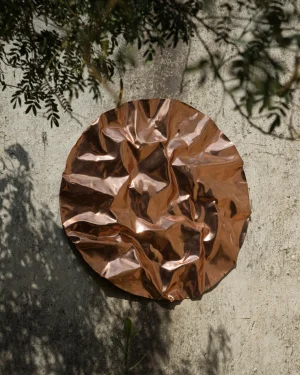
Mar De Cobre – Wall Decoration
By Aura Carpio®
€2.200 -
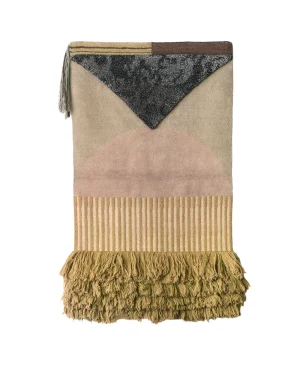 In stock
Textile Poster No. 10 – Geometric Wool Tapestry
By Lyk Carpet
€2.674 -
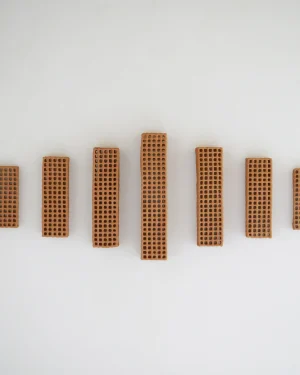 In stock
Wall Sculpture N°2
By Dzovag Kotchian
€1.760 -
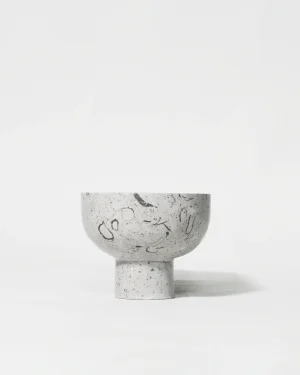
Korito
By Atelier Nienē
€850 -
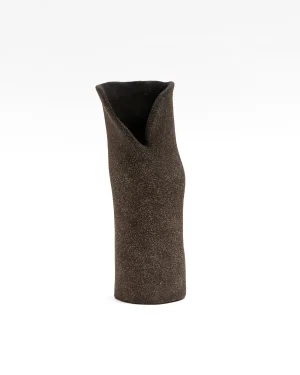 In stock
Tulipa – Stoneware Vase
By Pierre Klein
€240 -

Burning Mirror – Melting Collection | Sculptural Mirror In Burned Wood And White Marble
By Gábor Góbi
€24.390 -
 In stock
Decorative Rope
By Angela Damman
€300 This product has multiple variants. The options may be chosen on the product page -
 In stock
Centro Sheep Wool Handwoven Tapestry, Aged Bronze Wall Mount, Ivory & Black
By ANDEAN
€376 -
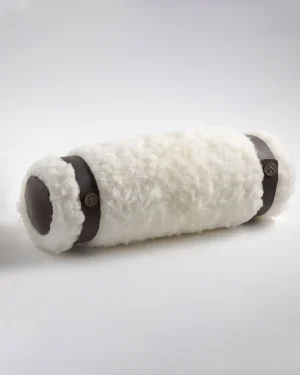 In stock
Churo – Sheepskin Decorative Bolster Pillow
By ANDEAN
€429 -
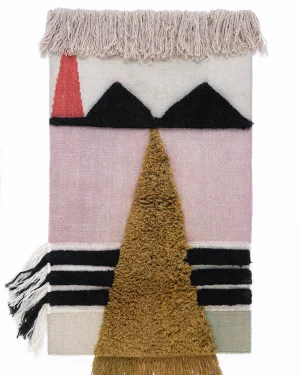 In stock
Textile Poster no. 12 – Geometric Fringed Wall Hanging
By Lyk Carpet
€1.051 -
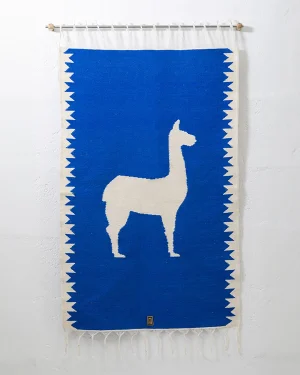 In stock
Llama Sheep Wool Handwoven Tapestry, Aged Bronze Wall Mount, Lapis Blue
By ANDEAN
€333 -
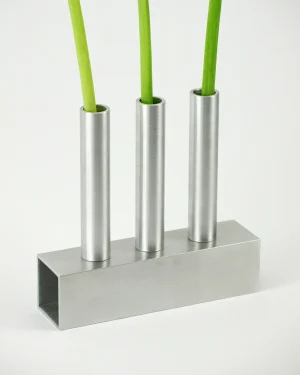
Flower & Power Vase – Aluminum / Glass
By Lucas Cambier
€450 -
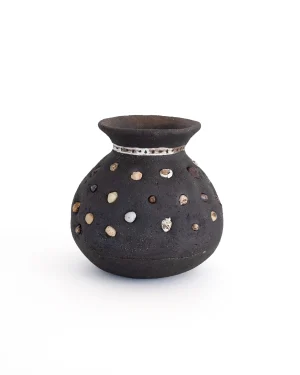 In stock
Little Rock Vase_o.1
By Ugly Things et al.
€326 -
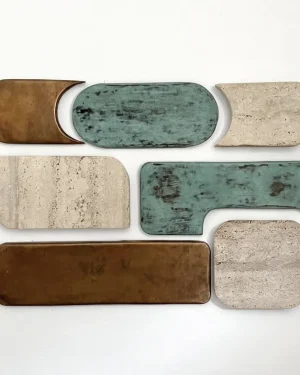
Vides Wall Decoration in Copper And Marble
By Aura Carpio®
€3.325 -
 In stock
Made From Jordan – Geometric Indigo Rug
By Twelve Degrees
€3.500 -
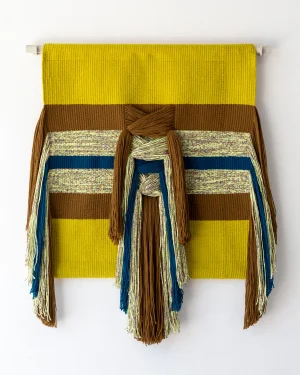 In stock
Toscana – Merino Wool Tapestry
By Luiza Caldari
€1.255 -
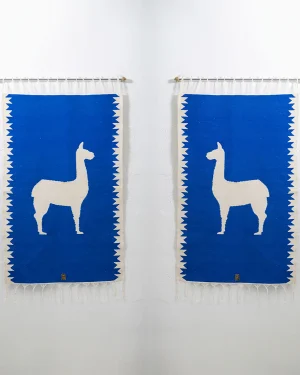 In stock
Llamas Sheep Wool Handwoven Tapestries, Aged Bronze Wall Mount, Lapis Blue, Set Of 2
By ANDEAN
€524 -
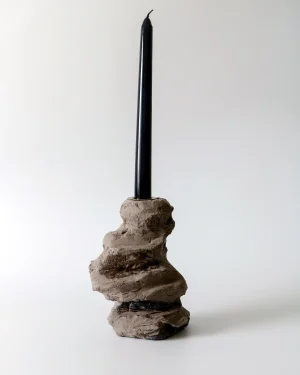 In stock
Abyss Candle Holder
By Ceren Gürkan
€120 -
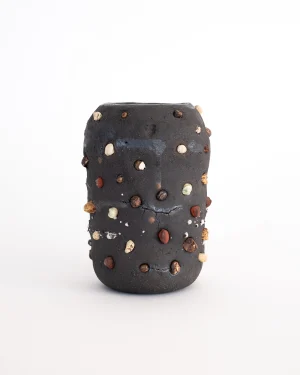 In stock
Little Rock Vase – Special Edition (deconstructed O.1)
By Ugly Things et al.
€590 -
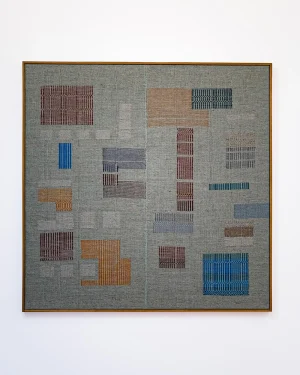
Spigolatura N°88 – Handwoven Wall Art
By Susanna Costantini
€2.500 -
 In stock
Domino Mirror
By Assimply Studio
€11.400 -
 In stock
“Vereda” bench
By Domingos Tótora
€2.669 -
 Sold
Sold“Jacinto’s Castle of Dreams” Hammock
By Angela Damman
€3.750 This product has multiple variants. The options may be chosen on the product page -
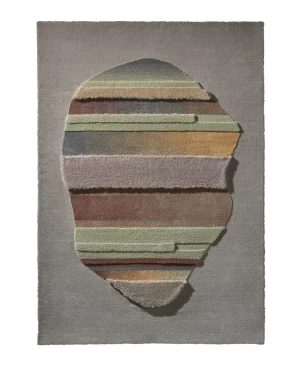 In stock
“Lutetia” Rug
By Agne Kucerenkaite
€10.220 -
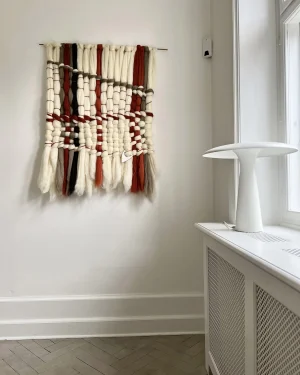 In stock
‘Woolwalls’ in Sustainable Wool – Rusty and Off-White
By jeanett knipschildt
€850 -
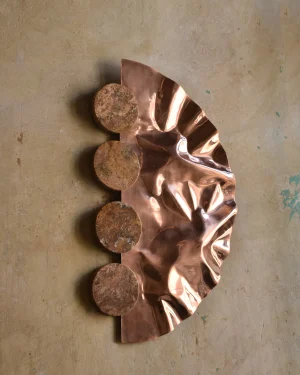
Estero – Wall Decoration
By Aura Carpio®
€3.325 -
 In stock
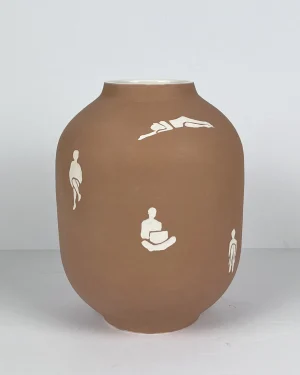
Ceramic Vase With Figures
By Federica Paglia
€500 -
 In stock
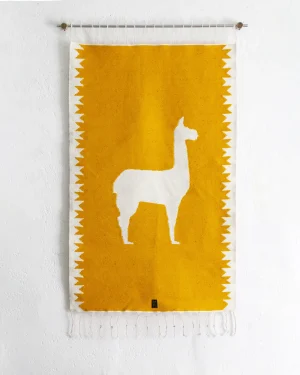
Llama Sheep Wool Handwoven Tapestry, Aged Bronze Wall Mount
By ANDEAN
€333 This product has multiple variants. The options may be chosen on the product page -
 In stock
Chimborazo – Decorative Volcanic Stone Bowl
By ANDEAN
€333 -
 In stock
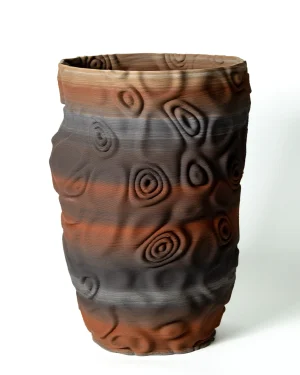
Aegean Whisper: Santorini-inspired Ceramic Vessel – S – 0001
By Yiannis Vogdanis
€2.600 -
 In stock
Domki – Wool Kilim
By Tartaruga Studio
€1.571 - €2.937 This product has multiple variants. The options may be chosen on the product page -
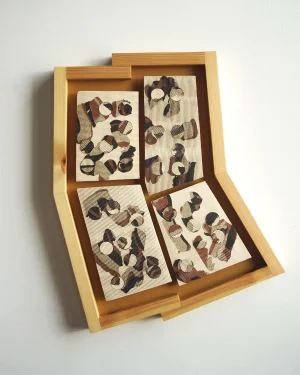 In stock
Frame – Stoneware & Oak Wall Art
By Isabella Artale
€650 -
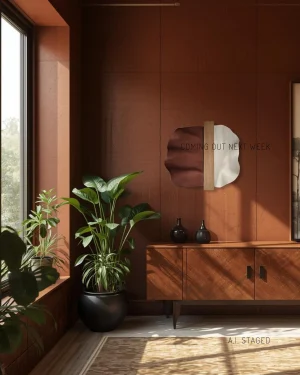
Abundance Wall Sculpture | Crimson Red · Studio Series ·
By Studio Ēeme
€1.850 -
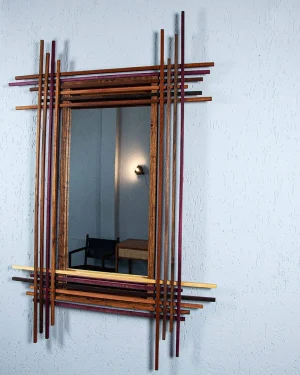
Fragments – Reclaimed Wood Mirror
By am.o atelier
€1.016 -
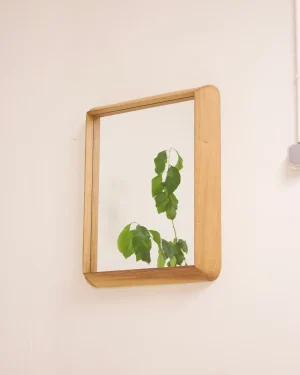 In stock
Gavrinis Mirror – Solid Oak Wood
By Vital Lainé
€2.000 -
 In stock
Black Earth – Vase O.6
By Ugly Things et al.
€560 -
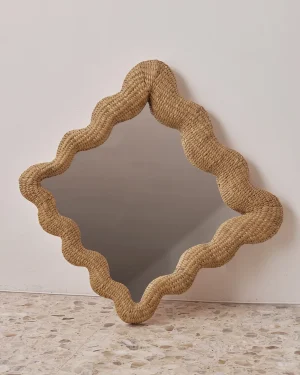
La Celebración Natural Mirror
By Joyful Objects, Yes!
€1.500 -
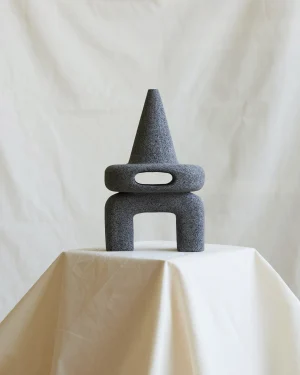 In stock
Artefacto Volcán Ls 06
By LØRDAG & SØNDAG
€490 -
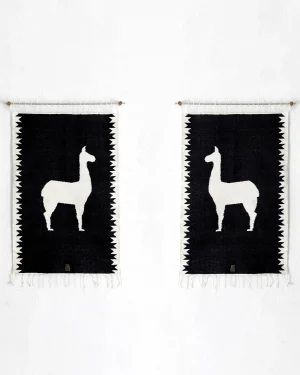 In stock
Llamas Sheep Wool Handwoven Tapestries, Aged Bronze Wall Mount, Set Of 2
By ANDEAN
€524 This product has multiple variants. The options may be chosen on the product page
Rustic decor gathers pieces that favor raw, tactile materials and finishes over polish: pine left with its grain visible, copper that will darken, ceramic hand-built rather than cast smooth. Studios working in this style choose wood, clay, metal and textile for what the material does on its own, letting joints, glaze pools or hammer marks stay visible. The result sits close to craft rather than to any single decade of design history.
What defines rustic decor
Across the pieces gathered under rustic decor, a few materials repeat. Pine and other softwoods appear often, sometimes charred using the shou sugi ban technique, which blackens and seals the surface while keeping the wood grain legible underneath. Copper and other metals show up hammered or cast, their surfaces left to shift color with handling and air rather than lacquered to stay bright.
Clay and ceramic pieces lean toward hand-building over slip-casting, so rims vary slightly and glazes pool unevenly where they thicken. Textile elements, where they appear, tend toward plain weaves and undyed or muted fiber rather than print. None of this is accidental: rustic decor relies on a visible process, not a smoothed-over one.
The range of rustic pieces found here
Within this style, the making varies as much as the material. Metalwork and metal casting produce bowls, candle holders and small sculptural objects with weight and a cool surface. Hand-building and stone carving give ceramic and clay pieces their slightly irregular edges, while wood and cabinetmaking techniques shape pine into trays, boxes and small stands.
- Open editions, for pieces a studio keeps making to order
- Limited editions, produced in a fixed, smaller run
- Unique pieces, each one the only example made
Color stays close to the material: copper tones, off-white and charcoal-black from charring, with the occasional deep blue or turquoise glaze on ceramic work. For a wider view of techniques and finishes across materials, the full decor category and the dedicated ceramic decor pieces are worth comparing against these.
How to choose a rustic piece
Scale matters more than style here, since a heavy charred-wood tray or a thick ceramic bowl can dominate a small shelf. Measure the surface it will sit on and leave room around the piece rather than pushing it to an edge. A cluster of two or three smaller rustic objects, mixed metal and clay, usually reads calmer than one oversized statement piece.
Finish is the second decision. Raw or charred wood and unsealed copper will keep changing after they arrive, while glazed ceramic holds its surface. Decide whether that slow change is wanted before buying, since it cannot be undone once oils, light or handling start working on the material.
Where rustic decor works
These materials suit rooms built around daily use: kitchens, entryways and dining spaces where a wood tray or ceramic bowl gets picked up often. Living rooms take rustic decor well on a console or sideboard, paired with the heavier wood or metal pieces already common in rustic furniture. For lighting with the same raw quality, rustic lamps carry the look upward without adding more surface clutter.
Caring for rustic materials
Pine and charred wood want a dry cloth and occasional oil rather than water, which raises the grain and can lift char. Copper and other unlacquered metals will tarnish; polish only if an even bright surface is wanted, otherwise leave the patina to develop. Hand-built ceramic should be hand-washed, since glaze pooled thick at a rim can craze under repeated heat. For the full range of pieces working in this style, the rustic style pages cover rustic decor across furniture, lighting and accessories alike.
How do I choose rustic decor for my home?
Look for pieces with texture that reads as handmade: unglazed ceramic, charred or pine wood, hammered copper or metal. Let grain, patina and surface irregularity guide the choice over polish or symmetry.
What materials are used in rustic decor and how do I care for them?
Pine wood, clay, copper and charred wood are common. Dust wood and ceramic with a dry cloth, keep copper away from excess moisture, and expect patina and small surface changes as the material ages.
What size decor pieces work best for shelves and tables?
Smaller pieces such as bowls, vases and candle holders suit shelves and tabletops, while larger vessels or wall pieces anchor a console or mantel. Scale to the surface so the piece has room to sit without crowding.
Which rooms suit rustic decor?
Living rooms, entryways and dining spaces take well to rustic decor, where texture and weight read clearly on shelves, consoles or tables. Kitchens also suit ceramic and wood pieces used alongside everyday objects.
Does ADORNO offer worldwide shipping and returns on rustic decor?
Shipping is insured and worldwide. Returns are accepted within 14 days, except on made-to-order pieces, and each piece arrives with a certificate of authenticity.
Can I ask about a specific rustic decor piece before buying?
Yes, use the Chat with the maker option on the piece's page to confirm material, dimensions or custom requests directly with the studio or designer.