












-
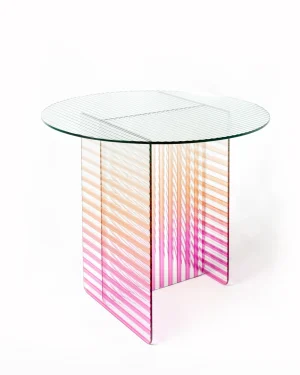
Kaila-I Side Table in Ribbed Glass
By Yugen Lab
€1.050 -

Kaila-II Side Table in Ribbed Glass
By Yugen Lab
€1.000 -
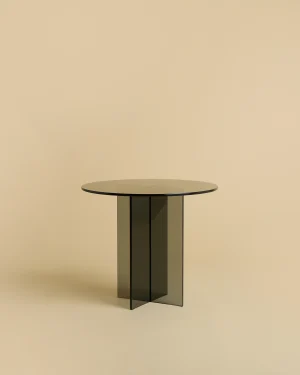
Amami Side Table in Smoked Glass
By Lebanto
€935 -
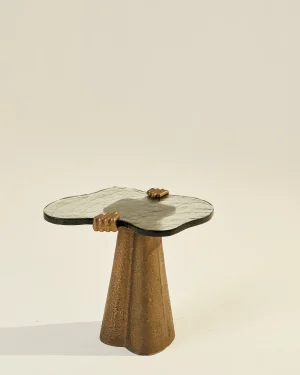
Paws Side Table in Cast Aluminum and Cast Glass
By LMNOH
€1.950 -
 In stock
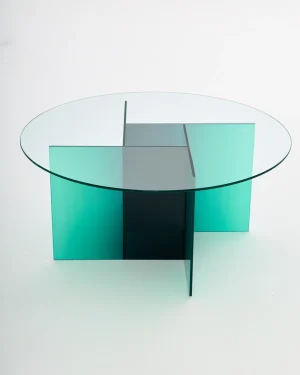
Cosmos Green Gradient Coffee Table in Tempered Glass
By Studio Monsoleil
€2.100 -
 In stock
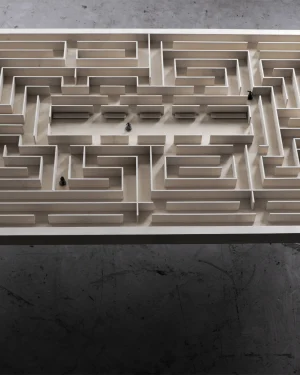
Labyrinth Table
By Benjamin Nordsmark
€9.000 -
 In stock
Lasso Coffee Table in Stainless Steel and Borosilicate Glass
By Nitush and Aroosh
€4.250 -
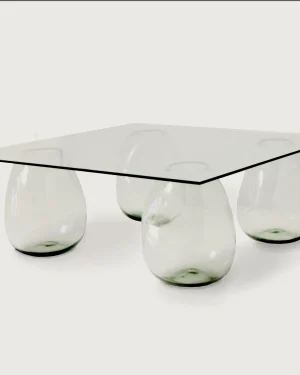
Bubble Coffee Table in Blown Glass
By Panorammma Atelier
€6.400 -
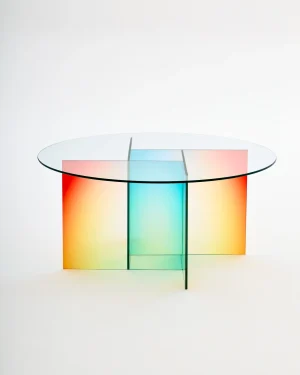 In stock
Cosmos Rainbow Gradient Coffee Table in Tempered Glass
By Studio Monsoleil
€2.100 -
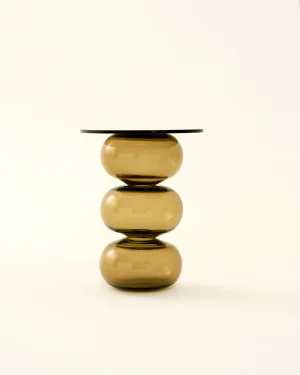
Donut Side Table in Blown Glass and Tempered Glass
By Deya
€1.633 -

Formation Coffee Table in Oak Veneer and Smoked Glass
By Theodóra Alfreðsdóttir
€1.090 -
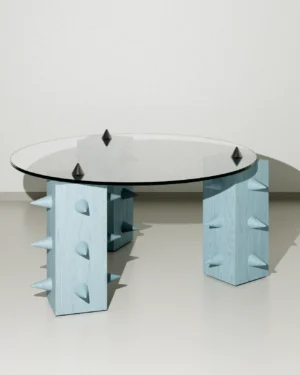
Cena Coffee Table in Sky-Blue Wood, Steel and Glass
By DONÓ Design
€3.700 -
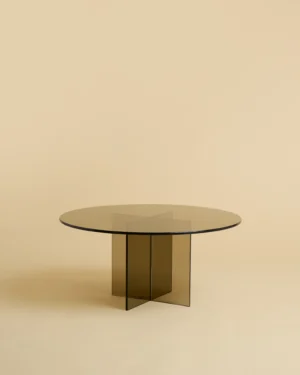
Aka Coffee Table in Italian Glass
By Lebanto
€950 This product has multiple variants. The options may be chosen on the product page -
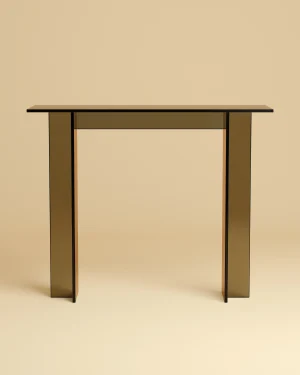
Glass Console Table – Naz Series
By Lebanto
€1.875 This product has multiple variants. The options may be chosen on the product page -
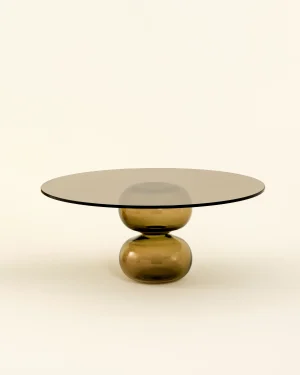
Donut Coffee Table in Blown Glass and Tempered Glass
By Deya
€2.248 -
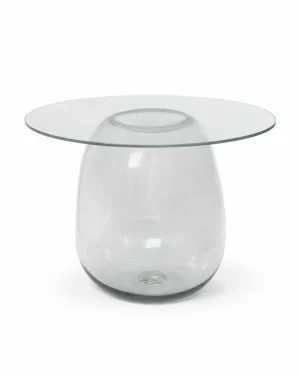
Bubble Side Table in Blown Glass
By Panorammma Atelier
€1.800 -
 In stock
Trio Rose Coffee Table in Cloud-Textured Glass
By Studio Monsoleil
€2.000 -
 In stock
“Curve” Table – Black
By Sophia Taillet
€6.800 -
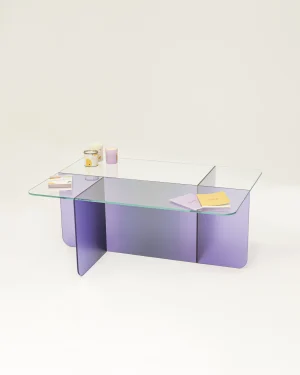 In stock
Stardust Coffee Table in Purple Gradient Glass
By Studio Monsoleil
€1.800 -
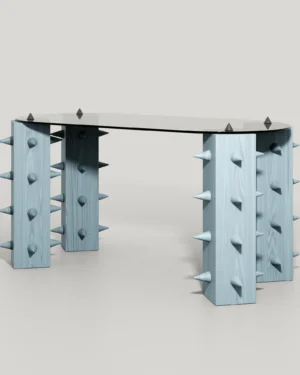
Cena – Sky-blue Wood And Aluminum Desk
By DONÓ Design
€7.000 - €7.180 This product has multiple variants. The options may be chosen on the product page -
 In stock
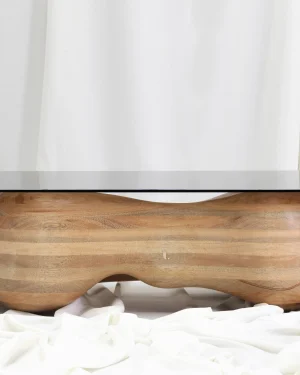
Liana Coffee Table in Guarango Wood and Smoked Glass
By Laluz Handcraft
€6.000 -
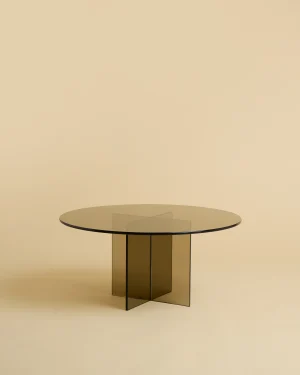
Aka Coffee Table in Bronzed Glass
By Lebanto
€975 -
 In stock
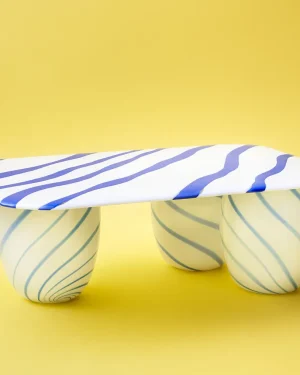
Blue Candy Coffee Table in Blown Glass
By STUDIO BERG
€8.034 - €8.857 This product has multiple variants. The options may be chosen on the product page -

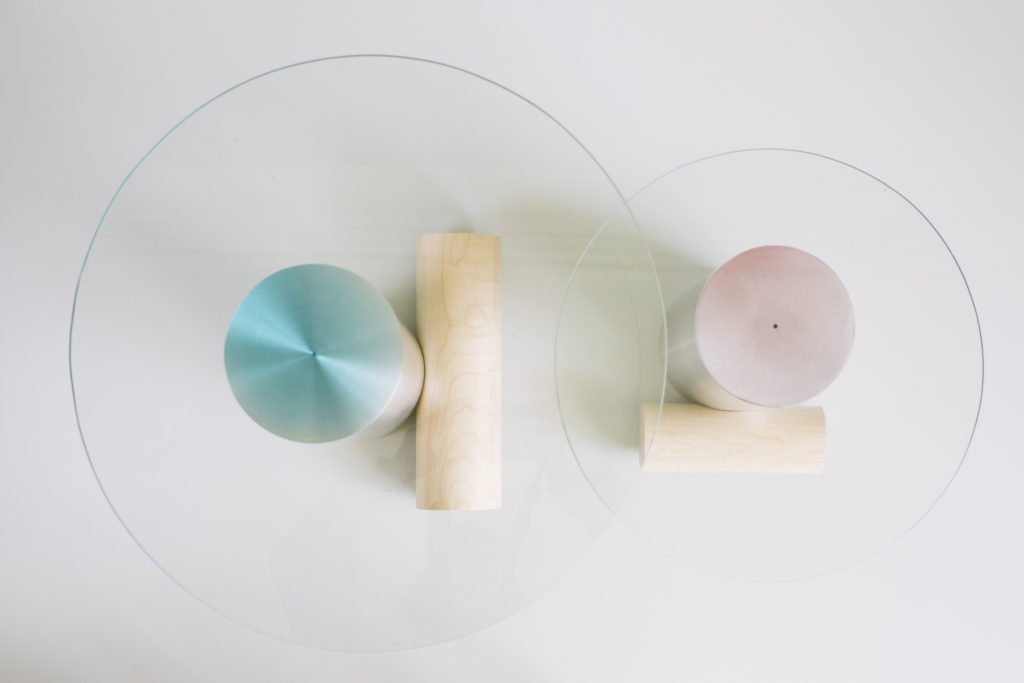
Tango Small Side Table in Glass and Maple Wood
By Kim Thomé
€700 -
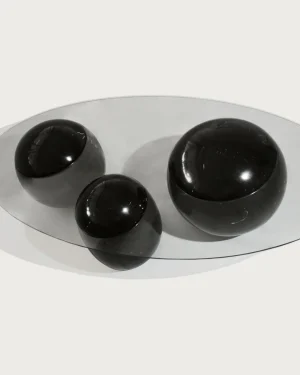
Ovni Uovo Coffee Table in Black Marble and Glass
By Panorammma Atelier
€6.600 This product has multiple variants. The options may be chosen on the product page -
 In stock
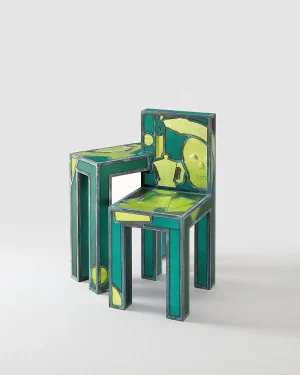
Past Green Story Side Table in Oxidised Copper and Glass
By Leo De Carlo
€19.500 -
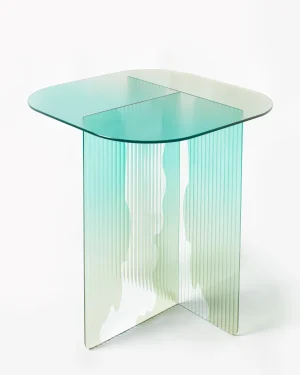
Ivy-II Side Table in Glass
By Yugen Lab
€1.200 -

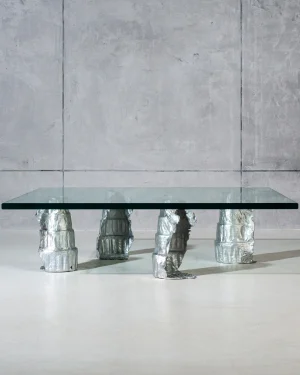
Klar Coffee Table in Tempered Glass
By hermhaus
€3.508 -
 In stock
Babylon Coffee Table in Aluminum and Glass
By Vilius Dringelis
€3.100 -
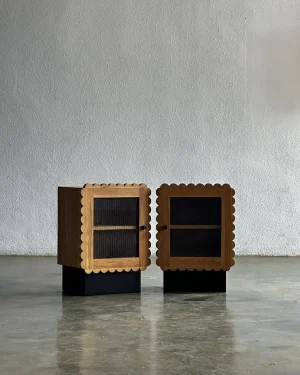
Mamun No. 2 – Teak Side Table
By STUDIO KALLANG
€1.580 -
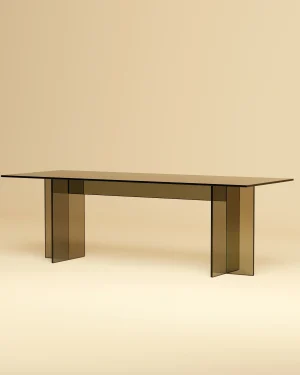
Noor Coffee Table in Italian Glass
By Lebanto
€1.675 This product has multiple variants. The options may be chosen on the product page -
 In stock
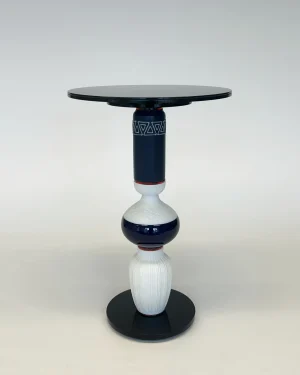
Angels Side Table in Glazed Clay and Glass
By Andreas Berlin
€3.500 -
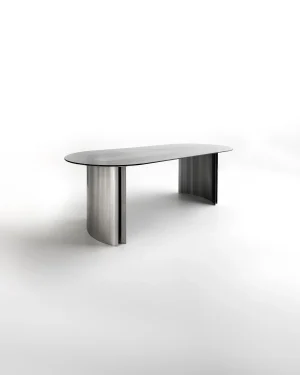
Smoked Glas Table With Rounded Stainless Steel Frame
By case studios
€9.800 - €13.400 This product has multiple variants. The options may be chosen on the product page -
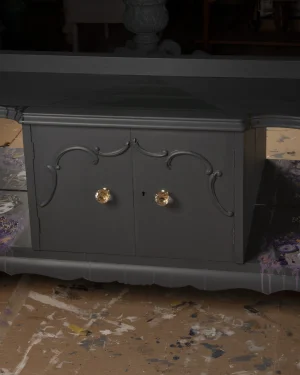
Time – Queen Anne Dressing Table
By WOODTALES by Foteini Noti
€3.800 -
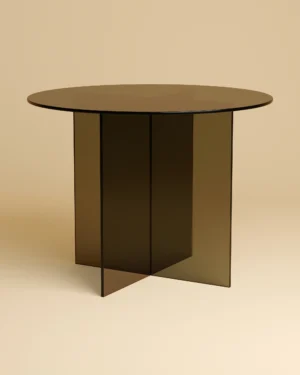
Round Glass Dining Table – Yuri Series
By Lebanto
€3.100 This product has multiple variants. The options may be chosen on the product page -

Tango Side Table in Glass and Maple Wood
By Kim Thomé
€900 -
 In stock
Curve Coffee Table in Thermoformed Glass
By Sophia Taillet
€4.800 -
 In stock
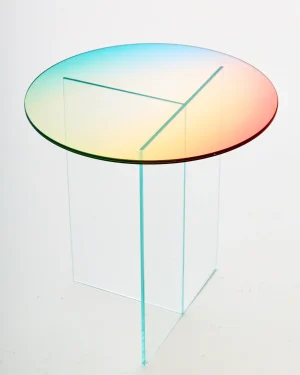
Cosmos Rainbow Gradient Side Table in Tempered Glass
By Studio Monsoleil
€1.100 -
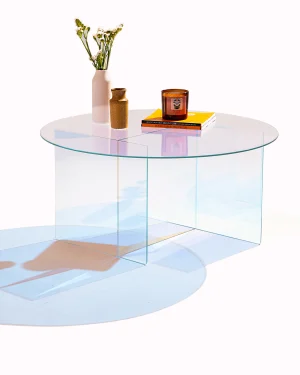
Lucid Round Coffee Table in Iridescent Tempered Glass
By Yugen Lab
€2.800 -
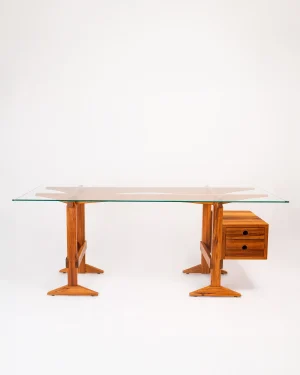
Ofício – Wood Desk
By Estúdio Simbiose
€3.100 -
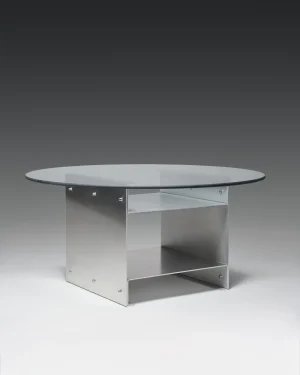
Glass Wing Coffee Table in Aluminum and Glass
By Obscure Objects
€798 -
 In stock
Scarpa Coffee Table in Pine Wood, Steel and Mirror
By Arbore x Cezar Moldovan
€3.910 -
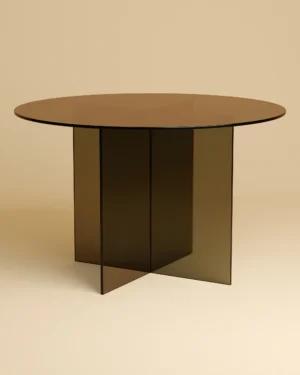
Round Glass Dining Table – Sado Series
By Lebanto
€3.750 This product has multiple variants. The options may be chosen on the product page -
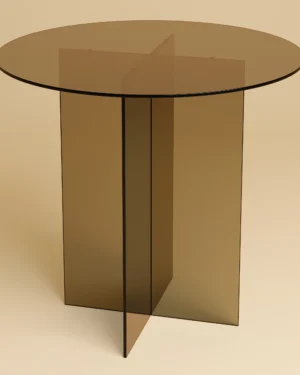
Round Glass Dining Table – Iki Series
By Lebanto
€2.500 This product has multiple variants. The options may be chosen on the product page -
 In stock
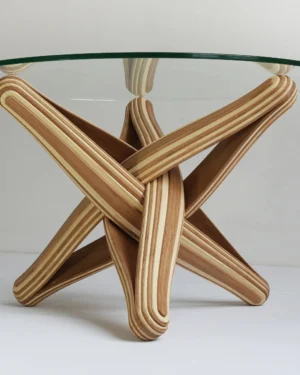
Lock-C Naturel Coffee Table in Natural and Caramel Bamboo
By JAN PAUL
€1.335 -
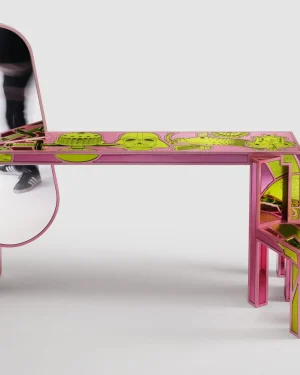
“PINK STORY” Console
By Leo De Carlo
€47.000 -
 In stock
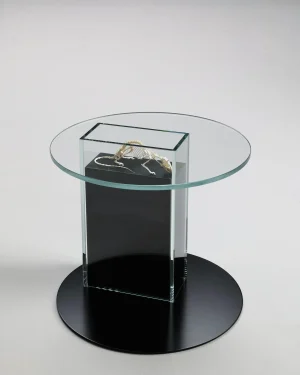
The Rat Side Table in Painted Steel and Ultraclear Glass
By Leo De Carlo
€4.000 -
 In stock
Ariel – The Oven Writing Desk
By M’ama edizioni
€5.600 -
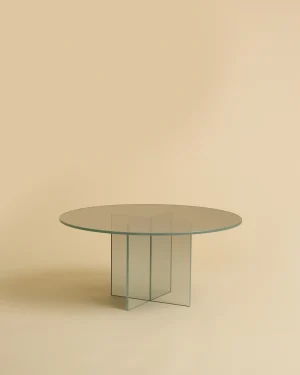
Aka Coffee Table in Transparent Glass
By Lebanto
€895 -
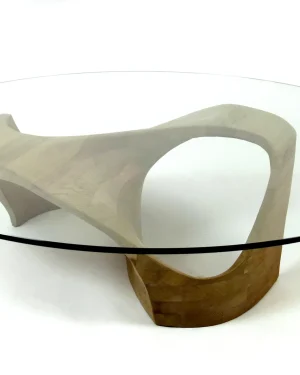
Loch Coffee Table in Cedar Wood and Glass
By Aaron Scott
€5.600 -
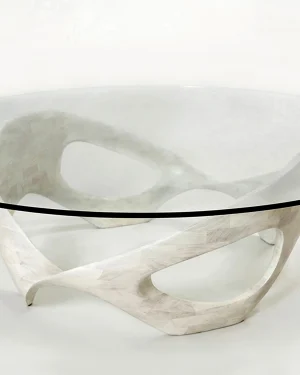
N2 Coffee Table in Cherry Wood and Glass
By Aaron Scott
€7.600 -
 In stock
Isla No. 1 Side Table in Stoneware and Blown Glass
By Ceren Gürkan
€4.400 -

Beijú Center Table: Handcrafted In Brazil With Beads And Cabreúva Wood
By YANKATU
€5.800 -
 In stock
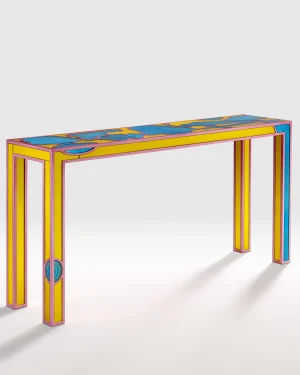
“POP STORY” Console
By Leo De Carlo
€21.000
Glass tables bring a particular kind of lightness to a room, the surface reading almost as absence rather than mass. Studios build them by casting, blowing or cold-working glass into tops and bases, often pairing the material with metal, wood or stone for support. The result sits between furniture and object, holding weight while appearing to carry none.
What defines glass as a table material
Glass is formed from silica melted at extreme heat, then shaped while molten or worked cold once it has set. Cast glass tops are poured into molds and allowed to cool slowly, which gives them thickness and a faint internal depth. Blown glass elements, often used for bases or sculptural supports, keep the bubbles and slight irregularities that mark hand work. Cold-worked glass is cut, ground and polished after casting, which produces sharp edges and a clear, almost liquid surface.
Color in glass comes from minerals added during melting rather than applied after. Clear and transparent remain the most common choices for tabletops, letting a room's existing furniture and flooring stay visible through the surface. Amber, bronze, gray and black appear more often in bases or as tinted tops, giving the glass a smoked or warmer cast without losing its transparency.
The range of glass tables on ADORNO
Within glass as a working material, the pieces found among tables on ADORNO vary by technique and by what supports the glass. Some studios pair cast or blown glass tops with bases in aluminum, cast aluminum or bronze; others work in wood and cabinetmaking or veneering for the frame, letting the glass sit on top as a distinct, lighter layer. Metalwork bases tend toward Mid-Century Modern or Space Age lines, while heavier cast forms lean Art Deco or Maximalist. Editions range from open runs to limited editions and unique pieces, the last made as true one-offs rather than repeated forms.
How to choose a glass table
Scale matters more with glass than with opaque materials, since a top that reads as too large can dominate a room precisely because it draws the eye straight through to what's beneath it. Standard coffee table heights run from fourteen to eighteen inches, dining heights near twenty-nine to thirty inches, and a glass table should sit comfortably within these ranges unless the base is doing something unusual. Edge finish is worth checking closely: a polished or beveled edge sits differently in a room than a raw cut one, and will affect both the look and how safe the edge feels at shin height.
- Match the base material to existing metal or wood tones in the room rather than to the glass itself.
- Leave clearance around the table, since a transparent surface can make a room feel open but a crowded base will still read as clutter.
- Check tint and clarity in person or in detailed photographs, as amber and gray glass shift color depending on light.
Where glass tables work
Living rooms are the most common setting, where a glass coffee or side table keeps a seating area from feeling closed in, particularly in smaller rooms or those with patterned rugs and upholstery that benefit from a visual break. Dining rooms take cast or cold-worked glass well when the base is substantial enough to anchor the room, since a thin base under a large top can look underbuilt. Entryways and home offices suit smaller glass tables where a light footprint matters more than storage. For more on placement within seating areas, see the range of living room tables, and for bases built from oak, walnut or other species, the wooden tables and metal tables pages cover the alternatives directly.
Caring for glass tables
Glass resists staining and does not absorb liquids, which makes it simple to wipe down, but it scratches more easily than people expect and shows fingerprints readily. Clean with a soft cloth and a glass-specific or mild solution, avoiding abrasive pads that will dull the polish over time. Felt pads under any object placed directly on the surface prevent fine scratching, and cast or thick tops should be lifted rather than dragged when moved, since stress on one edge can crack glass that otherwise holds weight evenly.
How do I choose a glass table?
Consider the room and how the base is made, since glass tops come paired with wood, aluminum or bronze bases that set the weight and tone. Think about light, as clear or transparent glass keeps a space open while tinted glass adds depth.
How do you clean and care for a glass table?
Wipe with a soft cloth and a mild glass cleaner, avoiding abrasive pads that can scratch the surface. Keep hot items off the glass directly and lift rather than drag objects to prevent chips at the edges.
What height should a glass table be?
Dining tables generally stand around 28 to 30 inches, coffee tables closer to 16 to 18 inches, matching sofa seat height. The maker can confirm exact measurements on the piece's page.
Which rooms suit a glass table?
Glass tables work in living rooms and dining areas, where the transparency keeps sightlines open in smaller spaces. They also suit entryways and home offices, pairing well with both wood floors and stone.
Does glass scratch or chip easily?
Glass resists scratching better than most surfaces but can chip at corners or edges if struck by hard objects. Cold-worked edges are ground and polished to reduce this risk during daily use.
What are ADORNO's shipping, returns and authenticity policies?
Shipping is insured and worldwide. Returns are accepted within 14 days, excluding made-to-order pieces, and every piece arrives with a certificate of authenticity alongside ADORNO's lowest-price guarantee.