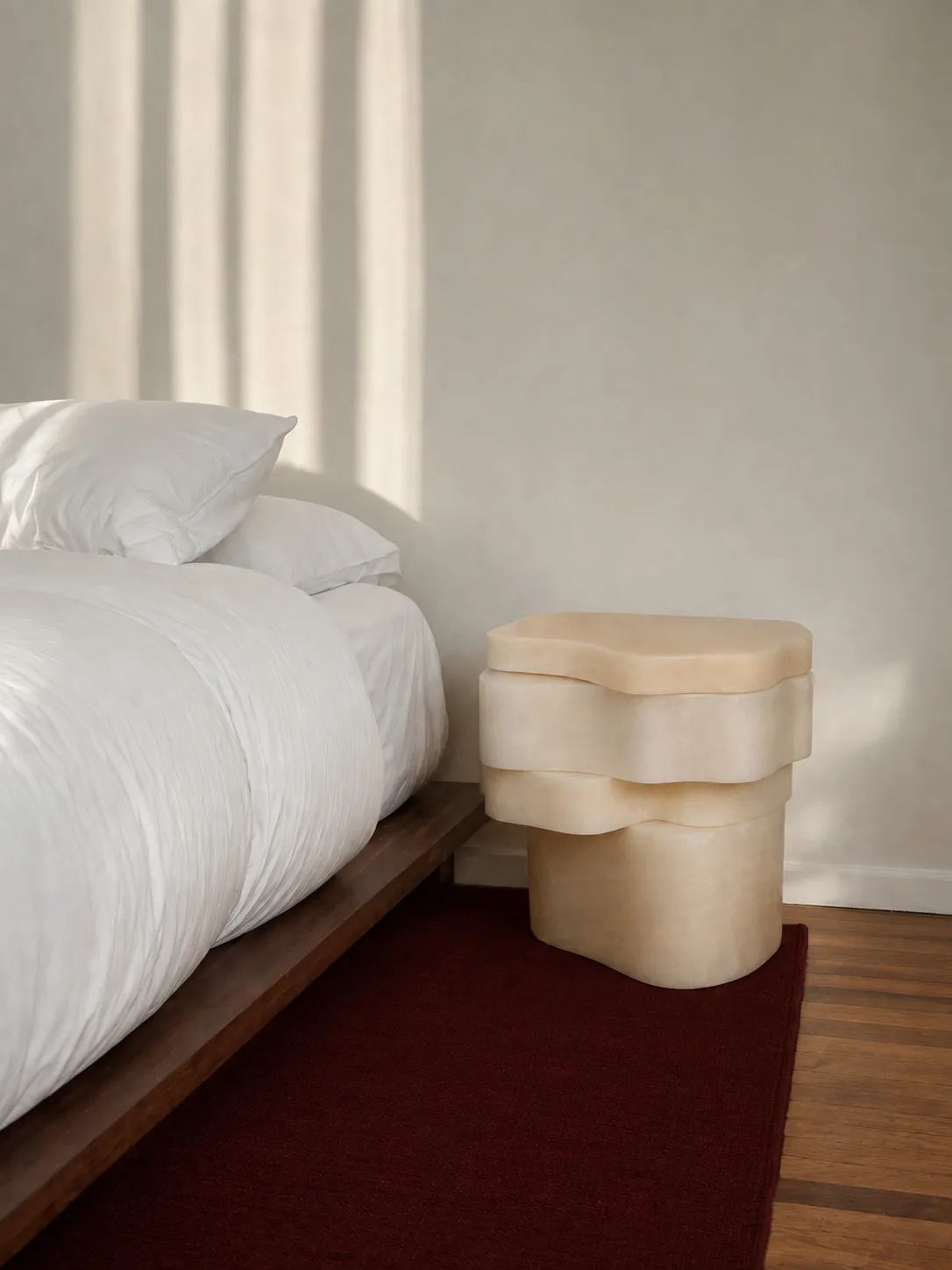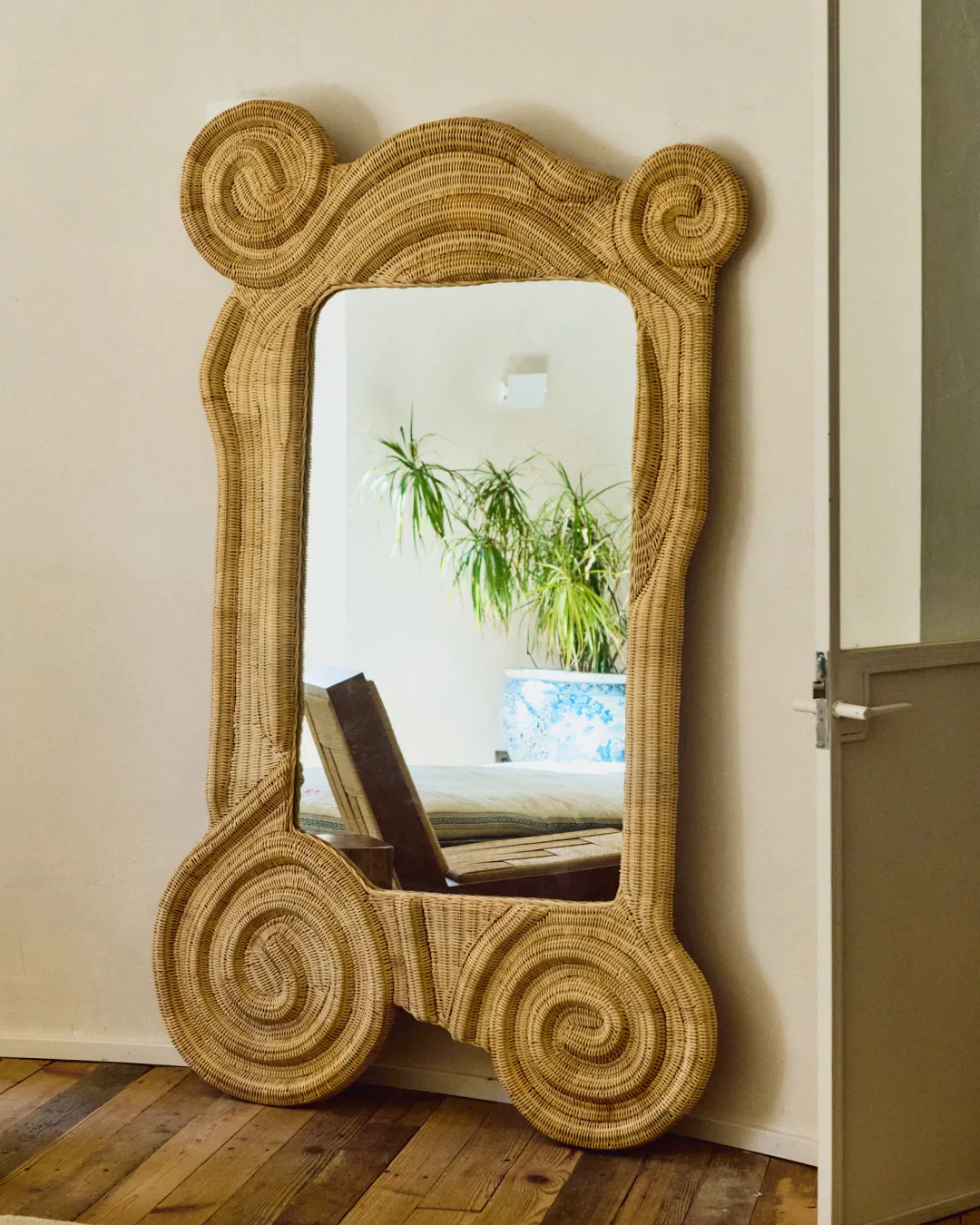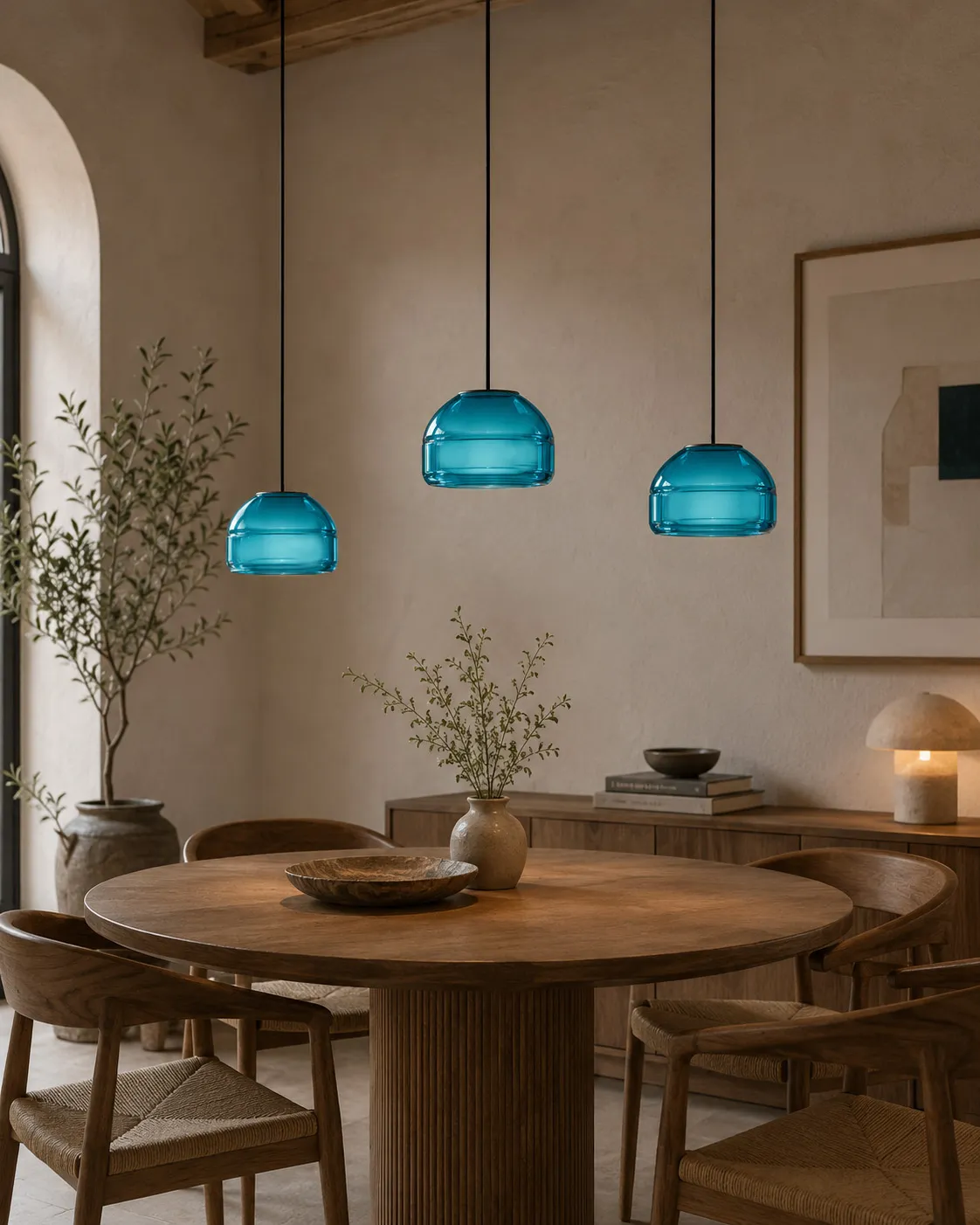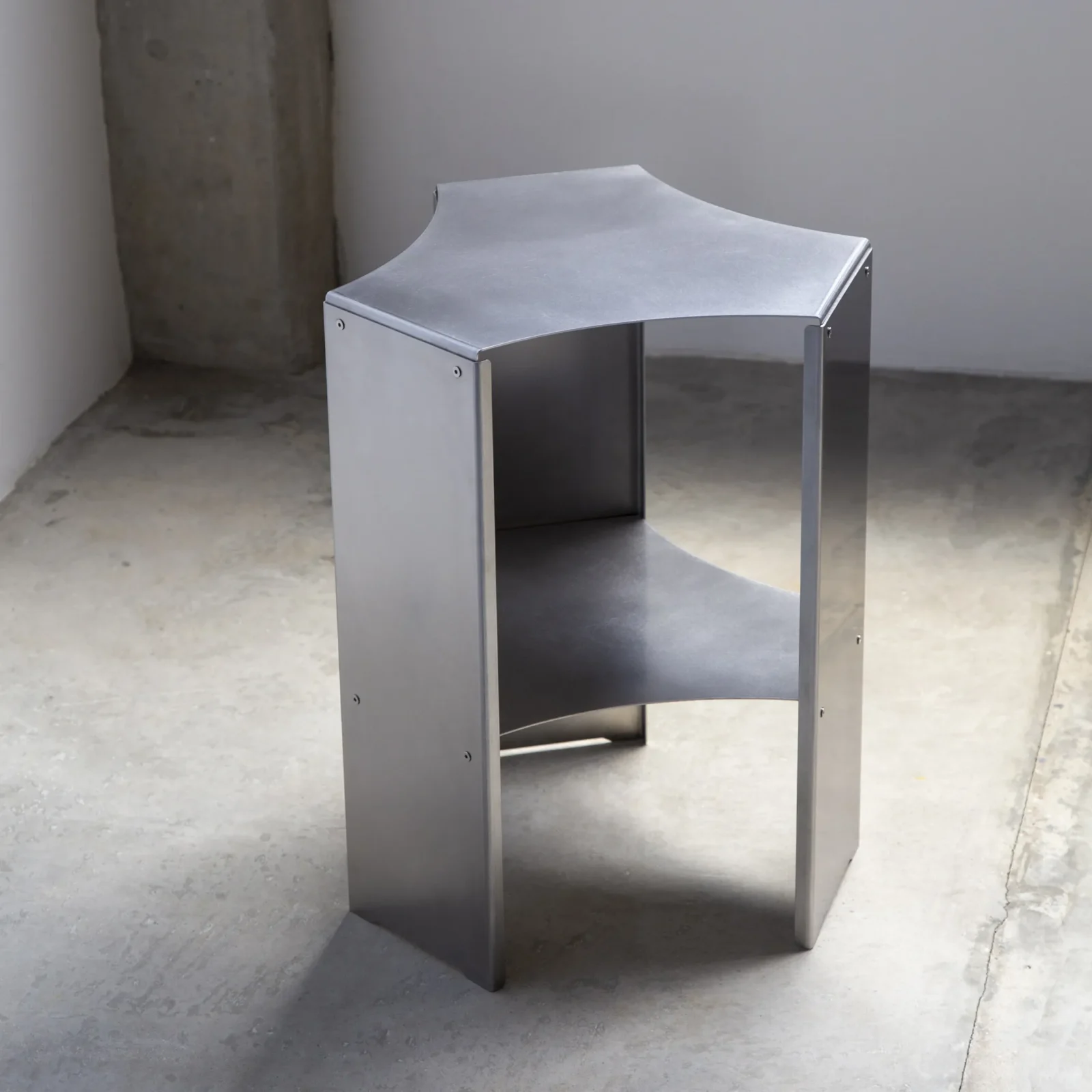
When so much can be produced without a maker, what do we choose to trust?
Updated on: October 22, 2026
ADORNO Future50 returned in 2026 at a moment when our instinct for recognizing human authorship feels less certain than before. As production scales beyond measure and the uncanny becomes part of everyday life, the line between what is made, generated or simulated keeps blurring. In this environment, design is judged not only by how it looks, but by who stands behind it, how it comes into being and what knowledge it carries.
Future50 2026 brings together 50 designers and studios whose work holds onto the human. This article introduces the idea behind the selection, the four lenses used to present it, and a first look at some of the studios involved.
What is ADORNO Future50?
Future50 is ADORNO’s annual selection of 50 independent designers from around the world whose work stands on the verge of wider recognition. The studios are chosen by ADORNO’s curators, who work in design scenes across more than sixty countries, alongside the open application process through which new studios join the platform. The selection is not a ranking or a forecast: it is a way of directing attention to practices that deserve it. You can see all 50 studios on the Future50 2026 page.
This year’s selection turns toward designers whose practices reveal authorship through action: through material choices, repeatable processes and decisions shaped by experience. Future50 2026 is not a search for novelty, but a recognition of practices where authorship, material knowledge and repetition build into a body of work. The emphasis shifts away from immediate impact and toward the continuity of thinking that gives an object its presence and credibility.


Four ways of seeing human presence
Through February 2026, the 50 studios were introduced through four lenses, each offering a different way to consider how human presence still registers in contemporary design:
- Authority of the Hand: practices that put touch and embodied skill first, where the hand remains the primary tool.
- Process as Commitment: long-term inquiry, where returning to a process again and again becomes a form of dedication.
- Material Proof: a deep familiarity with how materials behave, allowing matter itself to shape decisions.
- Human Signal: a personal or cultural voice that cannot be separated from the work.
Together, these perspectives show how authorship persists even as production technologies change. The debate itself is not new: in the 19th century, the Arts and Crafts movement argued for the value of handwork against industrial production, and the later studio craft movement put materials directly into the hands of individual makers. Future50 2026 asks the same question for an age of automation and generated images.



What Future50 2026 says about design now
Looking across the 50 studios, a few clear threads stand out for 2026:
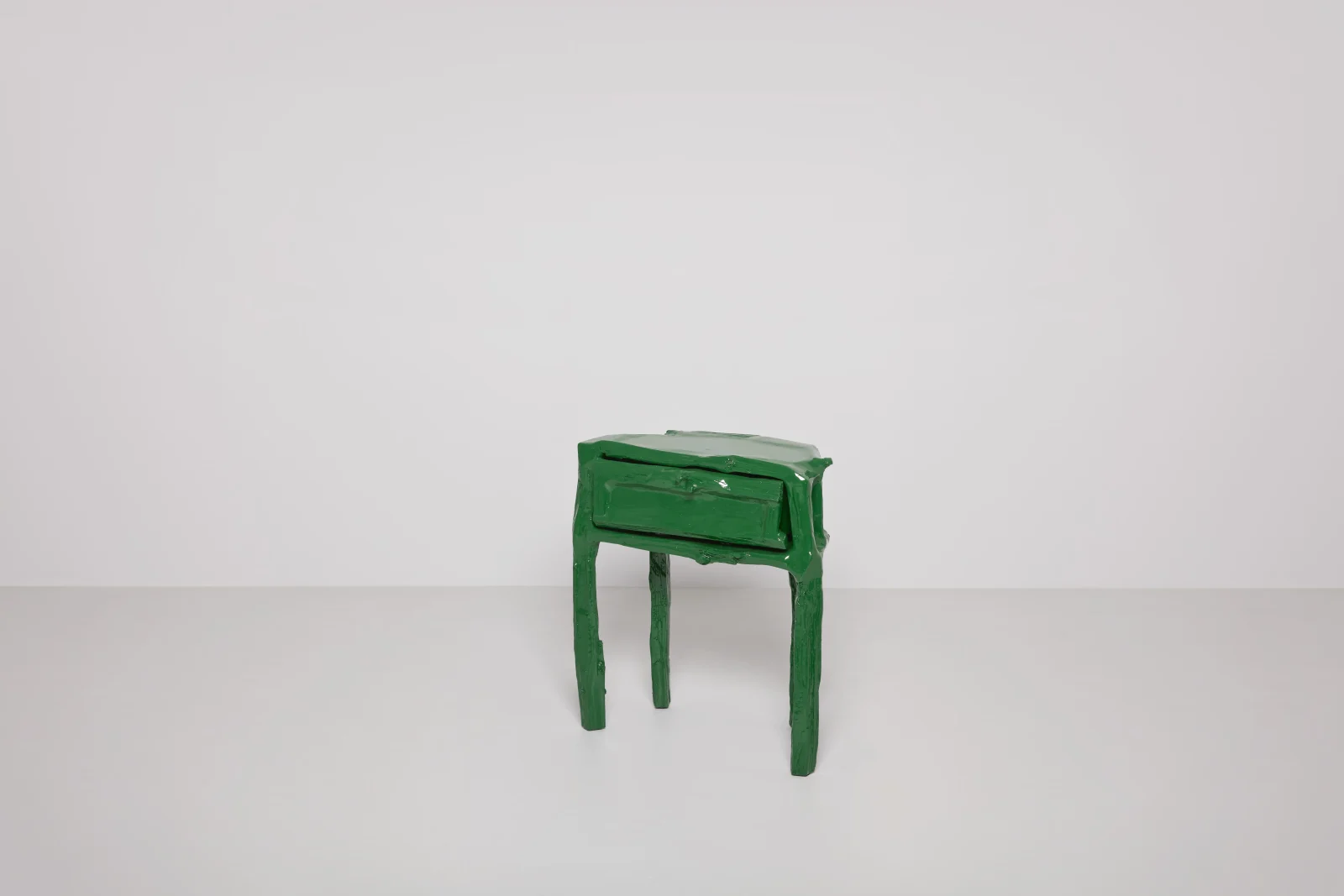
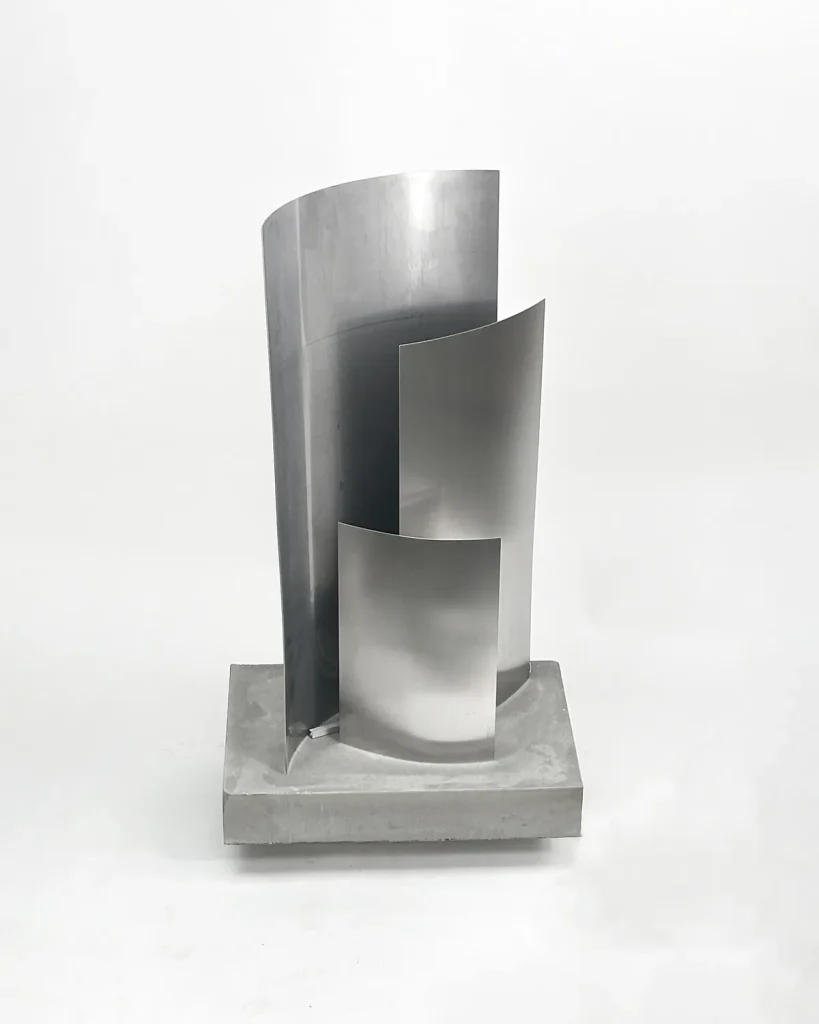
- Visible process: tool marks, seams and fixings are left on show rather than hidden, as in case studios’ riveted aluminum or the knitted forms of Atelier Nuanda.
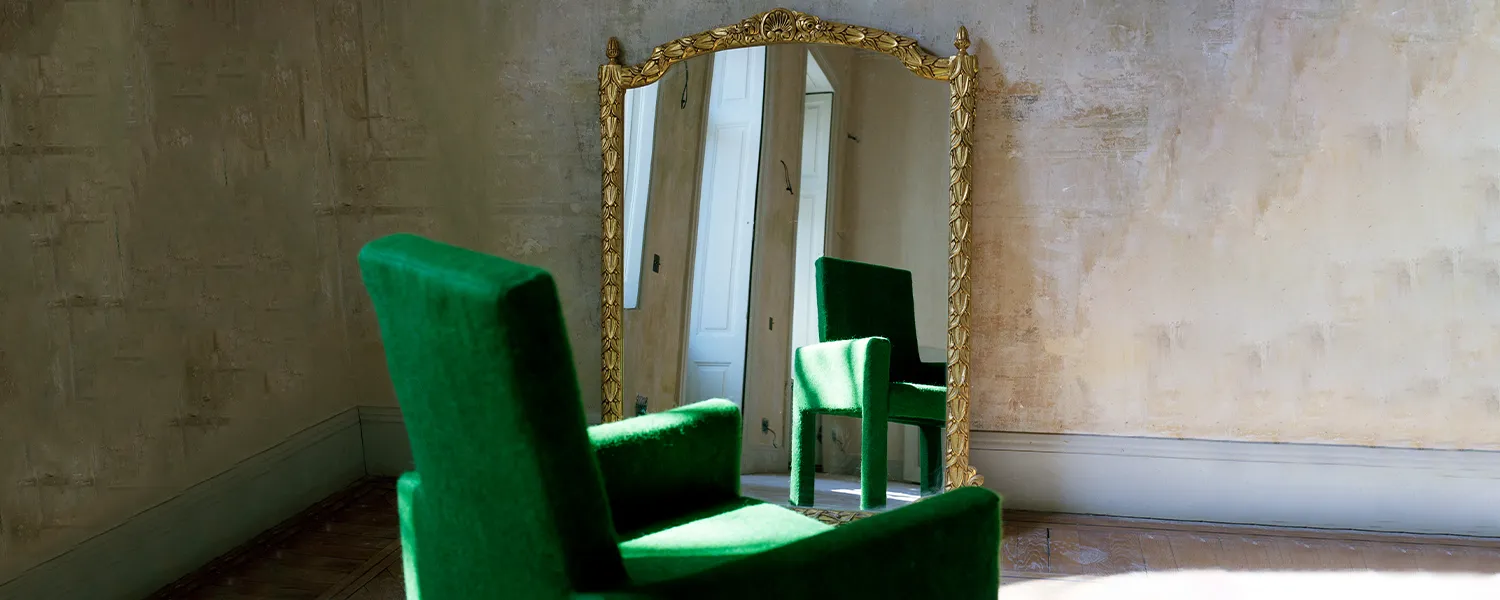
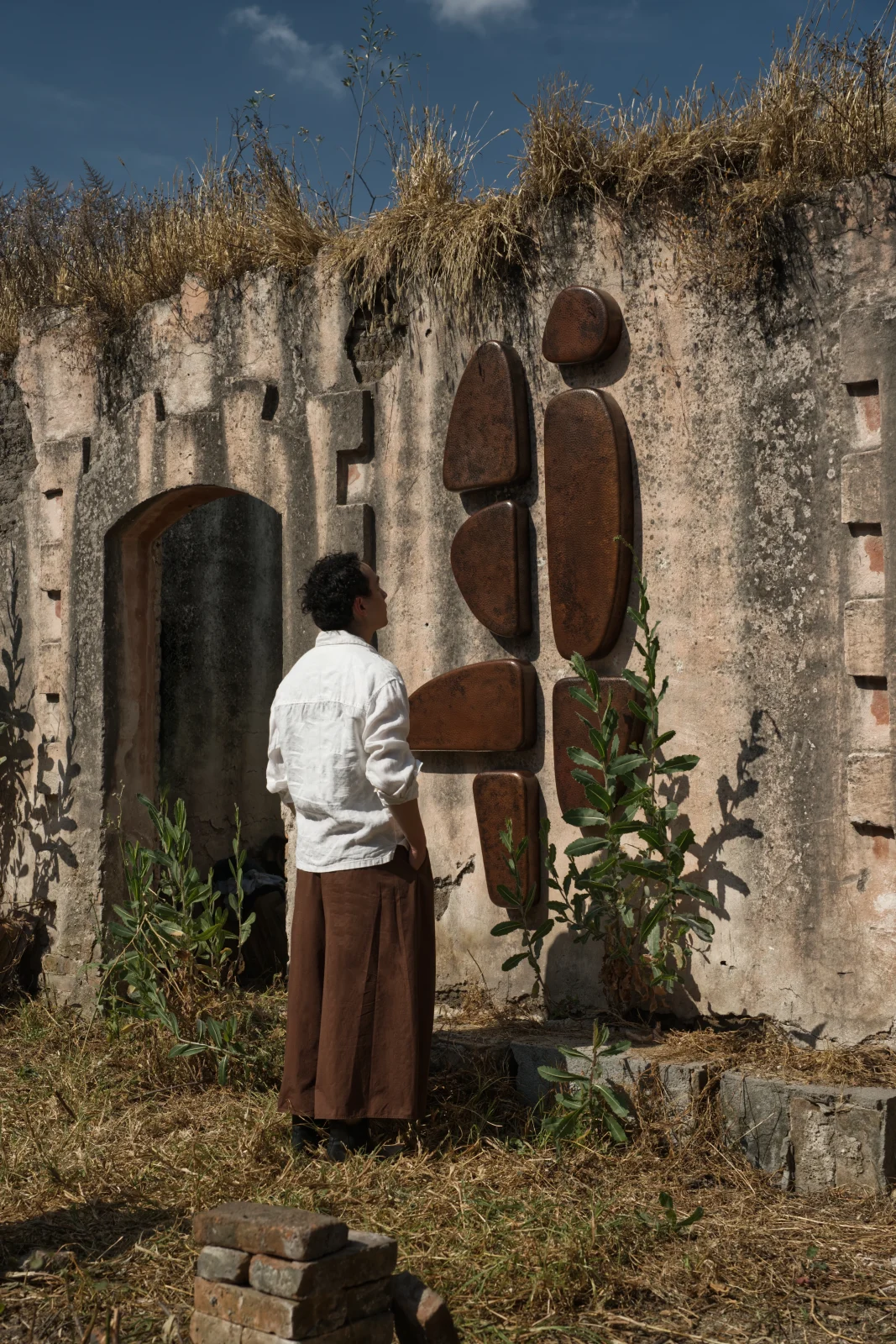
- Reused and recovered materials: Aura Carpio casts copper from workshop scraps, and Around the Studio builds chairs from upcycled parts.
- Local craft, global reach: studios from Mexico, India, Georgia, Canada, the Czech Republic, Turkey and beyond work with regional techniques while selling internationally.
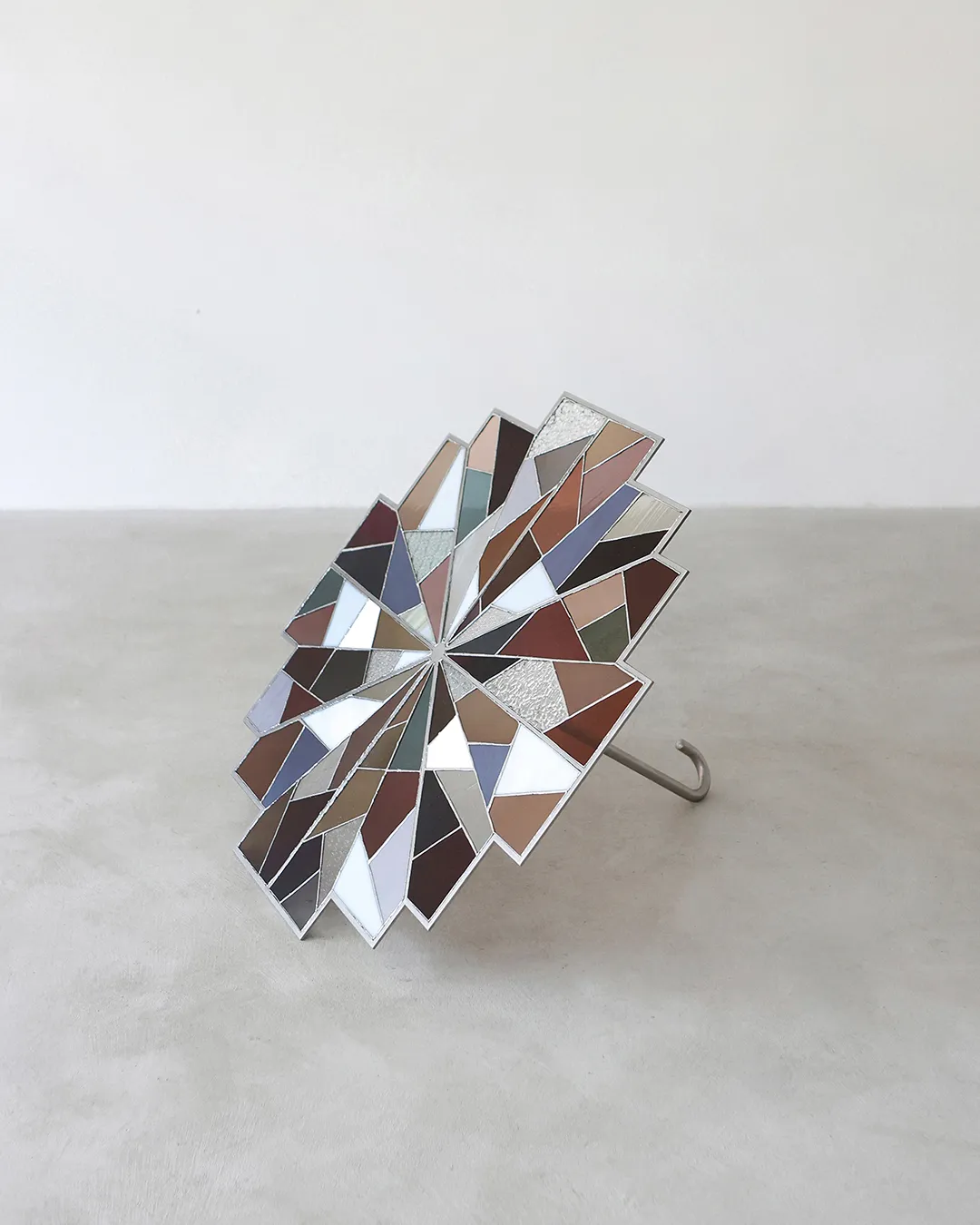
- Material as the starting point: from hot glass shaped by gravity at MILA ZILA to solid walnut at Studio Yann Gandon, the material often decides the form.
The same return to the hand runs through ceramics, as Wallpaper* shows in its survey of contemporary ceramic artists. For a wider view of why handwork still matters, read The Human Touch: Why Artisanal Techniques Still Matter and ADORNO’s guide to finding emerging designers.
A moment of attention
Future50 2026 is focused attention on designers whose work resists easy substitution. As production accelerates and appearances become easier to simulate, these practices show how trust grows through consistency, clarity and a lasting relationship between makers, their methods and the choices that define their work.


A first look at ten Future50 2026 studios
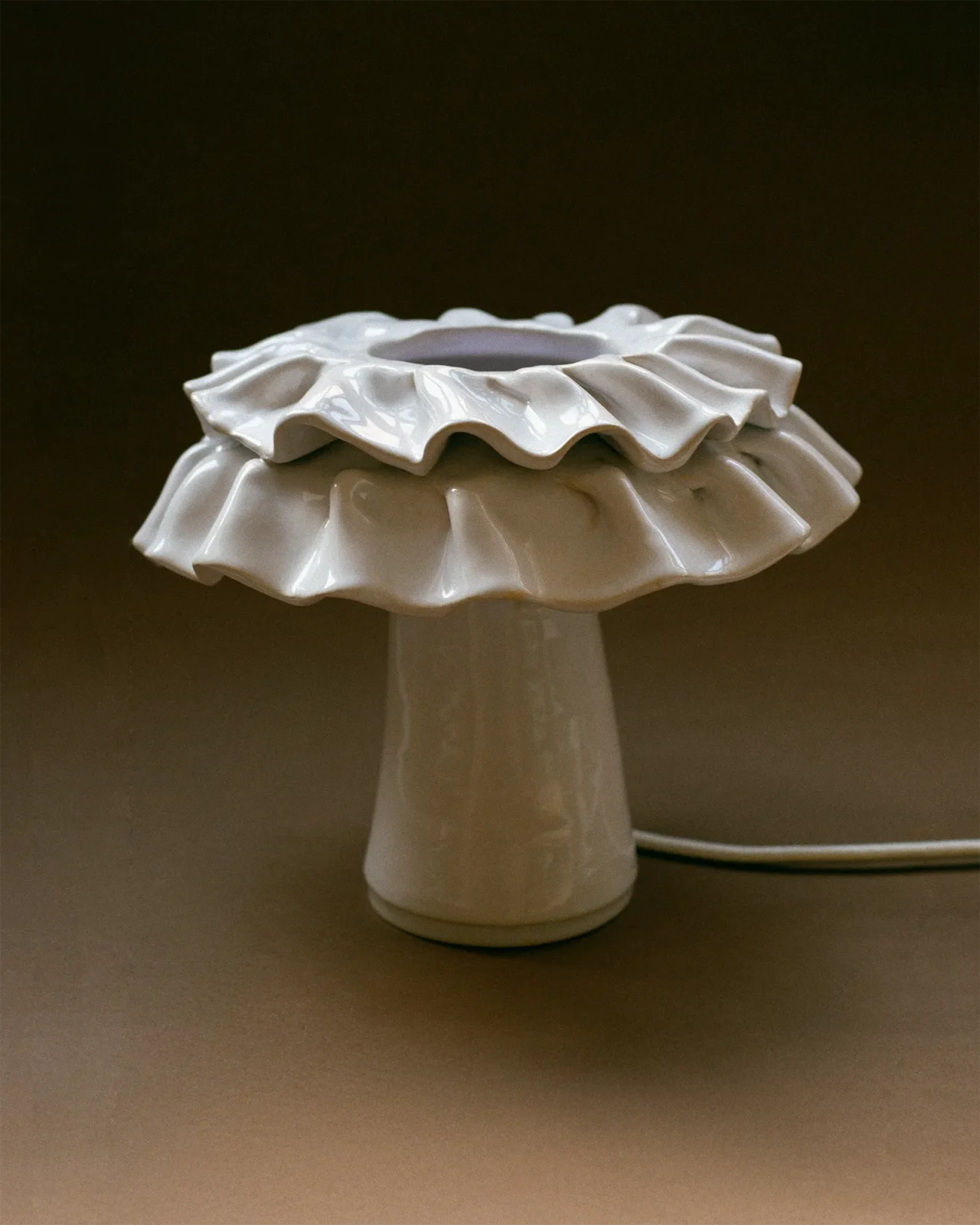
- Ceren Gürkan (Turkey): combines stoneware and hand-blown glass in lights that look like fragments of the seabed.
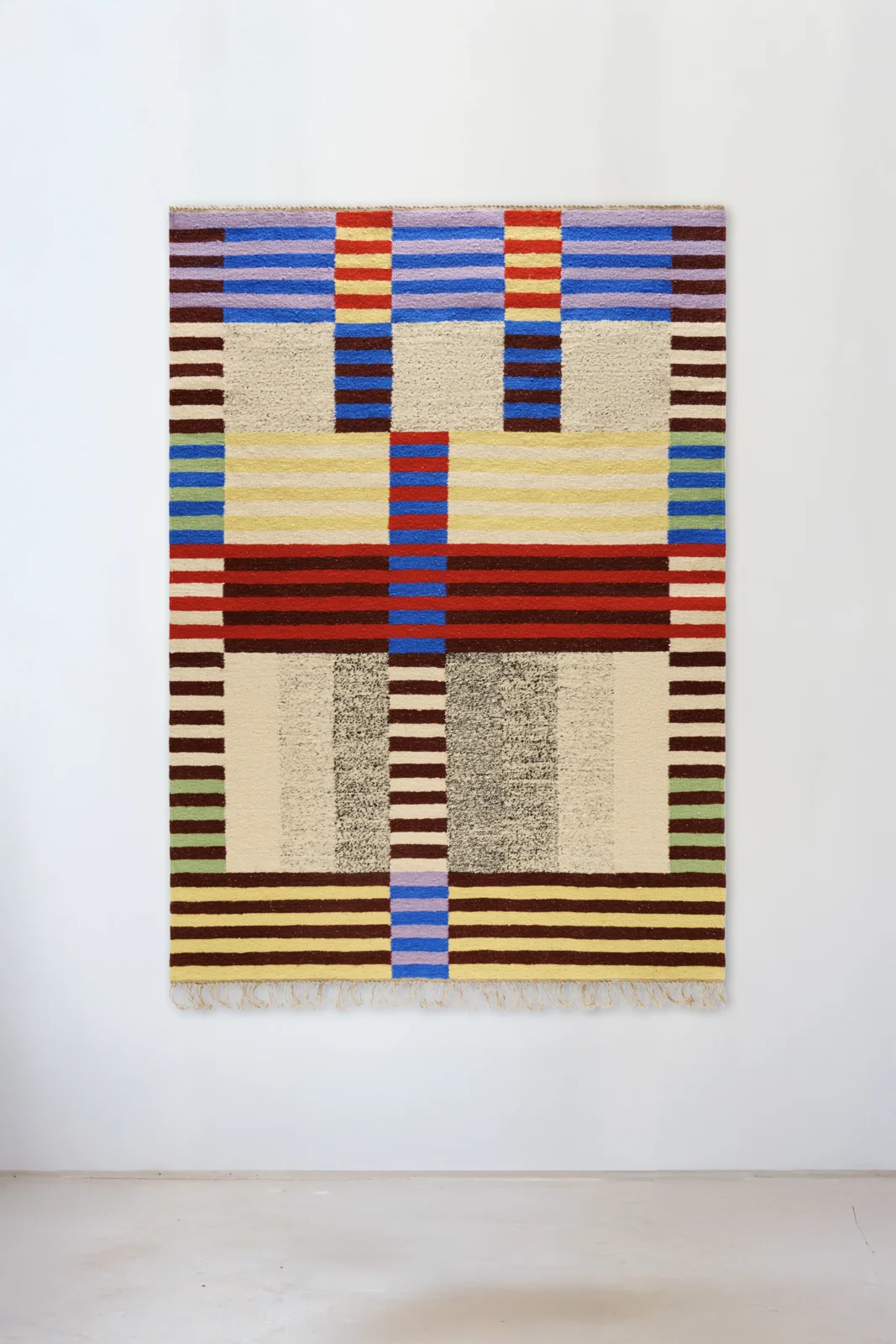
- Atelier Alz (Canada): pairs simple wooden frames with stretched textiles and heat-colored steel, keeping every joint legible.
- Vital Lainé (France): builds solid oak and maple furniture by hand in a small French workshop, where the grain guides each piece.
- Atelier Nuanda: knits cord and folds aluminum into sculptures, divider screens and lighting.
- Aura Carpio (Mexico): works with master coppersmiths in Santa Clara del Cobre, casting wall pieces from recovered scraps.
- Around the Studio (Georgia): assembles chairs and objects from upcycled components, so every piece carries a previous life.
- Shivangi Vasudeva (India): reinterprets traditional Indian furniture types, such as the takhat daybed, in solid wood.
- Studio Yann Gandon (Denmark): designs pared-back stools, chairs and benches in solid wood and rope.
- case studios (Germany): folds and rivets aluminum panels into tables and storage, with wood or blackwood inserts.
- MILA ZILA (Czech Republic): lets hot glass find its own shape through free-form gathering, then turns it into vases, mirrors and glassware.
How to explore and collect Future50 2026
Start with the Future50 2026 overview, where all 50 studios are listed, then read the four lens editorials to understand the thinking behind each group. Every studio has its own profile on ADORNO with its full collection, and most pieces are made to order, so you can often ask about sizes, finishes or materials directly. Interior designers and architects can also use ADORNO’s trade program when sourcing Future50 pieces for projects. Buying from a studio early in its career supports the maker directly, and it often means owning work from a first or limited edition.
Frequently asked questions about Future50 2026
What is Future50?
ADORNO’s annual selection of 50 independent designers and studios whose work stands on the verge of broader recognition.
What is the theme of Future50 2026?
Holding Onto the Human: design in which authorship, process and material knowledge remain visible.
Can I buy work by the Future50 2026 designers?
Yes. Each studio’s pieces are available on ADORNO, and every image in this article links to a piece you can buy.
How can designers be considered for Future50?
Studios are selected from ADORNO’s network and from designers who apply to join the platform through the open application.