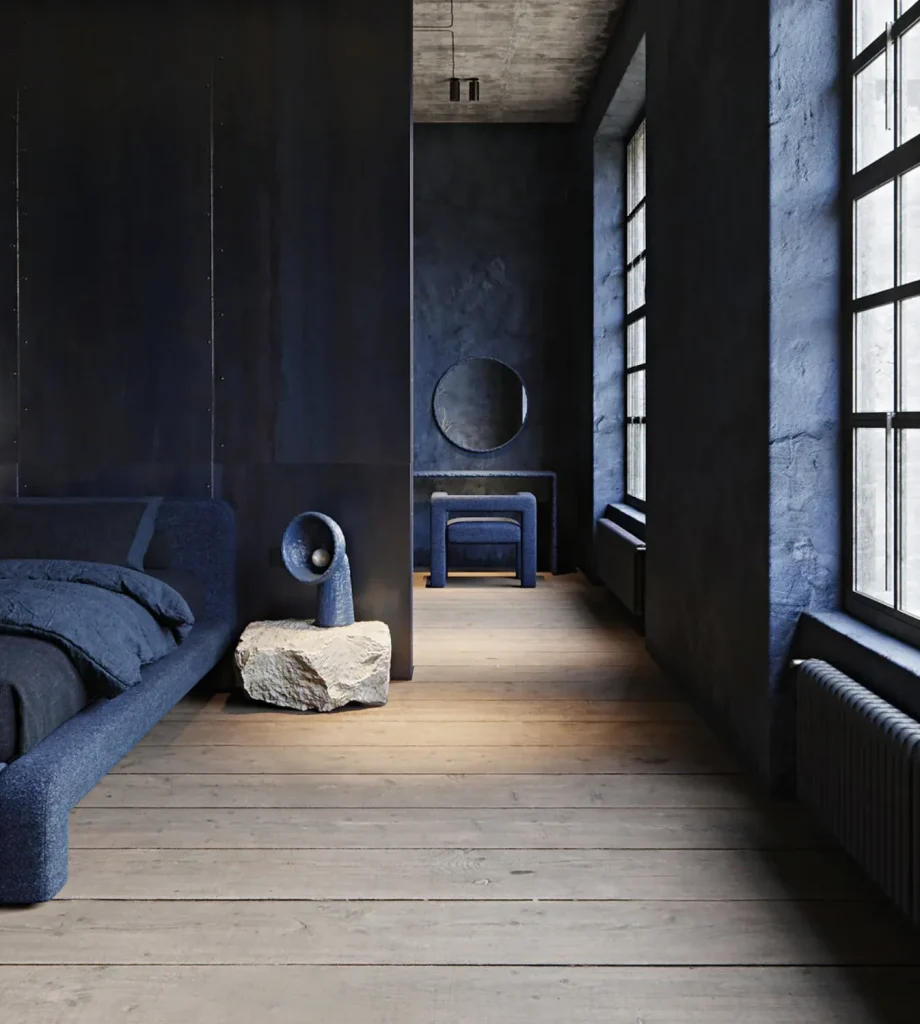
Functional Art: A Better Way to Describe Collectible Design?
Updated on: August 28, 2026
Over the past two decades, the term “collectible design” has become increasingly prominent in the art world, but as with many artistic labels, it is worth questioning whether it truly captures the essence of these pieces. The lines between art and design have always been fluid, influenced by personal interpretation and cultural context. Marcel Duchamp, who challenged conventional definitions, famously argued that art is more about the idea than the object itself, describing it as “a kind of inner current in a human being, or something which needs no definition.” But if definitions are necessary, could “functional art” be the more fitting term?
What is functional art?
Functional art is work that serves a practical purpose while being conceived and made as art. A chair you sit in, a vessel you drink from, a lamp that lights a room — each created with the same intention, authorship and conceptual grounding as a sculpture, and each still usable.
The term emphasizes the dual purpose of these works: they are utilitarian objects and artistic expressions. It shifts the focus from the passive act of collecting to the active engagement with art in everyday life. By framing pieces as functional art, we acknowledge their practical utility while also recognizing their artistic and conceptual qualities.
This resonates particularly well with handcrafted objects like ceramics. Functional ceramics — mugs, bowls, vases — are often dismissed as “craft” or basic “design” because they serve a purpose. But to the ceramicist these items are the art: handcrafted, sculpted, glazed and fired with the same intention and creativity as any other form.
What is the difference between art and design?
The conventional answer is intent: art exists to be contemplated, design exists to solve a problem. Art is judged on what it expresses, design on how well it works. In practice that division collapses almost immediately — a well-resolved chair expresses a position about the body, and a sculpture occupies space as physically as any table.
A more useful distinction is the one institutions actually apply. Art is generally treated as work made without a specified use; design as work made for one. That definition is administrative rather than aesthetic, and it has consequences — which is where functional art stops being a semantic question.
Why the label has real consequences
The exclusion of functional items from the “art” category is frequently driven by institutional definitions, which vary by country. In some cases, artists who make functional pieces are classified as businesses rather than artists, disqualifying them from grants and support reserved for non-functional art forms. It also bears on tax treatment and institutional recognition.
So finding the right terminology becomes more than an intellectual exercise. For a ceramicist whose entire output is drinkable from, the word chosen to describe the work determines what funding they can apply for.

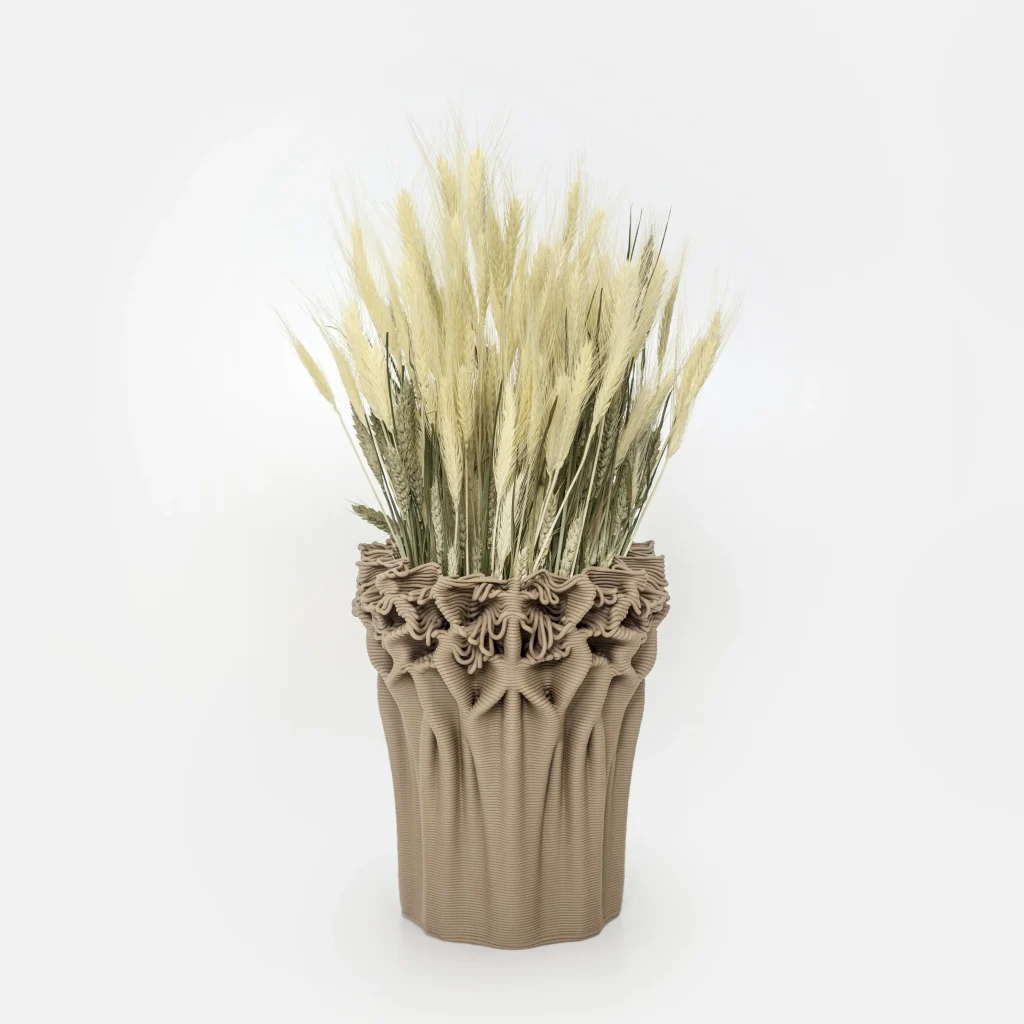
by Yoomoota

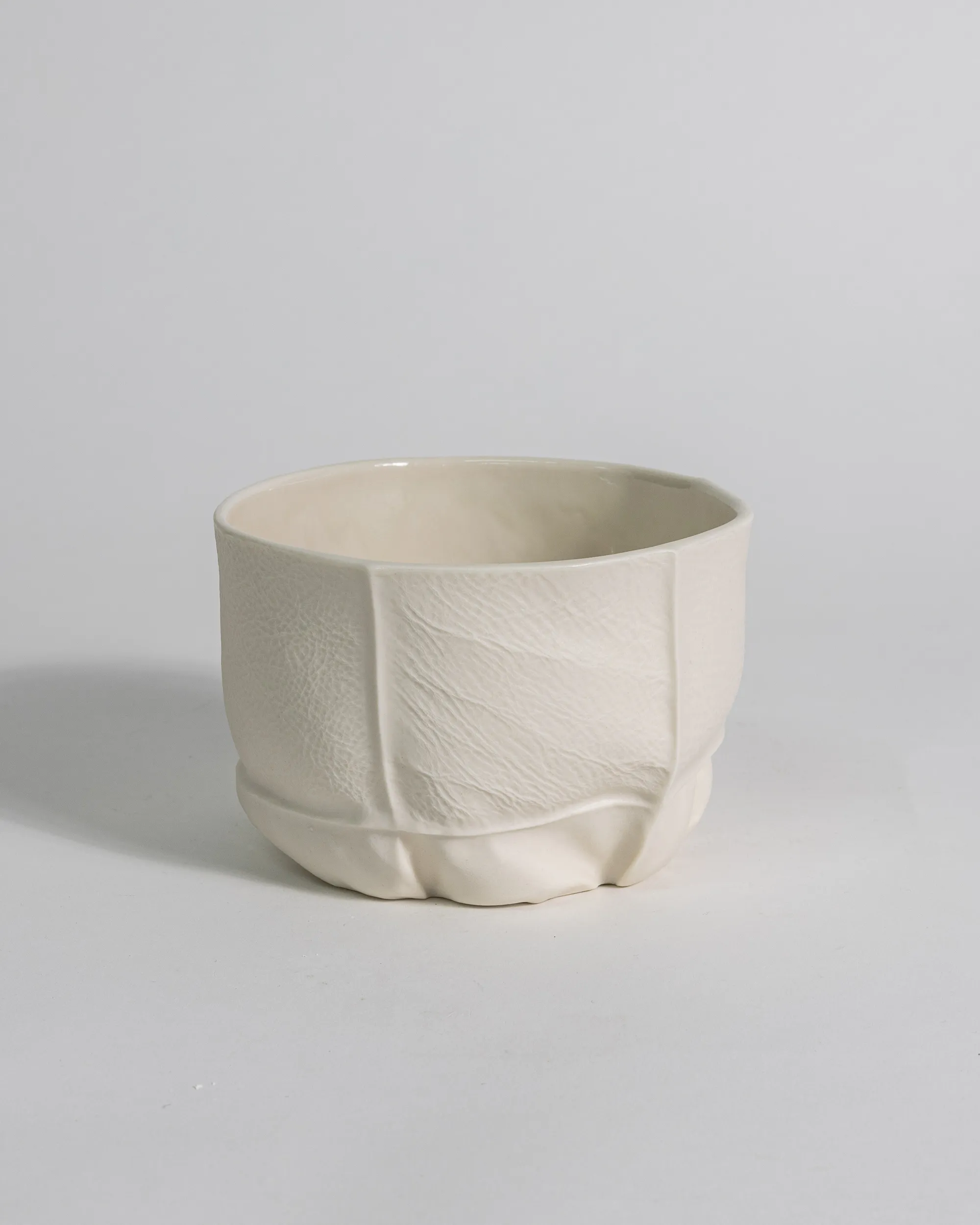
by TOUCH WITH EYES
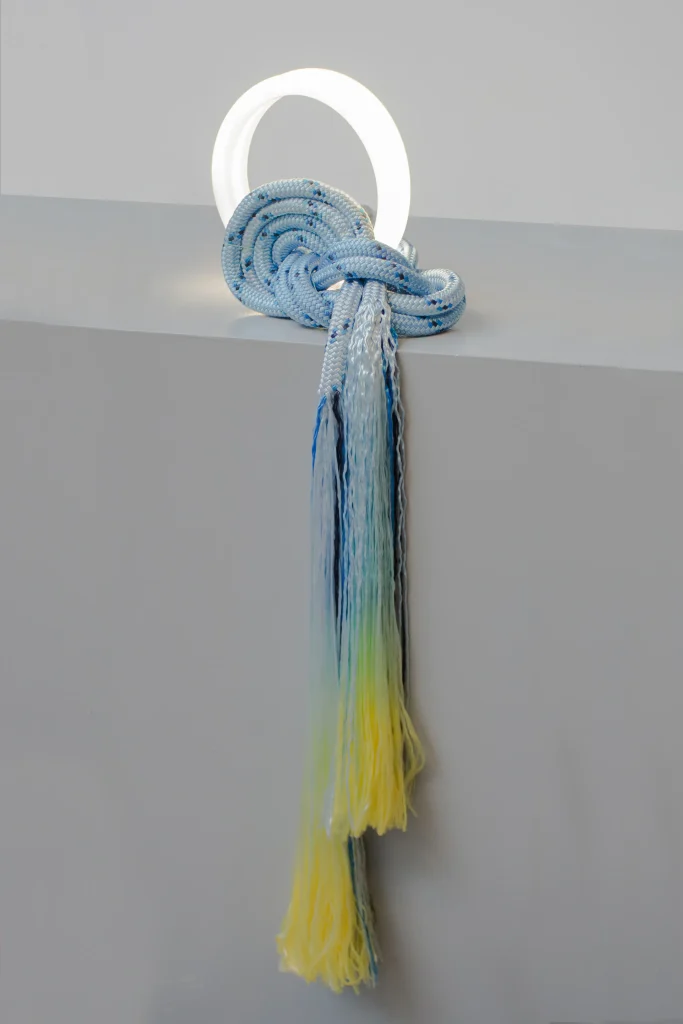
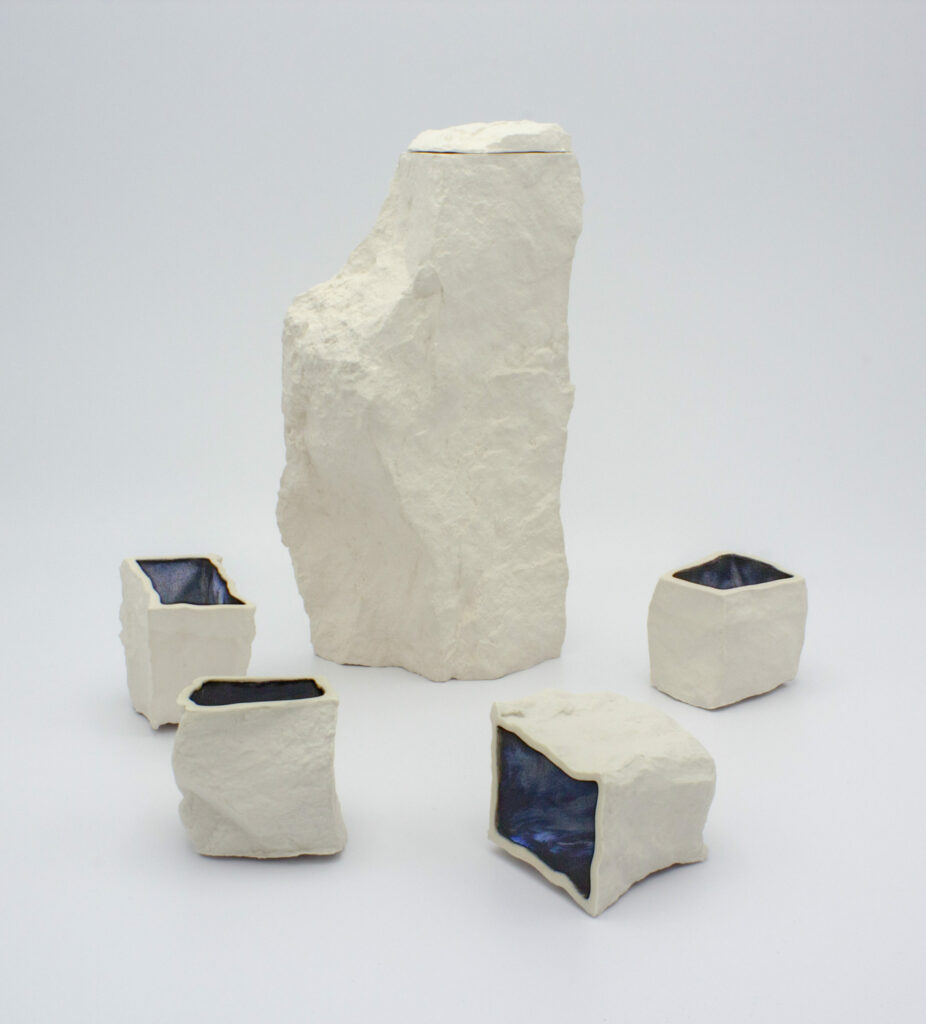
by Studio Pien Post

by Leo Maher
The evolving meaning and limitations of “collectible design”
“Collectible design” has traditionally referred to limited-edition or one-of-a-kind pieces occupying a middle ground between art and design. These items, from furniture to decorative objects, are recognised for craftsmanship, originality and artistic value.
However, the word “collectible” carries connotations of exclusivity and investment potential, which can overshadow the functional and creative aspects that make these pieces worth having. The label can also imply that the work is only for affluent collectors, distancing an audience who would appreciate the aesthetic and practical qualities but feel excluded by the term’s undertones.
Functional art examples: from the peeler to the plate
Functional design can be — and is — recognized as art. A useful example is the OXO Good Grips potato peeler, which sits in both the Museum of Modern Art’s permanent collection in New York and in millions of kitchen drawers. It is held up not just for its utility but for its innovative, ergonomic design — functionality and artistic value coexisting without strain.

The pieces below sit at various points on the same spectrum — tableware, glassware and candleholders made with authorship rather than as product lines.
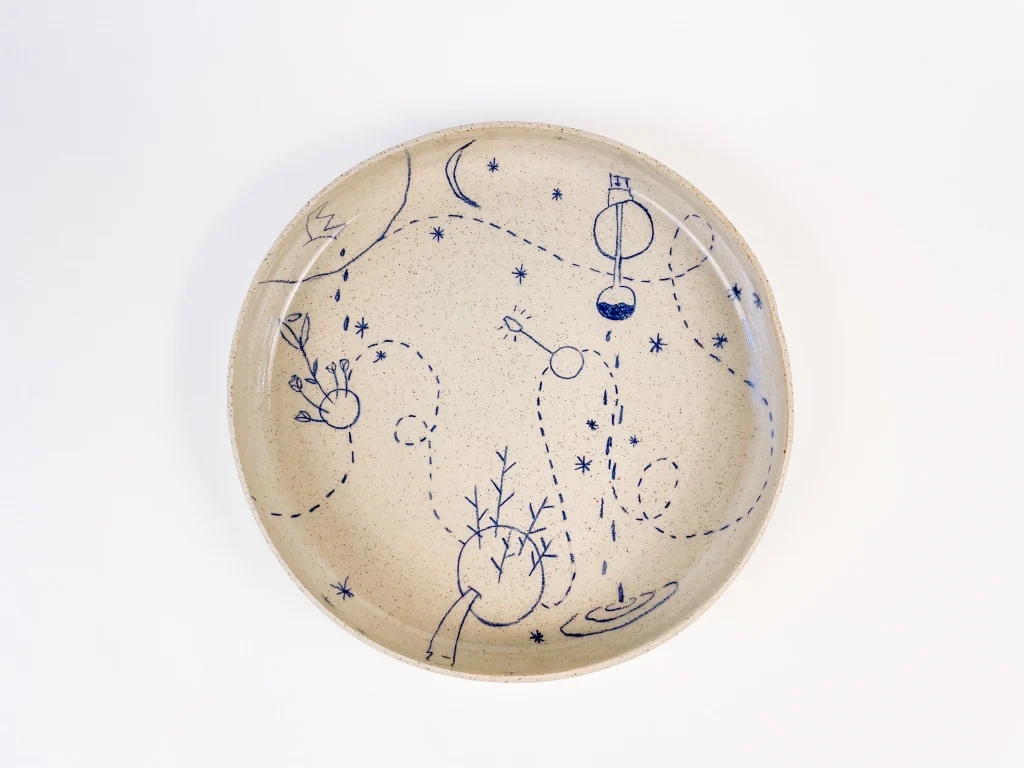
by ccontinua+mamt

by Elis Monsport

by Des Vases
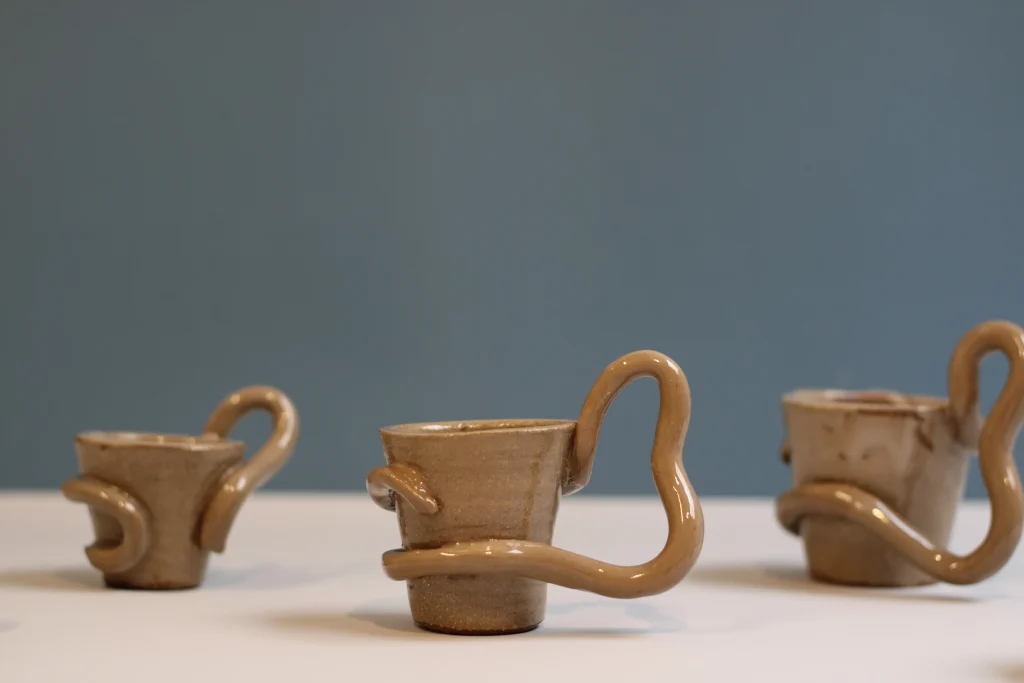
by Vale Ro
The continuum of functionality and art
When evaluating whether an object is “functional” or “art,” it helps to consider a continuum rather than a binary. A commercially produced ceramic mug from Crate & Barrel is designed for use, with some aesthetic consideration, but is not typically considered art. At the other end, a highly stylized antique Toby Mug at The Metropolitan Museum of Art was clearly made with artistic intent, yet is far less usable.
Both occupy different points on the same spectrum, which illustrates that the distinction is subjective and fluid. Notably, the two axes move independently: an object can gain artistic intent without losing utility, and the Toby Mug shows that it can gain intent while shedding it. That is why a single line between the categories has never held.
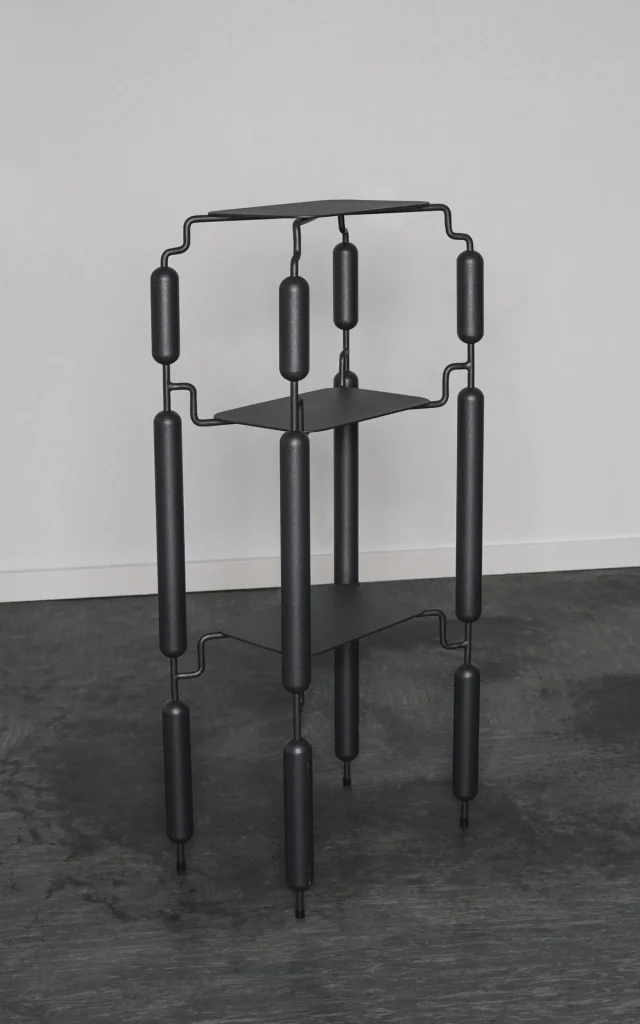
by Mati Sipiora
![foll[i] sculptural functional piece by Studio Etienne Bastormagi](https://media.adorno.design/wp-content/uploads/2021/05/12160635/0017-4.jpg)
by Studio Etienne Bastormagi

by sashaxsasha
Embracing a broader perspective
Adopting the term “functional art” opens a broader and more inclusive perspective that recognizes the artistic merit of everyday objects. It democratizes the appeal of this work, making it relevant to anyone who values creativity, craftsmanship and utility. Functional art is not only for elite collectors; it is for anyone who wants considered objects in daily use.

by Heilig Objects

by Benjamin Foucaud

by TOGIGI

by Federica Zama
Frequently asked questions
What is functional art?
Work that serves a practical purpose while being conceived and made as art — a chair, vessel or lamp created with the same intention, authorship and conceptual grounding as a sculpture, and still usable. The term recognises both halves rather than forcing a choice between them.
What are some examples of functional art?
Hand-thrown ceramics, hand-blown glassware, sculptural seating and lighting, and one-off cabinetry all qualify. The OXO Good Grips peeler in MoMA’s permanent collection is the mass-produced example most often cited. The test is authorship and intention rather than price or edition size.
What is the difference between functional art and collectible design?
They describe much the same objects from opposite ends. “Collectible design” foregrounds rarity, edition and investment value; “functional art” foregrounds use and artistic intention. The first describes how a piece is acquired, the second what it is.
Is functional art the same as functional sculpture?
Functional sculpture is a narrower term, usually reserved for work that reads as sculpture first and reveals its use second — a form you would take for an art object until told you could sit on it. Functional art covers the whole range, including pieces whose utility is immediately obvious.
Why does the terminology matter?
Because institutional definitions carry funding and tax consequences. In some countries a maker whose output is functional is classified as a business rather than an artist, which disqualifies them from grants available to non-functional practice. The label determines what support is accessible.
Can mass-produced objects be functional art?
Occasionally, and the peeler is the proof. But the continuum is useful here: most volume production sits at the functional end with limited artistic intent, while one-off and short-edition work sits further along. Neither position is inherently better — they are different points on the same line.
Final thoughts: functional art vs collectible design
As the design world evolves, so must the language we use to describe it. “Functional art” may be the more fitting and inclusive descriptor for what we currently call “collectible design,” capturing the dual nature of these pieces as both practical objects and works of art, and reflecting a segment where utility and artistry converge.
Whether you are a seasoned collector or new to the field, functional art invites you to explore objects that are as useful as they are considered. Definitive answers remain elusive, and this conversation will likely continue indefinitely — which makes it a good subject to ponder over a drink or two, from either an IKEA tumbler or a Jewelled Goblet.
