Updated on: August 28, 2026
Contemporary ceramics is being reshaped by artists who arrived at clay from somewhere else. Several of the ten below trained as architects or product designers first, and it shows — in how they think about structure, in what they ask the material to do, and in a willingness to treat a vessel as a structural problem rather than a craft tradition to be honoured.
What follows is ten contemporary ceramic artists working on ADORNO, each with a distinct technique: clay shaped by gravity, forms drawn from the seabed, digital fabrication, pre-Columbian references, and glaze experiments run for their own sake.
10 contemporary ceramic artists to know


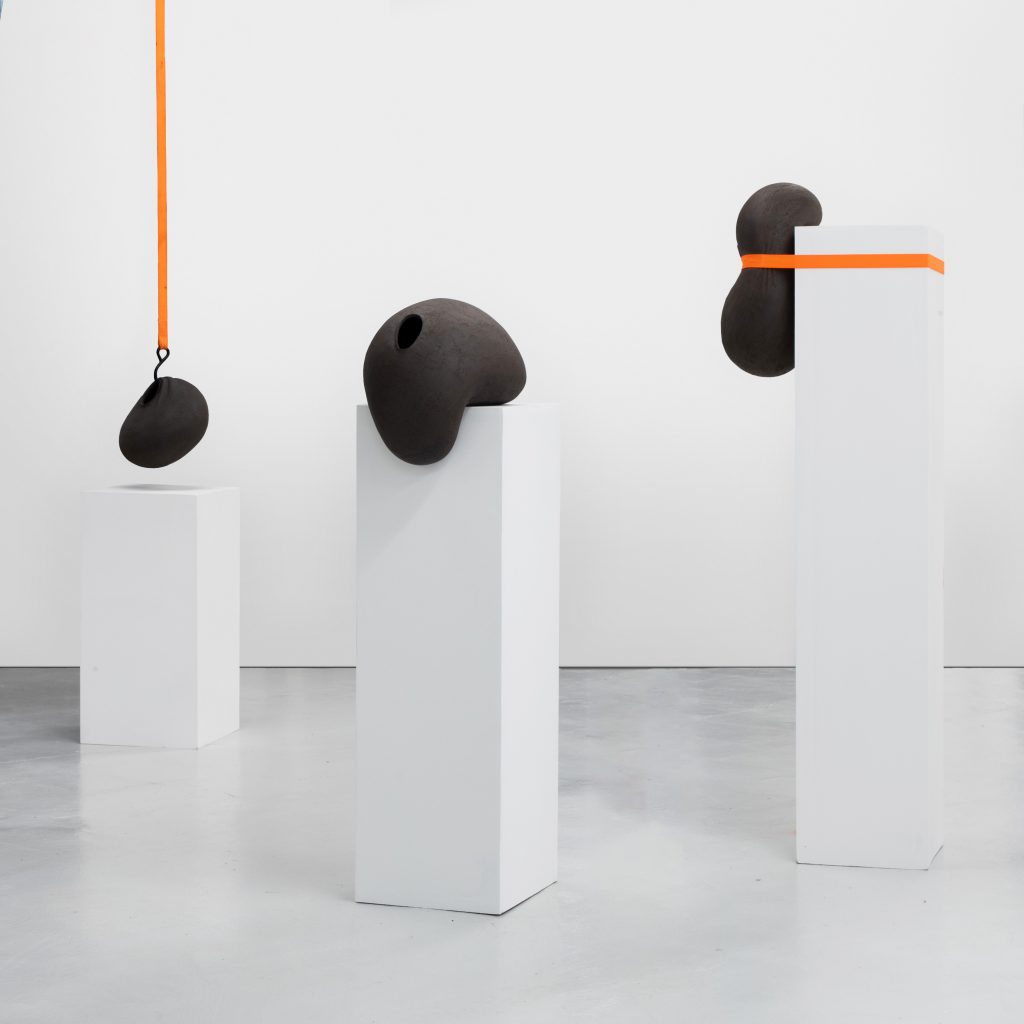
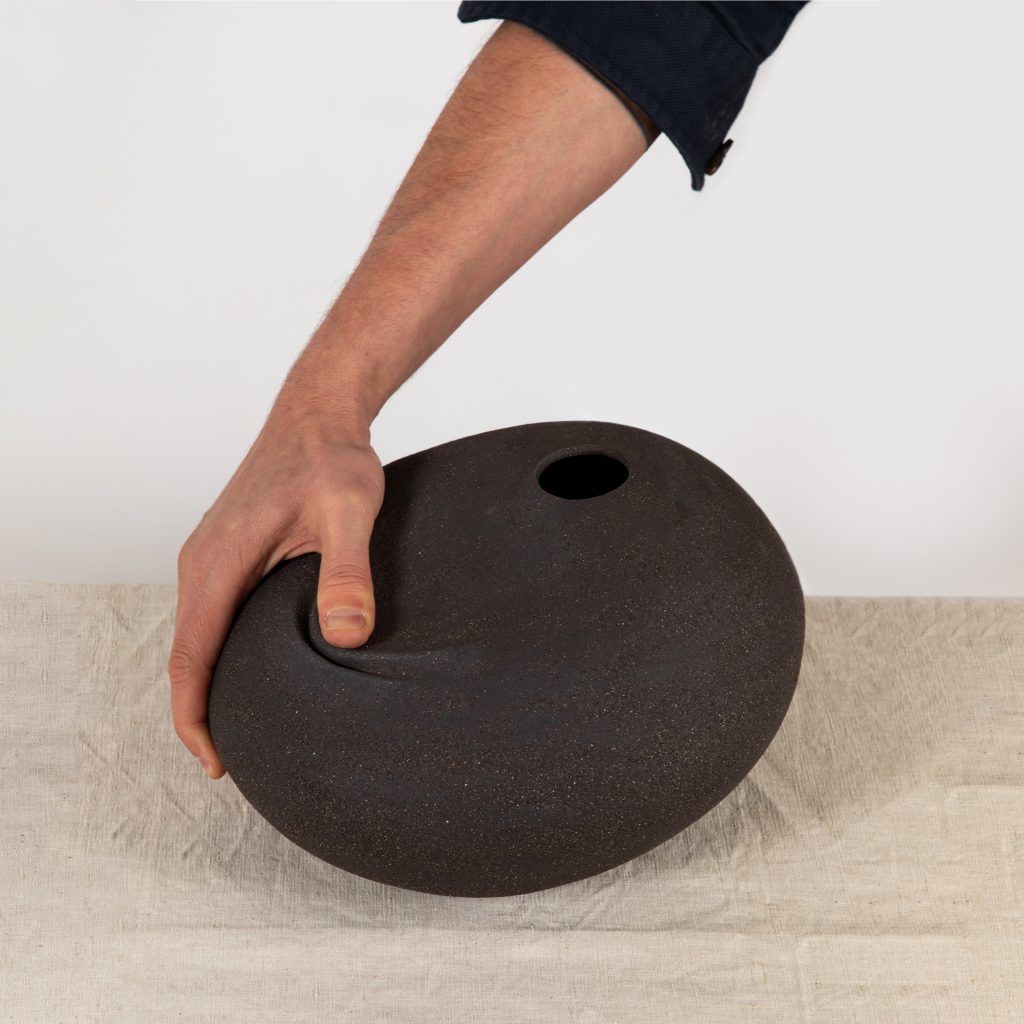
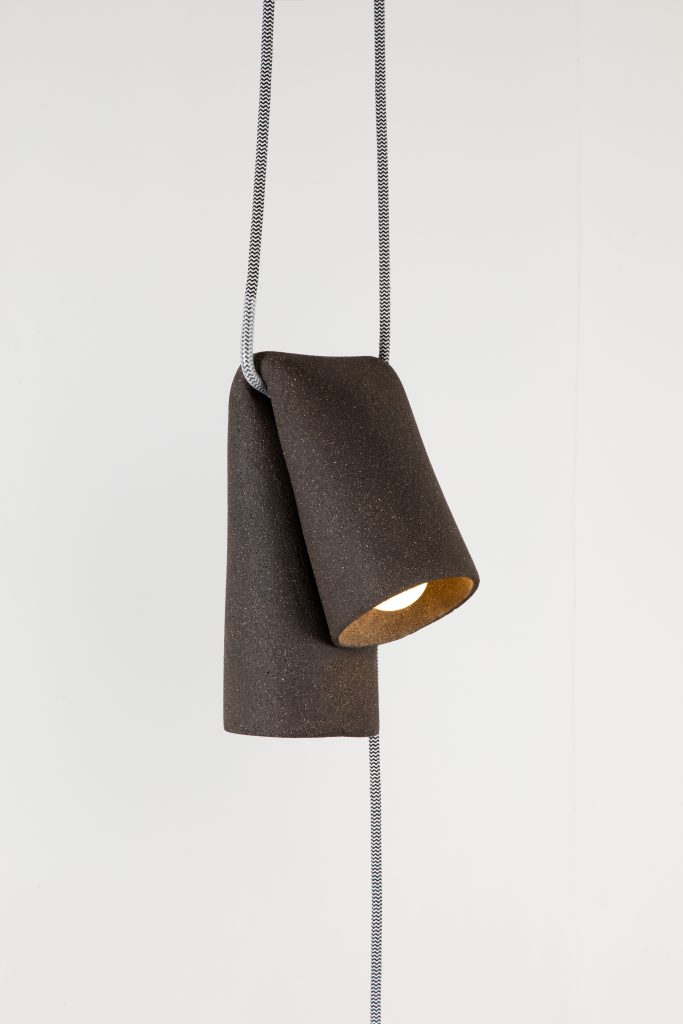
1. Catalin Filip – Melo Clay
Catalin Filip, working as Melo Clay, lets gravity do the shaping. He starts from basic geometry — cylinders and tubes — then bends, pulls and stretches the raw clay and allows it to settle under its own weight. The result is that his sculptural ceramic lamps and vessels look formed by circumstance rather than by hand.
His architectural training shows in the restraint: the forms are minimalist despite being made by a process he only partly controls, which is a harder balance than it sounds.
-
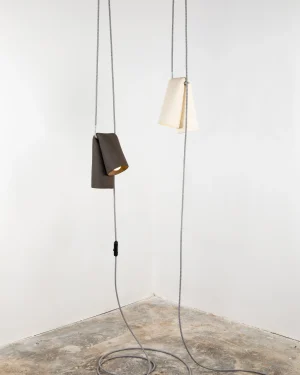 Melo Pendant Lamp In CeramicBy Catalin Filip€375 incl. tax
 -
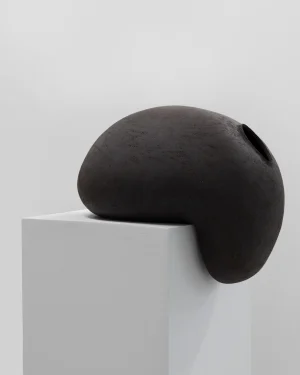 Movement Phase 1 – Black Sculptural Ceramic VesselBy Catalin Filip€1.688 incl. tax
 -
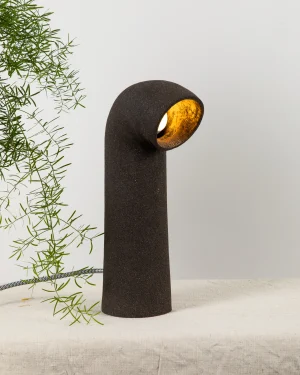 Melo C Table Lamp In Black CeramicBy Catalin Filip€338 incl. tax
 -
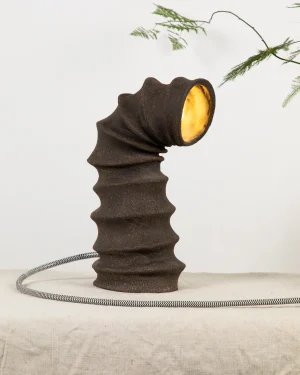 Rakis Lite Table Lamp – Black Stoneware CeramicBy Catalin Filip€569 incl. tax
 -
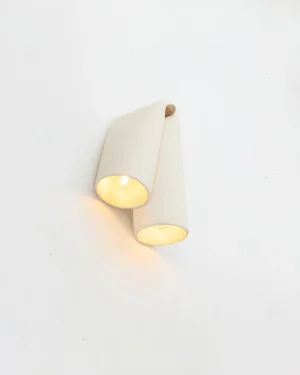 Melo Wall Sconce in Stoneware and Beech WoodBy Catalin Filip€438 incl. tax
 -
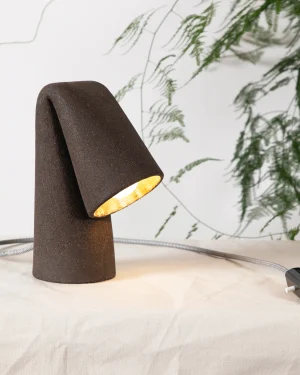 Melo Fold Table Lamp In CeramicBy Catalin Filip€363 incl. tax

2. Kallia Panopoulou
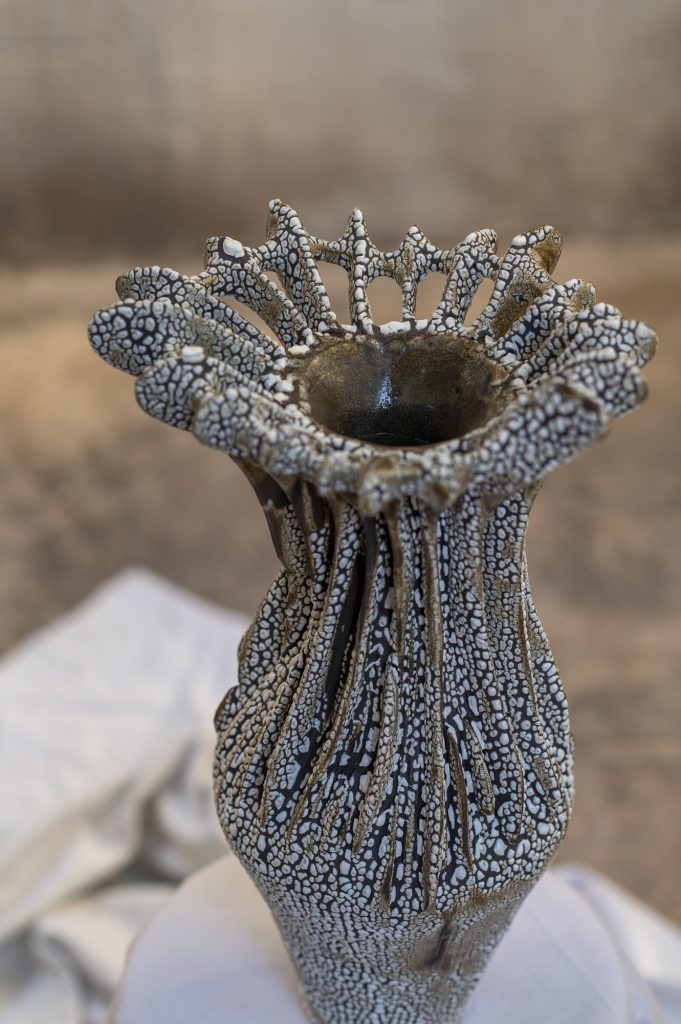
Trained in product design at Central Saint Martins, Kallia Panopoulou works where sculpture meets hand-building. Her pieces take their textures and elements from the seabed, and the reference is specific rather than decorative — surfaces that read as accreted rather than applied.
She came to ceramics in Athens under established ceramic teachers, and the shift from product design is itself notable: hand-building is the slowest route available, and choosing it after training in production is a deliberate rejection of the faster one.


3. Zeynep Boyan
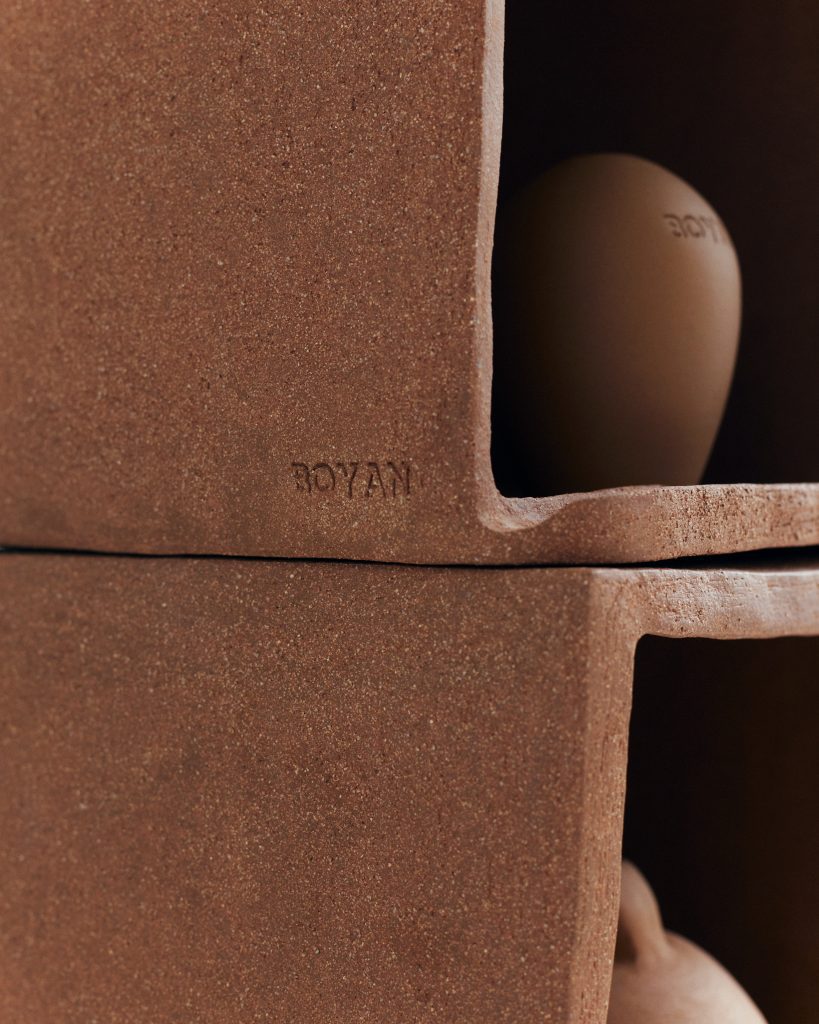
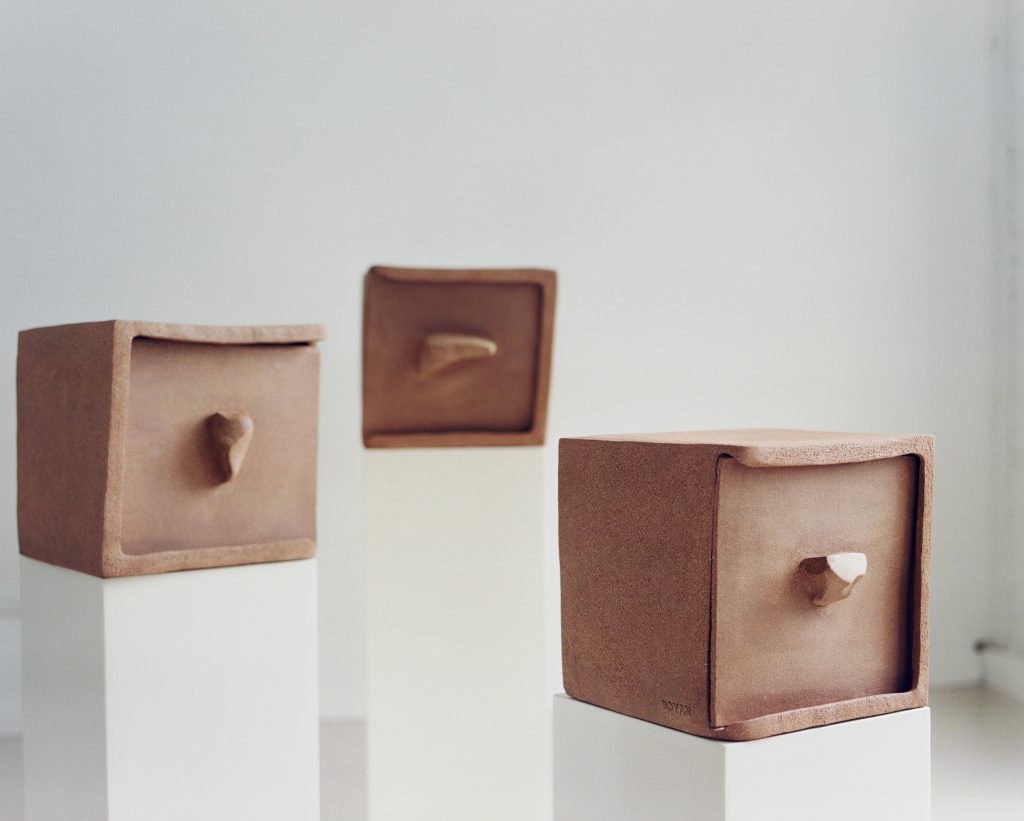
Based in Montréal, Zeynep Boyan hand-sculpts abstract and biomorphic pieces across sculpture, furniture and functional objects. Material, texture and form carry the work, and the recurring subjects are identity, connection and belonging.
Her pieces are built around the relationship between object, space and material rather than around a use — which puts her closer to functional art than to studio pottery, even where the outcome is usable.
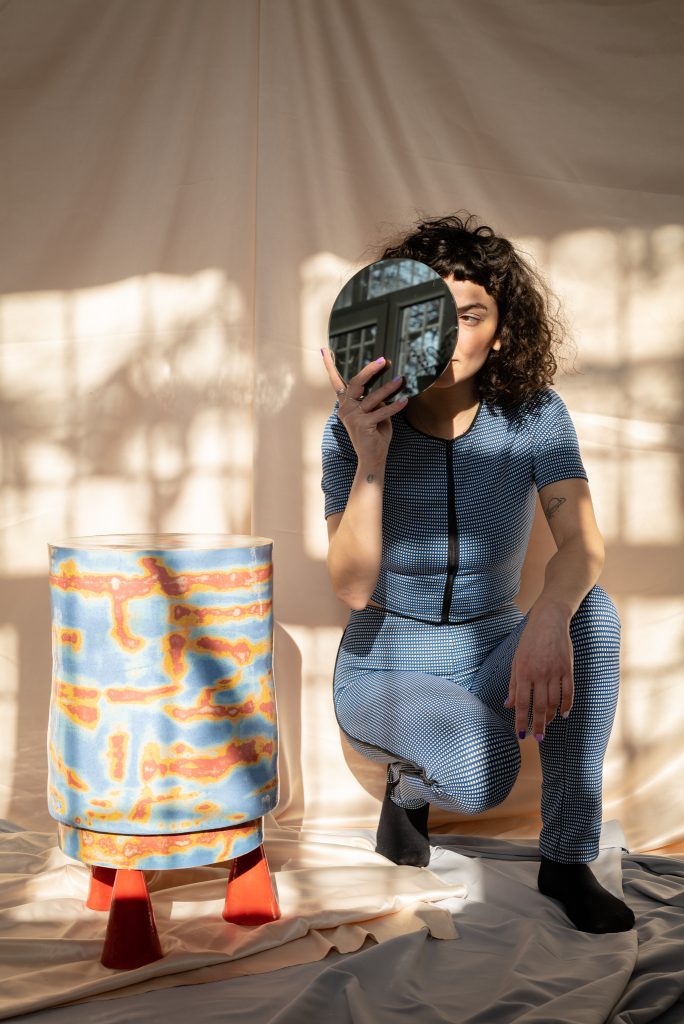


4. Vanessa Singenzia – UAU Studio
Vanessa Singenzia’s UAU Studio in Romania works instinctually rather than to a plan, producing limited-edition objects that hold form and function together. The Cat Cave is the clearest example — a ceramic side table whose hollow becomes a retreat for a cat, or a storage compartment if you have none.
The commitment to short editions is a practical constraint as much as a position: hand-built ceramics cannot be batched without losing what makes each one different.
-
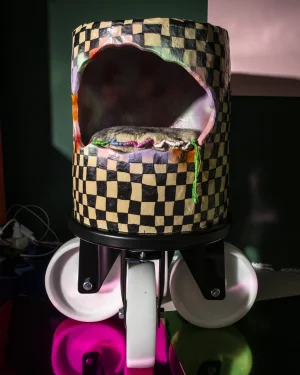 Cat Cave – Ceramic Side Table and Cat BedBy UAU Studio€2.000
 -
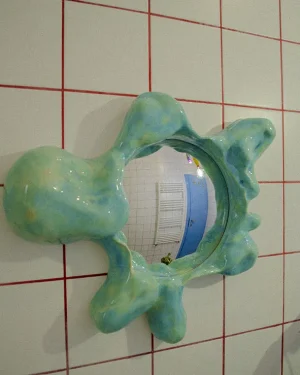 Butlers Mirror – Curved Glass Ceramic MirrorBy UAU Studio€1.200
 -
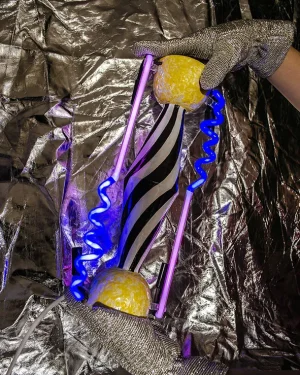 AnKa Colors of Dawn Table Lamp in CeramicBy UAU Studio€1.500
 -
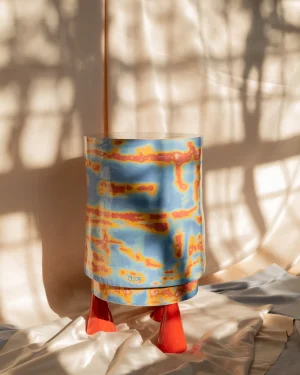 The OvenBy UAU Studio€2.088 incl. tax
 -
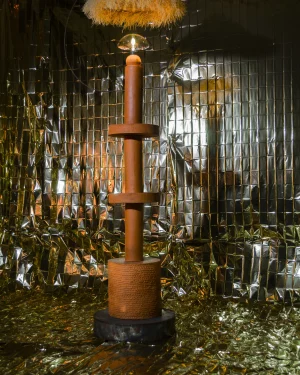 Badru Floor Lamp in Ceramic and RattanBy UAU Studio€4.250 incl. tax
 -
 “Kingfisher” CarafeBy UAU Studio€188 incl. tax



5. Elizabeth Vásquez – Polen Ceramic
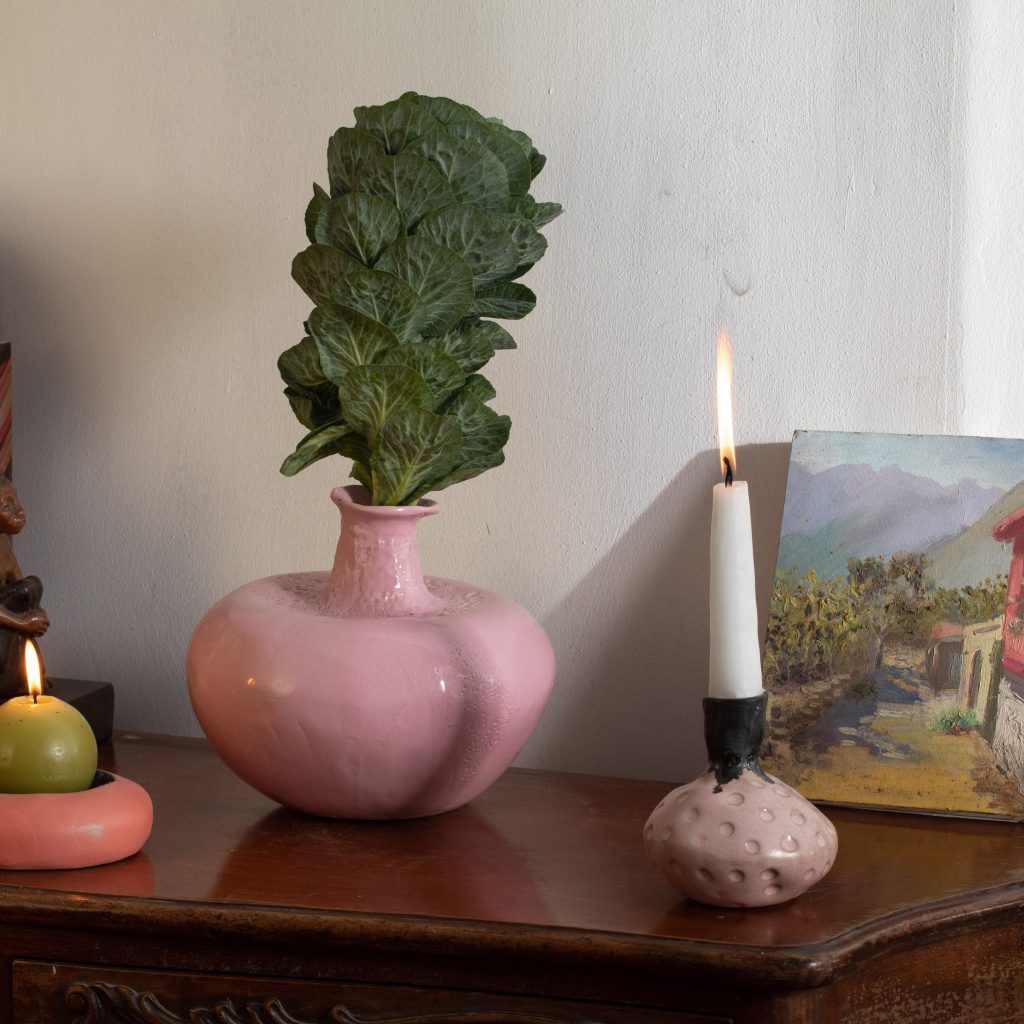
Elizabeth Vásquez Arbulú leads Polen Ceramic Studio, where contemporary functional design draws on pre-Columbian themes and local technique. Every piece comes from a matrix but is elaborated and coloured by hand, so no two match — see the Geocromatik pome stone for how that plays out.
The studio also teaches and collaborates, which matters more than it might appear: ceramic technique is transmitted by demonstration rather than documentation, so a working studio that also runs classes is doing preservation work alongside production. From Peru.


6. Andrei Clontea
A self-taught artist who moved from architecture into ceramics, Andrei Clontea builds sculptural forms drawn from nature, animals and the human body. Organic shape and earthy texture carry the work, held between rawness and refinement rather than resolved into either.
Structure, texture and light are the three things his architectural background brings — and light in particular, since a matte ceramic surface holds shadow in a way a glazed one cannot.
-
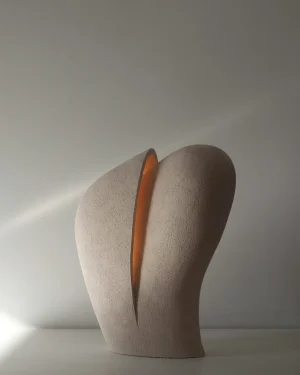 Mātra Table Lamp in CeramicBy Andrei Clontea STUDIO€800
 -
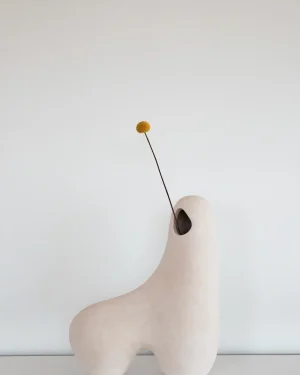 HĒrd 02 Ceramic VaseBy Andrei Clontea STUDIO€250
 -
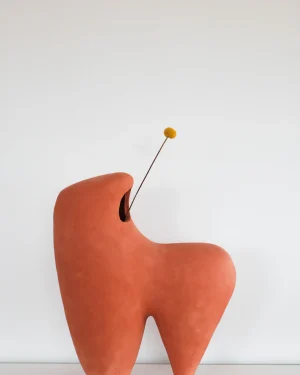 HĒRD 01.1 Ceramic VaseBy Andrei Clontea STUDIO€450
 -
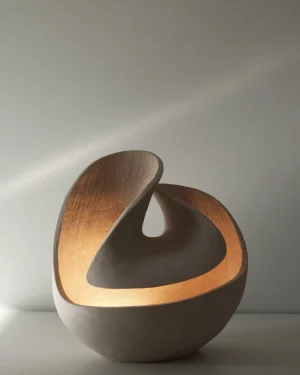 Athari Table Lamp in CeramicBy Andrei Clontea STUDIO€900
 -
 Āstra Table Lamp in ClayBy Andrei Clontea STUDIO€1.300
 -
 Astēri Table Lamp in ClayBy Andrei Clontea STUDIO€1.200


7. Craig Barrow
Craig Barrow works in object and sculpture, treating design as a response to shared relationships and to whatever the material turns out to do. His pieces originate in material exploration and production process rather than in a drawing, and he combines scientific with cultural research.
That makes his practice genuinely experimental in the strict sense — the outcome is not known in advance, and the studio functions as a test facility as much as a workshop.
-
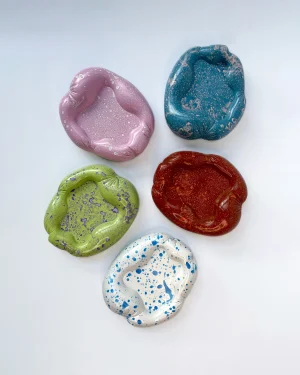 Desktop Swimming Pool – Speckled Jesmonite Tray/catchallBy Craig Barrow€133 incl. tax
 -
 “a Shallow And Salty Ocean” Carafe & Shot Cup SetBy Craig Barrow€473 incl. tax
 -
 A Shallow And Salty Ocean – Shot CupsBy Craig Barrow€89 incl. tax
 -
 “a Shallow And Salty Ocean” Porcelain CarafeBy Craig Barrow€294 incl. tax

8. Yiannis Vogdanis
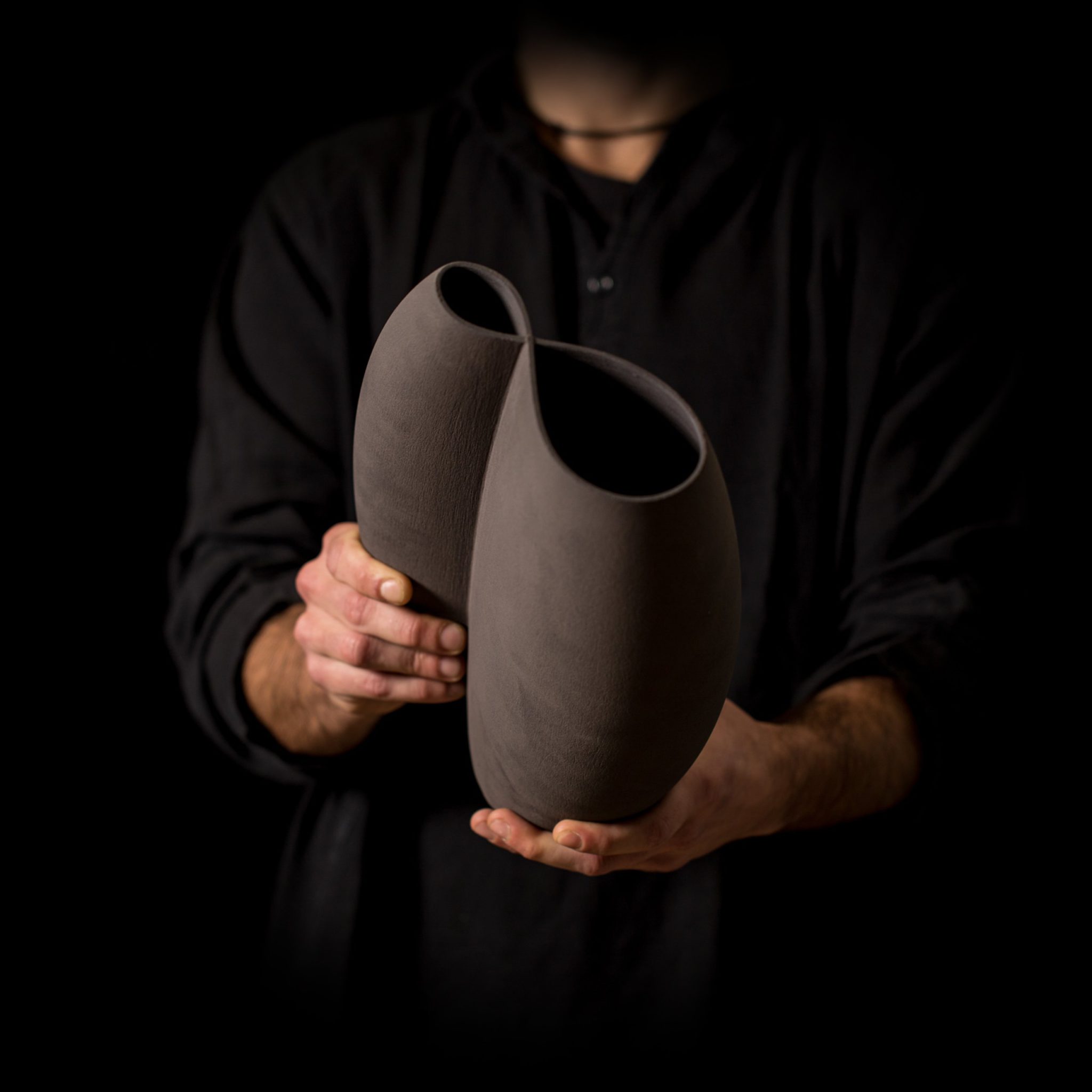
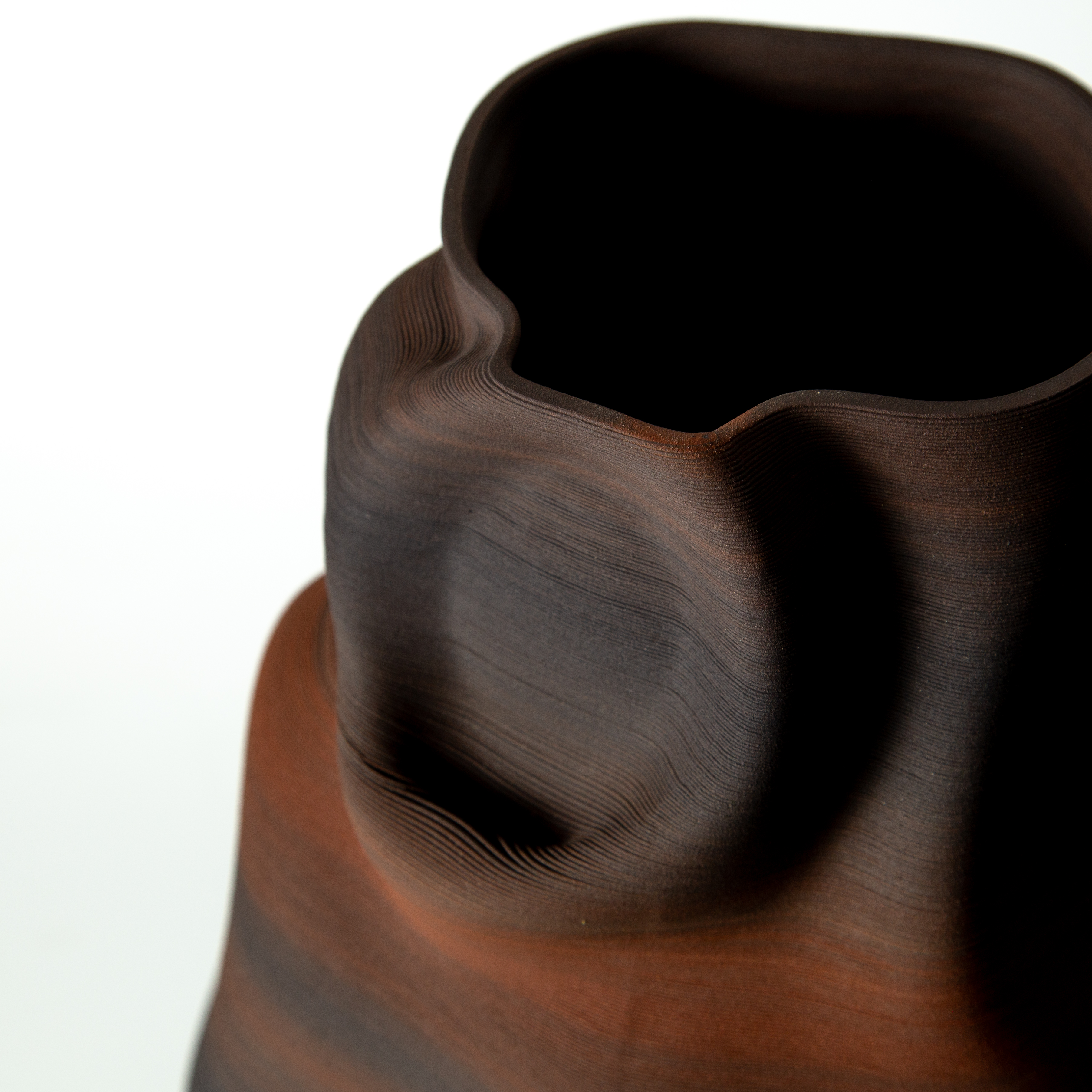
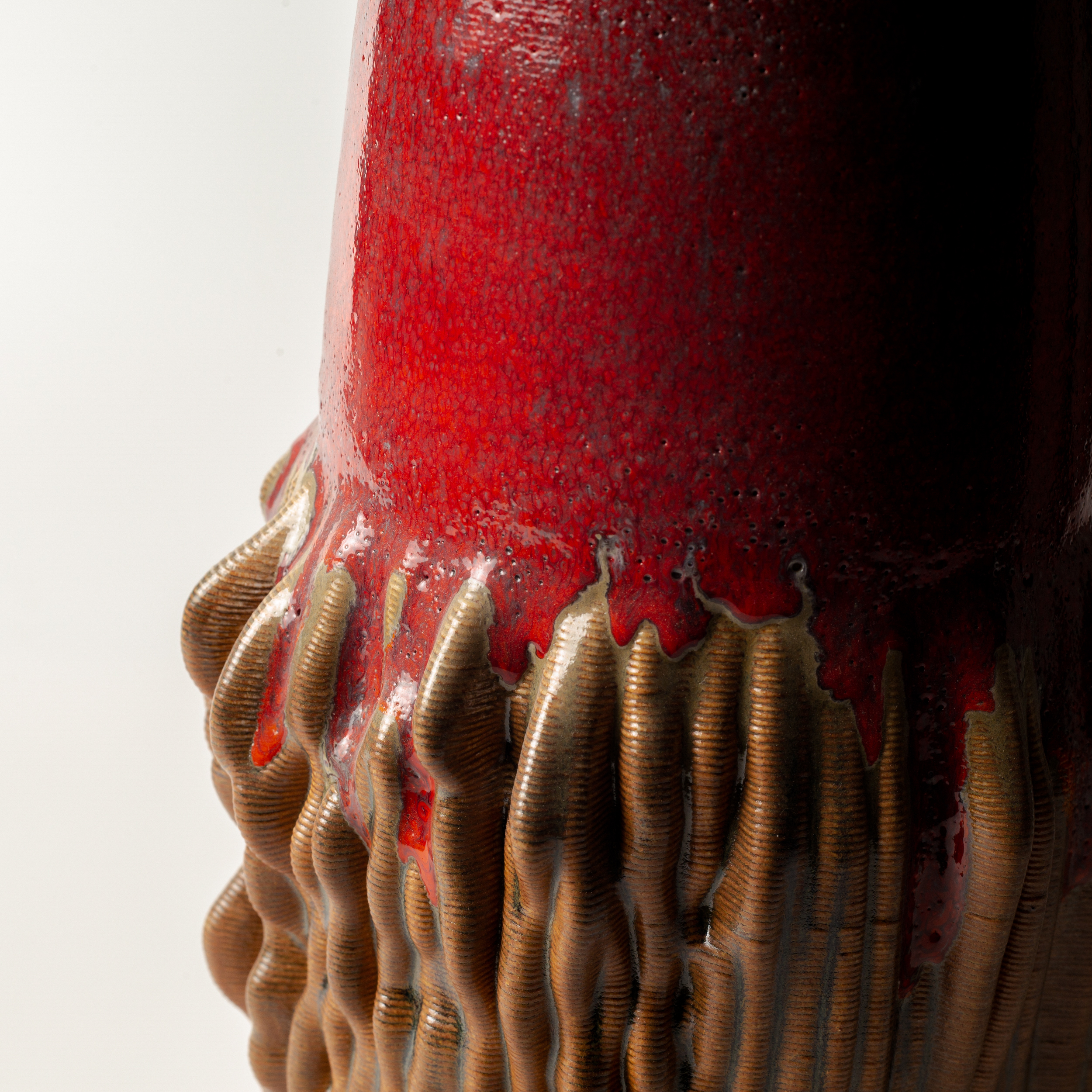
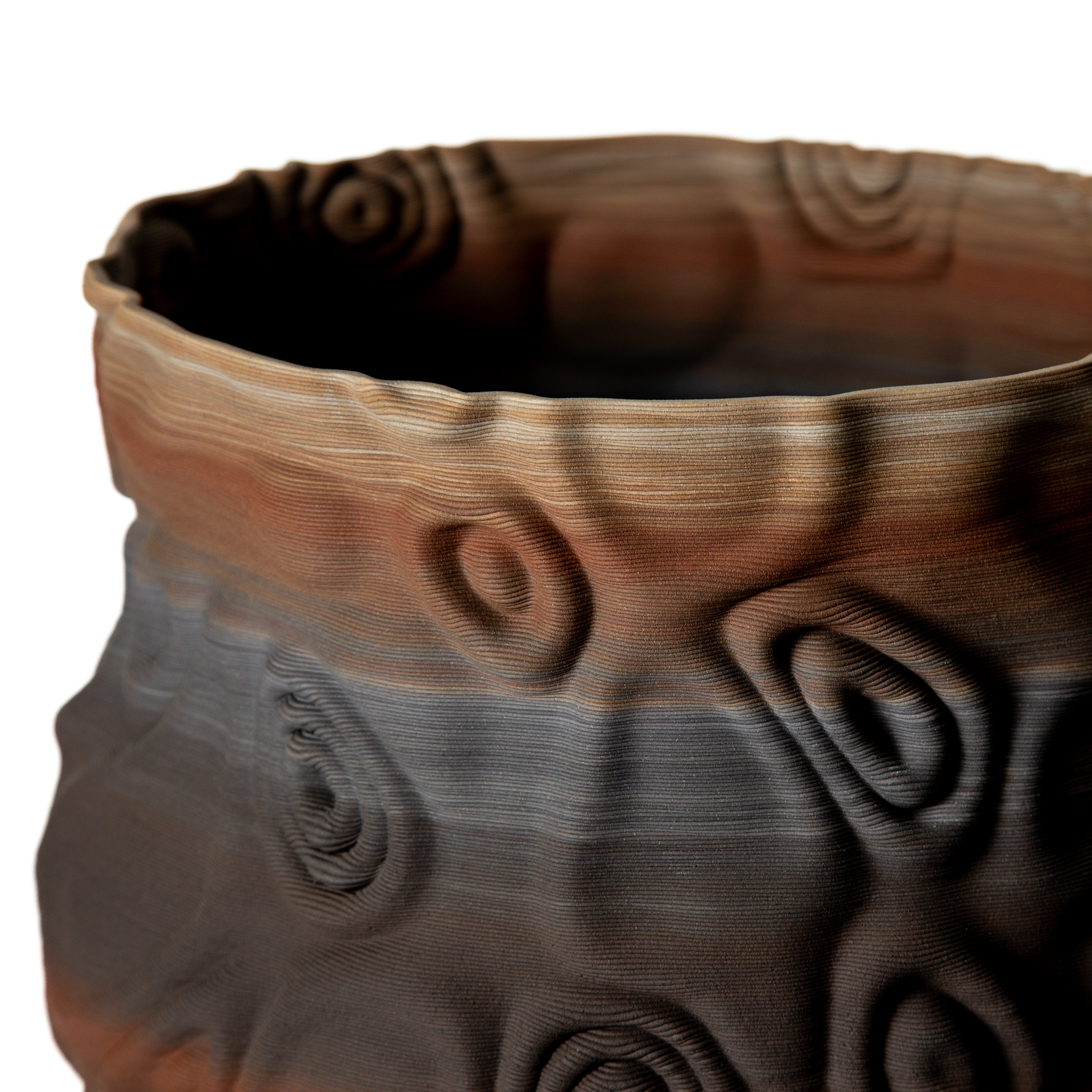
Athens-based Yiannis Vogdanis works at the intersection of craft, design and science, testing the limits of digital fabrication and creative programming in clay. His Intersect collection answers a single question: what can be done with one continuous curve allowed to cross itself?
The answer is several independent containers from one gesture — an outcome you would not arrive at by hand, and a good demonstration of what computation adds to a material this old.
-
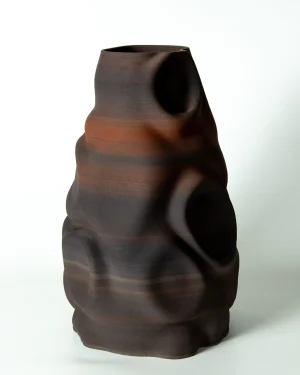 Caldera : Santorini-inspired Ceramic Vessel – S – 0110By Yiannis Vogdanis€2.300
 -
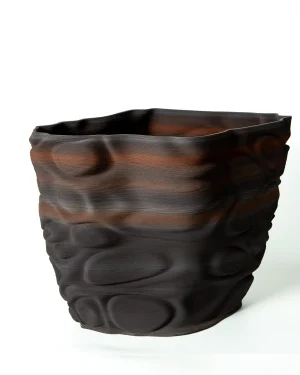 Caldera: Santorini-inspired Ceramic Vessel – S – 0011By Yiannis Vogdanis€2.200
 -
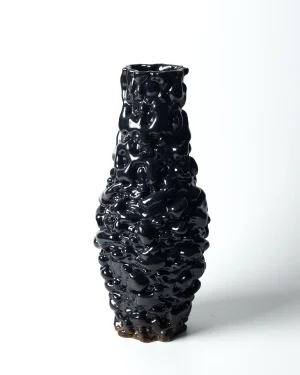 Coral – Glazed Black Porcelain VaseBy Yiannis Vogdanis€420
 -
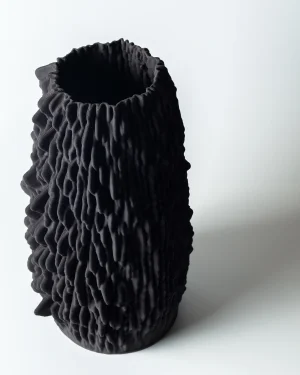 Frequency – 0 0 0 1 – Ceramic Vase 3d PrintedBy Yiannis Vogdanis€2.100
 -
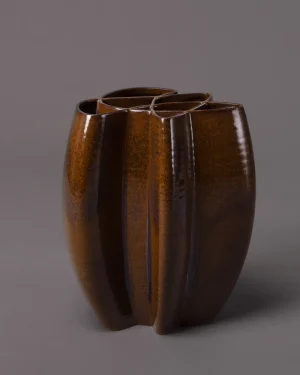 Intersect – 0 1 0 0 – 3d Printed Ceramic VaseBy Yiannis Vogdanis€600
 -
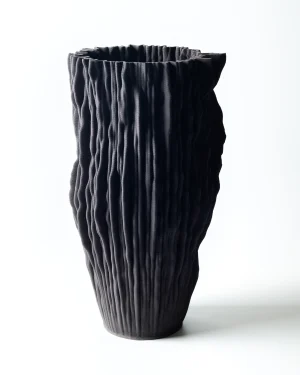 Frequency – 0 0 1 0 – Ceramic Vase 3d PrintedBy Yiannis Vogdanis€2.100


9. Miguel Eguiarte – eguiarte & eguiarte
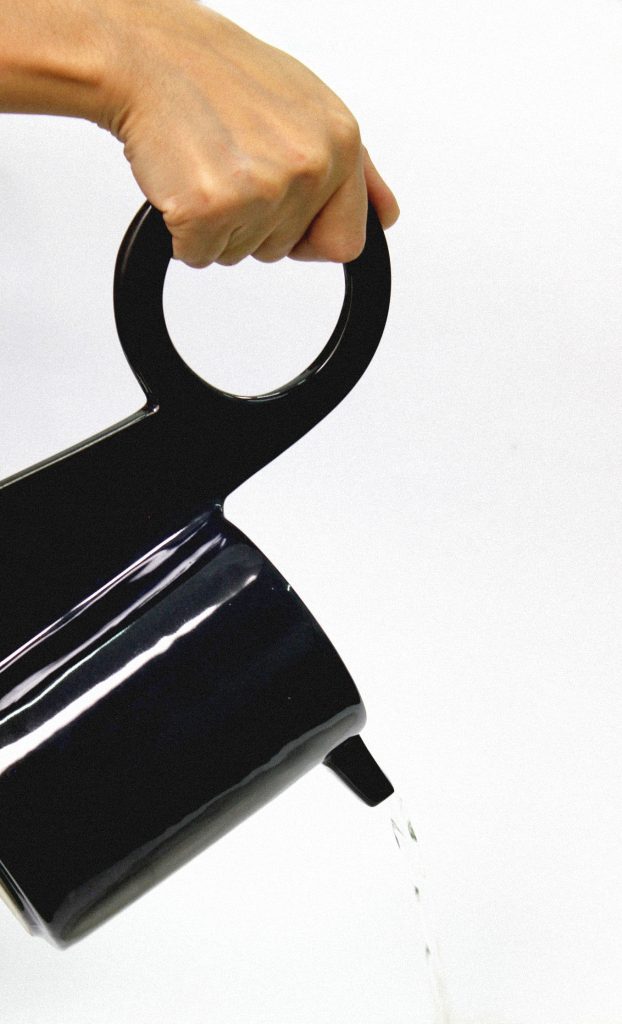
Founded by Miguel Eguiarte while he was still studying industrial design, the Eguiarte Laboratory combines radical design with contemporary Mexican reference. The work spans ceramics, furniture and everyday products, and reflects Mexico’s archaeological legacy alongside its modernity.
The Pelota ceramic jug is the piece to look at first — a functional vessel whose form is doing the historical argument rather than illustrating it.


10. Veronika Mozessov – VeromOCERAMICS
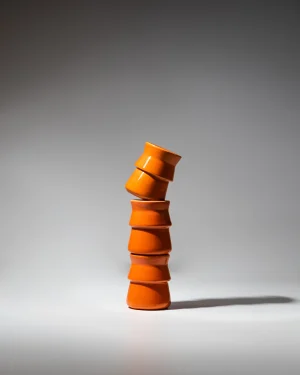
Estonian artist Veronika Mozessov of VeromOCERAMICS works on the relationship between colour and form, describing the process as assembling the varied elements of a garden into one bouquet. She moved from teaching into full-time practice, and the work centres on experimentation with clay bodies and glazes.
Glaze is the least predictable variable in ceramics — kiln position alone changes how it breaks — so building a practice around it means accepting that a proportion of every firing will not survive. The Time Loop sculpture shows what comes out when it works.
What is driving contemporary ceramics
The common thread across these ten is that most of them did not train in ceramics. Filip and Clontea came from architecture, Panopoulou and Eguiarte from product and industrial design, Mozessov from teaching. That matters because it changes what gets asked of the material: an architect approaches a vessel as a structural span, and a product designer approaches it as a manufacturing question.
The second thread is that technique is the subject. Gravity, seabed accretion, single-curve computation, glaze chemistry — in each case the method is legible in the outcome, which is what separates this work from ceramics where the form arrives first and the making serves it.
Even so, the field carries a real tension. Ceramics has one of the longest continuous craft traditions available, and the arrival of practitioners trained elsewhere brings genuine innovation alongside the risk that hard-won technical knowledge gets rediscovered badly. The studios doing both — making and teaching, like Polen — are the ones holding that together.
Frequently asked questions
What is a ceramicist?
Someone who makes objects from clay, fired to permanence. The term covers a wide range — from studio potters producing functional tableware to artists using clay as a sculptural medium with no intention that the result be usable.
What is the difference between a ceramicist and a potter?
Largely emphasis, and to some extent self-description. “Potter” usually implies wheel-thrown functional vessels and a craft tradition; “ceramicist” is broader and covers hand-building, slip-casting, 3D printing and sculptural work. Many makers use both words about themselves depending on context.
What makes ceramics contemporary rather than traditional?
Usually the relationship to technique. Traditional ceramics works within an inherited method to a known standard; contemporary work tends to treat the method as the thing being investigated. Material and firing are often the same — the intention differs.
Why do handmade ceramics vary so much between pieces?
Throwing, hand-building, glazing and firing each introduce variation that cannot be fully controlled. Kiln position alone changes how a glaze breaks. Studios describe pieces as one of a kind for that reason, and the variation is what visually separates them from moulded production.
Can 3D printed clay be considered real ceramics?
Yes — the material and the firing are unchanged, only the forming method differs. Printed clay also behaves in ways a wheel cannot produce, including the sag and flow some artists deliberately keep rather than correct.
How do you care for contemporary ceramic pieces?
Check whether the piece is glazed inside before putting water in it, since many sculptural vessels are not sealed. Hand wash anything with surface decoration or an unglazed exterior, and keep unglazed ceramics away from oils, which stain permanently.
Shop contemporary ceramics on ADORNO
More from these ten artists and others working in hand-built, thrown, slip-cast and printed clay — with related reading in ceramic designs and ceramics and stoneware.