Clay is the oldest material in the home, and still one of the most alive: every vase, lamp and candle holder keeps the mark of the hands that shaped it.
Updated on: November 12, 2026
People have shaped clay into vessels for more than 20,000 years, and it remains one of the most popular materials in interiors. It is earthy and warm, it takes almost any form, and once fired it lasts for generations. Today independent designers use it for far more than pots: sculptural lamps, candle holders, wall pieces and vessels that sit somewhere between craft and art.
Here is a short guide to the types of clay, how to style clay decor at home and how to care for it, plus seven handmade clay pieces by independent studios.
Why Clay Belongs in a Contemporary Interior
Clay brings warmth to rooms full of smooth, factory-made surfaces. Its colors come straight from the earth, from pale white to terracotta and black, so it sits easily with wood, linen and stone.
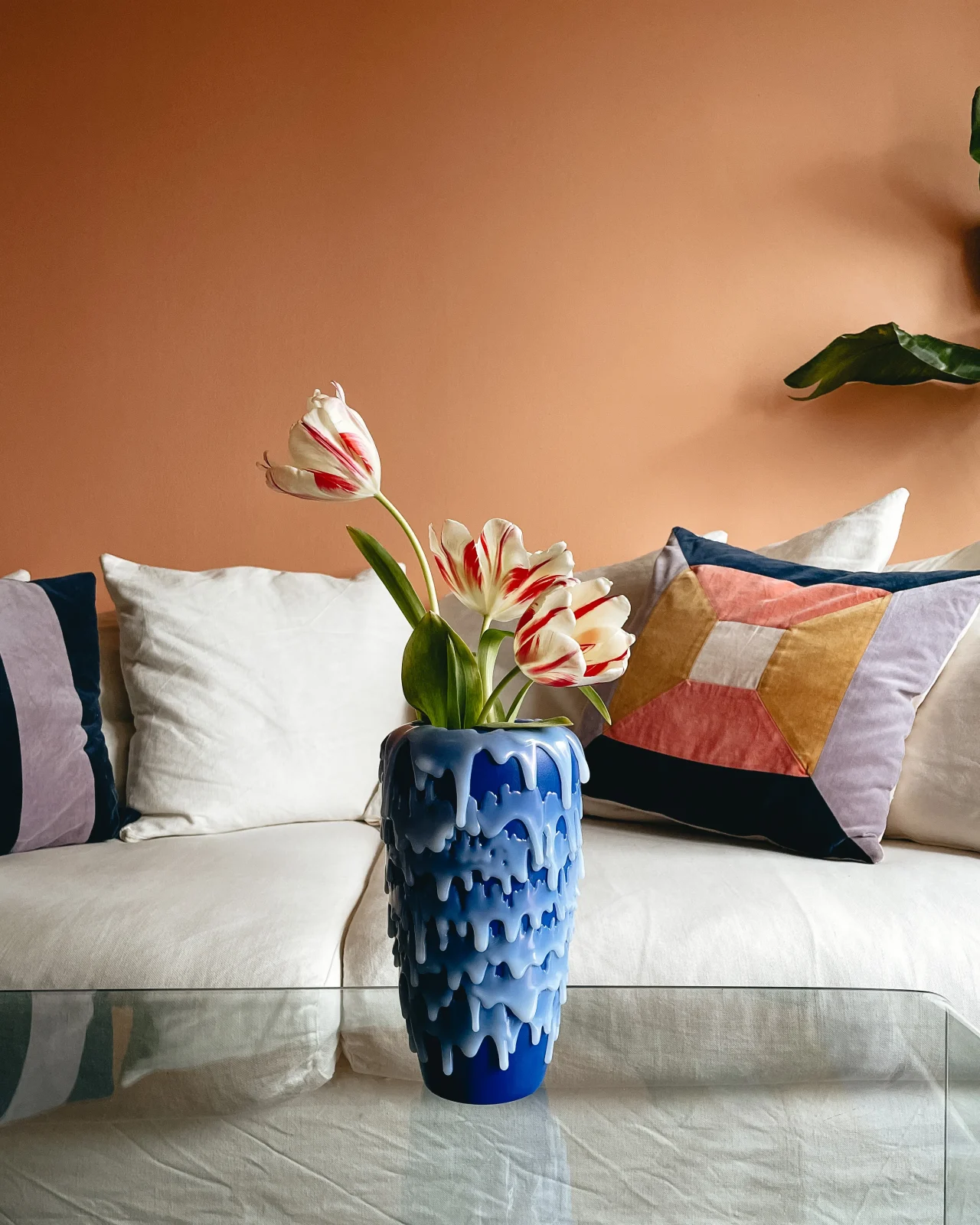
It is also honest about how it was made. Thumbprints, throwing lines, glaze drips and kiln marks show the maker’s process, which is why no two handmade clay pieces are ever identical.
Finally, clay is versatile. The same material can become a delicate porcelain lamp, a heavy stoneware vessel or a set of terracotta candle holders, and it lasts for decades with simple care.
Types of Clay Used in Home Decor
Earthenware and terracotta
Fired at lower temperatures, earthenware stays slightly porous. Terracotta, its best-known form, has the familiar warm orange-red color and a matte, earthy surface.
Stoneware
Fired hotter, stoneware becomes dense, strong and less porous. It suits vases, tableware and sculpture, and takes glazes from glossy to stone-like matte.
Porcelain
Made from fine white kaolin clay and fired at the highest temperatures, porcelain is thin, smooth and slightly translucent, which makes it a favorite for lamps.
Raw and stabilized clay
Some designers leave clay unfired or treat it to make it stable. The result is a soft, natural surface, but it must be kept away from water.
Glazes add color and seal the surface, while unglazed clay keeps its natural texture. For a deeper look at techniques, read our guide to ceramic sculpture, clays and techniques.
How to Style Clay Decor
Mix tones and textures. Combine glazed and raw surfaces, or terracotta with black stoneware, so each piece stands out against the others.
Group in odd numbers. Three or five vessels of different heights look more natural than a matched pair, especially on a shelf or sideboard.
Let one piece lead. A sculptural lamp or a large vase works best with space around it, as you would give a work of art.
Use clay for light. Clay lamps soften light beautifully, glowing through openings or reflecting off a warm glaze. Our guide to ceramic lamps shows more.
Pair with natural materials. Wood, linen, stone and rattan all suit clay, keeping a room calm and earthy. For more on today’s makers, see Wallpaper*’s guide to contemporary ceramic artists.
7 Handmade Clay Pieces from Independent Studios
From a terracotta candle set to a clay lamp that glows like a comet, these pieces show how many shapes clay can take in the home. Browse more vases and lighting on ADORNO.
Midsummer’s Night Vase by Mina Wright

Inspired by Shakespeare’s comedy, this arched vase is hand-molded in clay, drawn on with underglaze pencils and finished in stoneware glaze. Color and weight vary slightly from piece to piece.
By Mina Wright
€210 incl. tax
Movement Phase 2 by Catalin Filip

Romanian-British designer Catalin Filip shapes black vulcan stoneware so it looks like clay giving in to gravity, with soft folds and bends. A sculptural vessel; it is not watertight.
By Catalin Filip
€1,030 incl. tax
Días en Vela Candle Holders by Popdots Studio
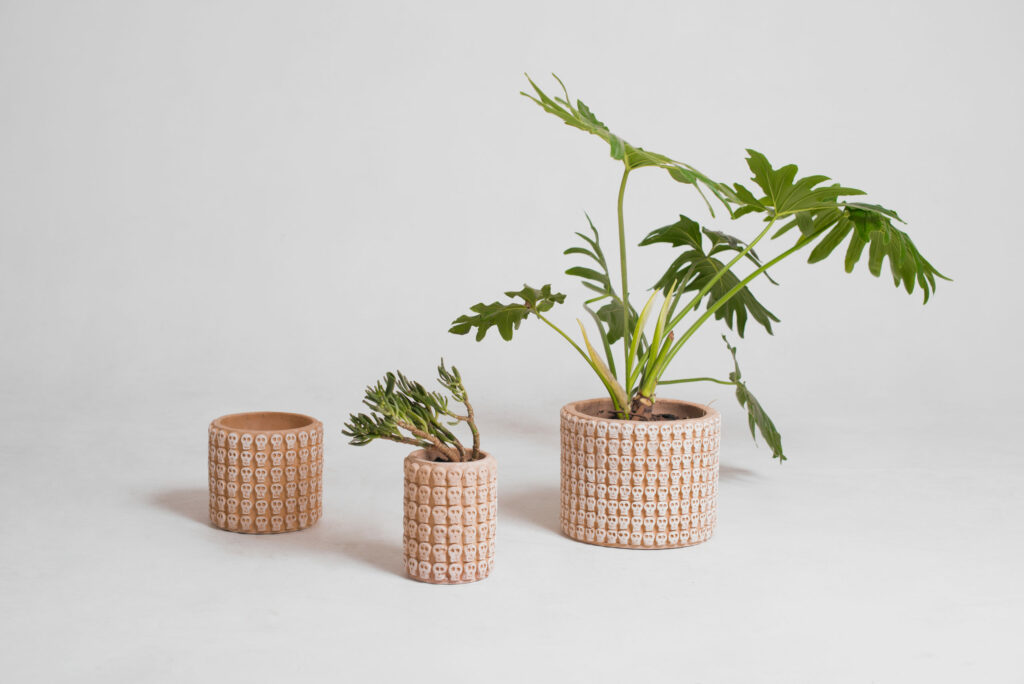
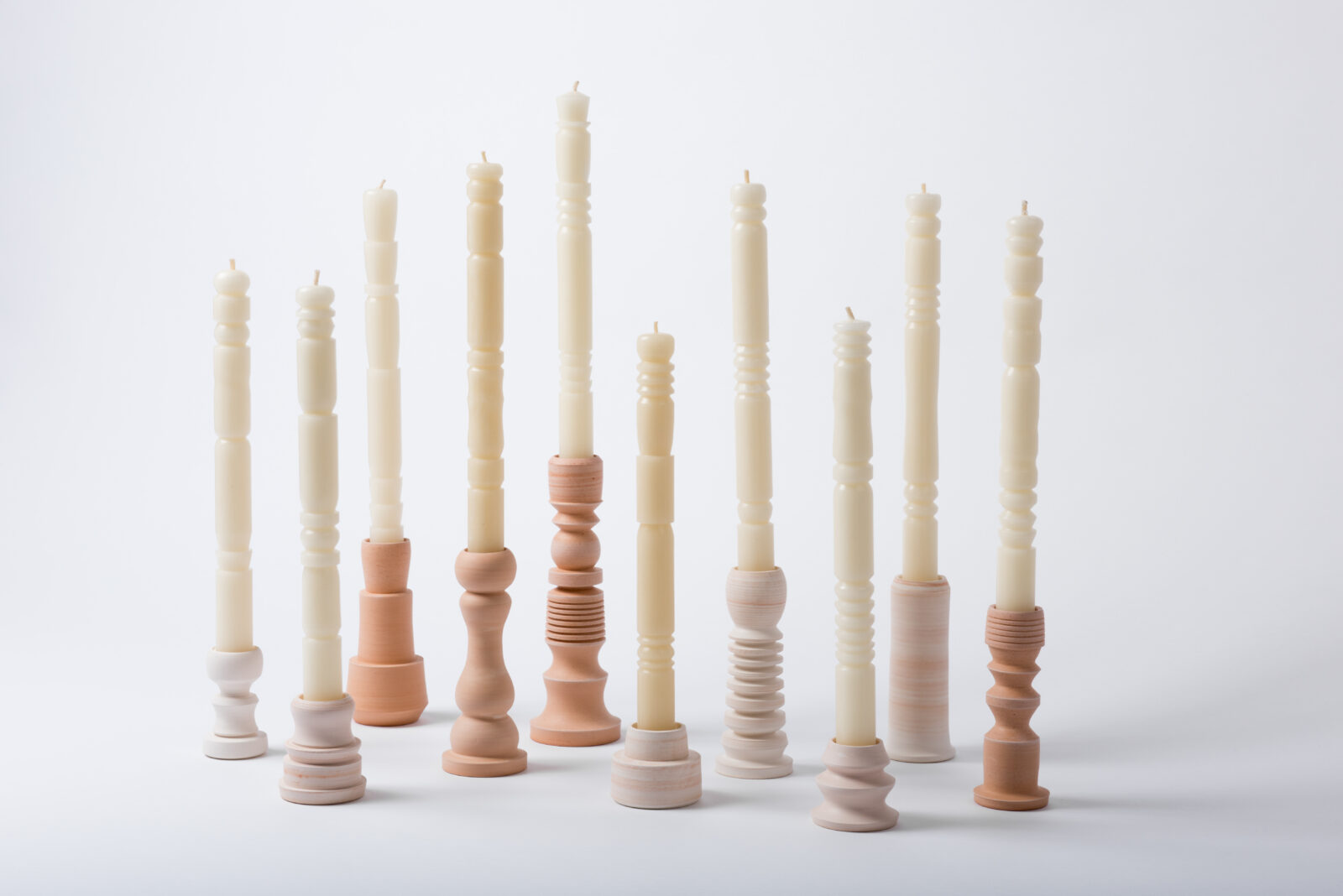
A set of 10 handmade candle holders in four sizes, with 10 wheel-thrown candles. Each piece refines the technique a little further, so no two profiles are the same.
By Popdots Studio
€550 incl. tax
Oyster Shell Medium by Sugoi Studio

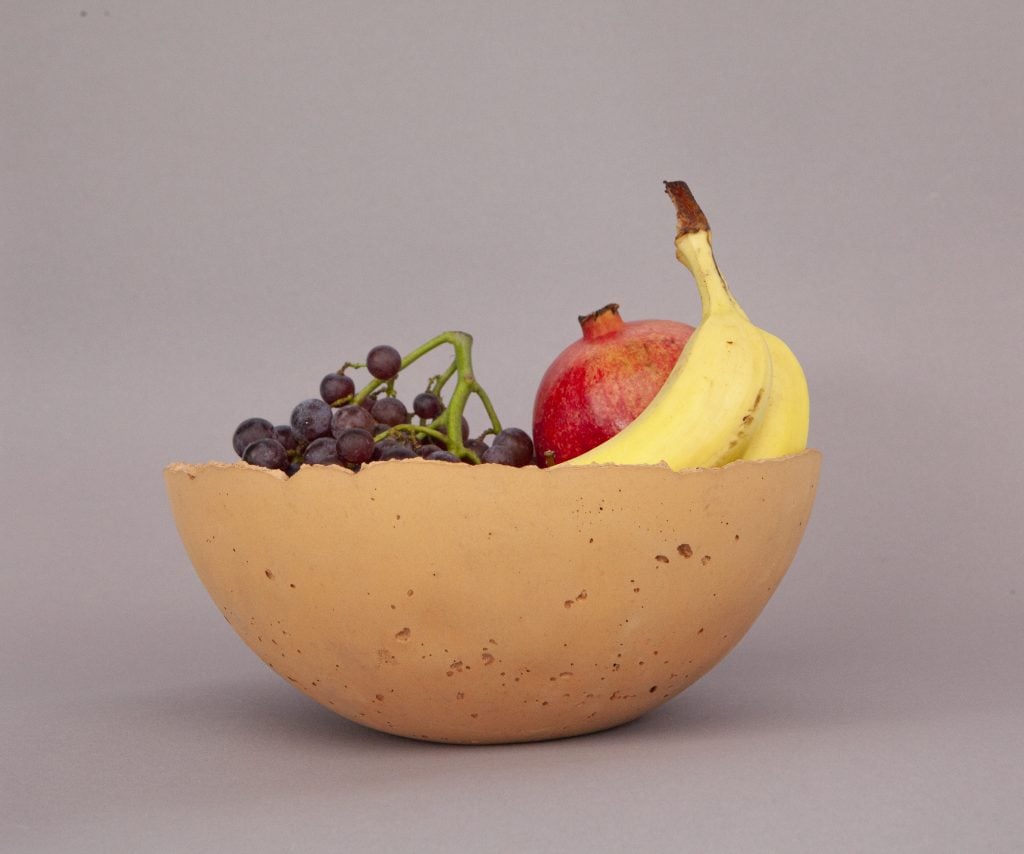
Shaped and glazed by hand in white clay, this oyster can be a bowl, a table centerpiece or a wall sculpture. Every piece is unique, so sizes vary slightly.
By Sugoi Studio
€290 incl. tax
Trn / Model B2 Pendant Lamp by Pani Jurek STUDIO

Part of the TRN collection, for which Magda Jurek won the Mazda Design Award 2021. Inspired by a Jan Tarasin painting, the hand-glazed ceramic forms read like letters from an invented alphabet. Made to the length you need.
By Pani Jurek STUDIO
€625 incl. tax
Mesia Table Lamp by Luis Gimeno Design
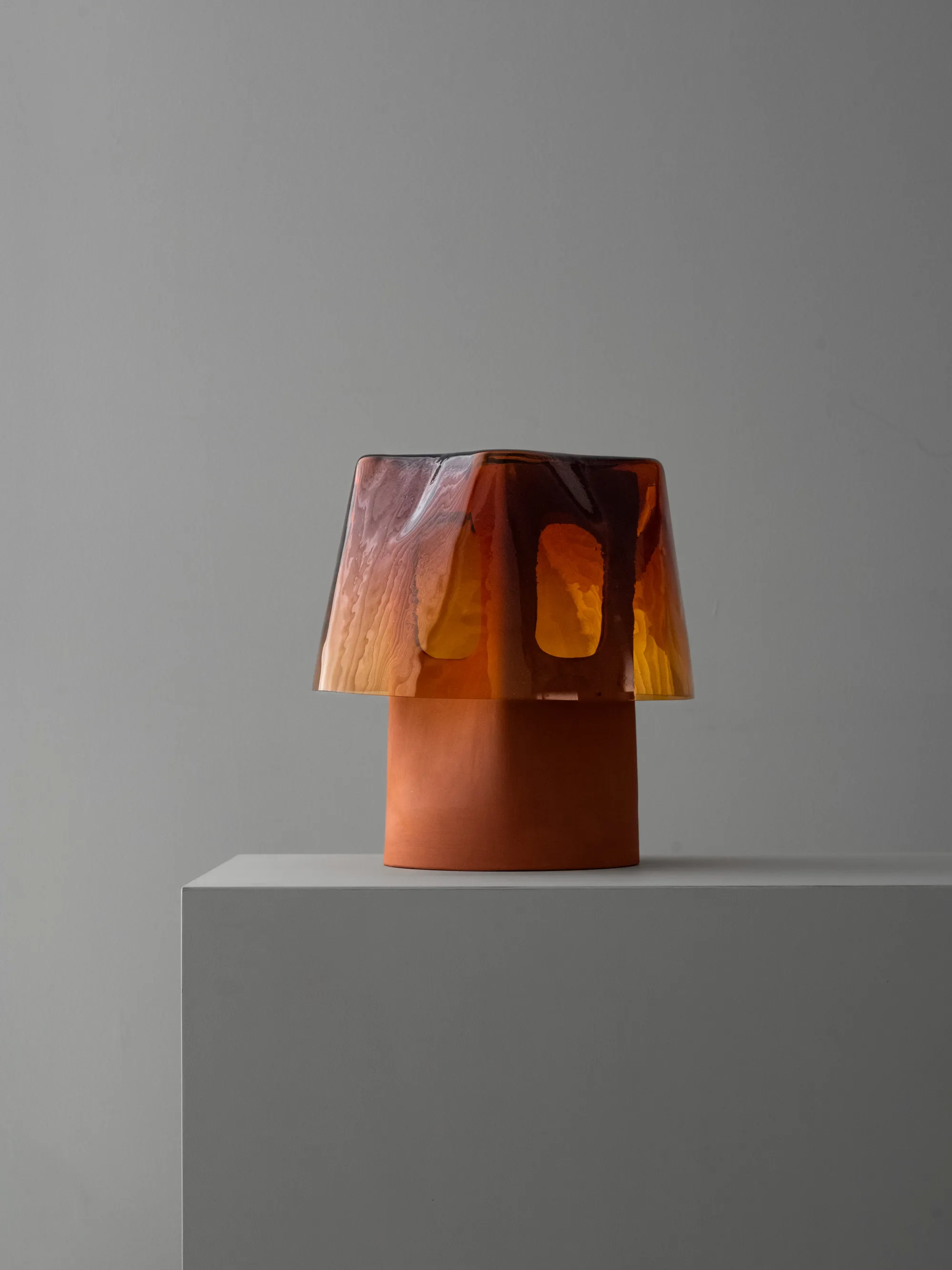
A handmade ceramic base with a blown-glass shade that simply rests on top, no joint needed. A Mediterranean design with a personal twist, made in 8 to 10 weeks.
By Luis Gimeno Design
€1,600 incl. tax
Astēri Table Lamp by Andrei Clontea STUDIO

A handcrafted clay sculpture inspired by objects in the cosmos, with a porous surface like a celestial body. When lit, it gives a soft glow its maker compares to a comet’s tail.
By Andrei Clontea STUDIO
€1,200 incl. tax
How to Care for Clay Decor
Dust clay pieces with a soft, dry brush or cloth. Glazed stoneware and porcelain can be wiped with a damp cloth and mild soap, then dried. Unglazed terracotta and raw clay are porous, so keep them dry and avoid soaking them, which can leave stains or weaken raw clay. Only use a vase for water if the maker says it is watertight; otherwise place a glass liner inside. Finally, lift pieces from the base, not the rim or handle, and keep them away from sudden changes in temperature.
Frequently Asked Questions
What is clay decor?
Decorative objects made from clay, such as vases, lamps, candle holders, bowls and wall pieces. They can be fired, as in terracotta, stoneware and porcelain, or left raw.
What is the difference between clay and ceramic?
Clay is the raw material. Ceramic is clay that has been shaped and fired in a kiln, which makes it hard and durable.
Is terracotta waterproof?
Not on its own. Unglazed terracotta is porous and slowly absorbs water. A glaze on the inside, or a glass liner, makes it suitable for fresh flowers.
How do you clean clay pottery?
Dust it regularly and wipe glazed pieces with a damp cloth. Keep unglazed and raw clay dry, and never put handmade pieces in the dishwasher unless the maker says it is safe.