-

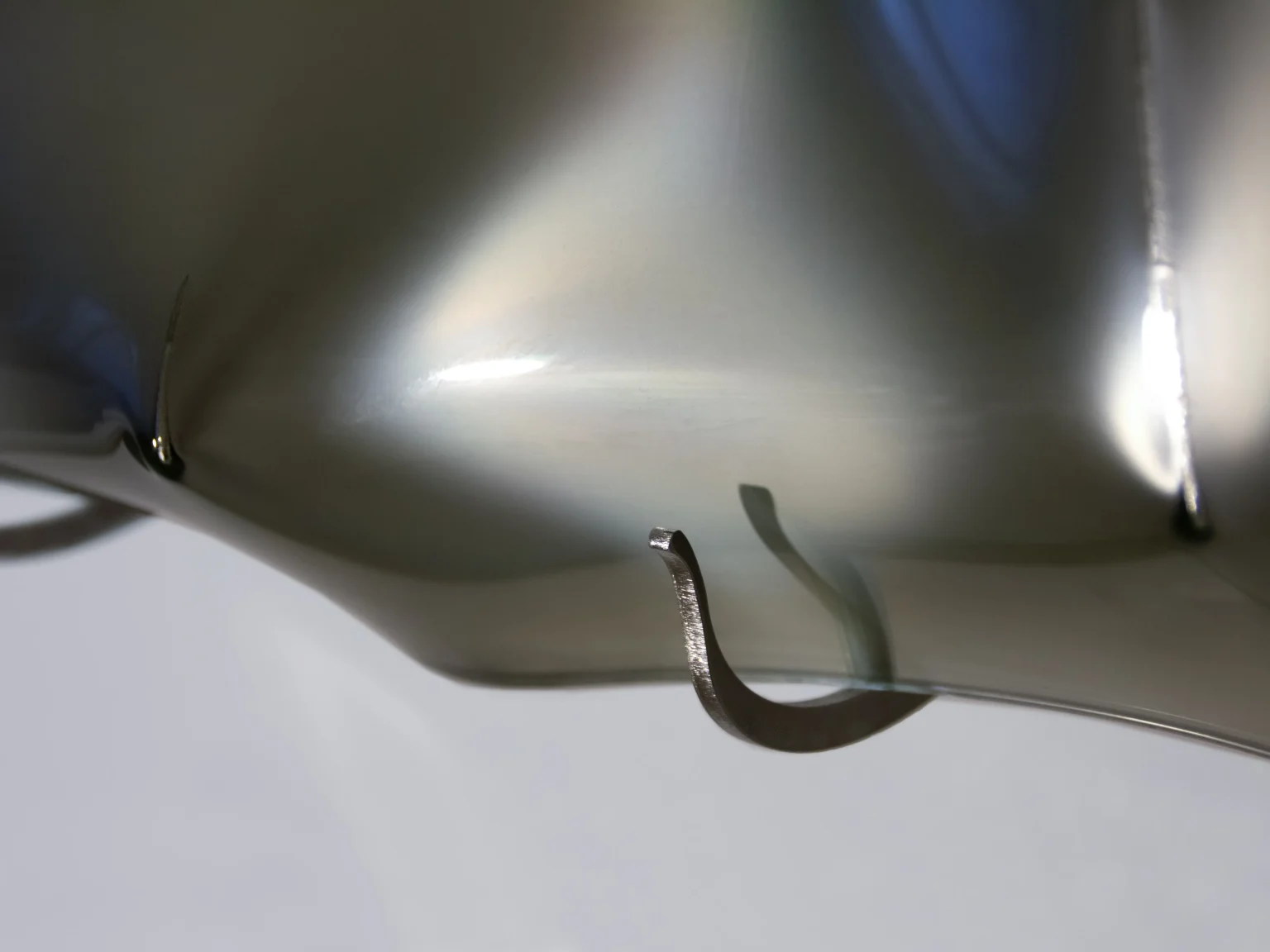
Float Mirror Black #b_31 in Liquid Silver and Glass
By Studio Speculo
€465 -
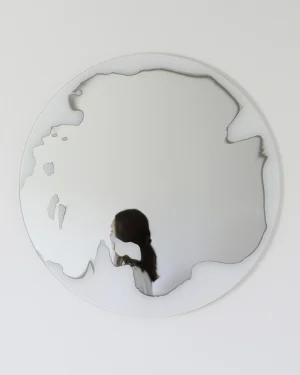
Float Mirror White – Liquid Silver / Glass
By Studio Speculo
€370 -

Phondo Mirror
By TheUrbanative
€1.400 -
Melancholy Hanging Mirror – Arch – Aluminium
By Saturday Yard Work
€610 -

“lago” Wall Mirror | Liquid Metal
By Giselle Vanessa Johnson
€3.900 -

Persona — Wall Object, Amber
By MILA ZILA
€2.800 -
 In stock
Mirror 01.01 ´route´
By SK - Sofia Karnukaeva
€2.000 -
 In stock
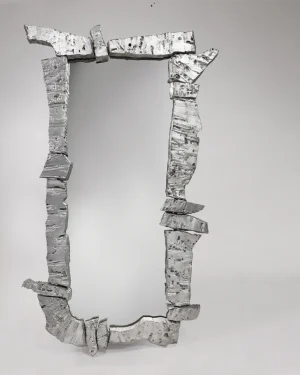
Insect – Recycled Cast Aluminum Mirror
By BY JAMPS
€2.200 -
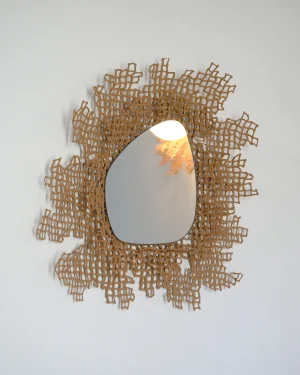
Coral Mirror – Clay Wall Mirror (small)
By Dzovag Kotchian
€1.300 -
 In stock
Trama Mirror
By Joana Teixeira
€1.270 -
 In stock
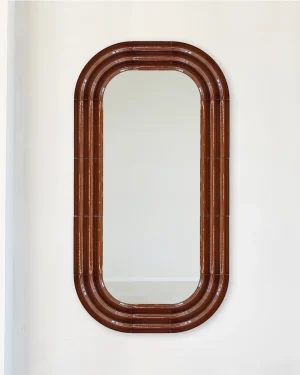
Elo Mirror 150×80 Cm – Hand Glazed Ceramic
By Pani Jurek STUDIO
€2.560 -
 In stock
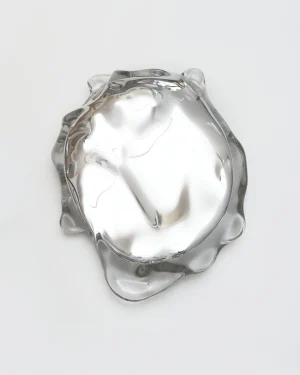
Persona Mirror Sculpture – Silver
By MILA ZILA
€2.100 -
 In stock
Persona Mirror Sculpture – Bluesilver
By MILA ZILA
€2.100 -
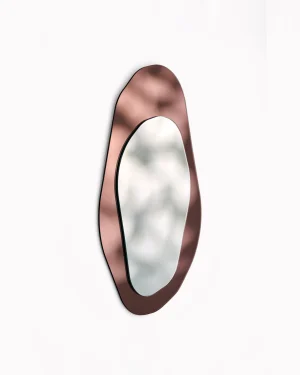
Siena – Rose Gold Asymmetric Mirror
By Yugen Lab
€350 -
 In stock
Abbas – Aluminum Wall Mirror
By Joana Teixeira
€1.250 -
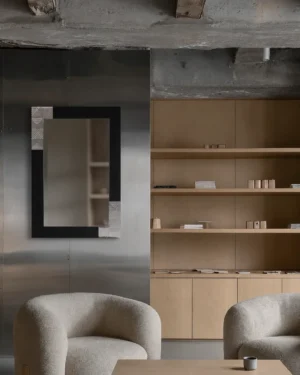 In stock
Marri Mirror
By MARAU
€9.000 -
 In stock
Ondara Mirror Mini
By Dace Sūna
€1.800 -
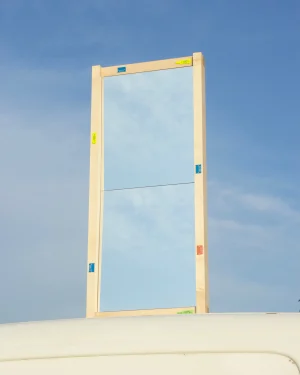 In stock
Avivé Mirror – Maple
By Vital Lainé
€1.000 -

Chip Mirror
By Obscure Objects
€350 -

Escampette – Wall Mirror
By Pirouette
€1.632 -
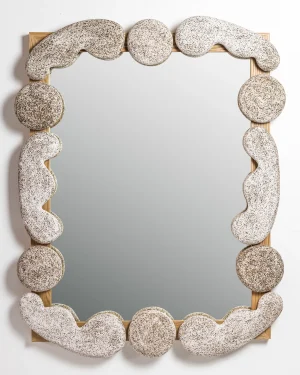
Roebling – Ceramic Wall Mirror
By Luft Tanaka Studio
€4.800 -
 In stock
Incidence No. 01 – Mirror
By Leo Vairo
€8.500 -
 In stock
Mirror O – Sand Decor & Plaster – Wall Mirror
By Sacha Parent & Valentine Tiraboschi
€1.350 -
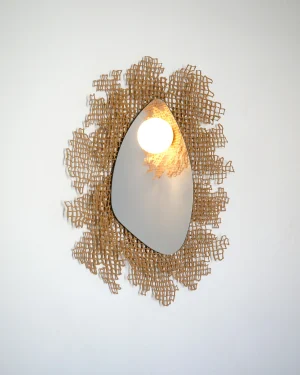 In stock
Coral Mirror – Clay Wall Mirror (big)
By Dzovag Kotchian
€2.200 -
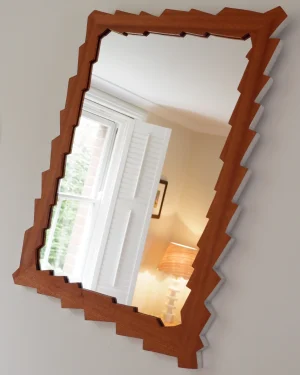
Shocking Mirror – Sapele Mahogany And Aluminium Gilded Frame
By Josh Page Studio
€400 - €588 -
 In stock
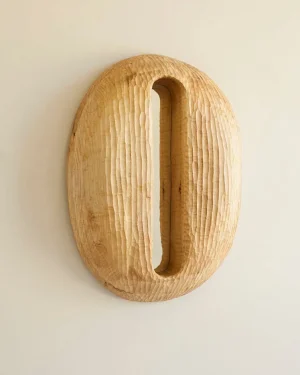
Object N.1 Mirror
By Anna Bera
€2.598 -
 In stock
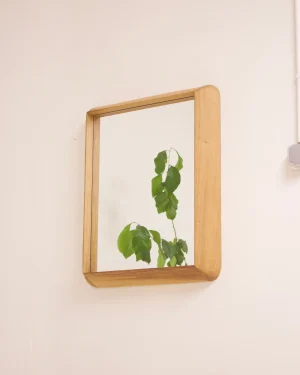
Gavrinis Mirror – Solid Oak Wood
By Vital Lainé
€2.000 -
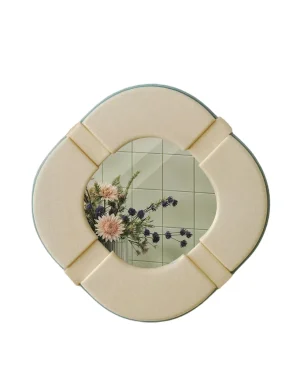
Iris Mirror – “in Flow Together”
By hermhaus
€1.635 -

Painted Beech Mirror A — Ves
By Anna Bera
€647 -
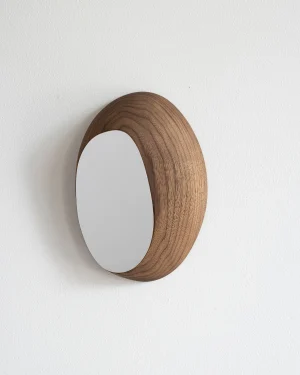
Walnut Mirror F — Ves
By Anna Bera
€659 -
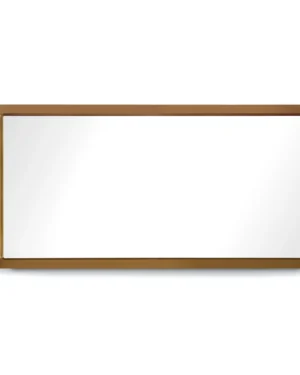
Unveil Mirror
By InsidherLand
€4.315 - €4.515 -
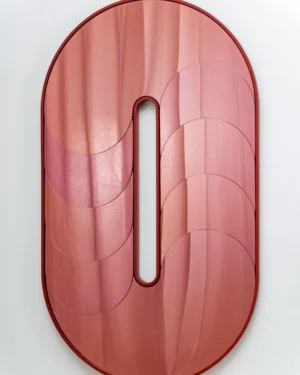
Baggage Claim-o
By Living Cult
€5.000 -
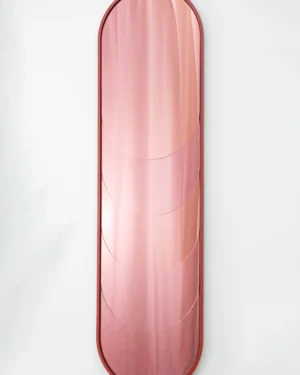
Baggage Claim-i
By Living Cult
€3.500 -

Ondara Mirror
By Dace Sūna
€3.500 -
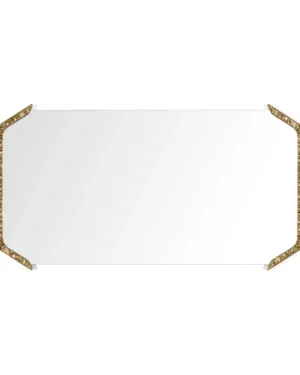
Alentejo Rectangular Mirror
By InsidherLand
€4.053 - €4.347 -

Axis – Mirror
By Leo Vairo
€6.300 -
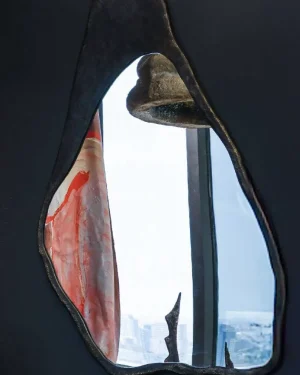 Sold
Through The Looking Glass Mirror
By Crina Arghirescu Rogard
-
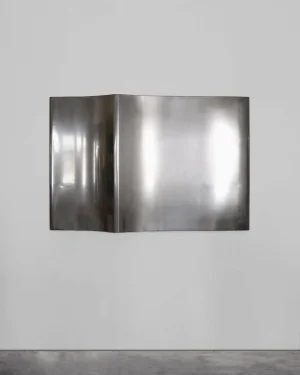
The Time We See – Mirror
By Stem
Price Upon Request -
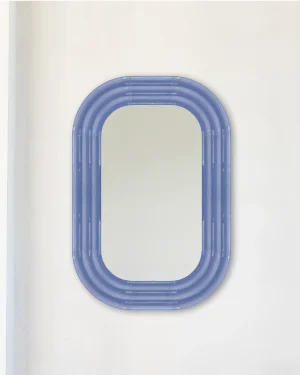
Elo Mirror 120×80 Cm – Hand Glazed Ceramic
By Pani Jurek STUDIO
€2.070 -

Elo Mirror 60×90 Cm – Hand Glazed Ceramic
By Pani Jurek STUDIO
€1.280 -
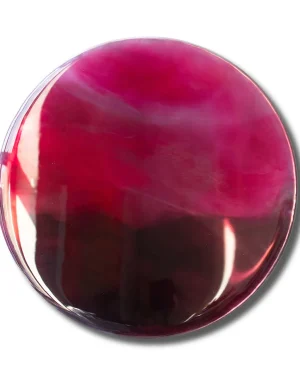
Magma – Tinted Resin Mirror
By Courtney Kinnare
Price Upon Request -
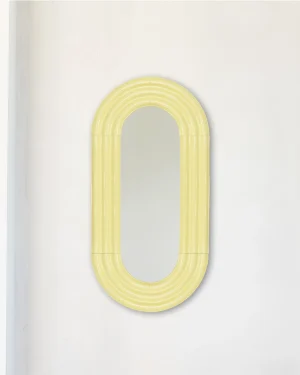
Elo Mirror 120×60 Cm – Hand Glazed Ceramic
By Pani Jurek STUDIO
€1.630 -
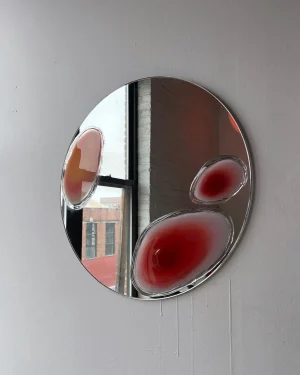
Gumdrop Mirror
By Courtney Kinnare
Price Upon Request -

Elo Mirror 60×60 Cm – Hand Glazed Ceramic
By Pani Jurek STUDIO
€975
Contemporary wall mirrors on ADORNO group frames that favor plain geometry, honest material and a flat or faceted mirrorglass surface over any applied ornament. Studios working in glass, metal, wood and glaze bring their own methods to the shape, but the frames tend to stay quiet so the reflection does the work. The result ranges from a thin aluminum ring to a hand-built glazed frame with visible tool marks.
What defines the contemporary style here
Where Art Deco mirrors lean on fan shapes and brass sunbursts, contemporary pieces strip the frame back to a line, a curve or a slab. Edges are often cut square or softened just enough to catch light without drawing attention from the glass itself. Color, where it appears, tends to sit in the frame rather than the glass: black, beige, cobalt blue or a brushed silver that echoes the reflection.
Mirrorglass stays the constant across the range, sometimes left clear, sometimes given a smoked or tinted cast that changes how a room reads in it. Blown glass and glazed ceramic frames bring a handmade variation piece to piece, so no two edges fall exactly the same way.
Materials, finishes and ways of making
Metal frames, worked in aluminum or steel, are cut, welded or cast into rings, arches and irregular outlines; a cast frame carries more weight and a colder surface than a folded sheet. Wood and cabinetmaking produce frames with visible grain, usually finished in a wash that lets the timber darken with age rather than seal it flat. Glass itself appears two ways: cold-worked and beveled into the frame, or blown and fused into shapes that catch light along their rim.
Hand-building and glazing give ceramic-framed mirrors a slightly uneven lip and a surface that can shift from matte to glossy depending on the glaze. Editions vary by studio: some frames come from open runs, others as limited editions or unique pieces where the glazing or casting makes each one slightly different.
How to choose a contemporary wall mirror
Start with the wall, not the mirror. A piece hung too small on a long wall reads as an afterthought; one hung too large can crowd a narrow hallway.
- Scale the width to roughly two-thirds of the furniture below it, whether that is a console, a basin or a bench.
- Hang so the center sits close to eye level for the room's main use, lower in a bathroom, higher above a console.
- Match the frame's finish, warm wood, cool metal or matte glaze, to the hardware and fixtures already in the room.
- Check the glass tint; a smoked or tinted surface changes the color cast of whatever it reflects.
For a full view of frame shapes and sizes across styles, the wall mirror range gives a wider starting point before narrowing by material or color.
Where these mirrors work
An entryway or hallway takes a mirror well, giving a last check before leaving and bouncing light into a space that often lacks a window. In a living room, a mirror hung opposite a window doubles the light it catches through the day. Bathroom mirrors need a frame finish that can take humidity, which rules out untreated wood in favor of glazed, metal or sealed finishes.
Caring for glass, metal and wood frames
Clean mirrorglass with a dry or barely damp cloth; ammonia-based cleaners can cloud the silvering over years of use. Metal frames in aluminum or steel hold up to a dry dusting and occasional wipe, though cast or welded joins should stay dry to avoid corrosion at the seams. Wood frames benefit from keeping direct heat and damp away, since both cause warping and dulling of the finish; glazed or blown glass frames just need the same gentle, dry care as the mirror itself.
Across finishes, the full range of contemporary pieces on ADORNO follows the same logic: plain form, honest material, and a surface left to carry the room's light rather than compete with it. For frames built mainly from metal or glass on their own, the metal wall mirrors and glass wall mirrors group by material rather than style.
How do I choose a contemporary wall mirror?
Match the frame material to the room's existing metal or wood tones, then let shape carry the contemporary feel, since irregular or asymmetric outlines read as current while rectangles and ovals stay neutral.
What materials are contemporary wall mirrors made from?
Frames come in metal, wood or cast glass, with mirrorglass itself sometimes tinted or fused for a reflective, colored surface rather than a plain clear one.
How do I clean and care for a wall mirror?
Wipe glass with a lint-free cloth and a mild, ammonia-free cleaner, and dust metal or wood frames dry to avoid tarnish or warping over time.
What size and height should a contemporary wall mirror be?
Center the mirror roughly at eye level, about 60 to 65 inches from the floor to its middle, and size it to two-thirds the width of the furniture beneath it.
Which rooms suit a contemporary wall mirror best?
Entryways, living rooms and dining spaces all take well to a contemporary mirror, since its cleaner lines and bolder shapes read as a focal point rather than a utility piece.
How does shipping, returns and authenticity work at ADORNO?
Shipping is insured and worldwide, returns are accepted within 14 days except on made-to-order pieces, and every mirror arrives with a certificate of authenticity under ADORNO's lowest-price guarantee.