

-
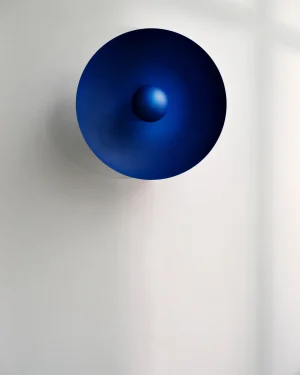 In stock
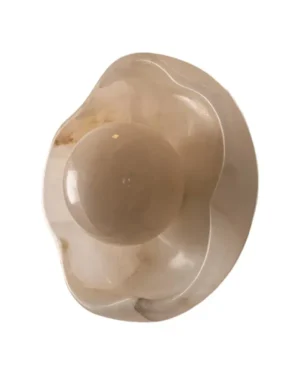
Blue Moon Wall Lamp in Aluminum
By Anne Nowak
€1.675 -
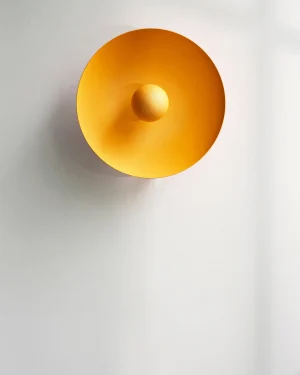 In stock
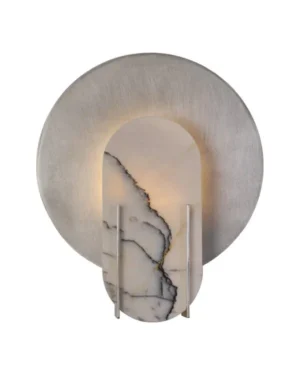
Sun Wall Lamp in Aluminum
By Anne Nowak
€1.340 -
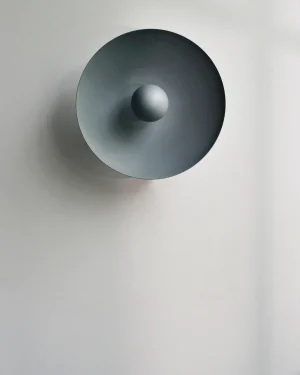 In stock
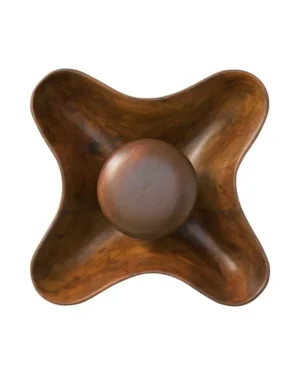
Grey Moon Wall Lamp in Aluminum
By Anne Nowak
€1.675 -
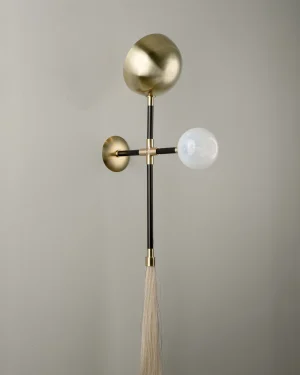
Gogo Wall Sconce in Brass, Blown Glass and Natural Fibers
By Isabel Moncada
€2.880 - €4.036 -
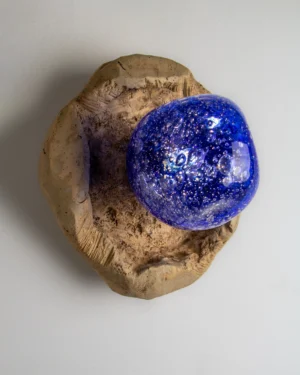 In stock
Asea No.13 Wall Sconce In Stoneware And Blown Glass
By Ceren Gürkan
€1.300 -
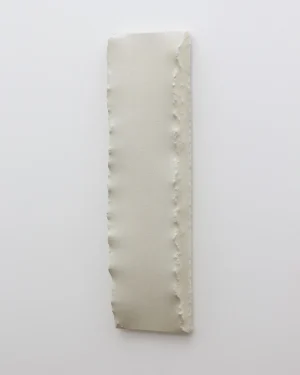 In stock
Edges 20-75 T8-60 Wall Sconce In Paper Pulp
By David Čáp
€400 -

Edges 20-105 T8-90 Wall Sconce In Paper Pulp
By David Čáp
€500€450 -
 In stock
Mujo P Iver Wall Sconce in Walnut Wood and Washi Paper
By Prangé
€948 -
 In stock
Edges Ellipse 36-96 T8-60 Wall Sconce In Paper Pulp
By David Čáp
€550 -
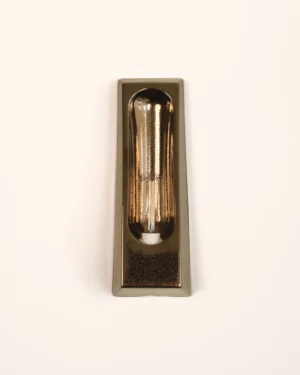 In stock
Alcove European Wall Sconce In Glazed Ceramic
By Violaine d'Harcourt Lighting Design
€252 -
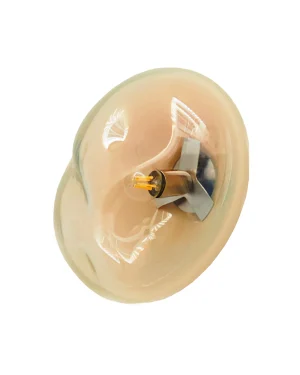
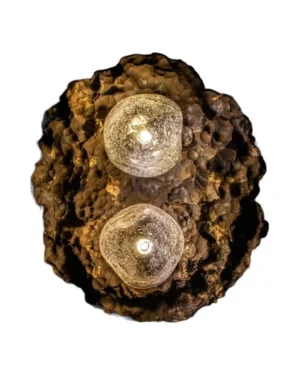
Haumea Amorph Wall Sconce In Amber Blown Glass
By ELOA - Unique Lights
€2.330 - €4.085 -
 In stock
Onda Cosmic Wall Sconce In Glazed Ceramic
By arrived aliens
€2.200 -
 In stock
Herbarium Mini Lunaria Annua Wall Sconce In Glass And Plywood
By Mateusz Wappa
€1.200 -
 In stock
Herbarium Mini Daucus Carota Wall Sconce In Glass And Plywood
By Mateusz Wappa
€1.200 -
 In stock
Edges 20-75 T8-60 Wall Sconce In Black Paper Pulp
By David Čáp
€550 -
 In stock
Herbarium Eryngium Planum Wall Sconce In Glass And Plywood
By Mateusz Wappa
€2.000 -
 In stock
Mujo M Reol Wall Sconce in Walnut Wood and Washi Paper
By Prangé
€1.706 -
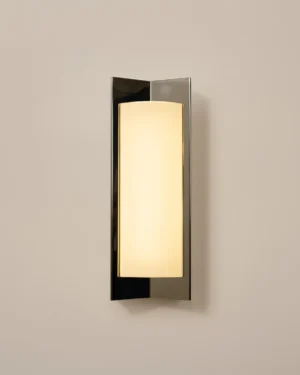
Arrow S American Wall Sconce in Polished Steel
By Violaine d'Harcourt Lighting Design
€1.150 - €1.450 -
 In stock
Brown Mud Ellipse Wall Sconce In Textiles And Wood
By David Čáp
€550 -
 In stock
Mujo M Aray Wall Sconce in Walnut Wood and Washi Paper
By Prangé
€1.706 -
 In stock
Herbarium Rumex Acetosa Wall Sconce In Glass And Plywood
By Mateusz Wappa
€2.000 -
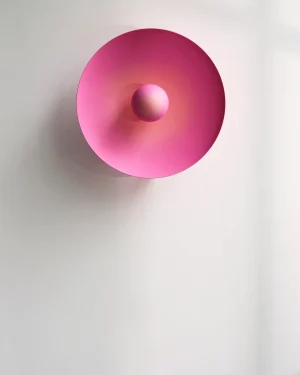 In stock
Pink Moon Wall Lamp in Aluminum
By Anne Nowak
€1.675 -
Arrow S European Wall Sconce in Polished Steel
By Violaine d'Harcourt Lighting Design
€772 - €935 -
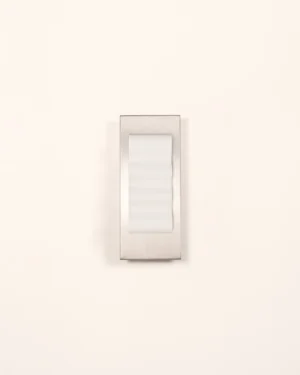
Frame Slim S European Wall Lamp in Mahogany Wood and Steel
By Violaine d'Harcourt Lighting Design
€537 - €683 -
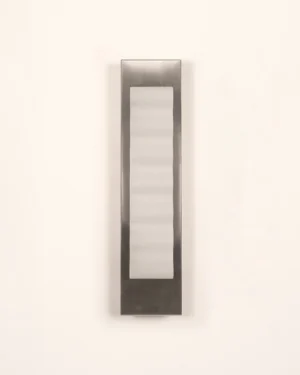
Frame Slim L European Wall Lamp in Mahogany Wood and Steel
By Violaine d'Harcourt Lighting Design
€724 - €1.179 -
 In stock
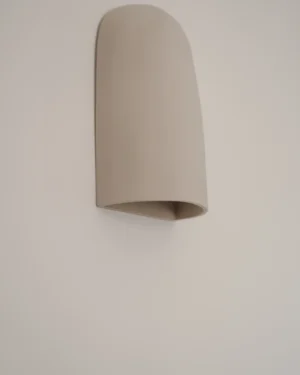
Arte Wall Sconce in Stoneware
By TERA CERAMIC
€290 -
 In stock
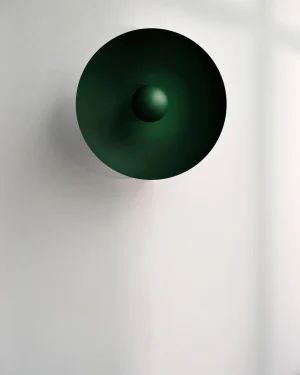
Green Moon Wall Lamp in Aluminum
By Anne Nowak
€1.675 -
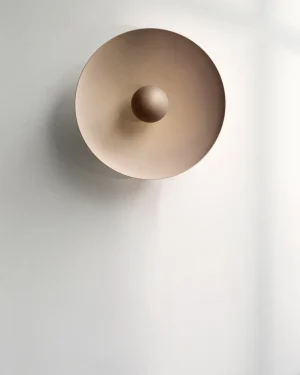 In stock
White Moon Wall Lamp in Aluminum
By Anne Nowak
€1.675 -
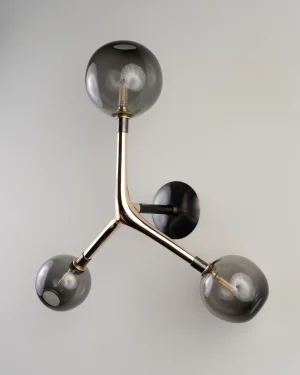
Ocellus Wall Sconce in Bronze and Blown Glass
By Isabel Moncada
€3.510 - €4.036 -

Chromolapse – Wall Light Sculpture
By Studio Lampent
€900 -
 In stock
Herbarium Tanacetum Vulgare Wall Sconce In Glass And Plywood
By Mateusz Wappa
€2.000 -
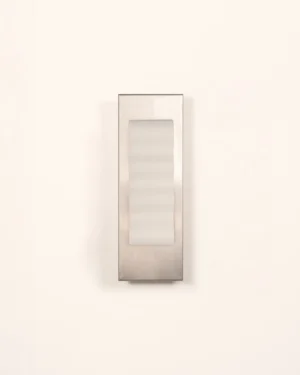
Frame Slim M European Wall Lamp in Mahogany Wood and Steel
By Violaine d'Harcourt Lighting Design
€659 - €724 -
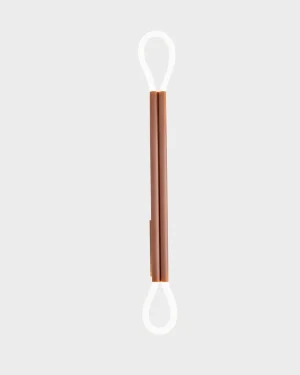 In stock
Temporal Collection Sconce in Copper
By Lucas Muñoz Muñoz
€800 - €1.200 -

Ojos Wall Sconce in Bronze and Blown Glass
By Isabel Moncada
€2.925 - €3.363 -

Haumea Amorph Wall Sconce In Silver Blown Glass
By ELOA - Unique Lights
€2.330 - €4.085 -
Frame Slim L American Wall Lamp in Mahogany Wood and Steel
By Violaine d'Harcourt Lighting Design
€1.700 - €1.790 -

Wall Light Franca B
By MANUHITA
Price Upon Request -

Wall Light Franca C
By MANUHITA
Price Upon Request -

Wall Light Franca D
By MANUHITA
Price Upon Request -

Wall Light Franca E
By MANUHITA
Price Upon Request -

Arrow M American Wall Sconce in Polished Steel
By Violaine d'Harcourt Lighting Design
€1.250 - €1.500 -
Frame Slim S American Wall Lamp in Mahogany Wood and Steel
By Violaine d'Harcourt Lighting Design
€860 - €1.020 -

Wall Light Franca A
By MANUHITA
Price Upon Request -
Frame Slim M American Wall Lamp in Mahogany Wood and Steel
By Violaine d'Harcourt Lighting Design
€1.000 - €1.100 -
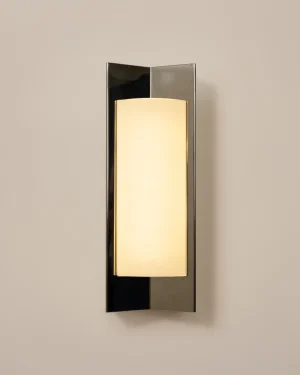
Arrow M European Wall Sconce In Polished Steel
By Violaine d'Harcourt Lighting Design
€813 - €976 -

Lagrimita Chicharron Lamp
By BuRRo
€337 -

Limbus – Wall Light Sculpture
By Studio Lampent
€1.492 -
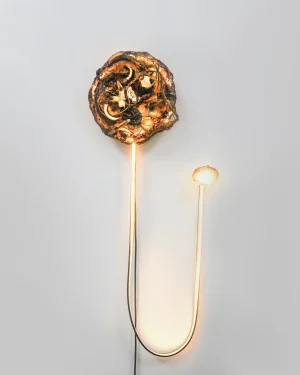 In stock
Siamese Twins II Wall Lamp in Bioplastic
By Sabrina Merayo Nuñez
Price Upon Request
Unique wall lamps are the pieces made once and never repeated, shaped by hand in a single studio session rather than pulled from a mold run. A glassblower gathers one bubble of molten glass and turns it into a single shade; a ceramicist builds one shell by hand and fires it alone; a metalworker casts one steel or aluminum body and leaves the tool marks visible. What defines these pieces is not a shared look but a shared method: each one carries the particular pressure of a hand, a flame or a mold poured only once.
What makes a one-off wall lamp different
A production wall lamp is drawn once and built many times identically. A one-off piece is built once and drawn only in the maker's memory. That shows in small asymmetries: a slightly uneven rim on a blown glass shade, a surface in hand-built stoneware that is not quite flat, a cast metal bracket with its own grain of pitting or patina. These are not flaws to correct; they are the record of the making.
Materials, finishes and techniques found here
- Metal: raw steel, aluminum or copper-toned finishes, shaped by metalwork or metal casting
- Glass: hand-blown shades in white, off-white or clear glass
- Ceramic: hand-built or slip-cast bodies, sometimes hand-painted
- Paper: pulp or washi, built up in layers for a soft, diffused glow
Styles range as widely as the materials: a neo-industrial steel bracket sits as comfortably in a contemporary room as a space-age aluminum form does, while a hand-built ceramic shade leans toward a quieter, mid-century modern or minimalist register. Some studios push toward maximalism, stacking color, texture and form onto one fixture; others keep to a single material and a restrained silhouette.
How to choose a one-off wall lamp
Start with scale before finish. A wall lamp reads differently from across a room than it does up close, so weigh the size of the wall against the size of the shade or body rather than judging it in isolation. Height matters more than most buyers expect: a reading lamp at the head of a bed usually sits lower than one meant to wash light across a hallway or stairwell, and a pair flanking a mirror should sit at matching height on either side.
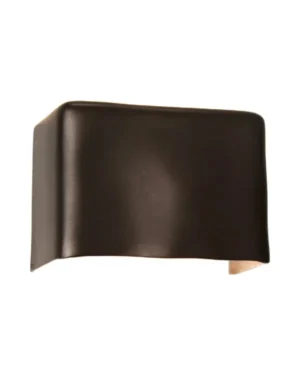
Finish should answer to what is already on the wall. A dark brown or black metal body holds its own against pale plaster, while a pale ceramic or paper shade can soften a wall that already carries strong color or pattern. Because every piece here is a one-off, two lamps bought as a pair will be close in form but not identical in surface, which is worth expecting rather than treating as inconsistency.
Where these lamps belong
Wall lighting earns its place wherever a surface needs light but has no room for a lamp to stand. A single cast metal or blown glass fixture beside a bedroom wall lamp placement frees the nightstand entirely. In a corridor or stairwell, a run of hand-built ceramic or paper forms, chosen as hallway wall lamps, marks the walk without crowding it. In a sitting room, a pair either side of a painting or mirror does what a floor or table lamp cannot, holding light at eye level rather than at the knee.
Living with and caring for a one-off piece
Raw steel and aluminum should stay dry and be wiped with a soft, dry cloth; moisture left on an unsealed metal surface will mark or rust it over time. Hand-built ceramic and stoneware tolerate a damp cloth but not submersion, since unglazed areas can absorb water. Blown glass needs only dusting, done carefully near any hand-finished edge. Paper and washi forms should stay away from direct damp and strong sun, which will yellow or warp the fiber over years of use.
For the full range of fittings and finishes beyond one-off work, the wall lamps category covers production and limited pieces alike, while unique lamps gathers one-off work across table, floor and pendant forms as well as wall-mounted ones. Those furnishing a single steel or aluminum body throughout a room can also look at metal wall lamps for related finishes and techniques.
How do I choose a unique wall lamp?
Start with the material and how it handles light: glass scatters it, ceramic softens it, metal directs it in a tighter beam. Then match the finish, patina or color to what already sits on that wall.
How do you care for a one-off wall lamp?
Dust blown glass and ceramic with a dry cloth and avoid sudden temperature changes. Wipe raw steel or aluminum dry if damp, since bare metal can mark or oxidize over time.
What size wall lamp do I need?
Scale depends on the wall and the task: a small shade reads as an accent beside a mirror, while a larger body carries enough presence to light a corridor or a headboard wall on its own.
What height should a wall lamp be mounted at?
Most sit around eye level or slightly above, roughly 60 to 65 inches from the floor, though bedside and reading lamps often sit lower, closer to seated or lying eye height.
Which rooms suit a unique wall lamp?
Hallways, bedsides and spots beside a mirror or painting all benefit, since wall lamps free up floor and surface space while putting light exactly where it is needed.
Can I order a custom one-off wall lamp through ADORNO?
Custom options vary by maker, so use Chat with the maker on the piece's page to ask directly about variations, finishes or made-to-order work.