
-

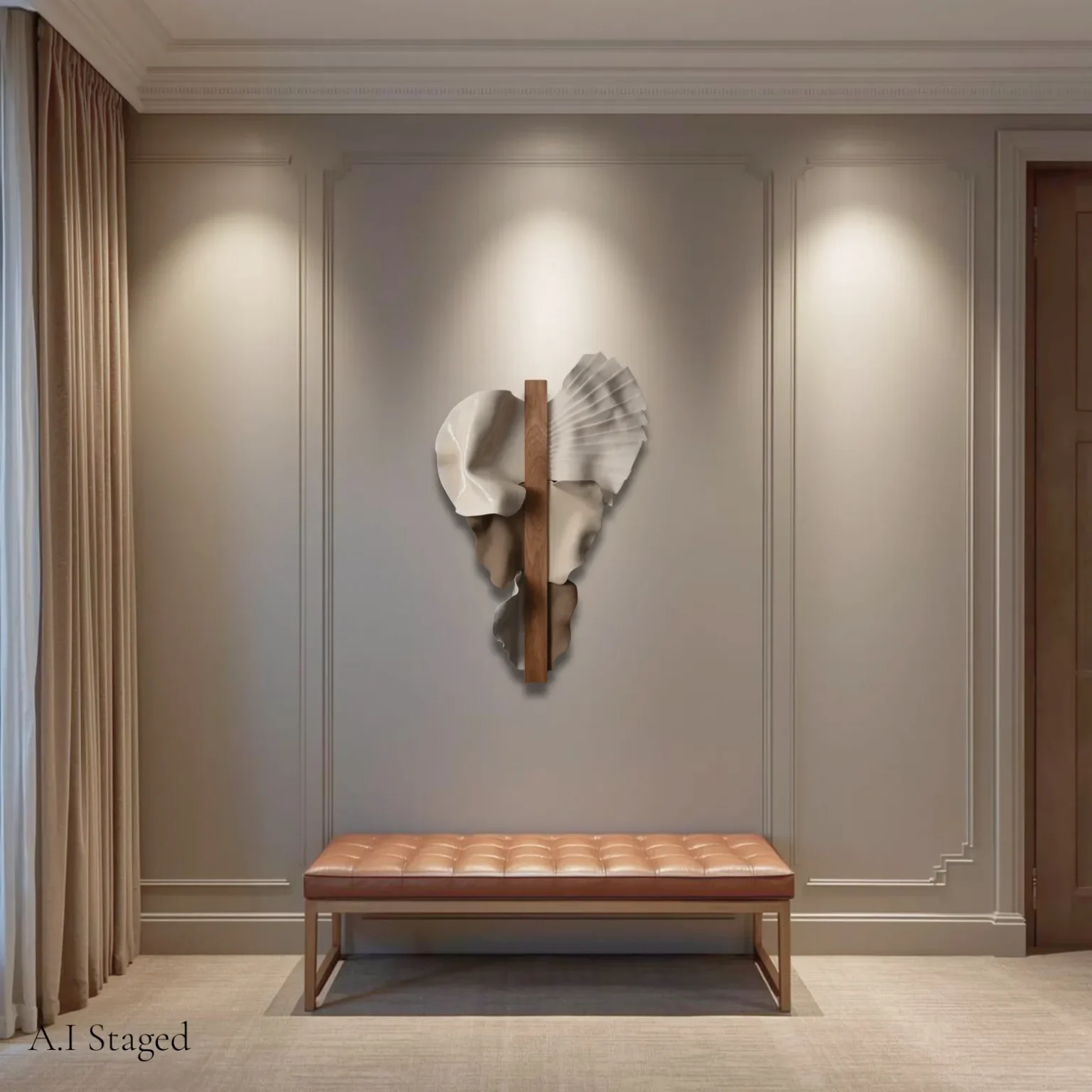
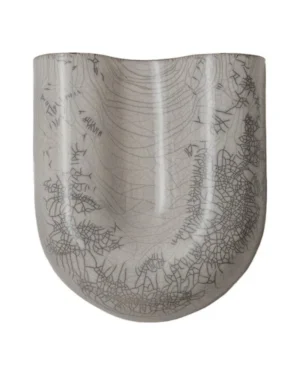
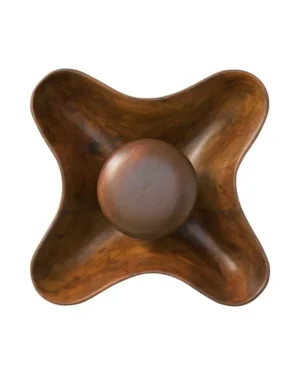
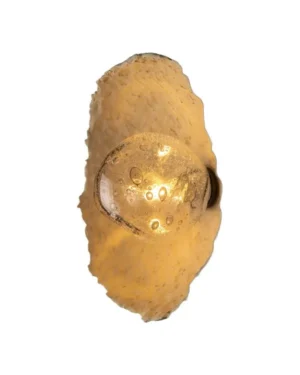
Onda Sconce In Raku White Ceramic
By arrived aliens
€2.200 -

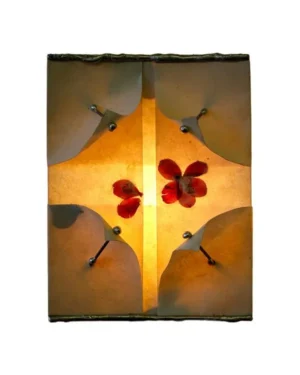
Asea No.40 Wall Sconce In Stoneware And Blown Glass
By Ceren Gürkan
€1.200€1.020 -
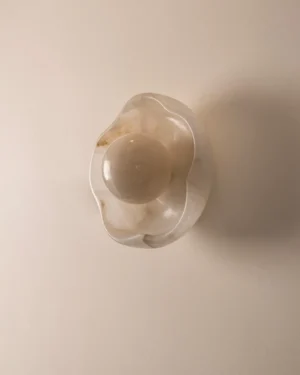
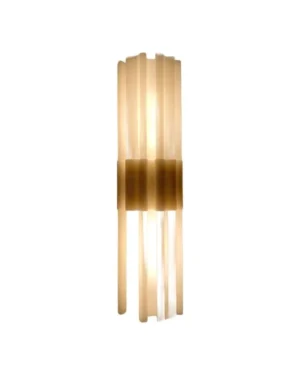
Flower Wall Sconce In Alabaster
By Harshita Jhamtani Designs
€700€630 -
 In stock
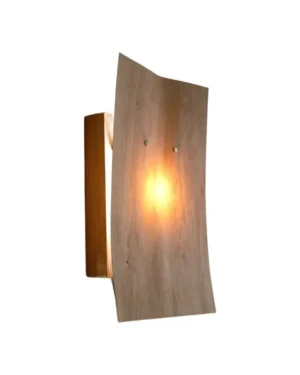
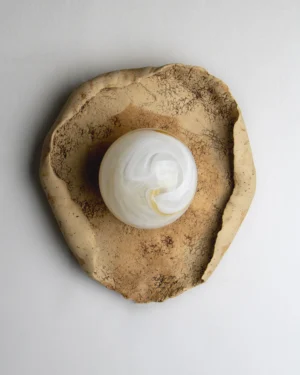
Asea No. 41 Pearl Wall Sconce in Stoneware and Blown Glass
By Ceren Gürkan
€1.000 -
 In stock
Onda Cosmic Wall Sconce In Glazed Ceramic
By arrived aliens
€2.200 -
 In stock
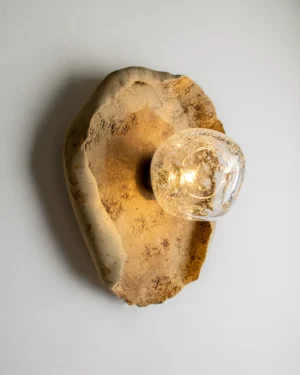
Asea No. 41 Wall Sconce in Stoneware and Blown Glass
By Ceren Gürkan
€1.000 -
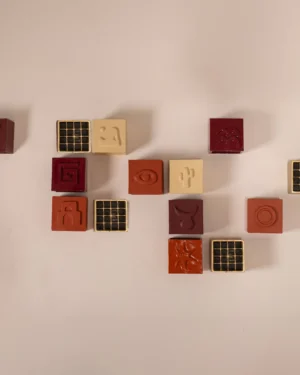
Oasis Wall Light In Hand-sculpted Stoneware
By Harshita Jhamtani Designs
€410 -
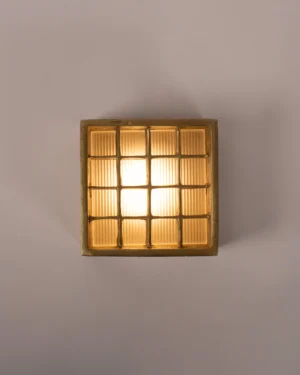
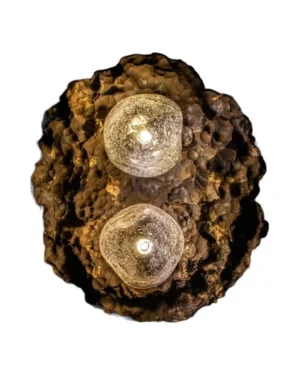
Oasis Mirage Wall Light In Cast Aluminum And Fluted Glass
By Harshita Jhamtani Designs
€620 -
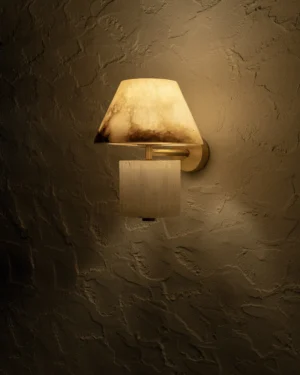
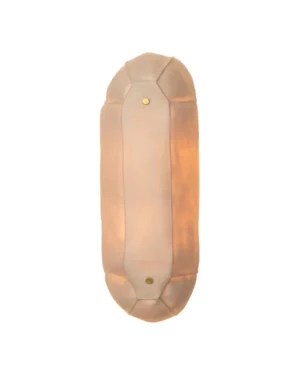
Rio Wall Lamp In Alabaster And Brass
By Harshita Jhamtani Designs
€1.150 -
 In stock
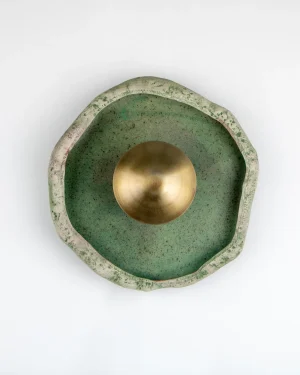
Asea No. 18 Green Wall Sconce In Porcelain And Brass
By Ceren Gürkan
€600 -
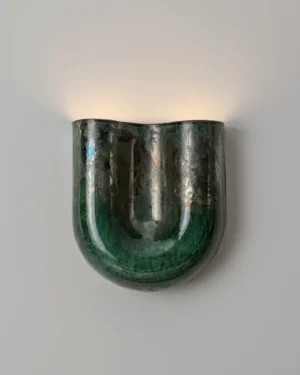
Onda Green Wall Sconce In Raku Ceramic
By arrived aliens
€2.200 -
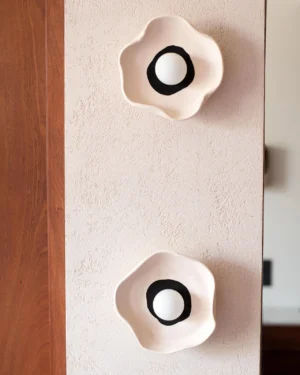
Flower Wall Sconce In Stoneware
By Harshita Jhamtani Designs
€360 -
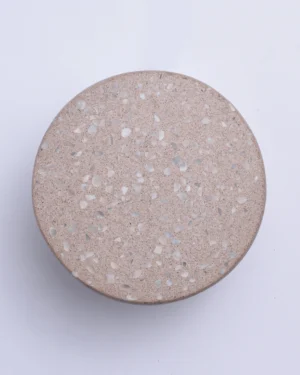
Wilo Nude Wall Sconce In Terrazzo, Aluminum And Silicone
By Harshita Jhamtani Designs
€220 -
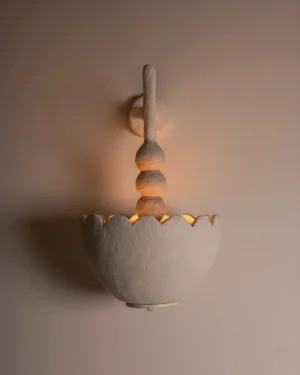
Scallop Wall Sconce In Stoneware And Clay
By Harshita Jhamtani Designs
€1.080 -
10% off
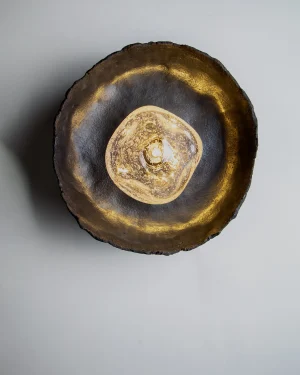
Asea No. 12 Wall Sconce In Stoneware And Blown Glass
By Ceren Gürkan
€800€720 -
 In stock
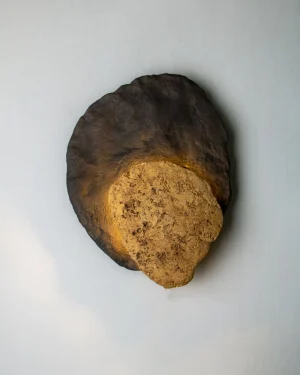
Asea No. 21 Wall Sconce In Stoneware
By Ceren Gürkan
€800 -
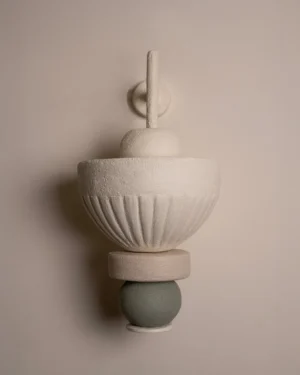
Pebble Wall Sconce In Stoneware And Clay
By Harshita Jhamtani Designs
€1.080 -
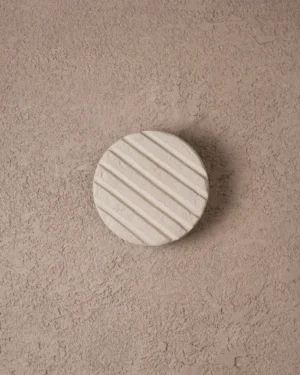
Wilo Fluted Egg White Wall Sconce In Clay And Aluminum
By Harshita Jhamtani Designs
€230 -
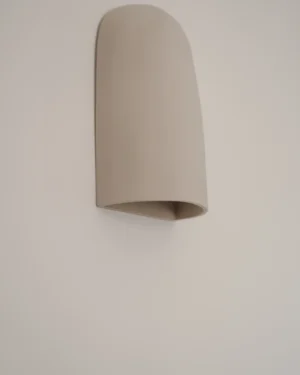 In stock
Arte Wall Sconce in Stoneware
By TERA CERAMIC
€290 -

Onda Black Wall Sconce In Raku Ceramic
By arrived aliens
€2.200 -
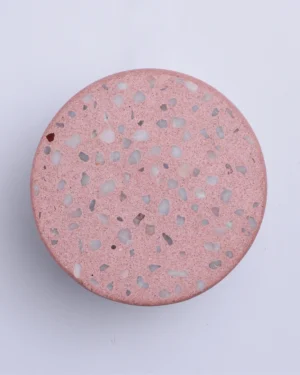
Wilo Blush Wall Sconce In Terrazzo, Aluminum And Silicone
By Harshita Jhamtani Designs
€220 -
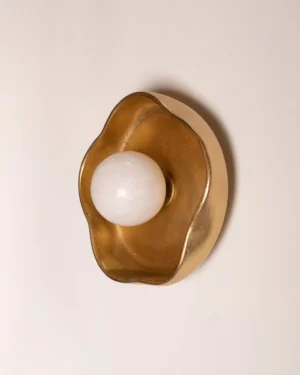
Flower Casted Wall Sconce In Brass-finished Aluminum
By Harshita Jhamtani Designs
€760 -
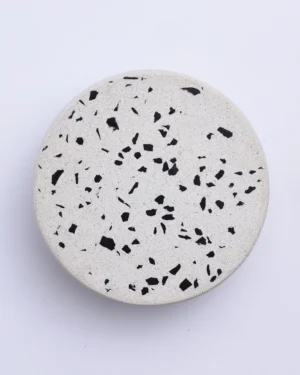
Wilo Mono Wall Sconce In Terrazzo, Aluminum And Silicone
By Harshita Jhamtani Designs
€220 -
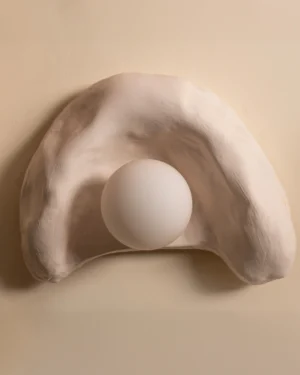
Mini Blob Wall Sconce In Stoneware
By Harshita Jhamtani Designs
€400 -
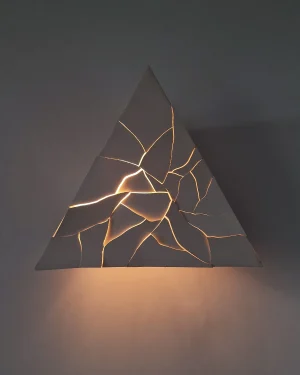 Sold
Mira Luminaire Wall Sconce in Jesmonite and Wood
By Catrinel Sabaciag
€2.500 -
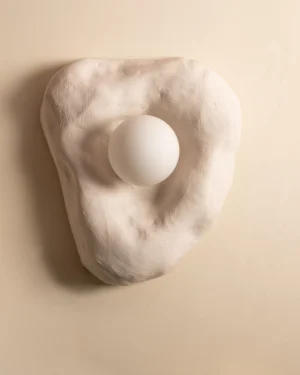
Blob Wall Sconce In Stoneware
By Harshita Jhamtani Designs
€450 -
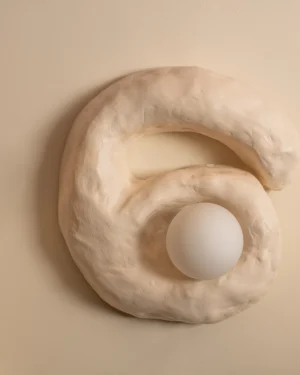
Spiral Wall Sconce In Stoneware
By Harshita Jhamtani Designs
€450
Wabi-sabi wall sconces are built around clay and stoneware shaped by hand, then fired in ways that leave the surface uneven on purpose. Independent studios work the body by hand-building and glazing, or push it through raku firing, where sudden temperature shifts crack the glaze and darken the clay unevenly. No two pieces leave the kiln the same, so the irregularity is the point, not a flaw to smooth over.
What makes a wabi-sabi sconce different
Wabi-sabi as a style does not chase symmetry or a flawless glaze. It keeps the thumbprint, the pooled glaze at the base, the ash marks a raku firing leaves behind. A wall sconce built this way reads as a small, fired object first and a light source second, which suits anyone tired of lighting that looks machine-finished.
Color stays close to the earth: off-white, beige, gold where a glaze pools thick, sometimes a deeper burgundy or black-and-white mottling from the firing itself. Surfaces run from matte and chalky to glassy where the glaze has pulled tight against the clay. Because the finish depends on heat and chance, tone varies piece to piece even within a single studio's work.
Materials, techniques and editions found here
Stoneware and clay carry the style, hand-built rather than cast, so wall thickness and surface both shift slightly across a run. Raku firing is the technique most tied to the look, though some studios glaze and fire more conventionally for a steadier, still-textured result. Editions run open, where a studio repeats a form over time, or one of a kind, where the firing makes every sconce the only one of its kind.
- Open editions in hand-built stoneware, glazed in small batches
- One-of-a-kind pieces from raku firing, no two alike
- Matte, chalky or glossy glazes depending on firing temperature
Anyone drawn to the same sensibility in other materials can look across metal wall sconces, where steel and aluminum age and oxidize in their own slower way.
How to choose a wabi-sabi wall sconce
Scale against the wall it will sit on, not just the fixture itself: a small raku piece can read as jewelry on a long hallway wall, while a wider stoneware form wants its own clear stretch of plaster. Mount height matters more with a sconce than almost any other light, since it sits at eye level and throws its shadow sideways rather than down. A general rule is to hang it so the center lands close to seated or standing eye line, then adjust for the room.
Finish should answer the wall color near it: a chalky off-white glaze stays quiet against plaster, while a darker raku surface with heavy crackle gives a plain wall something to hold onto. Where two sconces flank a mirror or doorway, pieces from an open edition keep the pair close in tone; a one-of-a-kind piece works better alone, where its variation reads as intentional rather than mismatched.
Where these sconces work
The texture and low, uneven light suit rooms built for slowing down. A pair either side of a headboard in the bedroom wall sconces range gives reading light without a lamp base taking up the nightstand. In a hallway wall sconces arrangement, the same unevenness that marks the glaze also breaks up a long run of plain wall, giving the eye something to catch on the way through.
Living with stoneware and clay
Fired clay is stable once glazed, but the unglazed edges some raku pieces leave exposed can mark if struck, so hang away from doorways that see heavy traffic. Dust with a dry or barely damp cloth; avoid soaking a raku surface, since the crackle glaze can draw in water and stain over time. Kept dry and out of direct weather, stoneware holds its color and texture for years, which is part of why the style ages the way it was meant to from the start.
For the fuller range of ceramics, paper, wood and glass worked in this spirit, the wabi-sabi style on ADORNO covers every category the studios touch, while the full wall sconces range shows how this firing and glazing compares with sconces in metal, glass and wood.
How do I choose a wabi-sabi wall sconce?
Look at how the glaze pools and where the clay darkens, since those marks vary piece to piece. Pick a tone, off-white, beige, gold or burgundy, that sits with your wall color rather than against it.
How do you clean and care for a stoneware wall sconce?
Dust with a dry or barely damp cloth, since stoneware and raku-fired surfaces can be porous and absorb liquid. Avoid harsh cleaners on glazed areas, as they can dull or scratch the surface over time.
What size wall sconce do I need and how high should it hang?
Most wall sconces sit at or near eye level, roughly 60 to 65 inches from the floor, though hallways and bedside spots often sit lower. For an exact size, chat with the maker on the piece's page.
Which rooms suit a wabi-sabi sconce best?
Hallways, entryways and bedrooms all suit a sconce's upward, wall-washing light, and a wabi-sabi piece adds texture where walls are otherwise bare. Living rooms work too, especially beside a reading chair or sofa.
Are these sconces handmade and one of a kind?
Stoneware and clay sconces are hand-built, then glazed or raku-fired, which means no two come out exactly alike. Some run as open editions, others as unique pieces; check the piece's page for which.
What about shipping, returns and authenticity when I buy from ADORNO?
Shipping is insured and worldwide. Returns are accepted within 14 days, excluding made-to-order pieces, and every purchase includes a certificate of authenticity along with a lowest-price guarantee.