
-
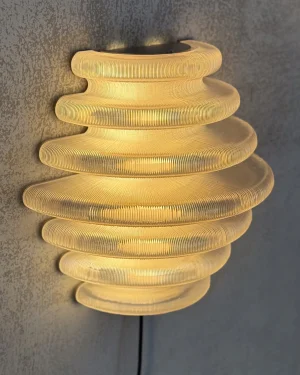
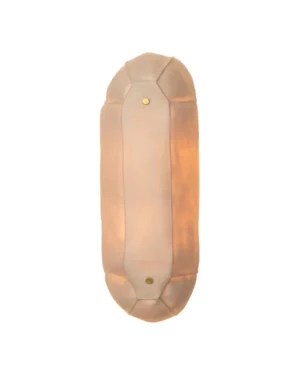
Hive Wall Lamp In Recycled Plastic And Stainless Steel
By Stijn van Aardenne
€805 -
 In stock
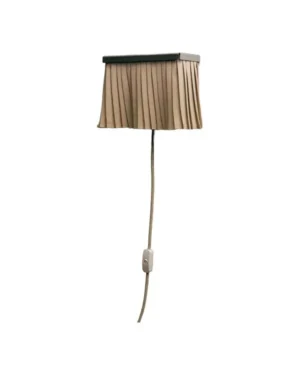
Object 09 Sconce in Nylon and Sand
By Hot Wire Extensions
€1.145 - €1.163 -
 In stock
Object 09 Sconce in Nylon and Sand
By Hot Wire Extensions
€935 - €1.145 -
 In stock
Object 12 Sconce in Nylon and Sand
By Hot Wire Extensions
€1.145 - €1.355 -
 In stock
Object 02 Sconce in Nylon and Sand
By Hot Wire Extensions
€1.460 -
 In stock
Object 04 Sconce in Nylon and Sand
By Hot Wire Extensions
€1.208 -
 In stock
Object 07 Sconce in Nylon and Sand
By Hot Wire Extensions
€1.145 -
 In stock
Object 08 Sconce in Nylon and Sand
By Hot Wire Extensions
€1.670 -
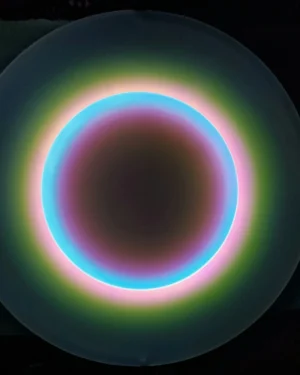
Event Horizon L Wall Sconce in Acrylic Glass
By Catrinel Sabaciag
€1.963 -
 In stock
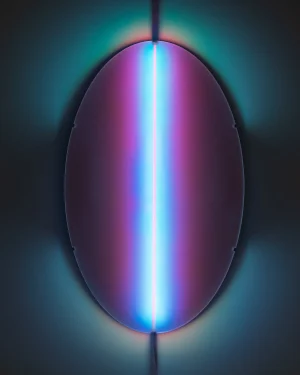
Mini Sombrilla Wall Sconce in 3D Printed PLA
By Studio Parenthesis
€330 -
 In stock
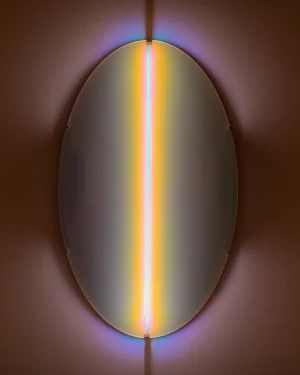
Aurora Frosted Wall Sconce in Acrylic and Aluminum
By Catrinel Sabaciag
€1.352 -
Aurora Gloss Wall Sconce in Acrylic and Aluminum
By Catrinel Sabaciag
€1.341 -

Totem Wall Sconce in Aluminum and Acrylic Glass
By Catrinel Sabaciag
€1.326 -

Dyptich Wall Sconce in Brass and Recycled Plastic
By SIGNATURE OBJECTS
€1.800 -
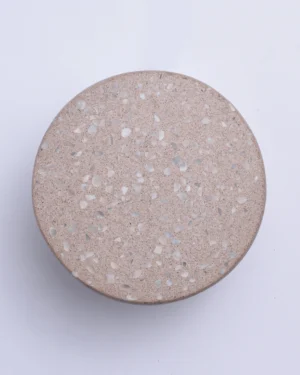
Wilo Nude Wall Sconce In Terrazzo, Aluminum And Silicone
By Harshita Jhamtani Designs
€220 -
 In stock
“Object 06” Wall Lamp from the “Hotel” Collection
By Hot Wire Extensions
€1.208 -

Horizons
By Studio Lampent
€1.500 -
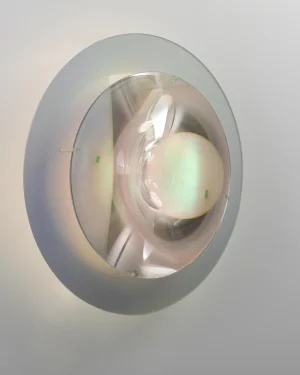
Noosphere Wall Sconce in Aluminum and Acrylic Glass
By Catrinel Sabaciag
€1.072 - €1.112 -
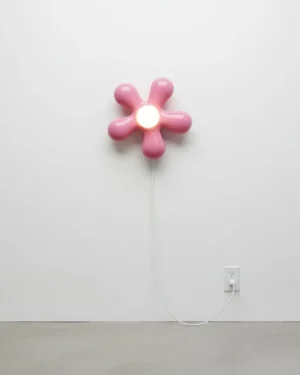
Bloom Wall Sconce In Resin
By Ryan Mercer
€1.268 -
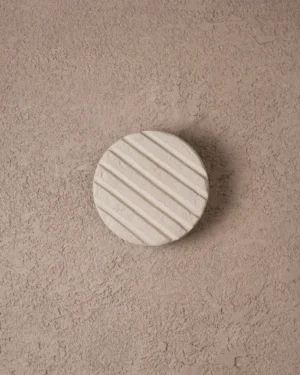
Wilo Fluted Egg White Wall Sconce In Clay And Aluminum
By Harshita Jhamtani Designs
€230 -
 In stock
“Object 10” Wall Lamp from the “Native” Collection
By Hot Wire Extensions
€1.145 -
 In stock
“Object 02” Wall Lamp from the “Hotel” Collection
By Hot Wire Extensions
€1.145 -
 In stock
“Object 05” Wall Lamp from the “Hotel” Collection
By Hot Wire Extensions
€1.208 -
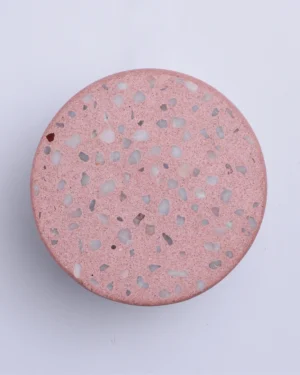
Wilo Blush Wall Sconce In Terrazzo, Aluminum And Silicone
By Harshita Jhamtani Designs
€220 -
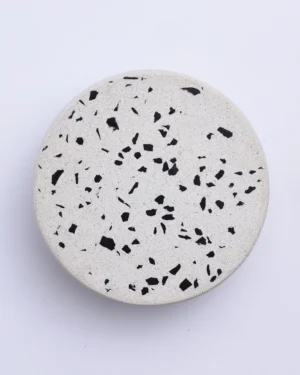
Wilo Mono Wall Sconce In Terrazzo, Aluminum And Silicone
By Harshita Jhamtani Designs
€220 -
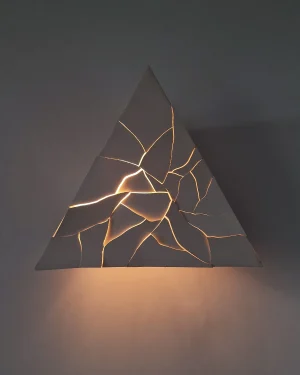 Sold
Mira Luminaire Wall Sconce in Jesmonite and Wood
By Catrinel Sabaciag
€2.500 -

Slotted Wall Sconce In Acrylic
By Nolan Talbot-Kelly
€800 -

Diplo Wall Sconce In Bio Plastic
By Julie Mallet Studio
€375 -
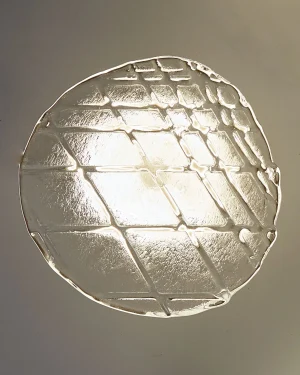
Hot Casted Rhombus Wall Sconce in Brass and Glass
By Pablo Ejarque-González
Price Upon Request -
 In stock
“Object 08” Wall Lamp from the “Native” Collection
By Hot Wire Extensions
€1.995 -
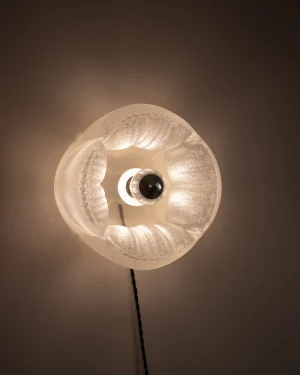
Pascal Wall Lamp
By 91-92
€306 -

Hot Casted Lines Wall Sconce in Brass and Glass
By Pablo Ejarque-González
Price Upon Request -

Hot Casted Wall Sconce in Brass and Glass
By Pablo Ejarque-González
Price Upon Request
Plastic wall sconces gather resin, recycled plastic and bio-polymer into light that holds color the way wood holds grain, each piece shaped by an independent studio working with molds, 3D printers or hand-cast silicone rather than a kiln or a forge. Where ceramic or glass sconces depend on glaze or clarity, these pieces depend on pigment mixed straight into the material, so the color runs all the way through rather than sitting on a surface. The result is light that reads as object first, fixture second.
What the material does differently
Polymer behaves unlike any other material on a wall. It can be poured into soft, rounded forms that no metal sheet or ceramic slip would hold, or printed layer by layer into geometries that read as deliberately futuristic. Recycled material and bio-based polymers bring a slightly irregular surface, flecked or clouded, that keeps a sustainable sconce from looking machine-perfect, while cast resin can go the other way, smooth, glassy and nearly transparent where light passes straight through it.
The range of finishes and techniques
Within the plastic and polymer group, the sconces found here most often use nylon, sandstone-filled composites, recycled plastics, aluminum fittings, sand-based aggregates, silicone, brass hardware and terrazzo surfaces built from scattered chips of stone or glass. Colors run from aqua, dusty pink and yellow to quieter sand, cream, charcoal, off-white and transparent tones, so a sconce can either stand out against plaster or disappear into it. Styles span spare, geometric shapes and Art Deco curves to pieces that lean eclectic, futuristic or deliberately rough at the edge, wabi-sabi in spirit even in a synthetic material.
- Techniques: 3D printing, digital fabrication, metalwork for brackets and backplates, terrazzo making, glass casting, biofabrication
- Editions: open editions for everyday use, limited editions where a studio casts in small, numbered batches
For a wider view of what else is made in this material, from tables to lamps, the full range of plastic and polymer pieces on ADORNO covers more ground than wall lighting alone.
How to choose a plastic wall sconce
Mounting height follows function: eye level or slightly above for a hallway marker, lower and closer to seated eye level beside a bed or sofa where the light needs to wash across a surface rather than down a corridor. Finish decides how much presence the piece has in daylight versus after dark, since a matte, sand-toned polymer reads as quiet stone by day and only shows its color once lit, while a transparent or glossy resin sconce stays legible as an object around the clock.
Where these sconces work
Because plastic and polymer sconces carry color without carrying weight, they suit rooms where a wall needs a focal point but a floor or table cannot spare the space. Hallways and entryways take well to a pair set at matching height, turning a transition space into a considered one; bedrooms gain from a single softer-toned piece beside a headboard. Living rooms can take a bolder color or a sculptural, terrazzo-finished form as a standing piece of color on an otherwise bare wall. For sconces grouped by room, see the hallway wall sconces, the bedroom wall sconces or the broader set of contemporary wall sconces on ADORNO.
Living with polymer light
Plastic and polymer sconces ask for little beyond a dry cloth, since none of these materials absorb moisture or stain the way stone or raw wood can. Keep recycled and bio-based polymers out of direct, sustained sun, which can fade pigment over years the same way it fades any plastic outdoor furniture. Beyond that, a wipe to clear dust from the inside of any shade is usually all the upkeep a piece needs, which is part of why these sconces sit easily in high-traffic rooms. For other wall lights in the same wider set, the full wall sconces category shows how plastic compares to ceramic, glass, wood and metal on the same kind of fixture.
How do I choose a plastic wall sconce?
Start with how the light should feel on the wall: cast resin lets light pass through for a glassy glow, while recycled or bio-based polymer gives a denser, flecked surface that reads more as object than fixture.
How do you clean and care for a plastic wall sconce?
Wipe with a dry or slightly damp cloth, since pigment runs through the material rather than sitting in a glaze, so surface scuffs rarely show. Avoid solvents or abrasive cleaners, which can dull or scratch the surface.
Does plastic fade or discolor over time?
Direct, sustained sunlight can dull some pigments over years, though because color is mixed into the material rather than applied as a coating, fading is gradual and even rather than patchy or flaking.
What height should a wall sconce be mounted at?
Eye level is the usual starting point, roughly 60 to 65 inches from the floor to the center of the fixture, adjusted up or down depending on ceiling height and what the sconce is lighting.
Which rooms suit plastic wall sconces best?
Their color and form work well anywhere a wall needs presence rather than just illumination: hallways, bedrooms, living rooms or entryways, especially where a softer or more sculptural glow suits the space better than metal or glass.
What happens if I need to return or have questions about a sconce?
Shipping is insured and worldwide, returns are accepted within 14 days except on made-to-order pieces, and each piece arrives with a certificate of authenticity. For specifics on a piece, chat with the maker on its page.