
-

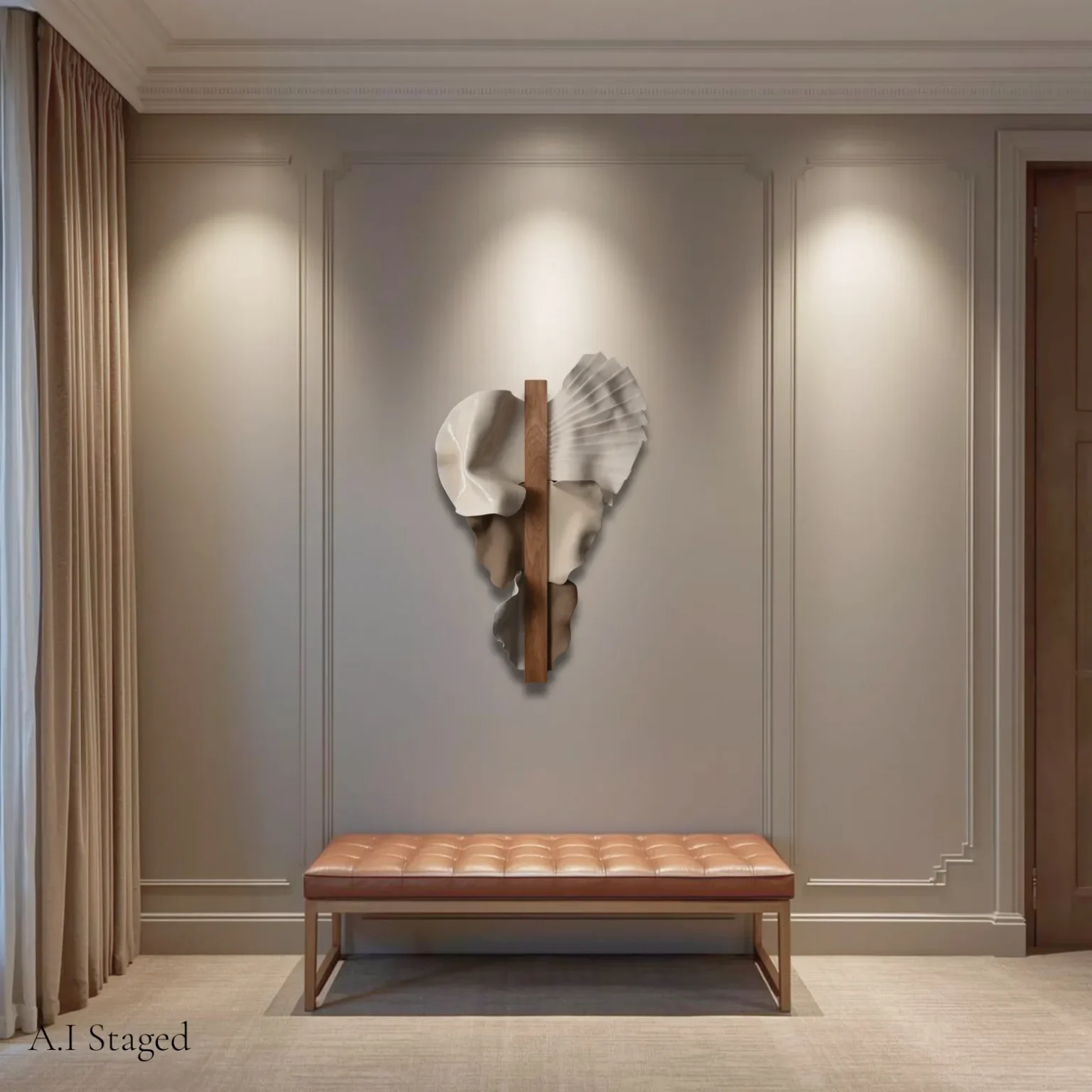
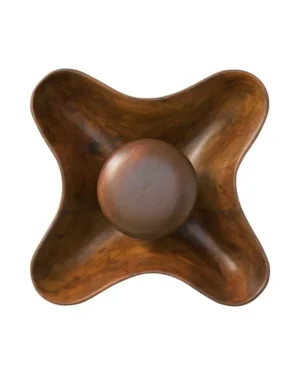
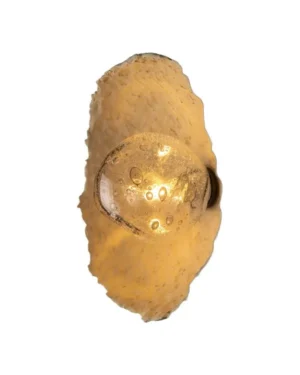
Onda Sconce In Raku White Ceramic
By arrived aliens
€2.200 -
 In stock
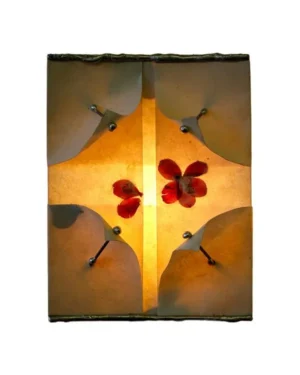
Coral Wall Lamp – Clay Sconce
By Dzovag Kotchian
€900 -

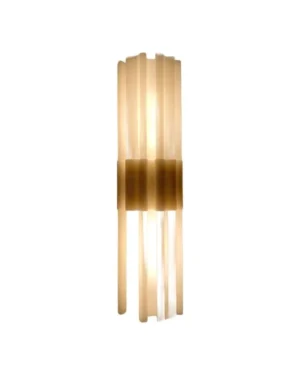
Obli Wall Sconce In Stainless Steel
By T44 design studio
€148€134 -

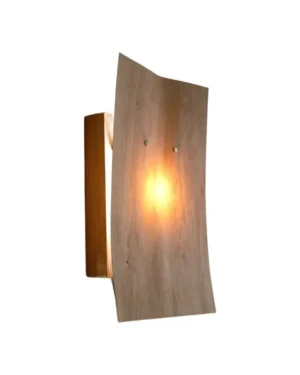
Versa Wall Sconce In Stainless Steel
By T44 design studio
€215€194 -
 In stock
Onda Cosmic Wall Sconce In Glazed Ceramic
By arrived aliens
€2.200 -
 In stock
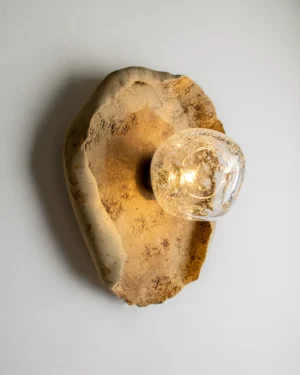
Asea No. 41 Wall Sconce in Stoneware and Blown Glass
By Ceren Gürkan
€1.000 -
 In stock
Pearl Wall Lamp – Clay Sconce
By Dzovag Kotchian
€1.200 -

Onda Copper Wall Sconce In Raku Ceramic
By arrived aliens
€2.200 -
 In stock
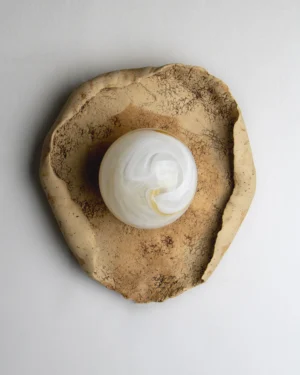
Asea No. 41 Pearl Wall Sconce in Stoneware and Blown Glass
By Ceren Gürkan
€1.000 -
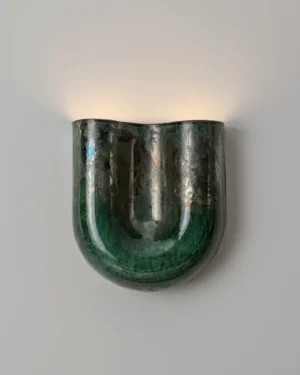
Onda Green Wall Sconce In Raku Ceramic
By arrived aliens
€2.200 -
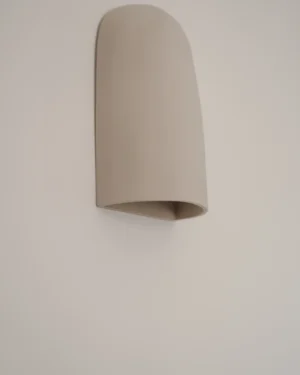 In stock
Arte Wall Sconce in Stoneware
By TERA CERAMIC
€290 -

Endu Wall Sconce In Metal
By Natural Urbano - Sebastián Beltrán
€365 -

Onda Black Wall Sconce In Raku Ceramic
By arrived aliens
€2.200 -

Diplo Wall Sconce In Bio Plastic
By Julie Mallet Studio
€375 -
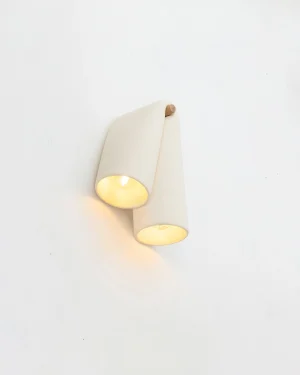
Melo Wall Sconce In Stoneware And Beech Wood
By Catalin Filip
€350
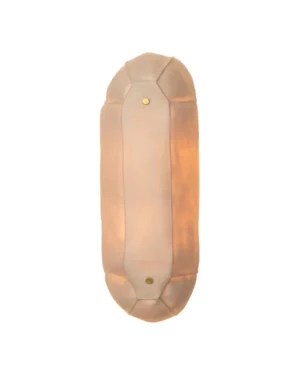
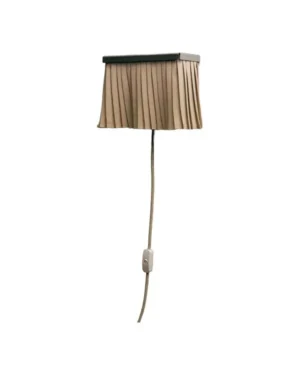
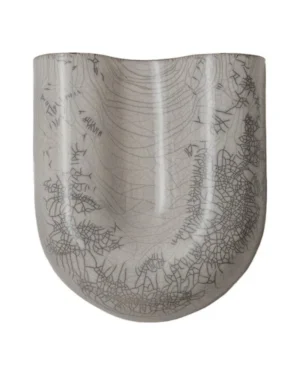
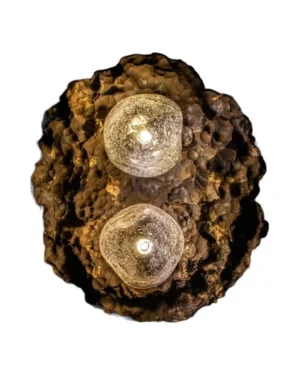
Kitchen wall sconces here are built from hand-built stoneware, hand-blown glass and finished metal, each one shaped by an independent studio working in a single material rather than a mix of parts. Some are glazed in a kiln, some are blown at a furnace, some are cut and bent from sheet aluminum or steel. What they share is a body simple enough to read clearly from across a room and a mount sturdy enough to hold a steady position above a counter or table.
What defines a kitchen wall sconce
A sconce for the kitchen has to survive heat, grease and daily wiping, so the material at hand matters more than it does in a bedroom or hallway. Glazed stoneware and clay resist moisture once fired and take a wipe without losing their surface. Hand-blown glass diffuses light without holding odors, and finished metal, whether brushed or painted, shrugs off splashes near a stove or sink.
Materials, finishes and the ways they are made
Stoneware and clay sconces are hand-built or slip-cast, then glazed in tones that run from chalky white and off-white to sand, terracotta and black, a glaze that both seals the clay and gives it a surface that holds light rather than scattering it. Blown glass pieces are shaped while still hot, so each one carries a trace of the maker's hand in a thickness that varies slightly from piece to piece. Metal sconces are folded or cast, finished in matte or raw tones that read as neo-artesanal or quietly contemporary rather than decorative.
- Ceramic, stoneware and clay bodies, raku-fired or glazed, in white, off-white, beige, grey, sand, terracotta or black
- Blown glass shades, clear or tinted, paired with metal or wood fittings
- Steel, brass and aluminum fixtures, brushed, blackened or left raw
- Editions ranging from open runs to limited editions and unique pieces, depending on the studio and process
How to choose one for a kitchen wall
Scale first: a sconce set beside a window or above an island should sit close enough to the eye to read as a fixture, not a stray light. Mounting height typically runs close to eye level so the shade throws its light sideways across the wall rather than down onto a countertop already covered by task lighting. Pick a finish that will stand near a stove without discoloring, and a shade shape that will not catch steam directly above a hob.
Where a kitchen opens into a dining or living area, a sconce in the same material family as the pieces nearby, whether that is matte stoneware or blackened steel, holds the rooms together without repeating a single shape. Anyone furnishing those adjoining rooms separately can look at living room wall sconces or contemporary wall sconces for a finish that carries through.
Placement and care
Keep kitchen wall sconces clear of direct splash zones and steam plumes, mounting them to the side of a stove or sink rather than directly above. Glazed stoneware and glass wipe clean with a damp cloth; raw or unlacquered metal benefits from a dry wipe to keep grease from building a film. Stoneware and clay should never go through a dishwasher or soak in water, since the body, even glazed, can absorb moisture at the base over time.
For a broader look at metal finishes alone, metal wall sconces cover steel, brass and aluminum pieces in more depth, while the full range of wall sconces spans every room and material on ADORNO. For other kitchen lighting beyond the wall, kitchen lighting and the wider set of kitchen pieces on ADORNO round out a room built from the same hand-worked materials.
How do I choose a kitchen wall sconce?
Start with the material. Glazed stoneware and finished metal resist grease and wipe clean, which matters more near a stove than it does in a bedroom or hallway.
What material is best for a kitchen sconce?
Glazed stoneware, hand-blown glass and finished metal all hold up to heat and moisture. Stoneware seals in the kiln, glass stays odor-free, and metal shrugs off splashes near a sink or stove.
How do I clean and care for a kitchen wall sconce?
Wipe glazed ceramic, glass or metal with a damp cloth as needed. Avoid abrasive cleaners on glaze and finished metal, since they can dull the surface over time.
How high should a kitchen wall sconce be mounted?
Most sit at eye level or just above a counter, high enough to clear daily use but low enough to throw light across the wall. The maker can confirm mounting guidance on the piece's page.
Can a kitchen wall sconce work in other rooms too?
Yes. The same stoneware, glass and metal sconces suit a hallway, entryway or living room wall, anywhere a steady wall mount and clear light are useful.
What are ADORNO's shipping, returns and authenticity policies?
Shipping is insured and worldwide. Returns are accepted within 14 days, excluding made-to-order pieces, and each sconce arrives with a certificate of authenticity.