
-
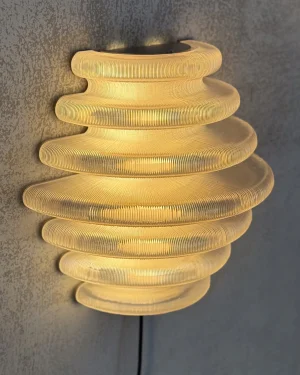
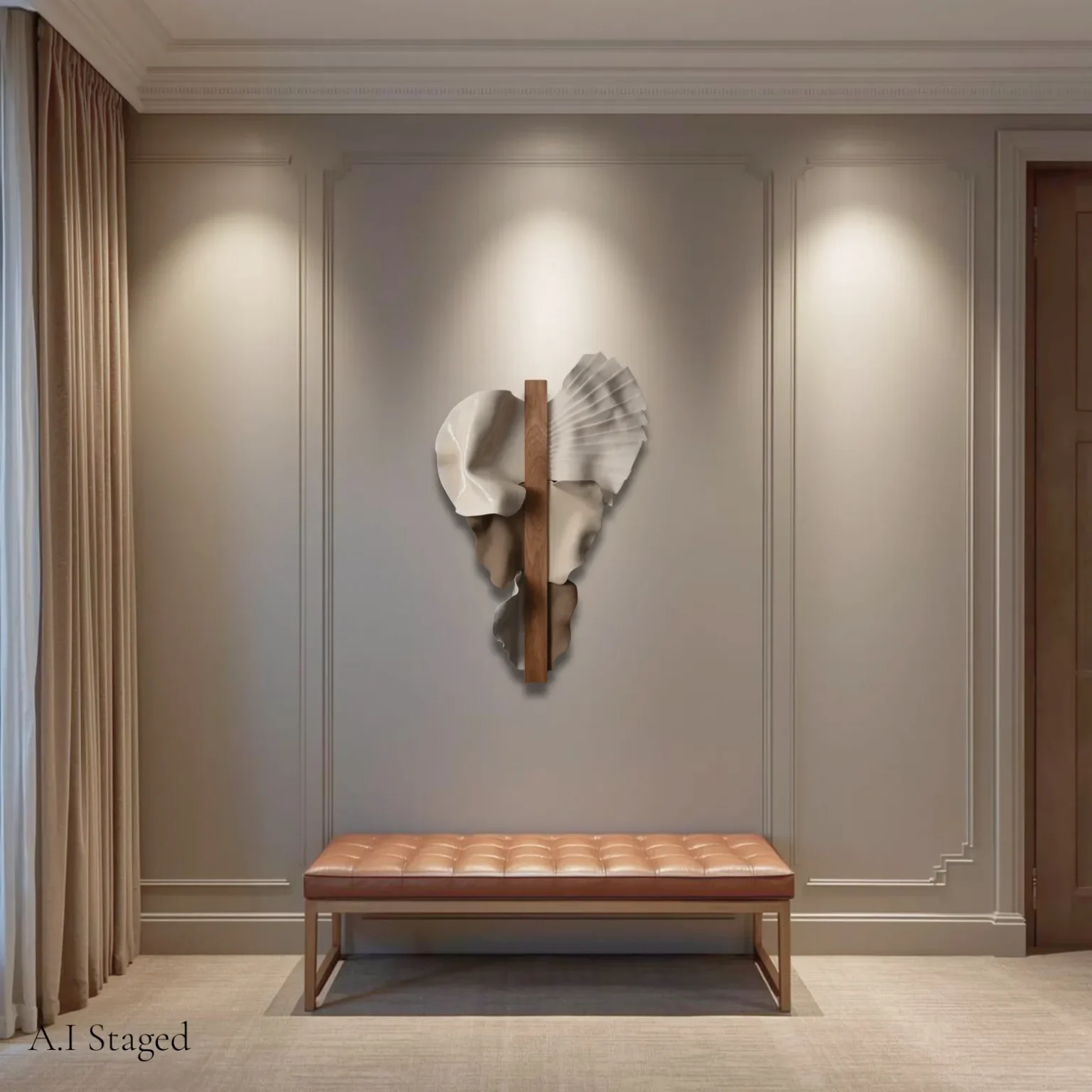
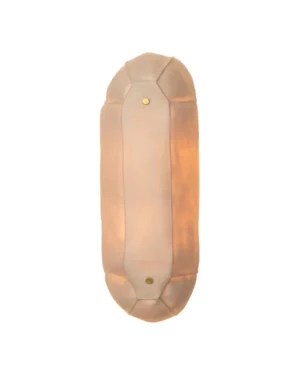
Hive Wall Lamp In Recycled Plastic And Stainless Steel
By Stijn van Aardenne
€805 -
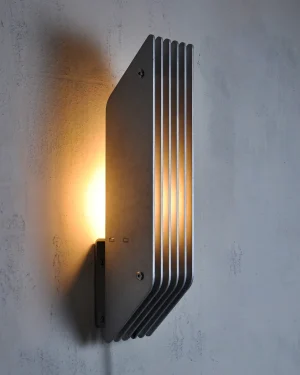
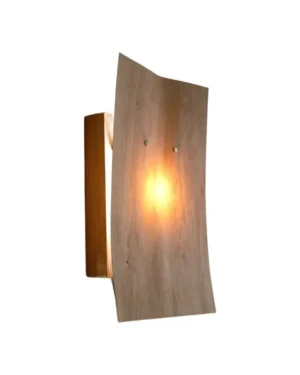
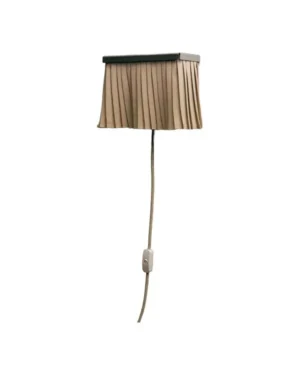
Rln460 Wall Lamp In Matte Aluminium
By MLK Furniture
€390 -
 In stock
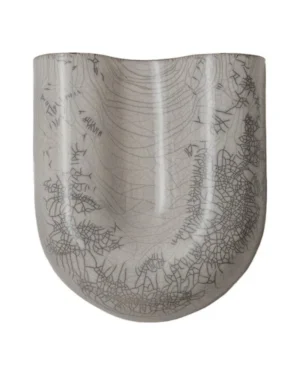
Object 09 Sconce in Nylon and Sand
By Hot Wire Extensions
€1.145 - €1.163 -
 In stock
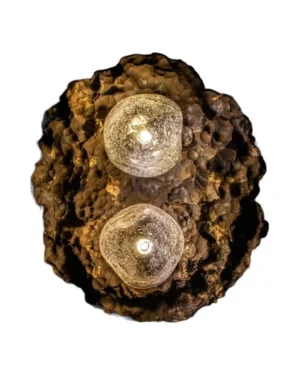
Object 09 Sconce in Nylon and Sand
By Hot Wire Extensions
€935 - €1.145 -
 In stock
Object 12 Sconce in Nylon and Sand
By Hot Wire Extensions
€1.145 - €1.355 -
 In stock
Object 04 Sconce in Nylon and Sand
By Hot Wire Extensions
€1.208 -
 In stock
Object 07 Sconce in Nylon and Sand
By Hot Wire Extensions
€1.145 -
 In stock
Object 08 Sconce in Nylon and Sand
By Hot Wire Extensions
€1.670 -
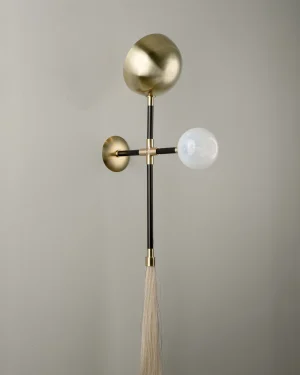
Gogo Wall Sconce in Brass, Blown Glass and Natural Fibers
By Isabel Moncada
€2.880 - €4.036 -
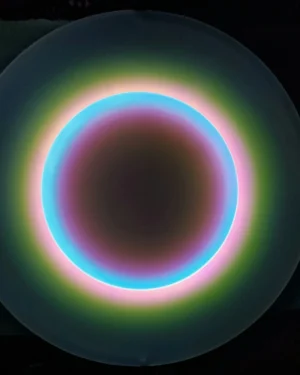
Event Horizon L Wall Sconce in Acrylic Glass
By Catrinel Sabaciag
€1.963 -
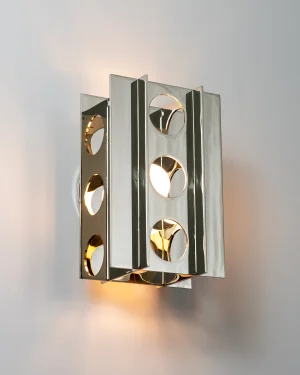
Tenfold 3T Mirror Wall Sconce in Steel and Aluminum
By Luft Tanaka Studio
€1.540 -
 In stock
Sigil Crest Wall Sconce in Stainless Steel and Selenite
By Nitush and Aroosh
€1.800 -
 In stock
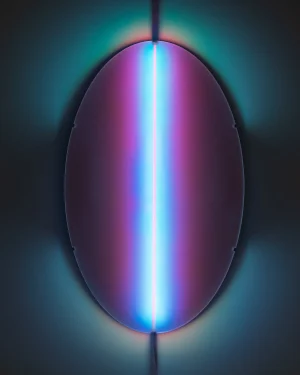
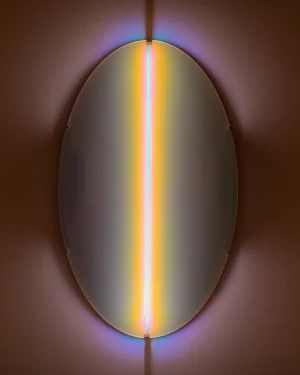
Aurora Frosted Wall Sconce in Acrylic and Aluminum
By Catrinel Sabaciag
€1.352 -
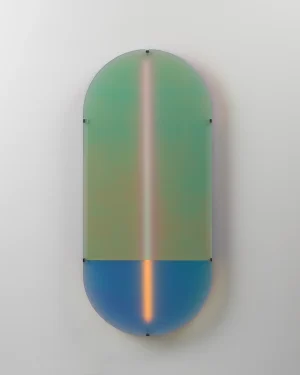
Aurora Gloss Wall Sconce in Acrylic and Aluminum
By Catrinel Sabaciag
€1.341 -
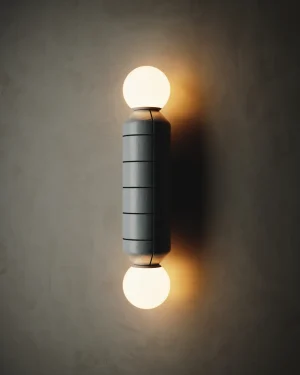
Totem Wall Sconce in Aluminum and Acrylic Glass
By Catrinel Sabaciag
€1.326 -
 In stock
Navazi Wall Sconce in Glass and Ceramic
By SVITANOK
€1.130 - €1.260 -
 In stock
“Object 06” Wall Lamp from the “Hotel” Collection
By Hot Wire Extensions
€1.208 -
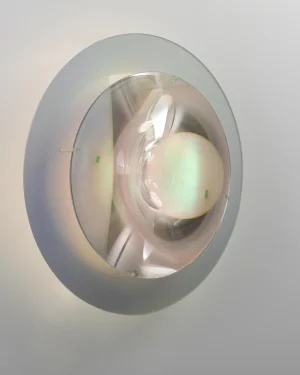
Noosphere Wall Sconce in Aluminum and Acrylic Glass
By Catrinel Sabaciag
€1.072 - €1.112 -
 In stock
“Object 10” Wall Lamp from the “Native” Collection
By Hot Wire Extensions
€1.145 -
 In stock
“Object 02” Wall Lamp from the “Hotel” Collection
By Hot Wire Extensions
€1.145 -
 In stock
“Object 05” Wall Lamp from the “Hotel” Collection
By Hot Wire Extensions
€1.208 -
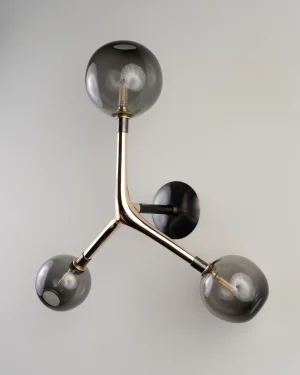
Ocellus Wall Sconce in Bronze and Blown Glass
By Isabel Moncada
€3.510 - €4.036 -
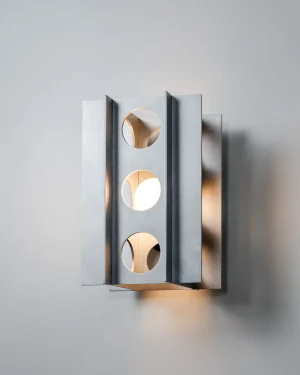
Tenfold 3T Satin Wall Sconce in Steel and Aluminum
By Luft Tanaka Studio
€865 -
 In stock
Insect Wall Sconce in Aluminum and Ash Wood
By BY JAMPS
€5.000 -
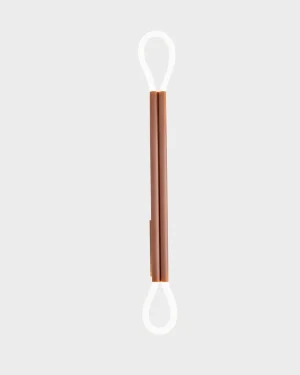 In stock
Temporal Collection Sconce in Copper
By Lucas Muñoz Muñoz
€800 - €1.200 -

Ojos Wall Sconce in Bronze and Blown Glass
By Isabel Moncada
€2.925 - €3.363 -
 In stock
“Object 08” Wall Lamp from the “Native” Collection
By Hot Wire Extensions
€1.995
Futuristic wall sconces take their cues from aerospace panels and laboratory equipment rather than candlelight or brass fittings. Independent studios shape them from aluminum, nylon and acrylic glass, using metal casting, 3D printing and laser cutting to produce forms that look poured, printed or machined rather than hand-finished. The results sit closer to sculpture than to a traditional lamp, and most appear in limited editions rather than ongoing production.
What sets futuristic sconces apart
Where a classic sconce borrows from architecture, a futuristic one borrows from technology. Expect faceted shields, cast curves, or printed lattices that read as prototypes for something not yet built. Aluminum gives these pieces a hard, cool surface that reflects light instead of absorbing it, while nylon and acrylic glass let a designer work in volumes that would be heavy or brittle in metal.
Metal casting produces a sconce with weight and a slightly rough, matte skin where the mold leaves its trace. Laser cutting does the opposite, giving crisp edges and repeatable geometry, often in sheet aluminum or steel. 3D printing sits between the two: it allows hollow, lattice-like forms in nylon that no casting process could release from a mold, and because each run is small, no two batches are ever quite identical.
Materials, finishes and editions you will find
The range on ADORNO moves with what studios are making, but certain combinations recur. Brushed or polished aluminum appears often, sometimes paired with acrylic glass for a diffuser that glows from within rather than throwing a hard beam. Nylon pieces tend to come in a single molded color, matte rather than glossy, which suits the technical look of the form.
- Finishes: brushed aluminum, matte nylon, clear or tinted acrylic
- Techniques: metal casting, laser cutting, 3D printing, digital fabrication
- Editions: limited editions and unique pieces, rarely open runs
Anyone drawn to this look more broadly, beyond sconces, will find the same material language running through futuristic lighting as a whole, from floor pieces to pendants.
How to choose one for your wall
Scale matters more with futuristic forms than with a simple shade, because the sculptural shape itself becomes part of the room's geometry. A sconce with a wide cast arm or a printed lattice needs enough blank wall around it to read clearly, rather than competing with artwork or shelving.
Mounting height follows the same logic as any wall light: eye level or slightly above in a hallway, a little lower beside a bed or sofa where the light needs to reach a reading surface. Check whether the piece throws light up, down or sideways, since an uplighting sconce in cast aluminum will wash a ceiling in a way a laser-cut, forward-facing design will not.
Finish should match the hardware already in the room. Brushed aluminum in a cool tone sits well against concrete or steel, while a warmer acrylic glow can soften an otherwise hard-edged interior. For a broader look at metal options beyond this one style, the metal wall sconces group is worth a look.
Where these sconces work
A futuristic sconce reads strongest in a room with little else competing for attention: a hallway, a study, or a living room wall left deliberately bare. In a bedroom, a smaller cast or printed piece beside the headboard gives directional light without the bulk of a table lamp, an approach covered in more depth on the bedroom wall sconces page. Across any of these settings, futuristic wall sconces work best as a single statement rather than a pair repeated down a corridor.
Caring for aluminum, nylon and acrylic
Aluminum resists corrosion on its own but shows fingerprints and dust on a matte or brushed surface; wipe it with a dry or barely damp cloth, never an abrasive one. Acrylic glass scratches more easily than true glass, so clean it with a soft cloth and avoid household glass sprays, which can cloud it over time. Nylon needs little more than dusting, though direct sun over years can dull its color slightly. For the full range of styles and materials these sconces sit within, the wall sconces category and the wider futuristic design grouping cover what else independent studios are making in this vein.
How do I choose a futuristic wall sconce?
Start with the surface you want: cast aluminum gives a matte, weighted presence, laser-cut sheet metal gives sharp repeatable lines, and 3D-printed nylon allows hollow, lattice-like shapes. Pick the making process before the shape.
How do I clean and care for an aluminum or acrylic sconce?
Wipe aluminum and acrylic with a dry or barely damp cloth, avoiding abrasive cleaners that can dull brushed or polished surfaces. Keep acrylic glass out of direct sun, since prolonged heat can warp or yellow it over time.
What height should a futuristic wall sconce be mounted at?
Most sconces sit around eye level, typically five to six feet from the floor, though a faceted or sculptural shade can sit higher as a focal point. The maker can confirm the best height for a specific piece.
Which rooms suit a futuristic wall sconce?
Their hard, reflective surfaces and architectural forms work well in hallways, entryways and living rooms, where there is wall space to let the shape read clearly. They also hold up well beside a bed in place of a table lamp.
Are futuristic wall sconces sold as limited editions?
Many are, since small-batch casting, printing and cutting runs mean no two batches turn out quite identical. The maker can confirm the edition details for a specific piece.
What about shipping, returns and authenticity when I buy from ADORNO?
Shipping is insured and worldwide, with a 14-day return policy that excludes made-to-order pieces. Every piece includes a certificate of authenticity, backed by a lowest-price guarantee.