
-
 In stock
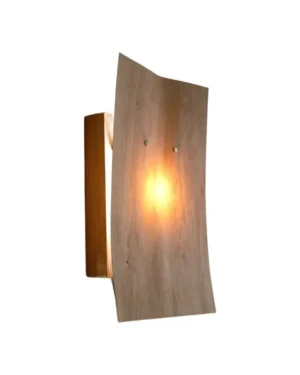
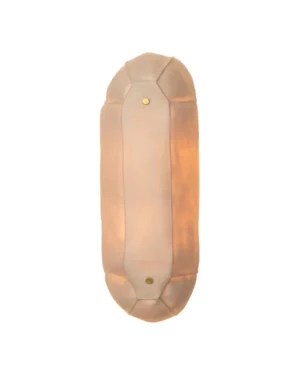
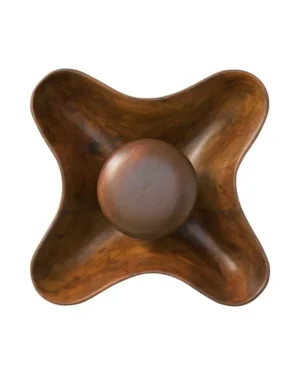
Object 09 Sconce in Nylon and Sand
By Hot Wire Extensions
€1.145 - €1.163 -

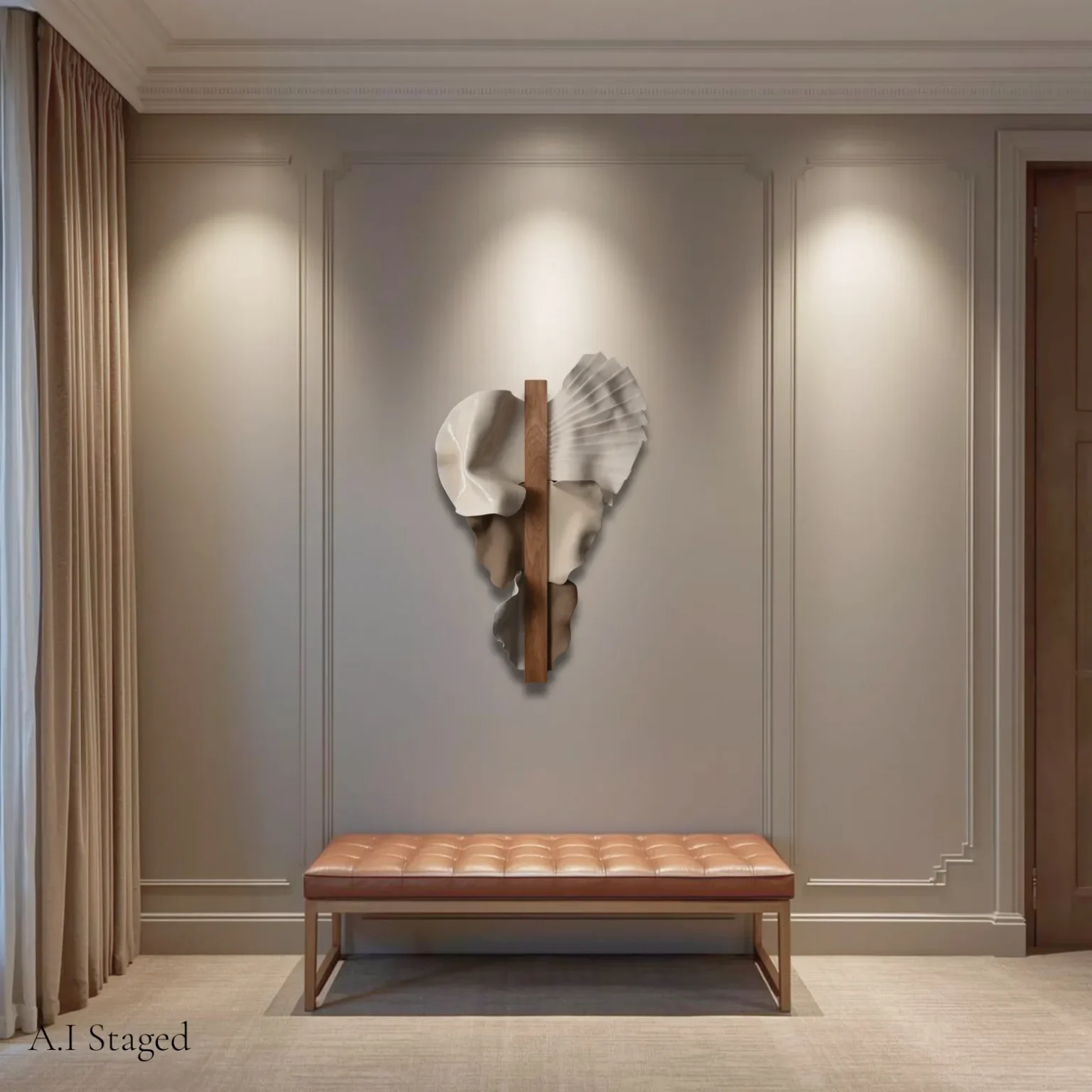
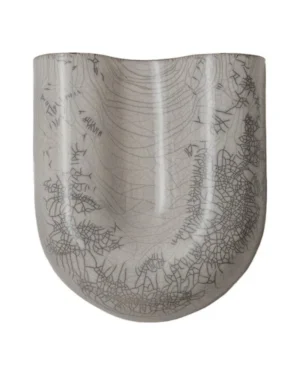
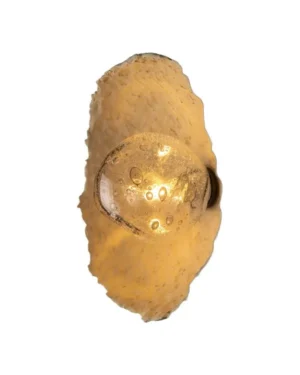
Onda Sconce In Raku White Ceramic
By arrived aliens
€2.200 -
 In stock
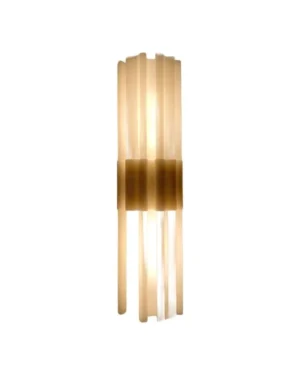
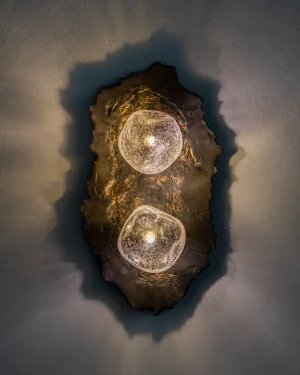
Asea No. 25 Wall Sconce In Blown Glass And Stoneware
By Ceren Gürkan
€1.100 -
 In stock
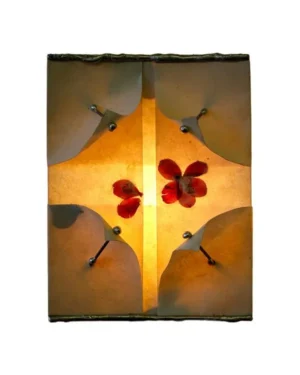
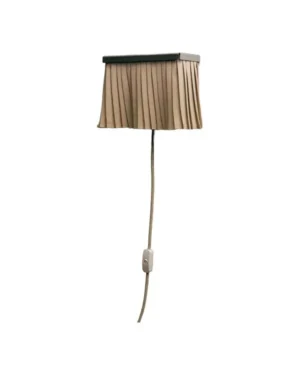
Object 09 Sconce in Nylon and Sand
By Hot Wire Extensions
€935 - €1.145 -
 In stock
Object 12 Sconce in Nylon and Sand
By Hot Wire Extensions
€1.145 - €1.355 -
 In stock
Object 04 Sconce in Nylon and Sand
By Hot Wire Extensions
€1.208 -
 In stock
Object 07 Sconce in Nylon and Sand
By Hot Wire Extensions
€1.145 -
 In stock
Object 08 Sconce in Nylon and Sand
By Hot Wire Extensions
€1.670 -
 In stock
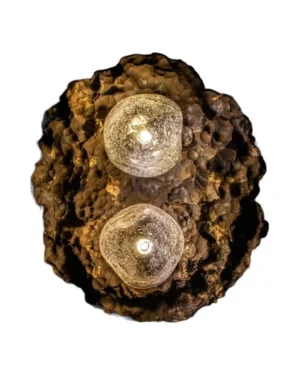
Coral Wall Lamp – Clay Sconce
By Dzovag Kotchian
€900 -
 In stock
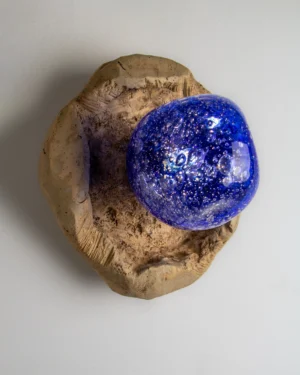
Asea No.13 Wall Sconce In Stoneware And Blown Glass
By Ceren Gürkan
€1.300 -
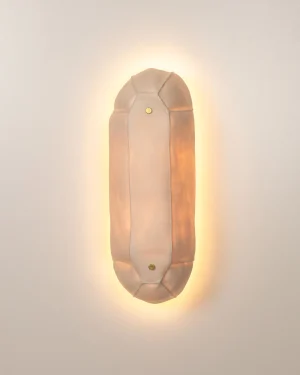
Kawa Series 01 Wall Sconce in Porcelain and Brass
By Luft Tanaka Studio
€1.600 -
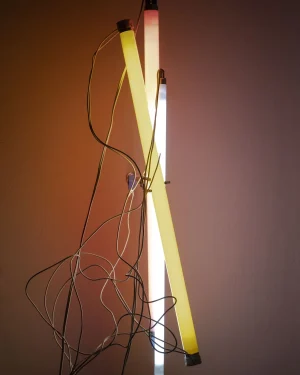 In stock
Extreme Il Wall Lamp in Metals
By TUNK I Busra Tunc
€280 -
 In stock
Asea No. 12 Green Wall Sconce In Stoneware And Blown Glass
By Ceren Gürkan
€800 -
 In stock
Nova Wall Sconce in Blown Glass and Steel
By Ceren Gürkan
€700 -
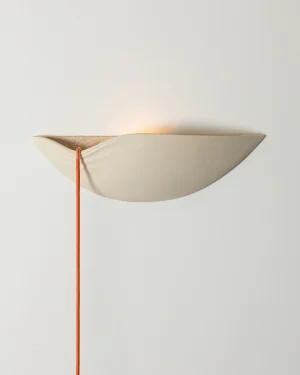
Loma Wall Sconce In Stoneware
By Catalin Filip
€450 -
10% off
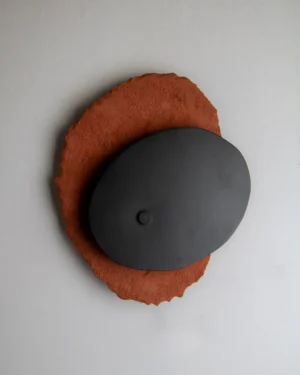
Asea No.1 Cherry Wall Sconce In Stoneware And Metal
By Ceren Gürkan
€1.000€900 -
10% off
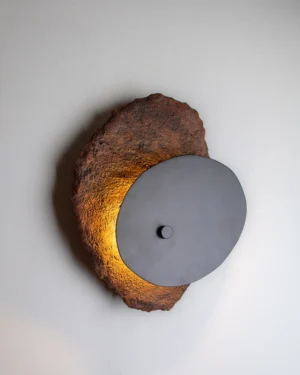
Asea No. 1 Cherry Dark Wall Sconce in Stoneware and Metal
By Ceren Gürkan
€1.000€900 -
 In stock
Pearl Wall Lamp – Clay Sconce
By Dzovag Kotchian
€1.200 -
 In stock
Extreme I
By TUNK I Busra Tunc
€450 -
 In stock
Asea No. 26 Pink Wall Sconce in Stoneware and Blown Glass
By Ceren Gürkan
€1.000 -
 In stock
Nova Blue Wall Sconce in Blown Glass and Steel
By Ceren Gürkan
€700 -
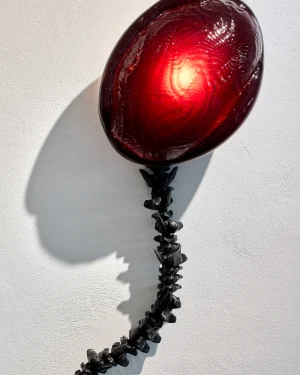 In stock
Dysplasio Wall Sconce in Blown Glass
By Anna Jožová
€2.000 - €3.300 -
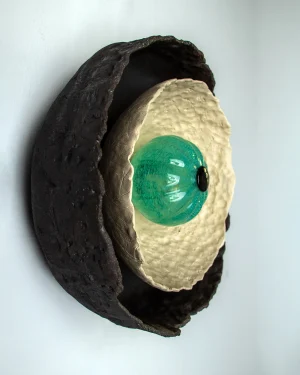 In stock
Asea No. 26 Eye Wall Sconce in Porcelain and Blown Glass
By Ceren Gürkan
€1.100 -
 In stock
“Object 06” Wall Lamp from the “Hotel” Collection
By Hot Wire Extensions
€1.208 -
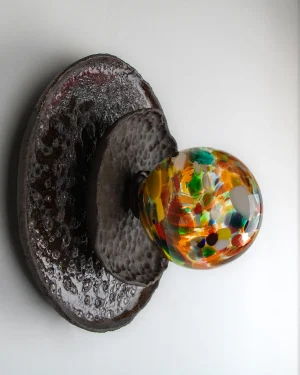 In stock
Asea No. 34 Wall Sconce in Stoneware and Blown Glass
By Ceren Gürkan
€1.000 -
 In stock
Asea No. 27 Blue Wall Sconce in Stoneware and Blown Glass
By Ceren Gürkan
€1.000 -
 In stock
Asea No. 35 Moss Wall Sconce in Stoneware and Blown Glass
By Ceren Gürkan
€1.200 -
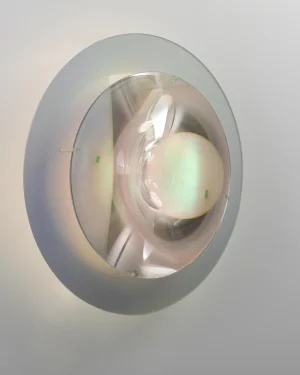
Noosphere Wall Sconce in Aluminum and Acrylic Glass
By Catrinel Sabaciag
€1.072 - €1.112 -
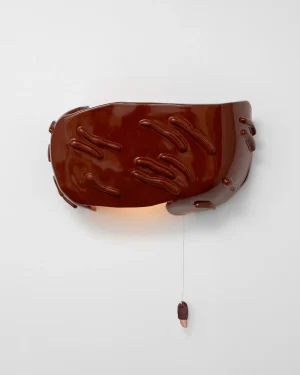
Killing the Mood Wall Sconce in Ceramic
By Studio AOAO
€2.200 -
 In stock
Asea No. 14 Wall Sconce in Stoneware and Metal
By Ceren Gürkan
€900 -
 In stock
“Object 10” Wall Lamp from the “Native” Collection
By Hot Wire Extensions
€1.145 -
 In stock
“Object 02” Wall Lamp from the “Hotel” Collection
By Hot Wire Extensions
€1.145 -
 In stock
“Object 05” Wall Lamp from the “Hotel” Collection
By Hot Wire Extensions
€1.208 -
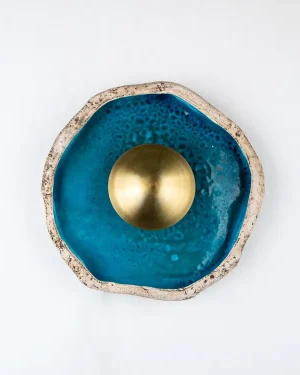 In stock
Asea No. 18 Blue Wall Sconce In Porcelain And Brass
By Ceren Gürkan
€600 -
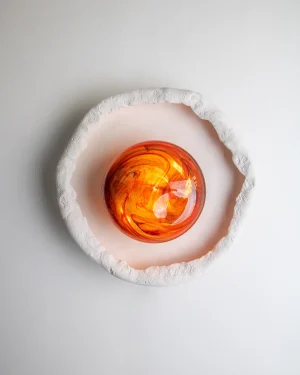 In stock
Asea No. 35 Wall Sconce in Porcelain and Blown Glass
By Ceren Gürkan
€1.200 -
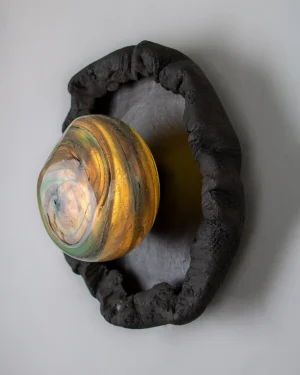 In stock
Asea No. 27 Wall Sconce in Stoneware and Blown Glass
By Ceren Gürkan
€1.000 -

Wall Light Franca C
By MANUHITA
Price Upon Request -
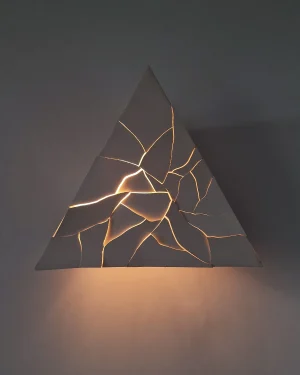 Sold
Mira Luminaire Wall Sconce in Jesmonite and Wood
By Catrinel Sabaciag
€2.500 -

Wall Light Franca B
By MANUHITA
Price Upon Request -
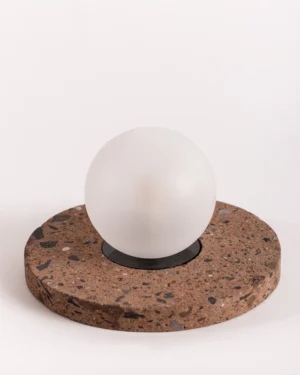
Saturn Floor Lamp in Volcanic Stone
By Daniel Orozco Estudio
€560 -
 In stock
“Object 08” Wall Lamp from the “Native” Collection
By Hot Wire Extensions
€1.995
Eclectic wall sconces bring together stoneware, blown glass, cast metal, even 3D-printed sand, inside a single piece that refuses to settle into one period or one mood. Independent studios build them by hand-building clay, blowing glass, casting nylon and metal, and glazing or raku-firing ceramic surfaces, so each sconce carries the trace of a process rather than a production line. The mixing is the point: a smooth glass shade might sit on a rough stone base, or a glazed ceramic body might hold a bare metal arm.
What defines an eclectic sconce
An eclectic sconce does not match a single style guide. It borrows a glaze finish from studio ceramics, a bulb-forward silhouette from mid-century lighting, and a rough stone or sandstone base from something older still. The result reads as personal rather than matched, closer to an object collected over years than one bought as a set.
Color plays the same way. You will find aqua and dusty pink glass next to charcoal stoneware, cream and sand-toned ceramic beside off-white or stark white shades. None of it is meant to coordinate exactly; it is meant to hold its own against a wall that already has other things going on.
The materials and techniques behind the range
Stoneware and ceramic sconces here are hand-built or slip-cast, then glazed or raku-fired, which leaves variation in surface and tone from one piece to the next. Blown glass shades keep the faint ripples and thickness shifts that come from working hot glass by mouth, so light passes through unevenly, in a good way. Metal bodies, often brass, steel or aluminum, are shaped by hand metalwork, while some newer pieces use recycled material or 3D-printed nylon and sand for a texture that neither wood nor metal can produce.
Editions run from open editions, made to a repeatable design, to limited editions and one-of-a-kind pieces where the maker will not reproduce the exact piece again. Reading the edition line on each piece tells you which kind you are looking at.
How to choose a sconce that fits an eclectic room
- Mount height: eye level or slightly above works for most rooms; lower placement suits a reading nook or bedside wall.
- Finish: pair a matte stoneware body with a glossy glass shade, or a raw metal arm with a glazed ceramic cup, rather than matching materials throughout.
- Light direction: glass and open ceramic shades throw light across the wall; solid metal or stone bodies tend to aim it up or down in a narrower band.
If the rest of the room already carries pattern or color, a quieter sconce in sand, cream or charcoal grounds it. If the walls are bare, a sconce in aqua glass or dusty pink glaze can do the work a painting would otherwise do.
Where these sconces work
A hallway or entryway benefits most from a sconce, since it adds light without taking any floor space in a passage people are moving through. A living room can take a bolder, more sculptural shape because there is room to walk around it and see it from a distance. In a bedroom, a smaller, warmer-toned sconce beside the bed does the job a table lamp would, without needing a nightstand at all.
Caring for mixed materials
Glazed stoneware and ceramic wipe clean with a dry or barely damp cloth; avoid soaking the glaze if it is unfired or hand-painted. Blown glass only needs a soft cloth and, occasionally, a glass cleaner on the outside of the shade, never on a hot bulb. Metal arms in brass or steel will darken slightly with age unless they are lacquered, which is normal and part of how the material behaves over time, not a flaw to correct.
For a broader look, every wall sconce on ADORNO sits within the same logic of material first, form second, while the full range of eclectic design extends into furniture and decor built the same way. For a narrower material, metal wall sconces show how brass and steel carry an eclectic mix on their own. By room, hallway sconces and bedroom sconces point to placements where a single light at eye level changes how a room reads.
How do I choose an eclectic wall sconce?
Pick a piece that already mixes materials or eras in itself, a glazed ceramic body with a bare metal arm, for instance, so it carries its own contrast rather than needing to match anything nearby.
How do you care for stoneware, glass and metal sconces?
Wipe ceramic and glass with a dry or barely damp cloth, keep metal away from damp bathrooms unless finished for it, and avoid abrasive cleaners that dull glazes or raku surfaces.
What height should a wall sconce be mounted at?
Most sconces sit at or near eye level, often around 60 to 65 inches from the floor, though the maker can confirm the right height for a specific piece through Chat with the maker.
Which rooms suit eclectic wall sconces?
They work wherever a wall needs presence without taking up floor or tabletop space, hallways, bedrooms, living rooms and entryways among them.
Are eclectic wall sconces handmade or one of a kind?
Many are hand-built, slip-cast or hand-blown, which leaves natural variation between pieces; some are produced in open runs, others in limited or one-off editions, so check the specific piece for details.
What are ADORNO's shipping, returns and authenticity policies?
Shipping is insured and worldwide, returns are accepted within 14 days except on made-to-order pieces, and every order comes with a certificate of authenticity alongside a lowest-price guarantee.