
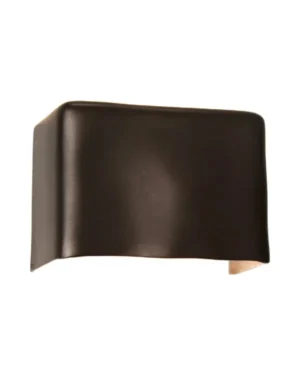
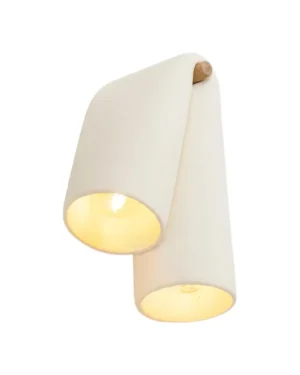
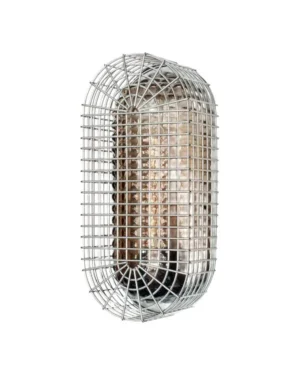
-

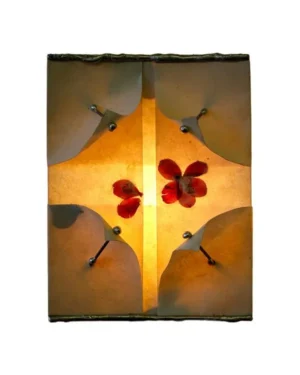
Held In Tension No. 01 Wall Sconce In Metal And Paper
By Aysenur Dagdelen
€170€153 -
 In stock
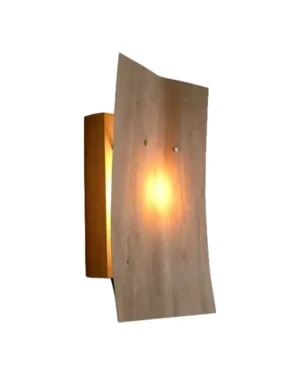
Object 09 Sconce in Nylon and Sand
By Hot Wire Extensions
€1.145 - €1.163 -

Onda Sconce In Raku White Ceramic
By arrived aliens
€2.200 -
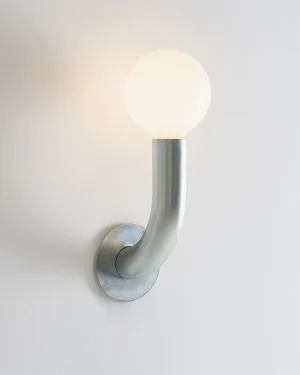 In stock
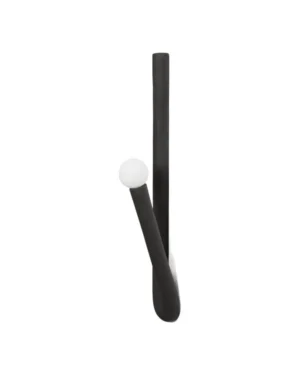
Curva Wall Sconce in Zinc
By Cultivado em Casa
€512 -
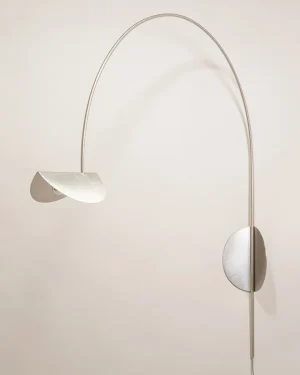
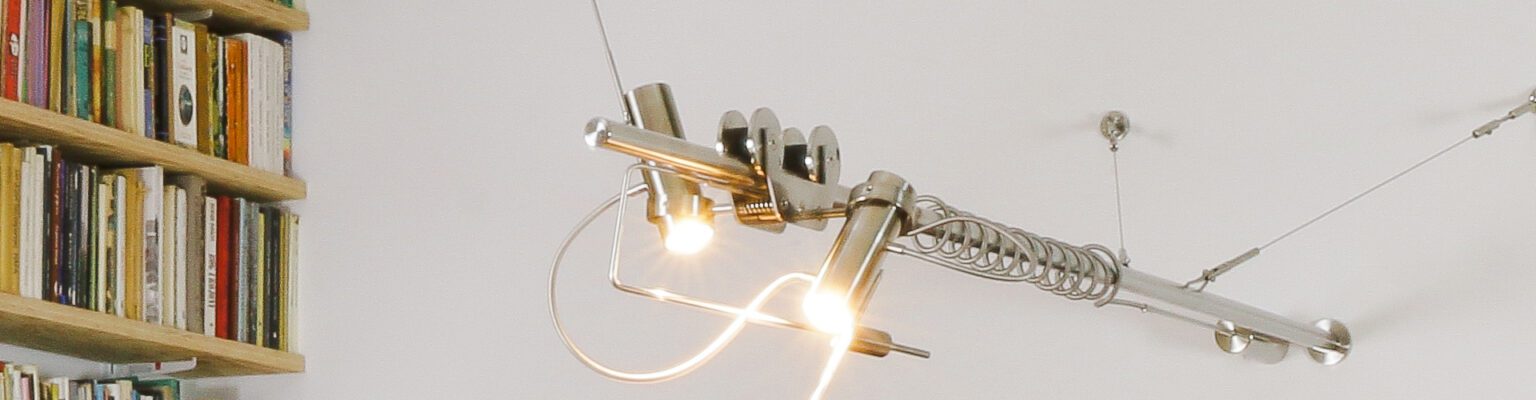
Wall Lamp 1 in Stainless Steel
By Georgiev Kiril
€1.250 -

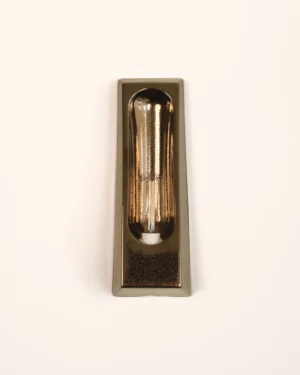
Biiit 010 Wall Sconce in Paper and Brass
By Bo Ah Kim
€1.400 -
 In stock
Alcove European Wall Sconce In Glazed Ceramic
By Violaine d'Harcourt Lighting Design
€252 -
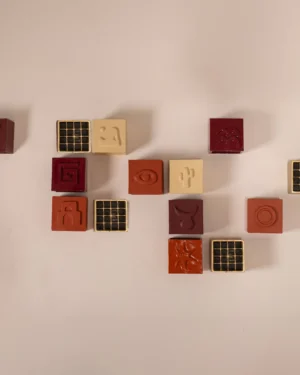
Oasis Wall Light In Hand-sculpted Stoneware
By Harshita Jhamtani Designs
€410 -

My Stone Flower Ceramic Wall Light
By Katia Langeard
€380 -

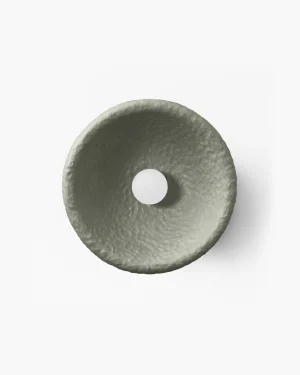
Biiit 011 Wall Sconce in Paper and Brass
By Bo Ah Kim
€2.100 -
 In stock
Soniah Wall Sconce in ZTISTA
By FAINA
€1.050 - €1.250 -
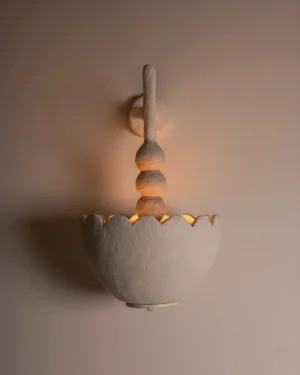
Scallop Wall Sconce In Stoneware And Clay
By Harshita Jhamtani Designs
€1.080 -
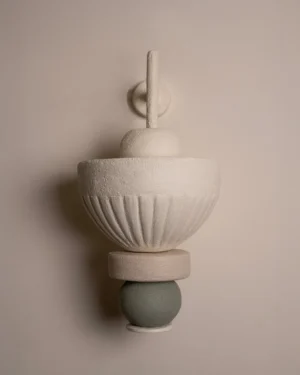
Pebble Wall Sconce In Stoneware And Clay
By Harshita Jhamtani Designs
€1.080 -
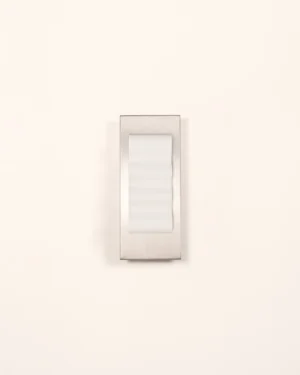
Frame Slim S European Wall Lamp in Mahogany Wood and Steel
By Violaine d'Harcourt Lighting Design
€537 - €683 -
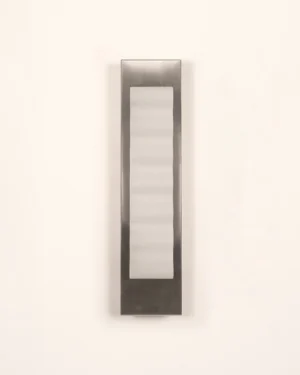
Frame Slim L European Wall Lamp in Mahogany Wood and Steel
By Violaine d'Harcourt Lighting Design
€724 - €1.179 -
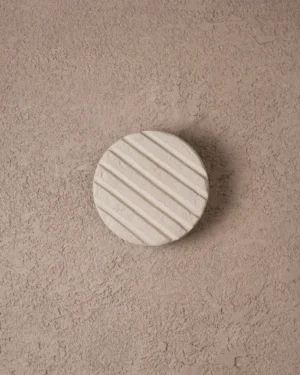
Wilo Fluted Egg White Wall Sconce In Clay And Aluminum
By Harshita Jhamtani Designs
€230 -
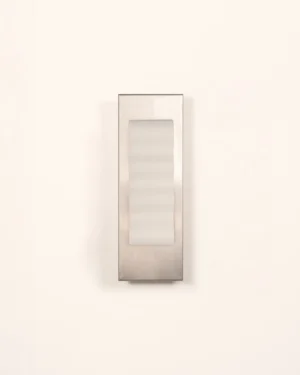
Frame Slim M European Wall Lamp in Mahogany Wood and Steel
By Violaine d'Harcourt Lighting Design
€659 - €724 -
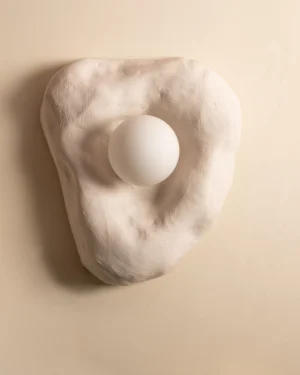
Blob Wall Sconce In Stoneware
By Harshita Jhamtani Designs
€450 -
Frame Slim L American Wall Lamp in Mahogany Wood and Steel
By Violaine d'Harcourt Lighting Design
€1.700 - €1.790 -
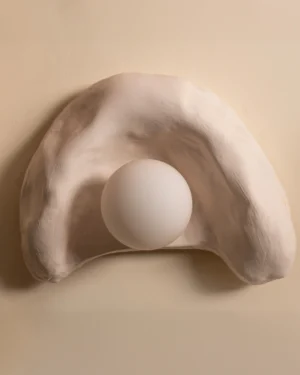
Mini Blob Wall Sconce In Stoneware
By Harshita Jhamtani Designs
€400 -
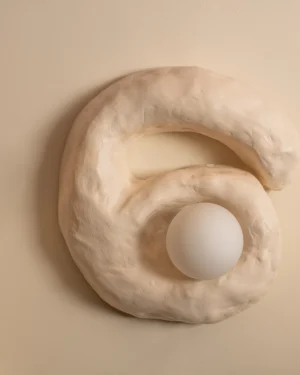
Spiral Wall Sconce In Stoneware
By Harshita Jhamtani Designs
€450 -
Frame Slim S American Wall Lamp in Mahogany Wood and Steel
By Violaine d'Harcourt Lighting Design
€860 - €1.020 -
Frame Slim M American Wall Lamp in Mahogany Wood and Steel
By Violaine d'Harcourt Lighting Design
€1.000 - €1.100
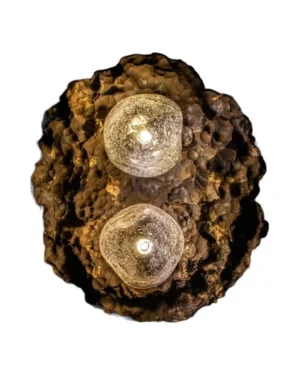
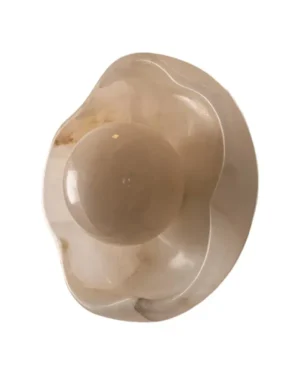
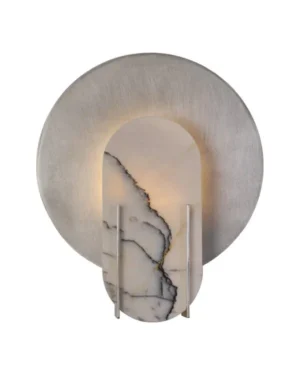
Off-white wall lamps gather their softness from clay, stoneware and paper, materials that hold a warm, chalky tone rather than the flat white of painted plaster. Independent studios work this color through glazing, hand-building and simple metal fabrication, so the same shade reads differently depending on whether it sits on fired ceramic, pressed paper or painted steel. The result is a light source that blends into a wall rather than interrupting it.
What gives off-white its character in ceramic and paper
In stoneware and clay, off-white is rarely uniform. A glaze pools thinner at the edges and thicker in the hollows, so the tone shifts slightly across one shade depending on the angle of light and the hand that applied it. Paper and washi versions carry a different kind of variation: fibers catch and diffuse the bulb's glow, giving the surface a faint grain instead of a glaze's sheen. Raku-fired pieces go further, since the process leaves fine crackle lines across the surface that darken slightly with age and use.
The range of materials and techniques on ADORNO
Alongside hand-built clay and stoneware, off-white appears on wall lamps made in mild steel and raw steel, where the color is a painted finish rather than a fired one. Mahogany and other woods occasionally carry an off-white lacquer, giving a warmer undertone than ceramic can produce. Styles range from wabi-sabi pieces that leave a rim uneven or a seam visible, to Bauhaus and contemporary lamps with a flatter, more geometric shade. Some pieces are made as open editions, repeated in small batches over time, while others are one-off, no two glazes or paper sheets quite the same.
How to choose one for a wall
Scale matters more on a wall than on a table, since a lamp here has no surface to visually rest on and only the wall itself as a backdrop. A wide, low lamp reads as a quiet band of light, while a tall, narrow one acts more like a vertical marker beside a door or mirror. Mounting height depends on use: around eye level for a hallway marker, lower and off-center for a bedside reading light, higher and paired for a living room where the glow should wash upward rather than shine outward.
Finish is worth checking closely, since off-white in a glaze photographs differently than it reads in person, often warmer and less stark. Where a lamp will sit close to a sofa or headboard, a matte stoneware or paper shade tends to soften the light more than a glossy ceramic or painted steel body.
Where off-white wall lamps work best
Because the tone is close to most wall colors, these lamps tend to disappear into a room by day and only announce themselves once lit. They suit bedroom settings where a soft, indirect glow is wanted beside a bed, and hallway runs where a row of identical shades can mark a path without competing with artwork. In a living room, a single off-white lamp beside a shelf or fireplace reads as quiet rather than decorative, letting furniture and textiles carry the color instead.
Caring for ceramic, paper and metal finishes
Hand-built clay and stoneware want only a dry cloth or a barely damp one; standing water can seep into an unglazed foot or base and mark the surface. Paper and washi shades should stay away from direct moisture altogether, since the fibers soften and discolor once wet. Painted steel and aluminum bodies, more common among metal wall lamps, hold up to a light wipe but can chip if knocked, so it is worth checking a finish before mounting near a doorway.
For a wider view of tone and form before narrowing to color, the full range of wall lamps shows how the same fixture types look across darker woods and metals, while every off-white piece on ADORNO extends the shade into furniture and objects beyond lighting.
How do I choose an off-white wall lamp?
Decide whether you want the even tone of a painted steel fixture or the variation of a glazed ceramic one, since each takes the color differently depending on surface and light.
How do you clean and care for an off-white wall lamp?
Dust ceramic, stoneware and paper surfaces with a dry, soft cloth, keep paper shades away from damp, and wipe painted steel with a barely damp cloth to avoid dulling the finish.
What size wall lamp do I need?
Sizing depends on the fixture and the wall it sits on, so check the dimensions on the piece's page or ask the maker directly through Chat with the maker.
How high should a wall lamp be mounted?
Most wall lamps sit at or slightly above eye level, roughly 60 to 65 inches from the floor, though bedside and corridor placements often sit lower to soften the glare.
Which rooms suit off-white wall lamps?
Their chalky, neutral tone works in bedrooms, hallways and living rooms alike, blending into plaster walls rather than standing out against them.
What are ADORNO's shipping and return policies?
Shipping is insured and worldwide, returns are accepted within 14 days except on made-to-order pieces, and every lamp arrives with a certificate of authenticity.