

-
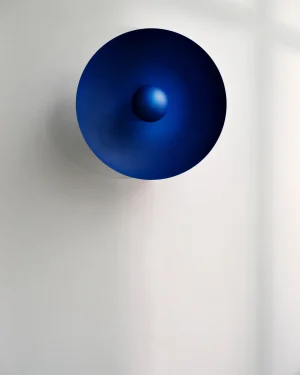 In stock
Blue Moon Wall Lamp in Aluminum
By Anne Nowak
€1.675 -
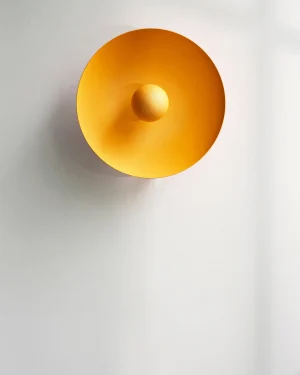 In stock
Sun Wall Lamp in Aluminum
By Anne Nowak
€1.340 -
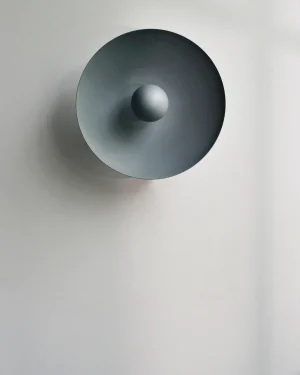 In stock
Grey Moon Wall Lamp in Aluminum
By Anne Nowak
€1.675 -
 In stock
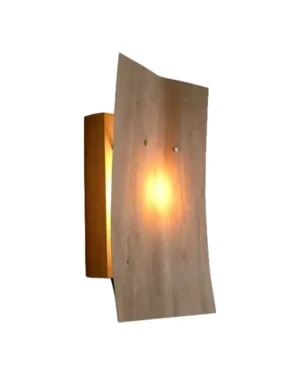
Mujo P Iver Wall Sconce in Walnut Wood and Washi Paper
By Prangé
€948 -
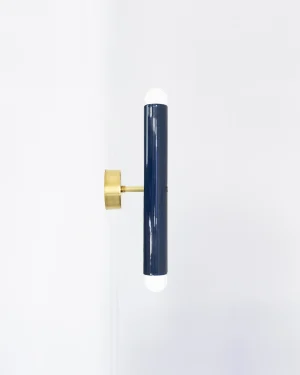 In stock
Trn Wall Sconce In Glazed Ceramic
By Pani Jurek STUDIO
€470 -
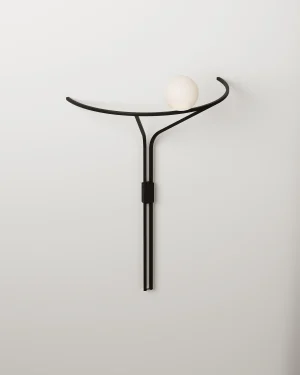 In stock
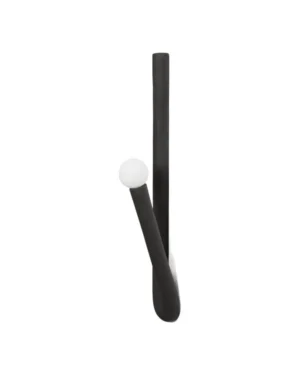
Na Linii Wall Sconce in Steel
By SVITANOK
€1.050 -
 In stock
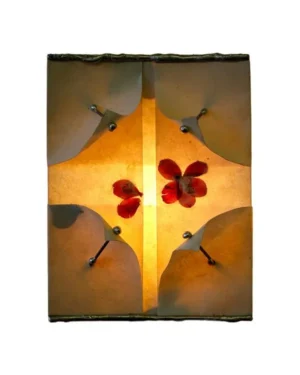
Mujo M Reol Wall Sconce in Walnut Wood and Washi Paper
By Prangé
€1.706 -
 In stock
Mujo M Aray Wall Sconce in Walnut Wood and Washi Paper
By Prangé
€1.706 -
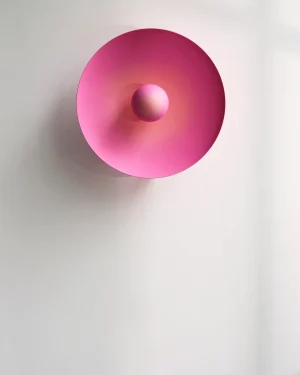 In stock
Pink Moon Wall Lamp in Aluminum
By Anne Nowak
€1.675 -
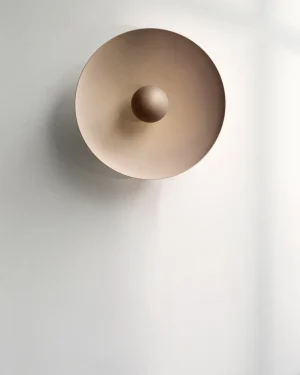 In stock
White Moon Wall Lamp in Aluminum
By Anne Nowak
€1.675 -
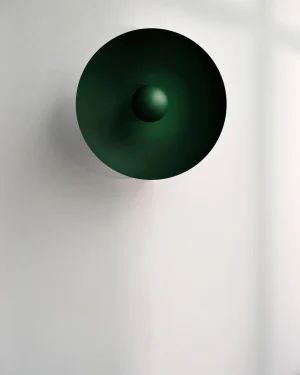 In stock
Green Moon Wall Lamp in Aluminum
By Anne Nowak
€1.675 -
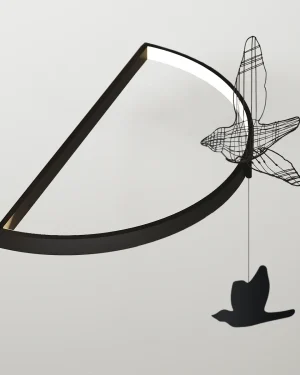 In stock
Flight Shadows Wall Sconce In Steel
By SVITANOK
€1.020 - €1.140 -
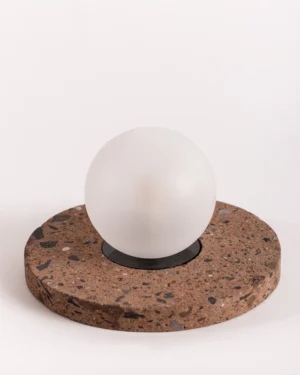
Saturn Floor Lamp in Volcanic Stone
By Daniel Orozco Estudio
€560 -
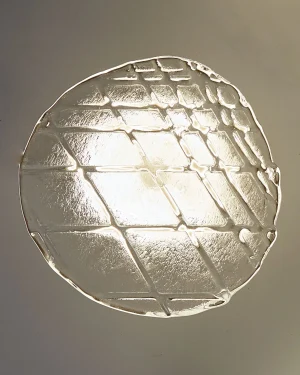
Hot Casted Rhombus Wall Sconce in Brass and Glass
By Pablo Ejarque-González
Price Upon Request -

Hot Casted Lines Wall Sconce in Brass and Glass
By Pablo Ejarque-González
Price Upon Request -

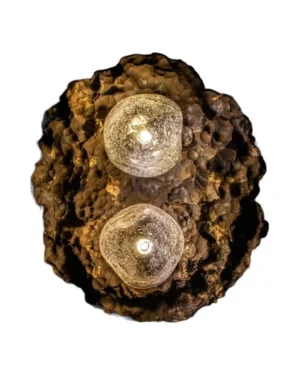
Hot Casted Wall Sconce in Brass and Glass
By Pablo Ejarque-González
Price Upon Request
Mid-century modern wall lamps carry forward the vocabulary of the 1950s and 60s: brass arms that pivot on a single joint, glass shades blown into a soft bell or saucer, steel plates finished in black lacquer or left as bare aluminum. Independent studios build them the way the originals were built, by hand-forming metal, blowing glass and turning wood, rather than stamping out identical shells. The result is a lamp that reads as furniture for the wall, not an accessory bolted to it.
What defines the look
The period's design language favored honest joints and visible material over hidden mechanics. A brass stem shows its hinge, a glass diffuser sits proud of its steel mount, a walnut backplate keeps its grain rather than disappearing under paint. Brass and aluminum darken or dull slightly with age and handling, which most owners read as character rather than wear.
Glass shades, whether cast or hand-blown, scatter light rather than throw it in a hard beam, which is why these lamps suit reading corners and hallways equally well. Washi paper shades, where a studio works in that material, soften the light further and warm the color temperature of any bulb behind them.
The range of materials, finishes and editions
Within mid-century modern wall lamps, the material story runs from aluminum and brass through glass, steel, walnut and washi paper, sometimes finished in black, green, blue, cobalt, red, yellow or multicolor lacquer and glass. The making methods vary with the material:
- Metalwork and hand painting for brass, steel and aluminum bodies
- Glassblowing and glass casting for shades and diffusers
- Wood carving and cabinetmaking for walnut arms and backplates
- Paperwork for washi shades
Editions run from open runs, made to a standing design, to limited editions and one-off pieces where a studio works a shade or arm by hand each time. None of these change the lamp's footprint on the wall, only how it was produced and how many exist.
How to choose a wall lamp
Scale first: a lamp meant to flank a mirror or bed should sit roughly at eye level or just above it when seated or lying down, while a hallway or stairwell lamp can sit higher, out of the way of passing shoulders. Arm length matters as much as shade size, since a lamp that projects too far from the wall catches sleeves and door frames.
Finish should answer the room's existing metals: brass against brass hardware, black steel against black window frames or door hinges, aluminum where chrome or stainless steel already appears. Where the wall carries a painting or mirror, choose a lamp with an adjustable or pivoting arm so the light can be aimed rather than fixed.
Where these lamps work
A pair either side of a headboard replaces a nightstand lamp without taking up surface space, which is covered in more depth on the page for bedroom wall lamps. In a sitting room, a single arm beside a sofa or reading chair does the work a floor lamp would otherwise do, as shown among the living room wall lamps. Corridors and stairwells benefit from a run of smaller lamps spaced evenly, keeping the floor and ceiling clear.
Care
Brass and steel want a dry cloth and, occasionally, a metal polish suited to the specific alloy; washing with water risks streaking a lacquered finish. Glass shades can be wiped with a damp cloth once cooled, and walnut arms benefit from an occasional wipe with oil to keep the grain from drying out. For the fuller picture of the style across lighting, furniture and seating, see mid-century modern lighting or the wider mid-century modern style, and for every wall-mounted option on ADORNO, the full range of wall lamps covers styles beyond this one.
How do I choose a mid-century modern wall lamp?
Start with the arm: a fixed brass or steel stem suits reading light, while a pivoting joint lets the shade angle where needed. Match the shade material, glass, paper or lacquered metal, to how soft or direct you want the light.
How do you care for brass, aluminum and glass wall lamps?
Wipe brass and aluminum with a dry or barely damp cloth; both will darken or dull slightly with handling, which reads as character rather than wear. Dust glass shades gently and avoid harsh cleaners that can dull the surface.
What height should a wall lamp be mounted at?
Bedside wall lamps typically sit above head height when seated or lying down, around 60 to 65 inches from the floor. For hallways or either side of a mirror, eye level or slightly above gives the most even spread of light.
Which rooms suit mid-century modern wall lamps?
Their soft, scattered light suits bedrooms, hallways and reading corners equally well, anywhere a surface lamp would get in the way. Pairs work either side of a mirror or artwork to balance a wall.
Are mid-century modern wall lamps hand-made or mass-produced?
Independent studios build them the way the originals were made, by hand-forming metal, blowing glass or turning wood, rather than stamping out identical shells. For specifics on a given piece, use Chat with the maker on its page.
What are ADORNO's shipping and return policies?
Shipping is insured and worldwide. Returns are accepted within 14 days, except on made-to-order pieces, and every piece arrives with a certificate of authenticity.