




-

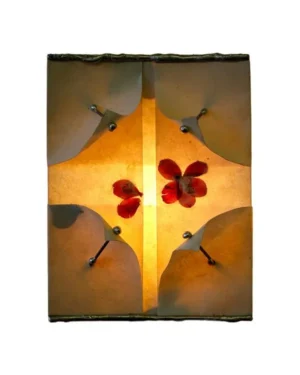
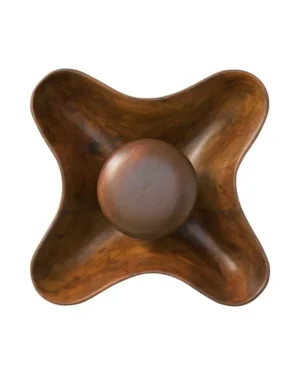
Motion — Sculptural Wall Light In Ceramics
By Katia Langeard
€700 -
 In stock
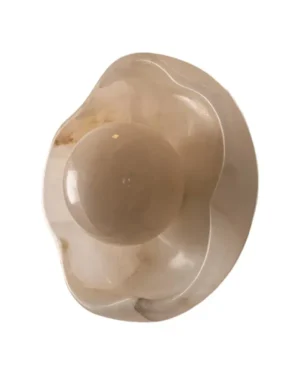
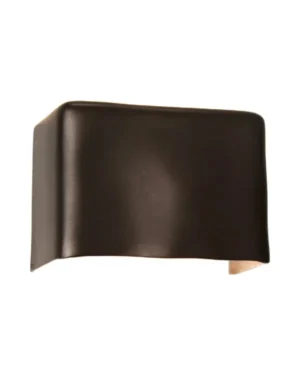
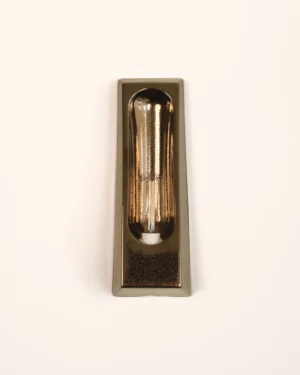
Alcove European Wall Sconce In Glazed Ceramic
By Violaine d'Harcourt Lighting Design
€252 -
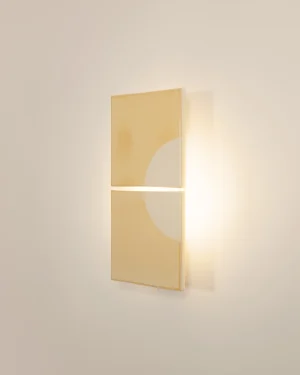 In stock
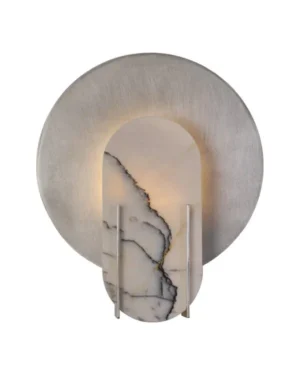
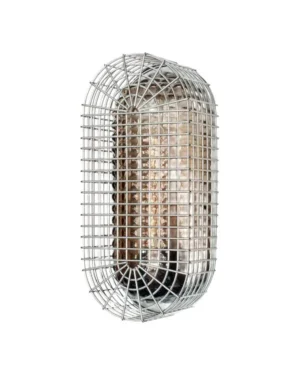
Tiles Moon European Wall Sconce in Ceramic and Metal
By Violaine d'Harcourt Lighting Design
€260 -
 In stock
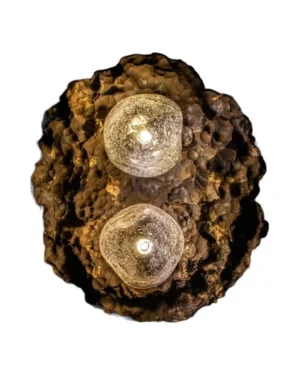
Onda Cosmic Wall Sconce In Glazed Ceramic
By arrived aliens
€2.200 -
 In stock
Tiles Line European Wall Sconce in Ceramic and Metal
By Violaine d'Harcourt Lighting Design
€260 -
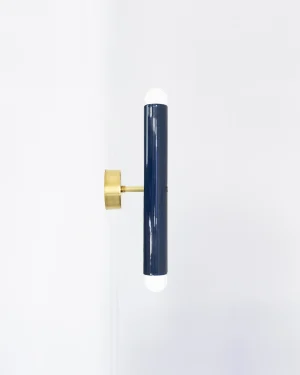 In stock
Trn Wall Sconce In Glazed Ceramic
By Pani Jurek STUDIO
€470 -
 In stock
Tiles Door European Wall Sconce in Ceramic and Metal
By Violaine d'Harcourt Lighting Design
€260 -
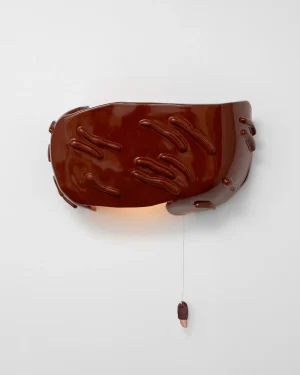
Killing the Mood Wall Sconce in Ceramic
By Studio AOAO
€2.200 -
 In stock
Tile Vj American Wall Sconce in Ceramic and Metal
By Violaine d'Harcourt Lighting Design
€450 -
Tiles Door American Wall Sconce in Ceramic and Metal
By Violaine d'Harcourt Lighting Design
€450 -
Tiles Line American Wall Sconce in Ceramic and Metal
By Violaine d'Harcourt Lighting Design
€450 -

Alcove American Wall Sconce In Glazed Ceramic
By Violaine d'Harcourt Lighting Design
€380 -
Tiles Moon American Wall Sconce in Ceramic and Metal
By Violaine d'Harcourt Lighting Design
€450
Glaze wall lamps take their color and surface from the kiln rather than from paint or dye, which is why no two firings read quite the same. Studios working in stoneware and clay apply mineral glazes by hand, then fire the body at high heat until the coating fuses into a glass-like skin. The result sits somewhere between pottery and lighting, a fixture with the depth and sheen of a finished ceramic vessel.
What glaze does to a ceramic surface
Glaze is a layer of ground minerals suspended in water, brushed, dipped or sprayed onto the raw clay before firing. In the kiln it melts, bonds to the stoneware beneath it and turns into a hard, often glossy shell. The surface can run matte or high-shine, flat in color or broken with speckling where the glaze pools thinner over the raised parts of a form.
Because the final color depends on the chemistry of the glaze, the clay body and the firing temperature, two lamps from the same recipe can still land differently. Crackle, pooling and faint tonal shifts are not flaws; they are evidence of a process that is only partly controllable. That variation is part of what collectors look for in hand-glazed work, rather than something manufacturers try to smooth away.
The range of glaze wall lamps on ADORNO
Color runs from quiet to assertive: creme, gray, brown and blue and white sit alongside yellow, black, verde and deeper blues, each shade reading differently depending on how thickly the glaze was applied. Forms lean contemporary, minimalist or mid-century modern, with rustic, neo-artesanal and wabi-sabi pieces favoring rougher edges and visible throwing marks over a perfectly even glaze line.
Technique varies the finish as much as color does. Hand-built bodies sit under a glazed coat, while raku firing produces the smoked, crackled surfaces typical of that method, and some studios add screen printing or metalwork fittings in steel for the arm and mount. Editions range from open runs to limited editions and unique pieces, so it is worth checking how a given lamp is classified before assuming it can be reordered.
How to choose one
Start with scale: a wall lamp sitting low beside a bed asks for a smaller shade than one mounted above a sofa or across from a painting. Mounting height matters more than wattage for glaze pieces, since the glaze catches ambient light at an angle and looks different lit from above eye level than lit at arm's reach.
- Match the glaze tone to the wall color behind it, since a dark glaze can disappear against a dark wall
- Check whether the fitting is hardwired or plug-in before deciding on placement
- Pair a glossy glaze near a mirror or glass to multiply the light it throws
- Choose a matte or raku finish for a hallway where fingerprints and glare matter less
For a broader comparison, the full range of designer wall lamps includes metal, glass and wood alongside ceramic, useful if a room needs a harder-edged companion piece. Anyone set on the material specifically can also see every glaze piece on ADORNO, not limited to lighting.
Where these lamps work
Glaze wall lamps suit rooms where the fixture is seen as often as it is used. They hold their own in a living room flanking a sofa or shelving, soften a bedroom either side of a headboard, and carry low, directional light along a hallway where floor lamps would be in the way. Anywhere a plain bulb would feel bare, a glazed shade gives the wall something to hold onto even unlit.
Caring for a glazed surface
A fired glaze is chemically stable and will not fade or yellow the way painted metal can, so cleaning is mostly about dust. Wipe with a dry or barely damp cloth; avoid abrasive pads, which can scratch a glossy coat, and avoid soaking any part with exposed wiring. Treat the occasional pinhole or crackle in the glaze as part of the surface rather than a defect to repair.
How do I choose a glaze wall lamp?
Match the glaze tone to your wall color and light levels, since matte finishes soften a room while high-shine glazes bounce more light. Consider whether you want a quiet, even color or one with speckling and tonal variation.
How do you clean and care for a glazed ceramic wall lamp?
Wipe the glazed surface with a soft, dry cloth, and avoid abrasive cleaners that can dull the finish over time. The fired glaze is hard and stable, so it resists moisture and everyday dust well.
What size or height should a wall lamp be installed at?
Height depends on the room: bedside placements usually sit near eye level when seated, while hallway or living room lamps often go higher to wash light across the wall. The maker can confirm exact dimensions and recommended mounting height on the piece's page.
Which rooms suit glaze wall lamps best?
Their warmth and texture work well in bedrooms, hallways and living rooms, anywhere a softer, directional light is more useful than overhead lighting. The ceramic surface also holds its own as a quiet focal point on a plain wall.
Will my glaze wall lamp look exactly like the photo?
Expect slight variation, since glaze color and finish depend on the kiln firing and can shift from piece to piece even within the same recipe. This variation is part of the material, not a defect.
How does shipping, returns and authenticity work when buying from ADORNO?
Shipping is insured and worldwide, with a 14-day return policy excluding made-to-order pieces. Every piece comes with a certificate of authenticity and ADORNO's lowest-price guarantee.