



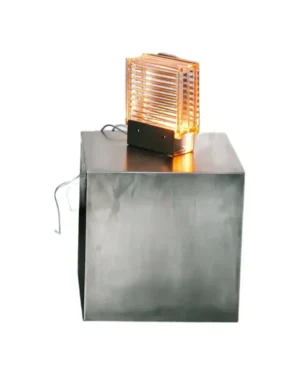
-
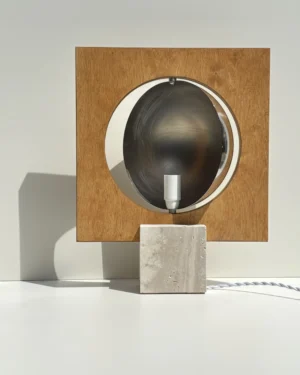 In stock
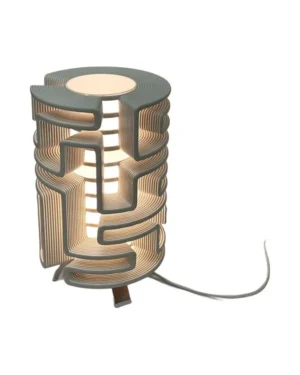
Galileo Lamp 2.0 Table Lamp In Concrete And Plywood
By Edoardo Lietti Studio
€600 -
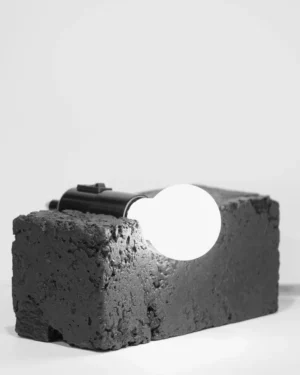 In stock
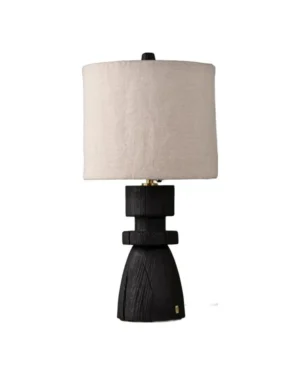
Cofit-20 Table Lamp In Coal Concrete
By Atelier Haute Cuisine
€380 -

Galileo 2.2 Table Lamp In Marble And Plywood
By Edoardo Lietti Studio
€750 -
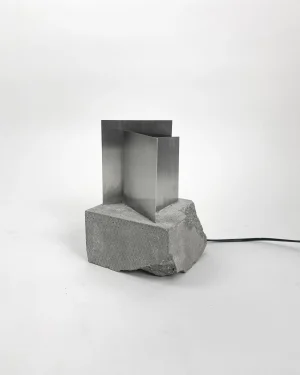
Sculptural Table Lamp in Stainless Steel and Concrete
By case studios
€820 -
 In stock
Parabanda Table Lamp in Aqua Green Terrazzo
By Pierre Klein
€750 -
 In stock
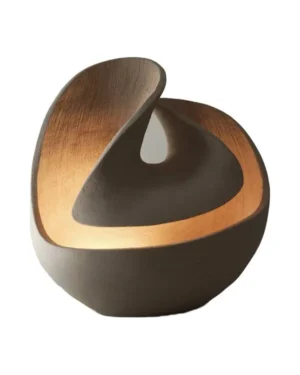
Luminous Shapes No 01 Table Lamp in Composite
By Stine Mikkelsen
€2.870 -

Baker’s Lamp Large Table Lamp in Jesmonite
By FARG & BLANCHE
€560 -
 In stock
Faro Table Lamp in Concrete and Glass
By AaltoAalto Studio
€1.600 -
 In stock
Ģipsis Table Lamp №5 In Plaster And Oak
By Dace Sūna
€850 -
 In stock
La Cauna Tesa Table Lamp in Concrete
By Pierre Klein
€800 -
 In stock
Luminous Shapes No. 02 Table Lamp
By Stine Mikkelsen
€2.790 -
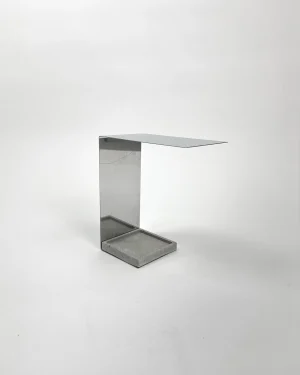 Sold
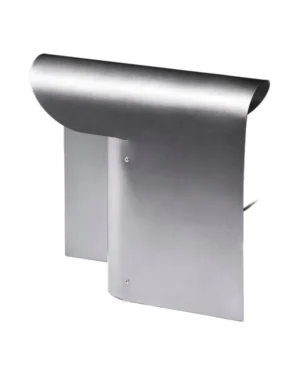
Linee Table Lamp in Stainless Steel and Concrete
By case studios
€199 -

Ģipsis Table Lamp No. 2
By Dace Sūna
Price Upon Request -

Baker’s Lamp Table Lamp in Jesmonite
By FARG & BLANCHE
€240
Concrete table lamps bring the density of a wall or a poured slab down to the scale of a side table, each base cast in a mold or built up by hand before it cures into something solid enough to anchor a room. Independent studios working in concrete and composite materials pour, tamp or sculpt the form, then grind, polish or seal the surface to the finish they want. The lamp that results has real mass: it sits on a surface rather than perching on it.
What gives concrete its weight and texture
Concrete is cement, aggregate and water, worked wet and left to cure over days or weeks before it can be handled, drilled and wired. That slow set is what gives it density, and also what makes every cast slightly different: a faint line where two halves of a mold met, a scatter of air holes close to the surface, a tone that shifts from charcoal to cement gray to near white depending on the mix. Pigment or paint can push the surface further, into black, red or aqua green, without hiding the grain of the material underneath.
The range of concrete and composite lamps on ADORNO
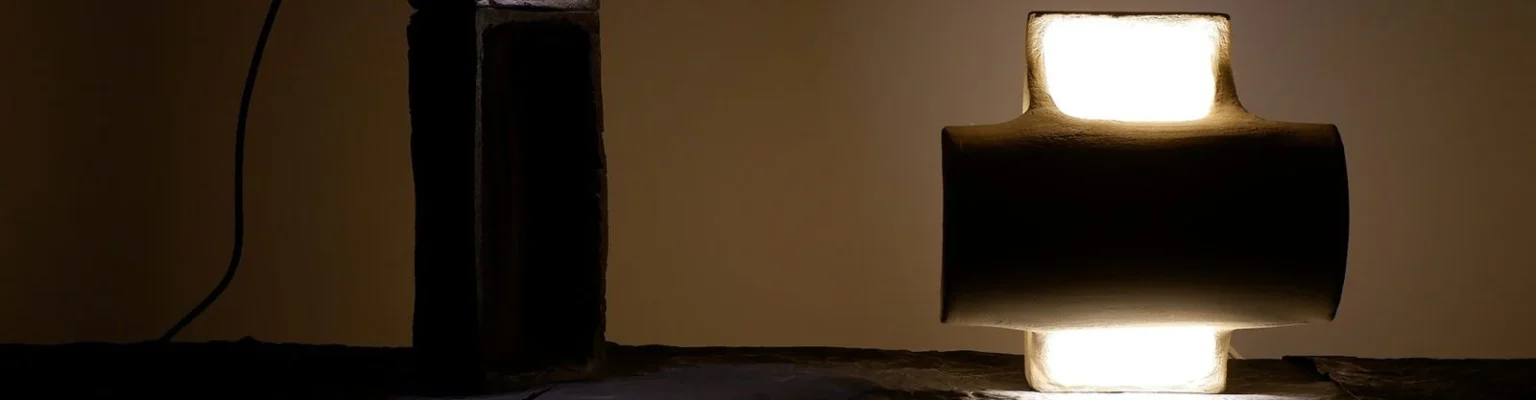
Within concrete table lamps, the styles run from brutalist blocks with sharp, unfinished edges to neo-industrial bases that borrow proportions from plumbing and pipe fittings, through to radical, sculptural one-offs and quieter, minimalist contemporary forms. Alongside concrete, related pieces in plaster, stone, plywood and stainless steel turn up where studios mix materials in the same base. Making methods include concrete casting, mould making, plastering, resin casting and sculpting by hand, and stock runs from open editions and limited editions to true one-off pieces where no mold is reused. The full spread of material, color and technique sits within the concrete and composite pieces on ADORNO.
How to choose a concrete table lamp
Weight is the first thing to judge. A concrete base needs a surface that can carry it comfortably, so check the footprint against the side table, console or nightstand it will stand on, not just the lamp's overall height. Scale the shade to the base: a wide, low cast form generally wants a shade that sits close rather than one that floats above it on a narrow stem.
- Match the concrete's tone, charcoal, gray or white, to the metals and woods already in the room
- Leave enough surface depth that the lamp does not overhang the edge of the table
- Check the cord exit and switch position before fixing on a final spot, since a heavy base is not one to move often
Placement follows from there: a brutalist or neo-industrial lamp reads best with some clear space around it, where its shape and shadow are not competing with other objects.
Where concrete lamps hold a room
These lamps suit rooms built around hard, honest surfaces, so they sit naturally next to oak, stone and steel in a living room scheme, where a living room table lamp often has to hold its own against a large sofa or a stone-topped table. In a bedroom, a smaller cast base works as a counterweight on a nightstand, standing up to the kind of use a bedside lamp gets without ever looking delicate. For a broader view of cast and poured fixtures beyond the table lamp, the wider range of concrete lighting includes pendants and floor pieces worked in the same way.
Caring for concrete and composite surfaces
Concrete is porous, so it will take up oil, wine or dyed liquids if they sit on an unsealed surface, leaving a dark mark that will not lift. A dry or barely damp cloth is enough for regular dusting; harsh cleaners and standing water should be kept away from the base. Sealed finishes resist staining better than raw ones, and lighter composites such as jesmonite or resin ask for the same gentle handling, since their finish can scratch if dragged across a hard tabletop. Within the wider table lamp offering, concrete and composite pieces are the ones to choose when a room calls for mass and texture over polish.
How do I choose a concrete table lamp?
Weigh the base against the surface it sits on: a heavier cast suits a console or sideboard, while lighter plaster or jesmonite versions work on smaller tables. Color and finish, from charcoal to near white, should follow the room's other materials.
Do concrete table lamps need special care?
Wipe the base with a dry or barely damp cloth; sealed surfaces resist marking but unsealed concrete can absorb oil and liquid, so keep it away from spills. Avoid harsh cleaners, which can wear through a polished or painted finish.
What size and height is a concrete table lamp?
Most sit within standard table lamp height, enough to clear a shade above eye level when seated nearby. Because concrete is dense, bases are often shorter and wider than lamps in lighter materials, for stability.
Which rooms suit a concrete table lamp?
Their weight reads well in living rooms and entryways, where a lamp can anchor a console or side table. In a bedroom, a smaller composite or plaster version gives the same texture without crowding a nightstand.
Are concrete lamps fragile or do they chip?
Cured concrete is hard but not flexible, so it can chip at a sharp edge or corner if dropped or knocked. Composite materials like jesmonite are generally lighter and somewhat more forgiving.
What are ADORNO's shipping, returns and authenticity policies?
Shipping is insured and worldwide. Returns are accepted within 14 days, excluding made-to-order pieces, and every lamp comes with a certificate of authenticity. ADORNO also offers a lowest-price guarantee.