

-
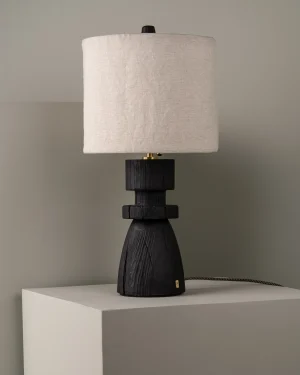
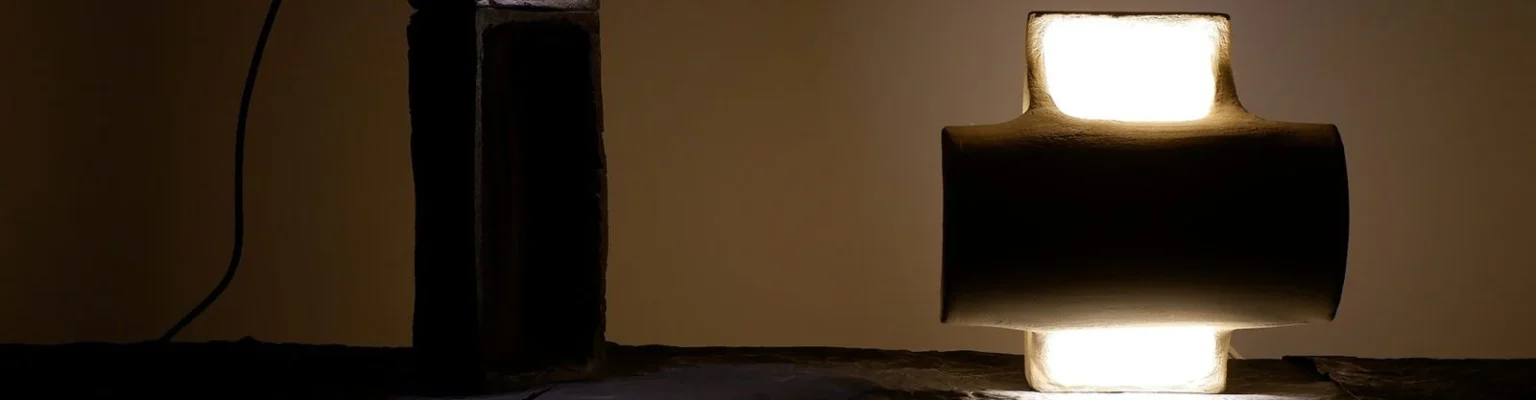
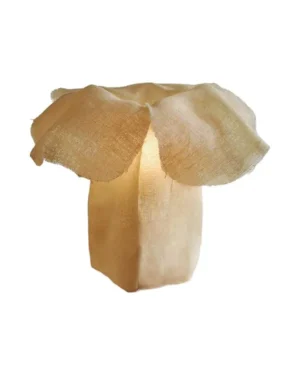
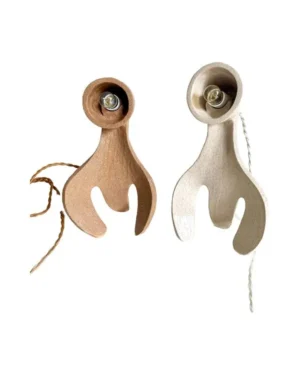
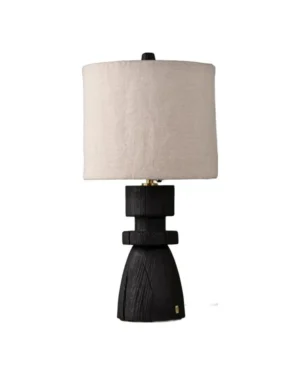
Mezquite Table Lamp in Burned Pinewood and Natural Linen
By Isabel Moncada
€2.925 -
 In stock
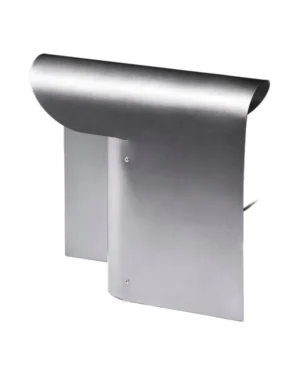
Pivot Table Lamp In Aluminum And Brass
By Stem
€1.155 - €1.700 -
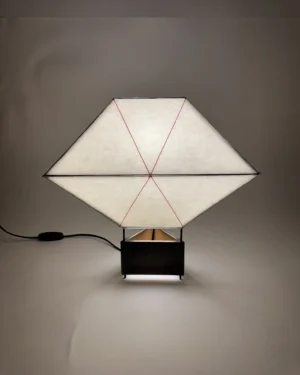
Biiit 005 Table Lamp In Paper And Brass
By Bo Ah Kim
€1.750 -
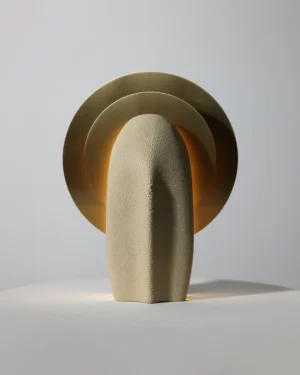
Mother of the Light Table Lamp in Galuchat and Brass
By PALUCKI Studio
€3.300 -
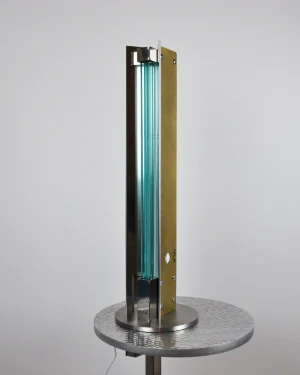
Ne600/145 Table Lamp In Brass And Blue Acrylic
By MLK Furniture
€1.190 -
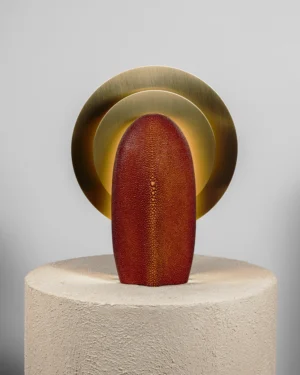
Mother of the Light Cognac Table Lamp in Galuchat and Brass
By PALUCKI Studio
€3.500 -
 In stock
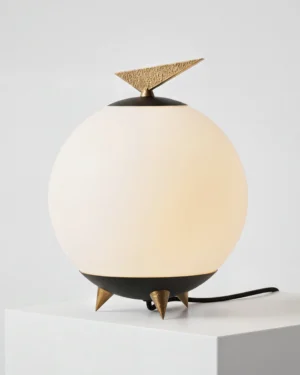
Eoni Table Lamp In Steel, Brass And White Glass
By Balance Lamp
€410 -
 In stock
Biiit 001 Table Lamp In Paper And Brass
By Bo Ah Kim
€2.100 -
 In stock
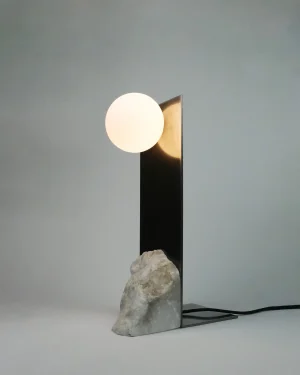
Himalaya Lunar Vertical Table Lamp in Alabaster
By HEAKO
€3.300 -
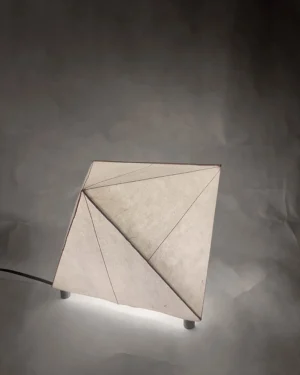
Biiit 006 Table Lamp In Paper And Brass
By Bo Ah Kim
€1.100 -

Galaxy Table Lamp in Parota Wood and Brass
By Isabel Moncada
€2.925 -
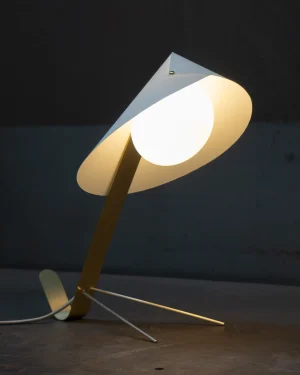
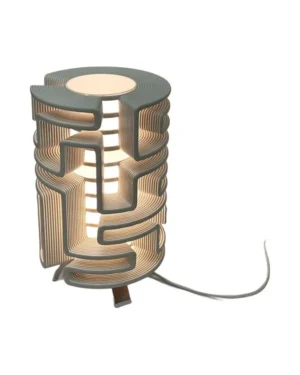
Mantis Table Lamp in Layered Paper and Brass
By MESEME by Riya Panchal
€405 -
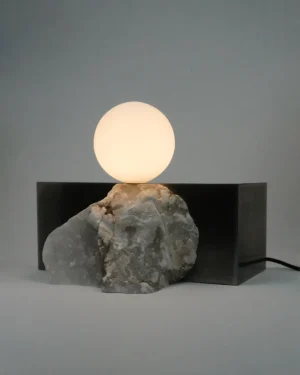 In stock
Himalaya Lunar Horizontal Table Lamp in Alabaster
By HEAKO
€3.200 -
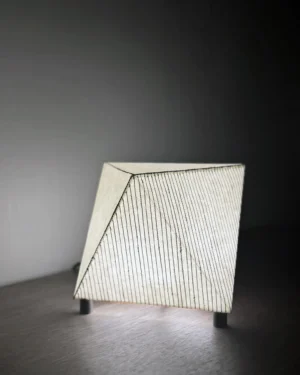
Biiit 007 Table Lamp In Paper And Brass
By Bo Ah Kim
€1.000 -

Alma Table Lamp in Brass and Perspex
By MESEME by Riya Panchal
€1.215 -

Leaky Lamp II Table Lamp in Oak and Glass
By Pablo Ejarque-González
€895 -
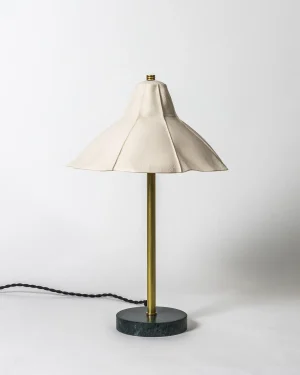
Kawa Table Lamp in Porcelain, Brass and Marble
By Luft Tanaka Studio
€1.874 -
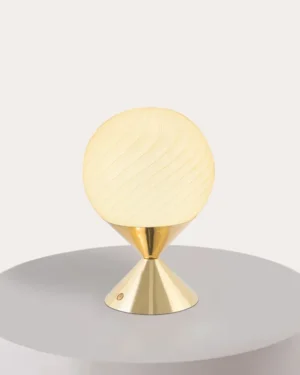
Sorbet Table Lamp In Brass And Blown Glass
By Nama Home
€2.320 -
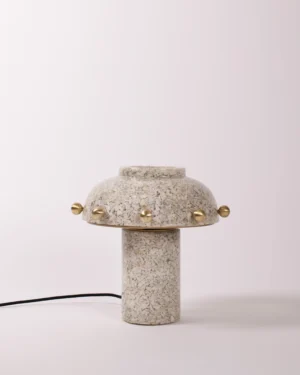
Second Tide Table Lamp In White Recycled Plastic And Brass
By Harshita Jhamtani Designs
€1.340 -
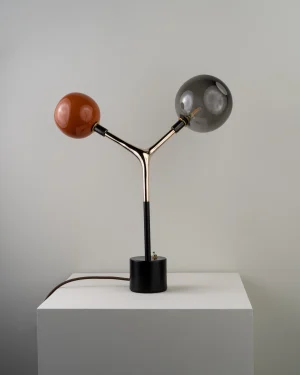
Mácula Table Lamp in Bronze and Glass
By Isabel Moncada
€3.217 -
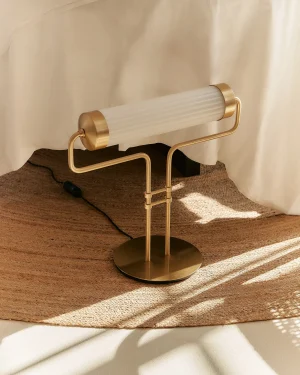 In stock
Tatì Table Lamp in Brass and Blown Glass
By Clara Viladecans
€1.488 -
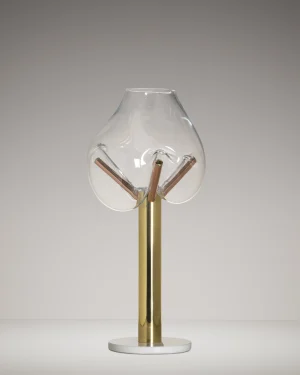
Carambola Table Lamp
By Carol Gay
€1.730 - €1.745 -
 In stock
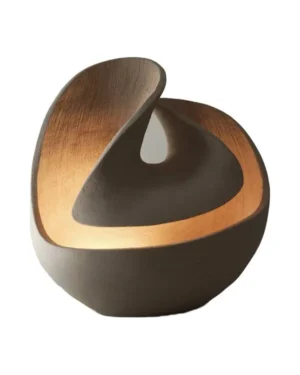
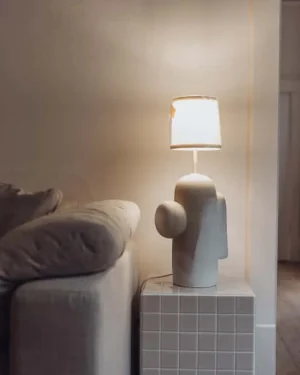
Nodo Table Lamp in Speckled Stoneware
By LYT Studio
€550 -
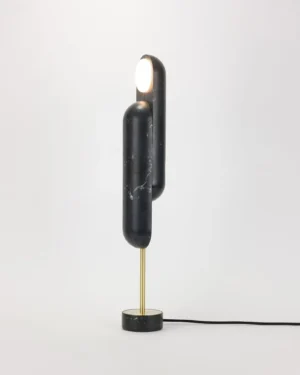
OFFSET Table Lamp in Marble and Brass
By Dan Yeffet
€2.500 -
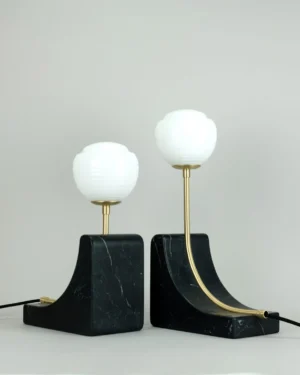
DU/ET Table Lamp in Marble and Brass
By Dan Yeffet
€1.650 -

Falcon Table Lamp in Brass and Walnut Wood
By Nathan Chintala
€1.914 -
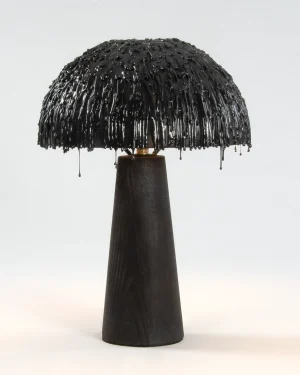
Leaky Lamp I Table Lamp in Ash Wood and Bioplastic
By Pablo Ejarque-González
€1.050 -

Barbell Table Lamp 2.0 In Brass And Alabaster
By Nama Home
€4.705 -
 In stock
Biiit 002 Table Lamp In Paper And Brass
By Bo Ah Kim
€1.500 -
 In stock
Biiit004 Table Lamp In Paper And Brass
By Bo Ah Kim
€1.750 -
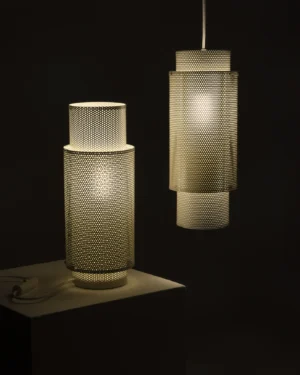
P-lamp Table Lamp In Perforated Metal
By SOLMISTUDIO
€1.200 -
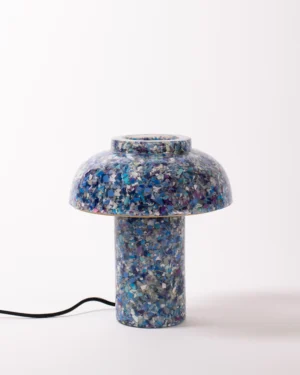
Second Tide Table Lamp In Blue Recycled Plastic And Brass
By Harshita Jhamtani Designs
€1.340 -
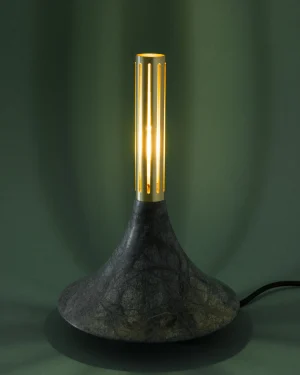 In stock
Dervish Table Lamp in Marble and Brass
By Boo Design Studio
€475 -
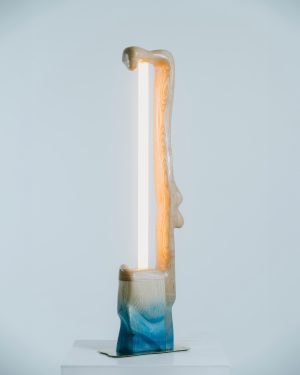 Sold
Blueprint Table Lamp in Ash Wood and Brass
By Studio Kloak
€1.200
Brass table lamps bring a dense, workable metal to the nightstand or console, chosen by studios for the way it casts, spins, and takes a finish. Some makers pour it into molds and let the casting carry its own texture; others spin sheet brass on a lathe until the surface reads smooth and continuous. A smaller number hand-finish each base, so no two lamps in a run catch the light in quite the same way.
What defines brass as a lighting material
Brass is an alloy of copper and zinc, which gives it strength without excessive weight and a warm, yellow-gold color that ranges from pale champagne to deep amber depending on the ratio used. It resists corrosion better than plain steel, which is part of why lamp bases and fittings have been made from it for generations. Left alone, polished brass will darken and dull slightly with handling and air exposure; lacquered or waxed brass holds its brightness longer.
How brass table lamps are made
Metalwork for lighting generally follows one of three routes. Casting pours molten brass into a mold, suited to sculptural or heavier bases. Spinning shapes a flat brass disc against a rotating form, producing thin, even-walled shades and columns. Hand-finishing, where a maker files, polishes, or patinates each piece after fabrication, is what separates an open edition made to a fixed specification from a limited run or a one-off where no two lamps are identical.
The range of finishes and editions
On ADORNO, brass table lamps appear in a spread of finishes, from mirror-polished gold to brushed matte surfaces that resist fingerprints, and occasionally in blackened or aged brass that reads closer to bronze. Styles range from pared-back minimalist table lamps with a single cylindrical stem to more sculptural, space-age forms with curved arms or layered shades. Editions vary too: open editions for studios producing a steady run, limited editions for smaller batches, and unique pieces where the brass has been hand-worked start to finish.
- Finish: polished, brushed matte, or aged brass, each aging differently with handling
- Form: cast sculptural bases versus spun, thin-walled columns
- Edition: open runs, limited editions, and unique, hand-finished pieces
Choosing a brass table lamp for scale and placement
Height matters more than most buyers expect. A lamp meant for a side table next to a sofa generally sits lower than one intended for a console or sideboard, where the eye meets it at standing height. Measure the surface it will occupy and leave enough clearance below any shade for the bulb's heat and glare to disperse evenly.
Because brass reflects and warms the light around it, a polished finish throws more ambient glow, while a matte or aged surface absorbs more and reads quieter in the room. Pair the metal's warmth with the rest of a room's finishes, brass sits naturally near walnut, leather, and warm plaster tones, less so against cool concrete or chrome.
Where brass table lamps work and how to care for them
These lamps suit living rooms and bedrooms equally, anywhere a surface needs directional, low light rather than overhead wash. A study or entry console also carries a brass base well, since the metal holds up to daily handling without showing wear quickly.
Wipe polished brass with a dry or barely damp cloth, dust builds a film that dulls the shine before it tarnishes it. Avoid harsh metal polishes on lacquered pieces, since they can strip the protective coat and leave patchy color. For the full range of brass lighting and furniture, or to see how these lamps compare across table lamps more broadly, the brass material page gathers every piece made in this metal.
How do I choose a brass table lamp?
Look at how the brass is worked: cast bases read sculptural and heavy, spun ones sit smooth and even, hand-finished pieces show slight variation. Match the warmth of the metal, pale champagne to deep amber, to the room's other finishes.
How do you care for a brass table lamp?
Dust with a soft cloth and keep it dry. Polished, unlacquered brass will darken with handling and air over time, while lacquered or waxed brass holds its brightness longer and needs little upkeep.
What size table lamp should I get?
A table lamp generally sits between 24 and 34 inches tall, enough to light a surface without blocking sightlines. For a nightstand, pick a shorter base; for a console or sideboard, a taller one carries the space better.
Which rooms suit a brass table lamp?
Brass works on a nightstand, console, sideboard or desk, anywhere the metal's warmth and the lamp's light are both at close range. Its resistance to corrosion also makes it a steady choice near kitchens or bathrooms.
Are brass table lamps handmade or limited edition?
It depends on the piece. Some are open editions made to a fixed specification, others are hand-finished in small or one-off runs, each slightly different; check the specific details on the piece's page.
What are ADORNO's shipping, returns and authenticity policies?
Shipping is insured and worldwide. Returns are accepted within 14 days, excluding made-to-order pieces, and every lamp comes with a certificate of authenticity plus a lowest-price guarantee.