



-
 In stock
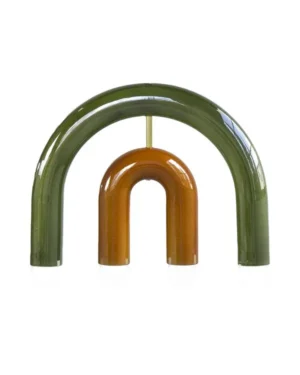
H 1 Pendant Lamp In Bio Polymer
By diploria studio
€295 - €495 -
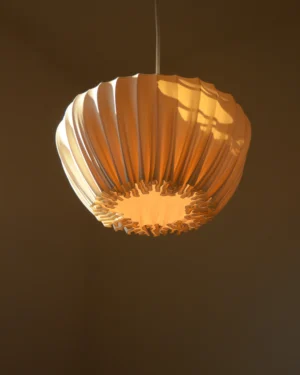
M 2 H Pendant Lamp In Bio Polymer
By diploria studio
€295 -
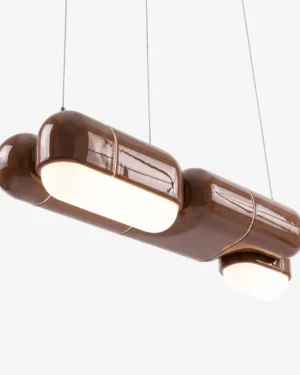
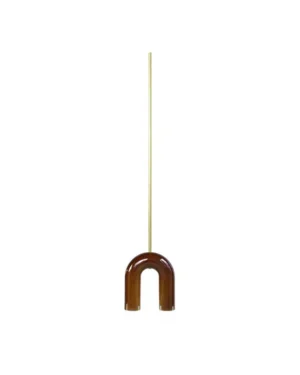
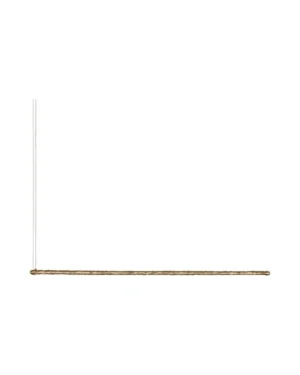
U – 044 – Pendant – Umber
By Rollo Studio
€2.345 -
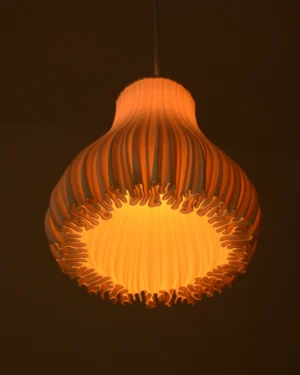 In stock
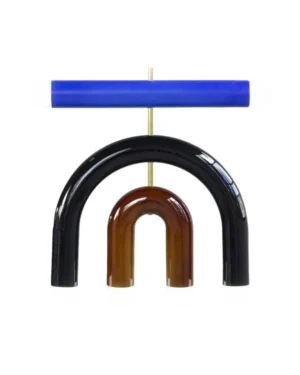
H 2 Pendant Lamp In Bio Polymer
By diploria studio
€295 - €495 -
 In stock
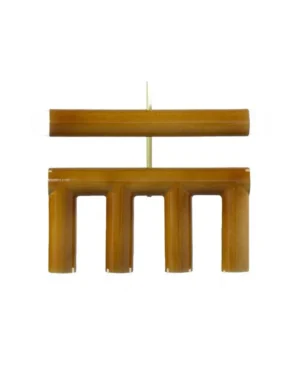
H 3 Pendant Lamp In Bio Polymer
By diploria studio
€395 -
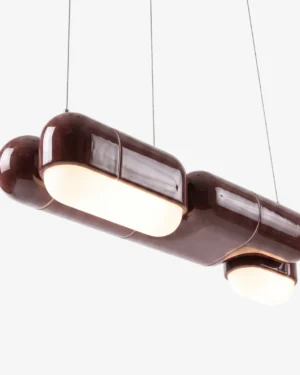
U-044 Pendant Lamp In Oxblood Pla
By Rollo Studio
€2.345 -
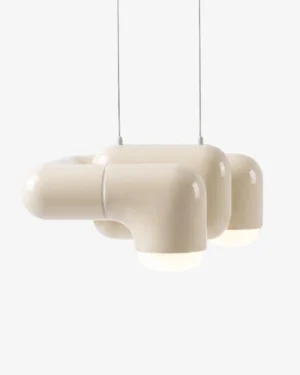
U-048 Pendant Lamp In Cream Pla
By Rollo Studio
€1.765 -
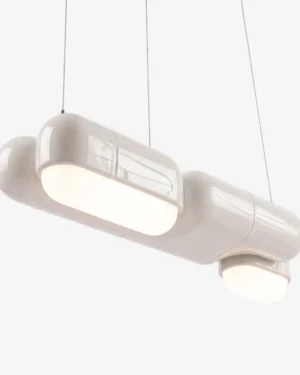
U-044 Pendant Lamp In Chalk Pla
By Rollo Studio
€2.345 -
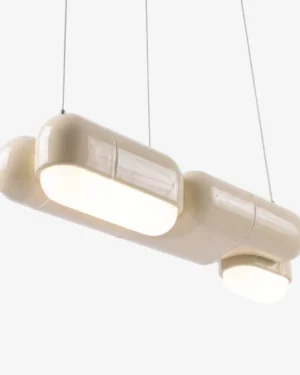
U-044 Pendant Lamp In Cream Pla
By Rollo Studio
€2.345 -
 In stock
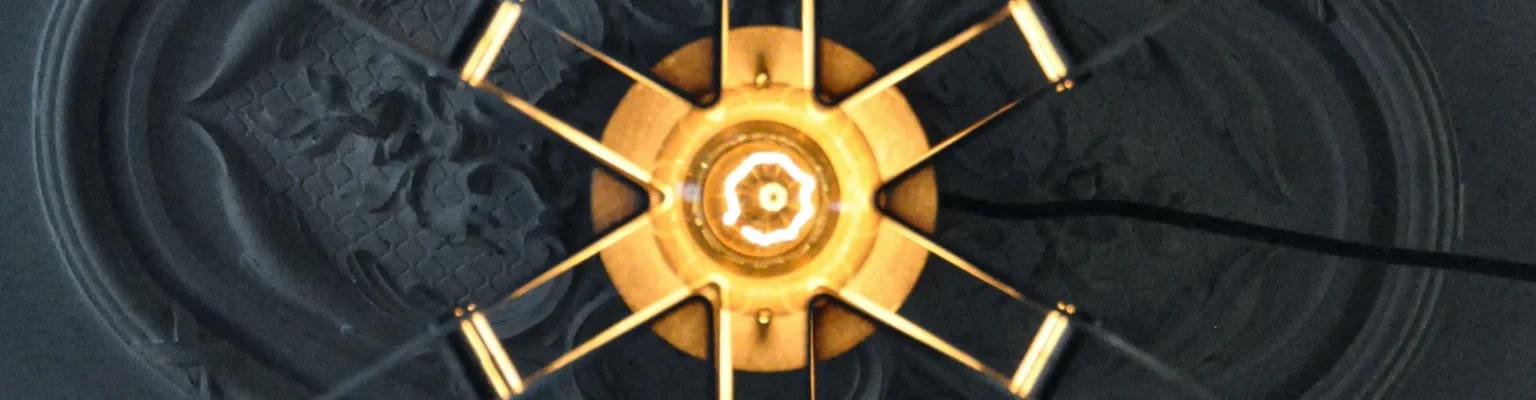
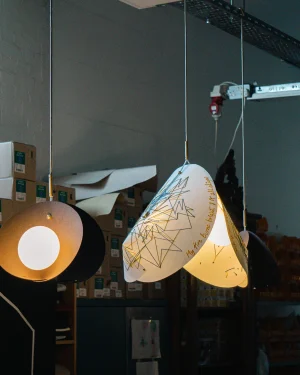
Concha Embroidure Pendant Lamp in Paper and Brass
By MESEME by Riya Panchal
€788 -
 In stock
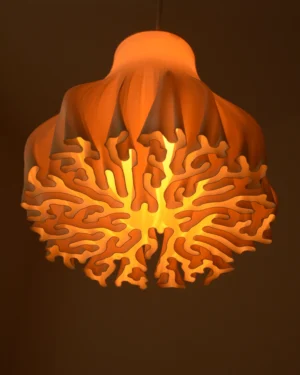
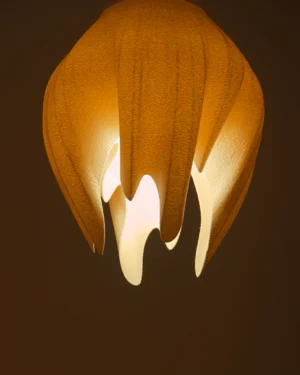
Medusa Pendant Lamp In Bio Polymer
By diploria studio
€245 - €495
Ivory ceiling lamps carry a warm, soft white that sits between bone and cream, never as stark as true white and never as yellow as beige. They are shaped mostly in PLA and bioplastic through 3D printing, with a few pieces in blown glass, brass, paper or silk, some of them hand-painted. The tone reads as calm and a little rich, which is why it suits fixtures meant to be looked at as much as lived under.
What gives ivory its particular warmth
Ivory is a neutral with a hint of pigment, usually a touch of yellow or pink under the white. In bioplastic, that warmth comes from the raw material itself, derived from plant starches rather than petroleum, and it can shift slightly as the piece ages under light. In blown glass, ivory is achieved by introducing opacifiers into molten glass, giving a dense, milky body that diffuses light rather than passing it straight through. Brass fittings, left raw or lightly lacquered, add a second warm note that sits comfortably next to the ivory itself.
The materials and techniques behind these pieces
Studios working in ivory ceiling lamps draw on a narrow but distinct set of processes. Digital fabrication and 3D printing let bioplastic forms grow in a single, repeatable pass, often in biophilic shapes that would be difficult to cast by hand. Glassblowing remains the slower route, each shade gathered and shaped while hot, so no two pieces are ever perfectly identical even within the same run. Metalwork supplies the structural brass or steel armatures, sometimes finished with hand painting or paired with embroidered or painted textile shades.
- Bioplastic and PLA, grown or printed into biophilic, sculptural forms
- Blown glass, opaque or semi-opaque, for a soft, even glow
- Brass fittings and frames, left natural or lightly treated
- Paper and silk shades, sometimes hand-painted or embroidered
How to choose an ivory ceiling lamp
Start with scale before finish. A single large ivory globe can anchor a dining table on its own, where a cluster of smaller bioplastic forms suits a wider living room ceiling. Hanging height matters as much as diameter: over a table, the base of the shade typically sits close enough to pool light downward without blocking sightlines across the room; in an open hallway or stairwell, it can hang higher to read as a sculptural object from below.
Finish decides how the lamp behaves at night. A dense, opaque ivory glass glows evenly and softly, good for rooms where the fixture itself is lit for long hours. A thinner, more translucent cast throws more direct light and shows the bulb's position as a faint warm core. Brass fittings darken or develop a light patina with handling, which some owners prefer to a lacquered finish that stays bright and even.
Where ivory ceiling lamps sit well
The tone works across styles that lean contemporary, coastal or sustainable, since ivory never competes with timber, linen or stone the way a stronger color might. It suits bedrooms and reading corners where a softer white is kinder on the eyes late in the evening, and it holds its own in living room ceiling lamps hung above seating rather than a table.
Caring for bioplastic, glass and brass
Bioplastic forms should stay away from direct heat sources and strong sunlight, which can cause slow warping over years. Blown glass only needs an occasional wipe with a dry or barely damp cloth, since moisture left on a diffuser can mark it once the lamp heats. Brass left unlacquered will darken with time; a light polish restores shine, while leaving it alone lets a natural patina build instead.
For a broader view of warm neutrals in lighting, the ivory lighting range covers table and floor pieces in the same tone, while the full ceiling lamps category shows how ivory sits alongside other colors and materials overhead. Those drawn to a cleaner, more pared-back silhouette within the same color might also look at contemporary ceiling lamps, and the full spread of tone and material can be seen across every ivory piece on ADORNO.
How do I choose an ivory ceiling lamp?
Match the material to the mood: blown glass gives a dense, diffused glow, bioplastic holds sculptural, biophilic shapes, and brass with paper or silk shades adds a warmer, more tactile note.
How do you clean and care for an ivory ceiling lamp?
Dust bioplastic and glass with a dry, soft cloth, avoiding harsh solvents that can dull the surface. Brass fittings can be wiped with a dry cloth, or left to develop a soft patina over time.
What size ceiling lamp do I need and how low should it hang?
Size depends on the room and the shade's material, since blown glass and bioplastic forms carry weight differently. For exact dimensions and hanging height, chat with the maker on the piece's page.
Which rooms suit ivory ceiling lamps best?
Their soft, warm white works in living rooms and dining areas where the fixture is seen as much as used, and in bedrooms or hallways where a stark white would feel too cold.
Are ivory ceiling lamps handmade or made to order?
Some are shaped by hand in blown glass or worked brass, while others grow through 3D printing in repeatable passes. Ask the maker directly, as processes vary piece by piece.
What are ADORNO's shipping, returns and authenticity policies?
Shipping is insured and worldwide. Returns are accepted within 14 days, except for made-to-order pieces, and every piece comes with a certificate of authenticity plus a lowest-price guarantee.