




-

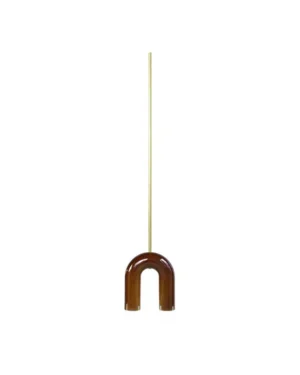
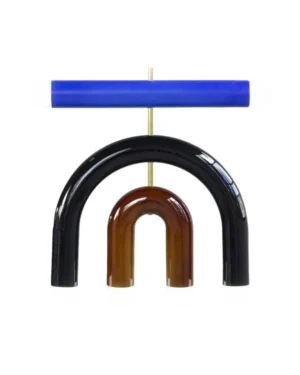
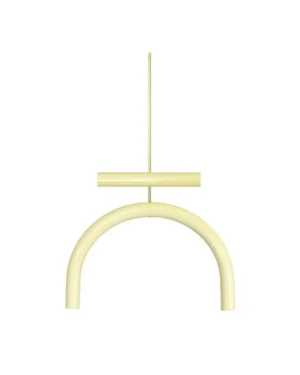
Trn / Model C2 Pendant Lamp in Ceramic
By Pani Jurek STUDIO
€880 -
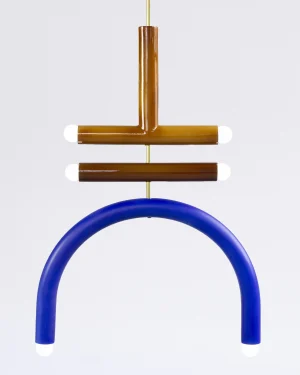
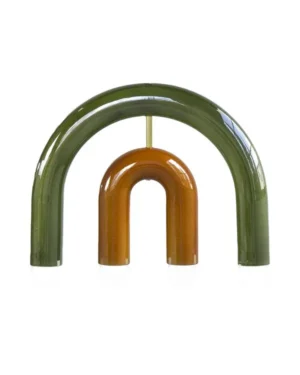
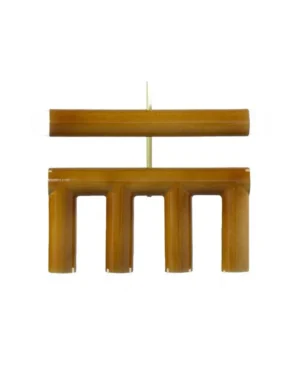
Trn / Model F2 Pendant Lamp in Ceramic
By Pani Jurek STUDIO
€1.600 -
 In stock
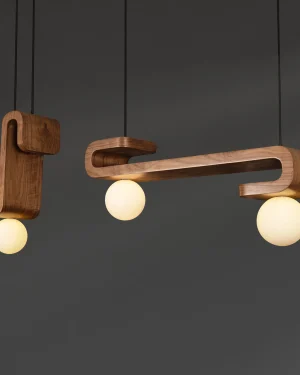
Esse Ceiling Lamp in Wood
By Saadia Design
€1.200 - €2.500 -
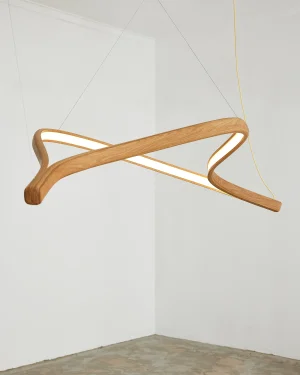
Perola Pendant Lamp in Oak Wood
By Poémia
€8.000 -
 In stock
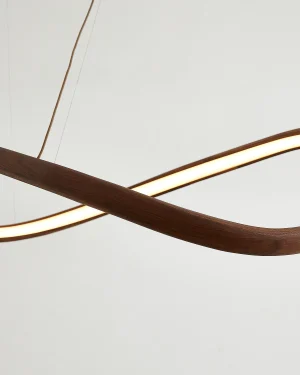
Horizonte Pendant Lamp in Walnut Wood
By Poémia
€8.450 -
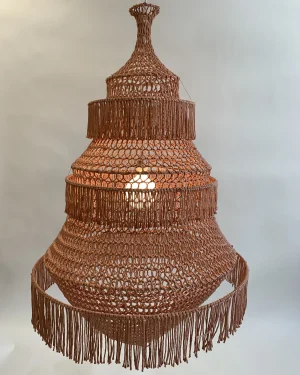
Typha Pendant Lamp in Cotton Rope
By Annie Legault
€1.907 -
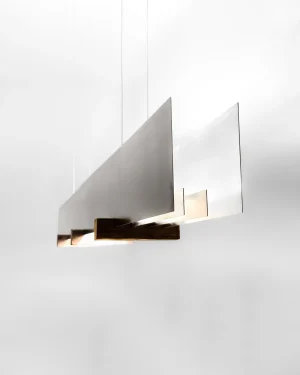
Linear Ceiling Lamp (extra Large) in Aluminum and Wood
By case studios
€1.210 - €1.910 -
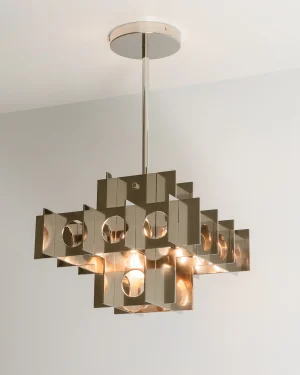
Tenfold 3 T B Pendant Lamp in Stainless Steel and Aluminum
By Luft Tanaka Studio
€2.895 - €8.675 -
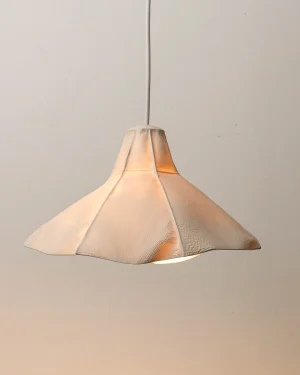
Kawa Series 04 – Ceramic Pendant Lamp
By Luft Tanaka Studio
€1.600 -
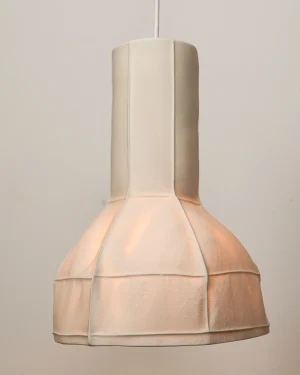
Kawa Series 05 Pendant Lamp in Porcelain and Ceramic
By Luft Tanaka Studio
€1.375 -
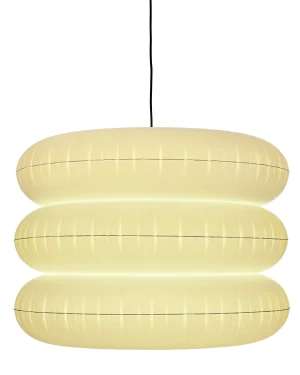 In stock
Big Puff Pendant Lamp in Polyurethane
By PUFF-BUFF
€550 -
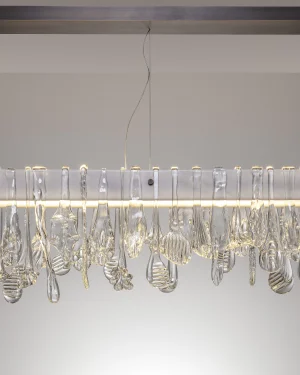 In stock
Pingente Pendant Lamp
By Carol Gay
€8.000 -
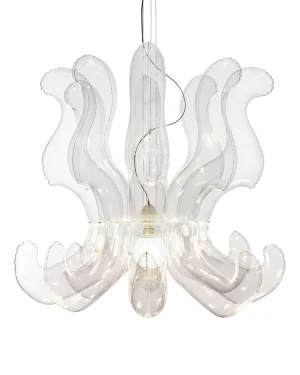
Lullaby No.1 Chandelier in PVC and Acrylic
By PUFF-BUFF
€640 -
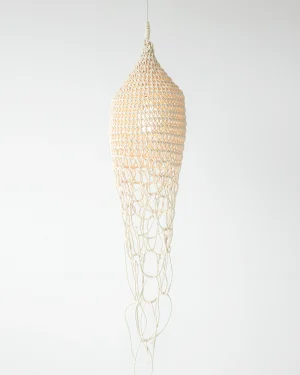
Meduse Pendant Lamp in Cotton
By Annie Legault
€700 -
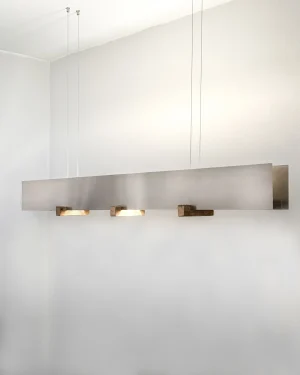
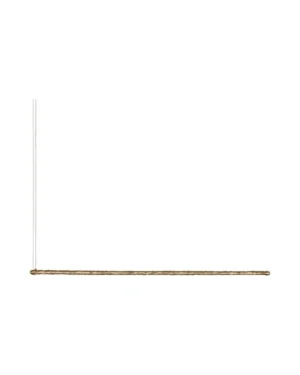
Linear Ceiling Lamp (Large) in Aluminum and Wood
By case studios
€1.444 - €1.844 -
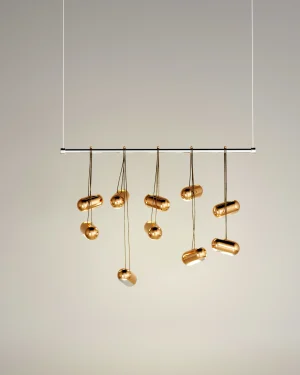
Tere Chandelier in Stainless Steel, Bronze and Acrylic Resin
By Design VA
€12.432 -
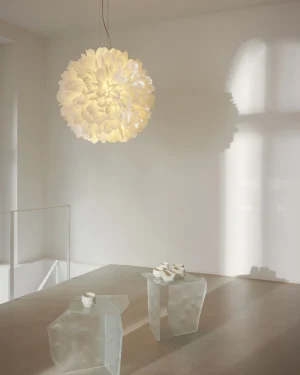
Blossom Pendant Lamp in Washi Paper
By HEIKE BUCHFELDER
€2.933 -
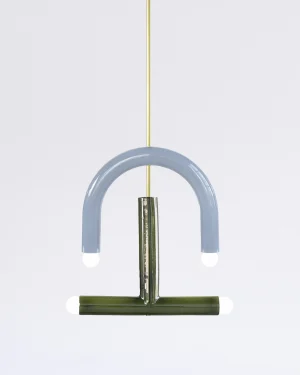
Trn / Model C3 Pendant Lamp in Ceramic
By Pani Jurek STUDIO
€880 -
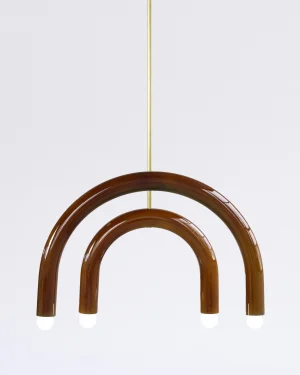
Trn / Model E3 Pendant Lamp in Ceramic
By Pani Jurek STUDIO
€1.430 -
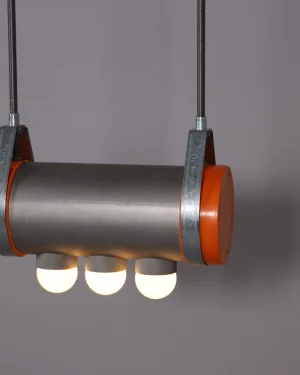 In stock
Three Bulb Upcycled Pendant Lamp In Raw Steel
By Nolan Talbot-Kelly
€2.100 -

[float] Sculptural Ceiling Lamp in Concrete
By case studios
€2.700 -
 In stock
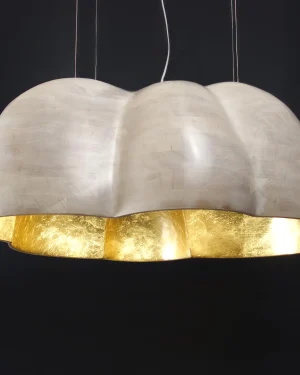
N2 Cloud Ceiling Lamp in Cherry Wood and Gold Leaf
By Aaron Scott
€10.300 -
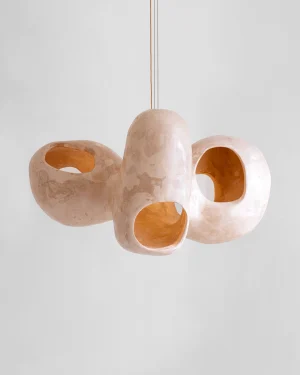
Bosei Chandelier in Gypsum
By Studio AOAO
€15.000 - €29.000 -
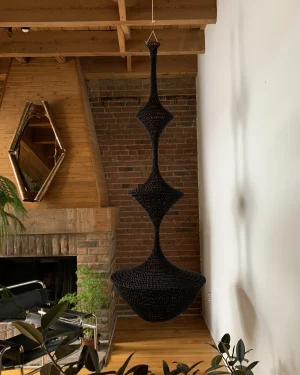
Briza Pendant Lamp in Cotton
By Annie Legault
€2.250 -
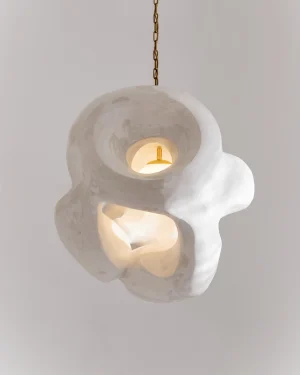
Ikigai Ceiling Lamp in Alabaster Gypsum
By Studio AOAO
€22.000 -

Trn / Model F2 Silver Finish Pendant Lamp in Ceramic
By Pani Jurek STUDIO
€1.650 -
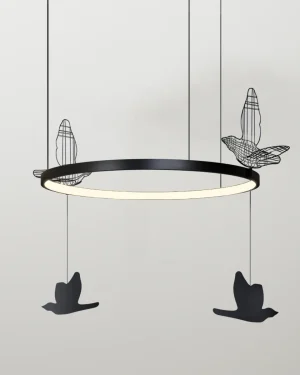 In stock
Flight Shadows Circular Pendant Lamp In Steel
By SVITANOK
€1.020 - €1.140 -
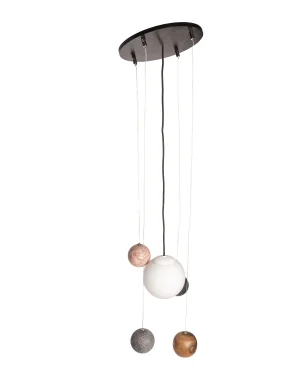
Planeta Ceiling Lamp in Marble and Volcanic Stone
By Daniel Orozco Estudio
€1.260 -
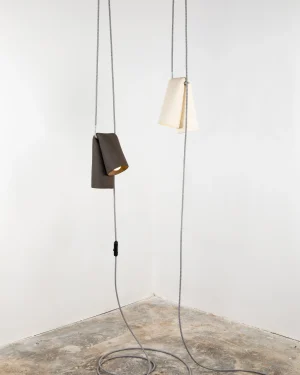
Melo Pendant Lamp In Ceramic
By Catalin Filip
€300 -

Melica Pendant Lamp in Cotton
By Annie Legault
Price Upon Request -
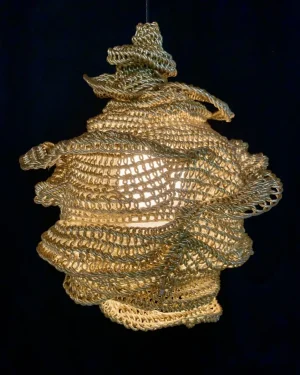
Auræ Pendant Lamp in Glass and Textiles
By Annie Legault
Price Upon Request -
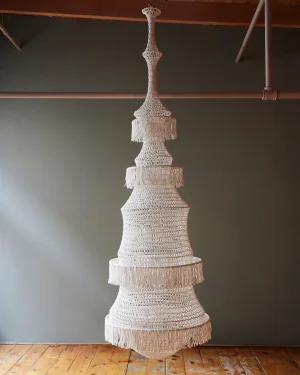
Luzule Pendant Lamp in Cotton Rope
By Annie Legault
Price Upon Request -

Fos 05 Pendant Lamp in Wood and Marble
By Daniel Orozco Estudio
€1.390 -
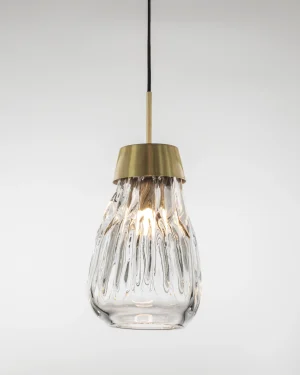
Twist Pendant Lamp
By Carol Gay
€990 - €1.150 -

Ms Eclipse M (25cm) Pendant Lamp in Marbled Salts
By MARBLEDSALTS studio
Price Upon Request -
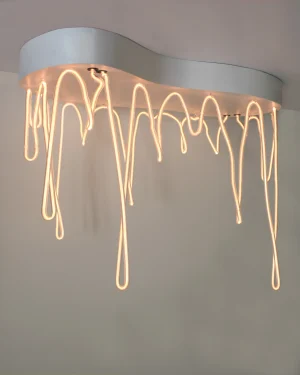
Vertical Fractal Helium Chandelier In Glass And Metal
By Dace Sūna
Price Upon Request -
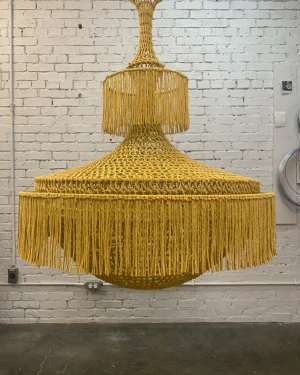
Lola Chandelier in Textiles
By Annie Legault
Price Upon Request
Eclectic ceiling lamps bring together materials that do not usually share a room: raw textile beside glazed ceramic, cold steel beside woven natural fiber. What defines the style is not one finish but the willingness to pair them, so a hand-built shade might hang from a brass stem, or a macraméd cage sit above a painted steel ring. Independent studios build them through textilework, metalwork, hand-building and glazing, often in open editions, sometimes as unique pieces or limited runs.
What makes a ceiling lamp eclectic
An eclectic fixture reads as a composition of parts rather than a single gesture. One section might be hand-built glazed ceramic, another knotted fiber, another bent steel or brass. Color plays the same role: cobalt blue glaze against a beige textile shade, a denim-toned cord beside black-painted metal, or a burst of red or multicolor pattern against plain wood.
Because the pieces mix trades, no two behave quite alike. Ceramic and glaze stay rigid and hold their color for decades, wood ages and may darken slightly under heat from the bulb, textile and natural fiber soften over time and can gather dust, and brass or steel develop a patina unless lacquered. Knowing which part is which helps you judge how the lamp will look in a year, not just on delivery day.
The range of materials, finishes and techniques
Within eclectic ceiling lighting on ADORNO, the recurring materials are textile, steel, ceramic, wood, natural fiber, synthetic fiber and brass, often combined rather than used alone. Hand-building and glazing give the ceramic sections their surface and color; metalwork shapes the steel and brass frames and stems; macramé and general textilework produce the woven or knotted shades; wood and cabinetmaking contribute turned or jointed elements. Most pieces are made as open editions, with occasional unique pieces or limited editions where a studio works largely by hand.
How to choose one
Start with scale before style. A fixture that reads as a confident mix of materials in a showroom can overwhelm a low ceiling or disappear in a tall one, so measure the diameter and hanging height against the room, not just the table beneath it. Over a dining table, the lowest point of the shade usually wants to sit roughly 70 to 80 centimeters above the surface; in an open living area, allow more headroom for circulation.
Finish matters as much as form. A glazed ceramic shade throws a softer, more even light than an open steel cage, while woven fiber filters light into pattern and shadow on the walls around it. If the lamp combines several materials, decide which one should dominate the room's palette and let the others act as accents rather than competing for attention.
- Match the metal tone (brass, blackened steel, raw steel) to existing hardware or fixtures in the room
- Choose a textile or fiber shade where you want diffused, warmer light
- Choose ceramic or glazed sections where you want a fixed, durable color note
- Check cord or chain length against your ceiling height before ordering
Where these lamps work
Eclectic fixtures suit rooms already built on contrast: a living room with both vintage and new furniture, a dining area where the table and chairs come from different periods, an entryway that wants one strong object rather than many small ones. They read less well in rooms already crowded with pattern, where a simpler fixture from the minimalist ceiling lamps or steel ceiling lamps would carry more weight by doing less.
Care by material
Dust ceramic and glazed sections with a dry or barely damp cloth; avoid abrasives that can dull the glaze. Wipe brass and steel with a soft cloth, and avoid household cleaners on unlacquered metal, which will dull any patina you have let develop. Vacuum woven fiber or textile shades gently on a low setting, and keep all of it dry and away from direct, prolonged sun, which fades both dye and natural fiber faster than ordinary daylight.
For the wider picture, the full ceiling lamps category spans every material and technique, while eclectic design across every category extends the same mixed-material approach into furniture and decor beyond lighting.
How do I choose an eclectic ceiling lamp?
Look at which materials anchor the piece, ceramic or steel for a fixed presence, textile or fiber for something softer, then match the colors already in the room rather than the fixture alone.
How do I care for an eclectic ceiling lamp?
Dust ceramic and glazed parts with a dry cloth, wipe brass or steel to slow patina, and vacuum textile or fiber shades on a low setting to keep them from gathering dust.
What size ceiling lamp do I need and how low should it hang?
Over a dining table, hang the shade so its bottom sits around 30 inches above the surface; for open ceilings, leave at least 7 feet of clearance from the floor. A maker can confirm exact sizing through Chat with the maker on the piece's page.
Which rooms suit an eclectic ceiling lamp?
Living and dining rooms carry the mix of materials well, since there is space to see the composition from a distance; in smaller hallways or bedrooms, one bold fixture is usually enough.
Can I order a custom eclectic ceiling lamp?
Some studios take commissions or adjust finishes and dimensions on request. Chat with the maker on the piece's page to ask directly.
What are ADORNO's shipping, returns and authenticity policies?
Shipping is insured and worldwide. Returns are accepted within 14 days, except made-to-order pieces, and every order includes a certificate of authenticity along with a lowest-price guarantee.