



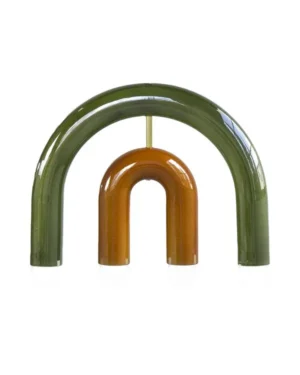
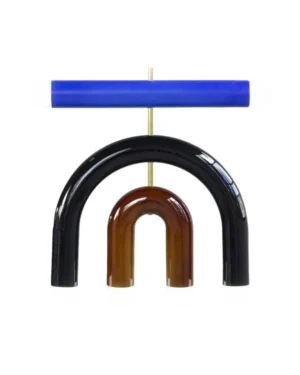
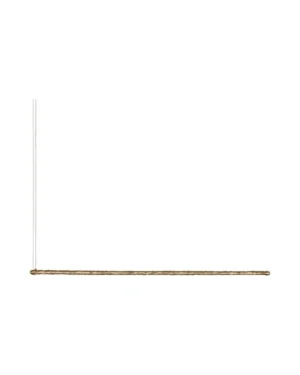
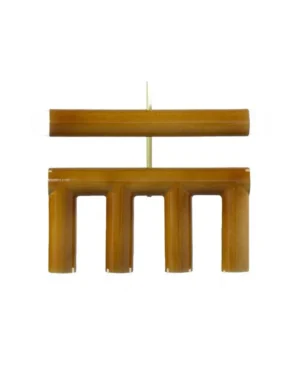
-
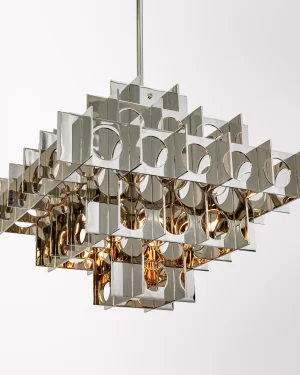
Tenfold 5 T Pendant Lamp in Stainless Steel and Aluminum
By Luft Tanaka Studio
€4.440 - €11.000 -
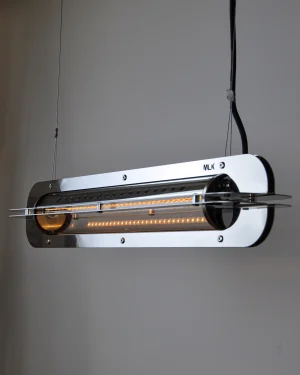
Pill600 Pendant Lamp In Mirror Stainless Steel
By MLK Furniture
€1.090 -
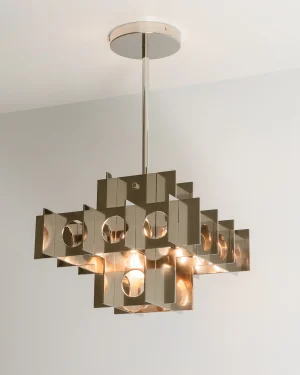
Tenfold 3 T B Pendant Lamp in Stainless Steel and Aluminum
By Luft Tanaka Studio
€2.895 - €8.675 -
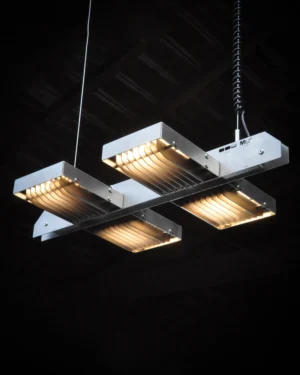
Ads200x04 Pendant Lamp In Matte Steel
By MLK Furniture
€2.400 -
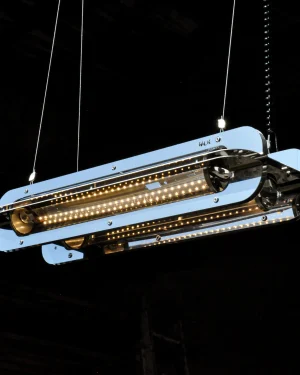
Pill600x2 Pendant Lamp In Mirror Stainless Steel
By MLK Furniture
€1.890 -
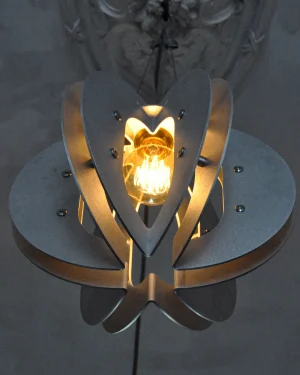
D300 Lampion Pendant Lamp In Matte Aluminum
By MLK Furniture
€390 -
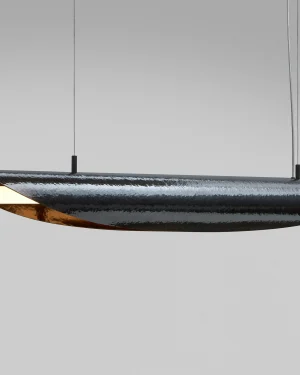
Taco De Luz Black Patinated Brass Pendant Lamp in Brass
By Studio Aristotelis Barakos
€5.900 -
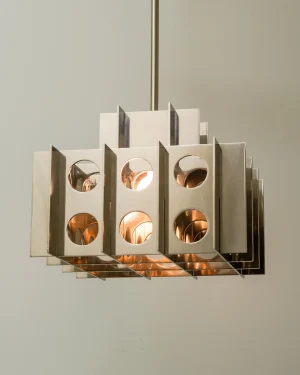
Tenfold 3 T A Pendant Lamp in Stainless Steel and Aluminum
By Luft Tanaka Studio
€2.895 - €8.675 -
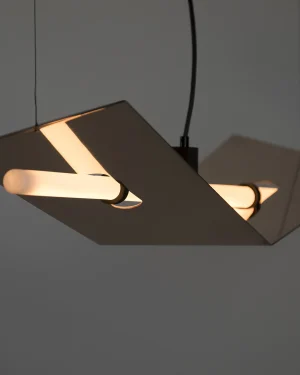
Bird of Prey Ceiling Lamp in Bronze
By Atelier Haute Cuisine
€3.700 -
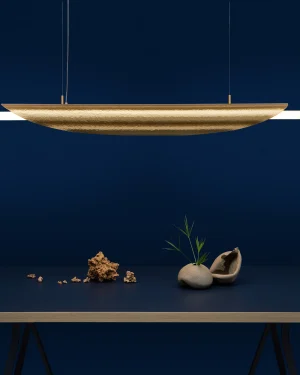 In stock
Taco De Luz Satin Brass Pendant Lamp in Brass
By Studio Aristotelis Barakos
€5.400 -
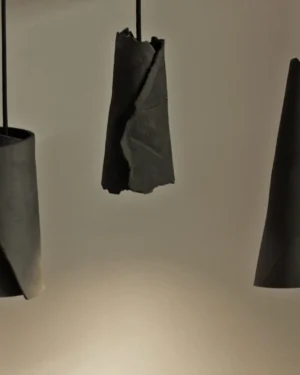
Ilumina Pendant Lamp in Ceramics
By Popdots Studio
€330 -
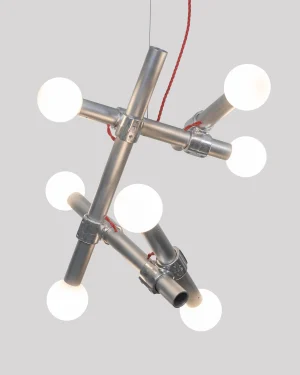
Pipe Dream Chandelier in Aluminum and Glass
By Luft Tanaka Studio
€3.655 -

[float] Sculptural Ceiling Lamp in Concrete
By case studios
€2.700 -
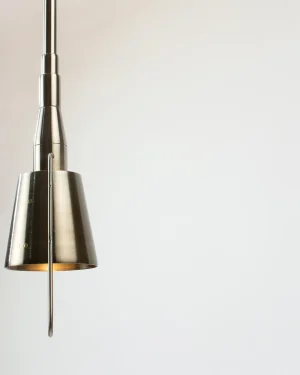
Suspension Pendant Lamp in Stainless Steel
By Szostak Atelier
€1.000 -

Clay Cone Pendant In Textured Black Clay Paste And Mild Steel
By Harshita Jhamtani Designs
€1.820 -
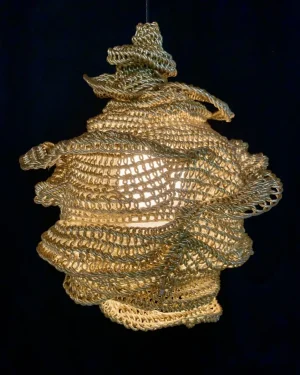
Auræ Pendant Lamp in Glass and Textiles
By Annie Legault
Price Upon Request -

Fos 05 Pendant Lamp in Wood and Marble
By Daniel Orozco Estudio
€1.390 -

Ms Eclipse M (25cm) Pendant Lamp in Marbled Salts
By MARBLEDSALTS studio
Price Upon Request -
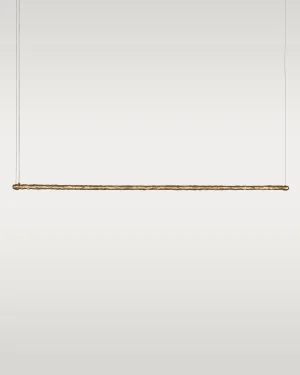
Aria Linear Ceiling Lamp In Brass
By Stem
€1.550 - €2.100 -
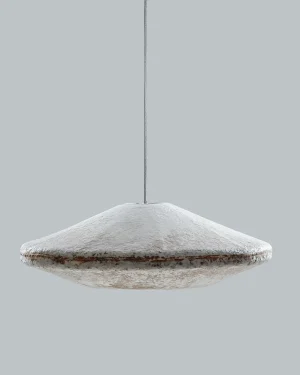 In stock
B Wise Pendant Lamp in Mycelium
By Myceen
Price Upon Request -
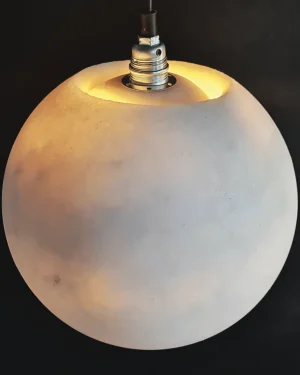
Marbled Salts Ceiling Lamp in Marbled Salts
By MARBLEDSALTS studio
Price Upon Request
Brutalist ceiling lamps are built from the materials that define the style itself: stainless steel, aluminum, carved marble, and metal left with the marks of its own making. Studios working in this idiom cut, mould and carve rather than polish away the evidence of process, so a seam or a rough-cut edge stays visible. The result is a fixture heavy enough in form, if not always in weight, to read as part of the room's structure rather than an accessory hung from it.
What makes a ceiling lamp brutalist
The style favors mass over ornament. A single block of stone, a drum of steel, or a cluster of aluminum forms carries more presence than any applied decoration could, and the material is left to speak for itself — unlacquered, unpainted, often matte. Where other ceiling lights hide their hardware, brutalist pieces tend to expose it: visible bolts, raw edges, the seam line of a mold.
The materials and finishes found here
Stainless steel and aluminum turn up most often, sometimes polished to a reflective, almost liquid surface, sometimes left matte and gray. Brass and chrome appear where a studio wants a harder shine against the material's bulk, and marble shows up for its own sake — veined, cool, and heavy enough to anchor a ceiling fixture the way it would a tabletop. Color stays close to the material: silver, black, beige and the occasional multicolor piece for contrast.
Technique varies with material. Metal pieces are typically shaped through metalwork or laser cutting; stone is carved by hand, which keeps the edges slightly uneven and the surface marked by tool work. Most pieces are made to open editions, produced to order rather than stockpiled, though unique pieces turn up where a studio works stone or metal one piece at a time.
How to choose a brutalist ceiling lamp
Scale matters more here than in most lighting styles, since the whole point of a brutalist fixture is to hold visual weight. A small, low-ceilinged room can be overwhelmed by a dense steel or marble form, while the same piece reads as intentional in a room with height and open wall space around it. Measure the drop carefully: these lamps often hang lower than typical pendants, and the gap between fixture and sightline changes how the mass is read.
Finish should answer the room's other metal and stone — a brushed or raw steel piece sits easily near existing metal ceiling lamps or steel furniture, while a polished or reflective surface works better as a single, deliberate contrast against soft materials. Placement over a dining table or in a stairwell gives these pieces the clearance and sightlines the form needs.
Rooms that suit the weight of brutalist lighting
Living rooms with high ceilings and few competing fixtures are the most forgiving setting, letting a sculptural form hang without crowding sightlines — see the broader range of living room ceiling lamps for scale comparisons. Entryways and stairwells also suit the style well, since a single raw-metal or stone form reads as architecture when seen from below rather than as an object to live under for hours. Kitchens and dining rooms can take smaller versions, provided the material matches the hardness of counters and cabinetry already in the room.
Caring for raw metal and stone
Unlacquered steel and aluminum develop a patina with handling and humidity; a dry cloth and occasional light wax keep the surface even without erasing the texture that defines the piece. Marble is porous and will mark if liquids or oils reach it, so ceiling-mounted stone pieces mainly need dusting, kept away from kitchen steam where possible. Polished chrome and reflective finishes show fingerprints readily and are best wiped with a soft, dry cloth rather than abrasive cleaners.
For the wider set of raw-material lighting, the brutalist lighting range extends beyond ceiling fixtures, and the full spread of ceiling lamps or brutalist design across categories shows how the same material logic carries into tables, seating, and objects.
How do I choose a brutalist ceiling lamp?
Match the material to the room's other surfaces: raw steel and aluminum sit well against concrete or wood, while carved marble wants a plainer backdrop so its veining and weight can stand out.
What are brutalist ceiling lamps made of?
Most are stainless steel, aluminum, brass or chrome, with some in carved marble. Surfaces are usually left matte or unpolished, showing bolts or mold seams rather than hiding them.
How do I clean and care for a brutalist ceiling lamp?
Dust metal with a dry or barely damp cloth to avoid water spots, and keep marble away from oils or acidic cleaners that could stain or dull its surface.
What size ceiling lamp do I need and how high should it hang?
Leave at least seven feet of clearance from the floor, and choose a scale that matches the room: smaller forms for hallways or nooks, larger drums or blocks for open living spaces.
Which rooms suit a brutalist ceiling lamp?
Living rooms, dining areas and entryways with enough ceiling height and plain walls let the material and form read clearly, without competing with other heavy decoration.
How does shipping, returns and authenticity work when I buy through ADORNO?
Shipping is insured and worldwide, returns are accepted within 14 days except on made-to-order pieces, and every purchase includes a certificate of authenticity alongside ADORNO's lowest-price guarantee.