






-

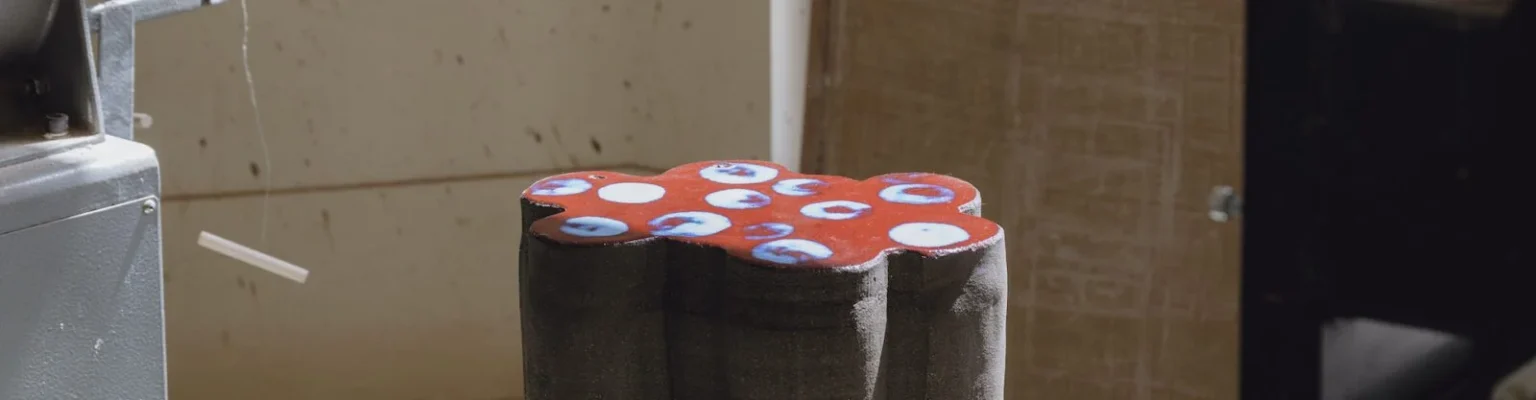
Nemo and Dory Side Table in Reclaimed Teak Wood
By Studio Indigene
€1.600 -

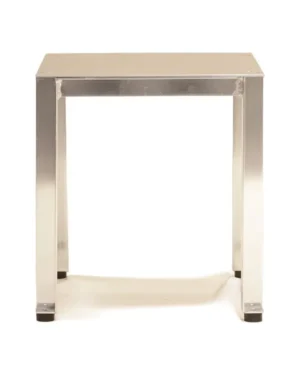
Cork X 01 Side Table in Cork and Aluminum
By Robert Megel
€599 -
 In stock
Knot Low Stool / Side Table In Solid Ash Wood
By Luis Gimeno Design
€800 -
 In stock
Knot – Stool / Side Table – Solid Ash Wood
By Luis Gimeno Design
€800 -
 In stock
Knot – Stool / Side Table – Solid Ash Wood
By Luis Gimeno Design
€890 -

Arcus Side Table in Teak Wood
By Studio Indigene
€950 -
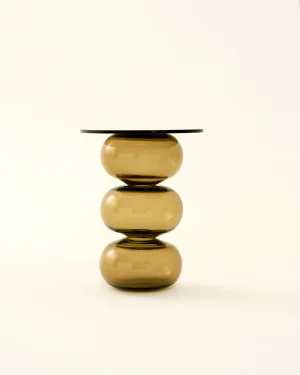
Donut Side Table in Blown Glass and Tempered Glass
By Deya
€1.633 -
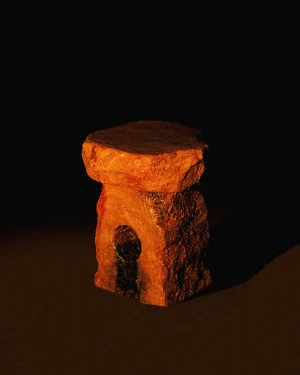 In stock
La Cauna – Escabèl 01 Stool
By Pierre Klein
€900 -
 In stock
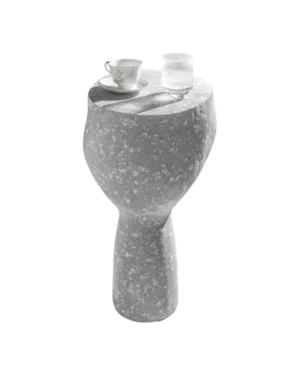
The Space Between Us Side Table in Resin and Volcanic Stone
By Toro Manifesto
€7.400 -
 In stock
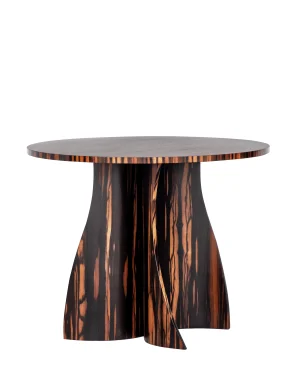
Andino Side Table in Macassar Ebony
By Costantini Design
€2.957 - €3.303 This product has multiple variants. The options may be chosen on the product page -

Cone Object 1 – Squared Stool/table
By Hanna Fastrich
€1.900 -

Corona Side Table in Teak Wood
By Studio Indigene
€1.150 -
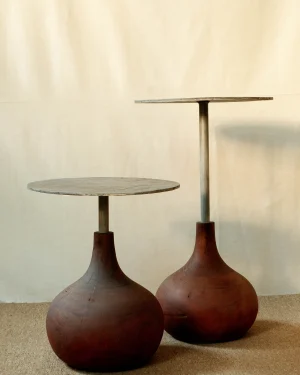
Matka Side Table in Wood and Cast Aluminum
By Spero Furniture
€970 - €1.943 This product has multiple variants. The options may be chosen on the product page -
 In stock
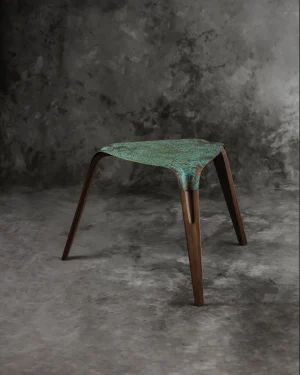
Azucena Side Table in Hammered Copper and Walnut
By Kresta Studio
€3.330 -
 In stock
Francisco Side Table in Argentine Rosewood
By Costantini Design
€3.002 This product has multiple variants. The options may be chosen on the product page -
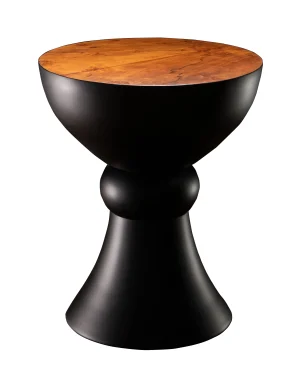
Caliz Side Table in Ebonized Wood and Walnut Burl
By Costantini Design
€2.893 -
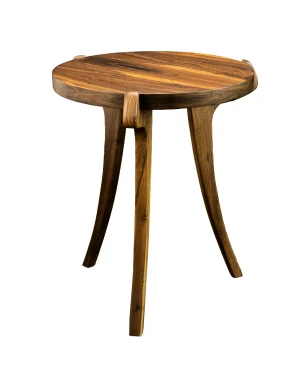 In stock
Uccello Side Table in Argentine Rosewood
By Costantini Design
€2.530 -
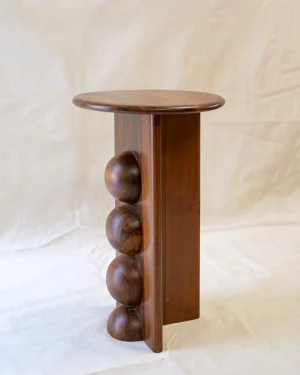
Nemo Side Table in Teak Wood
By Studio Indigene
€850 -
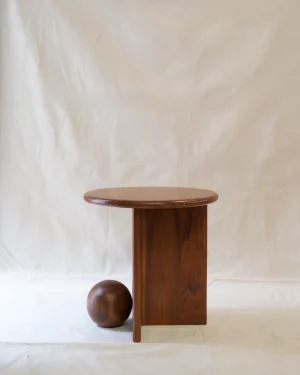
Dory Side Table in Teak Wood
By Studio Indigene
€850 -
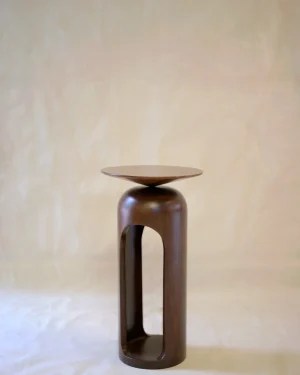
T Side Table in Reclaimed Teak Wood
By Studio Indigene
€950 -

Linea Side Table in Teak Wood
By Studio Indigene
€850 -
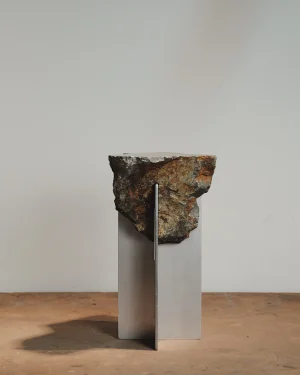
Hybrid Objects Side Table in Natural Stone and Aluminum
By Estudio Material
Price Upon Request -
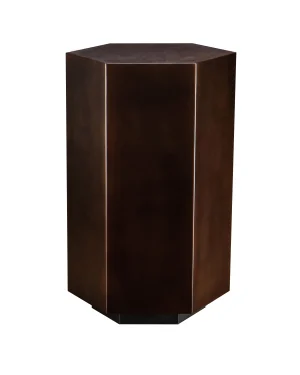 Sold
SoldEttore Side Table in Patinated Steel
By Costantini Design
€2.640
Brown side tables bring warmth and material depth into a room, drawing on oak, walnut, ash, teak, and other hardwoods, along with cork and warm-toned glass, worked by studios practicing wood and cabinetmaking, wood carving, and glassblowing. The color runs from pale honey to near-black walnut, and it reads differently depending on grain, finish, and light. These are pieces built to sit beside a sofa or bed for years, gaining color and character rather than losing it.
What makes a side table brown
Brown in furniture almost always comes from wood, though cork and smoked or amber glass carry it too. Oak leans golden and shows a loose, open grain; walnut runs darker and tighter, with a chocolate tone that can shift toward purple in certain light; ash falls somewhere between, pale but warm. Each board ages as it is handled and exposed to daylight, deepening slightly over time, which is part of why wood furniture rarely looks static in a room.
The range of materials and techniques
Within brown side tables, construction varies as much as the wood species. Some pieces come from cabinetmaking traditions, joined and finished by hand; others are turned or carved to expose the grain as sculpture rather than disguise it with a flat surface. Cork pieces, lighter and more matte, bring a softer, more muted brown and a texture unlike any hardwood. Mouth-blown or cast glass in smoked and amber tones offers a translucent alternative to solid wood, letting light pass through rather than absorbing it.
Styles range as widely as the materials. A side table might sit close to Mid-Century Modern, with tapered legs and a raised profile, or lean rustic, with visible joinery and a heavier stance. Others take a Brutalist or sculptural approach, letting the material's weight and mass speak for itself, while minimalist and contemporary pieces reduce the form to little more than a plane and a support. Editions vary too: some tables come from open runs, others are made in limited editions or as unique pieces, so a maker's hand stays visible in the variation from one table to the next.
How to choose a brown side table
Start with height relative to the seating or bed it will serve. A side table usually sits level with or slightly below the arm of a sofa, so a reading lamp or a cup stays within easy reach. Scale matters as much as height: a slim profile works beside a narrow armchair, while a heavier, broader base can anchor a larger sofa or stand alone against a wall.
Finish affects how the piece lives day to day. An oiled or waxed wood surface shows marks and handling more readily, and needs periodic reconditioning to stay even, while a sealed or lacquered surface resists moisture and daily wear with little upkeep. Glass tops call for coasters, since condensation rings can etch themselves into certain finishes over time.
Where brown side tables work
Living rooms, bedrooms, and entryways all suit brown side tables, where the wood tone grounds brighter upholstery or pairs with other natural materials nearby. In a reading corner, a wooden table beside an armchair holds a lamp and a stack of books without competing with either. Near an entry, a smaller table offers a place to set down keys or a bag before moving further into the room, and entryway side tables are worth a look for that spot specifically.
For more wood-focused options across finishes and species, wooden side tables cover the broader material range, while all side tables show the full set of colors and forms beyond brown. The complete range of brown pieces across lighting, seating, and storage appears under every brown piece on ADORNO, useful for matching tone across a room rather than a single table.
Care for wood and glass finishes
Keep wooden pieces out of direct, sustained sunlight, which can fade or unevenly darken a finish over time. Dust with a dry or barely damp cloth, and avoid standing water, which raises grain and can leave marks on oiled surfaces. Glass tables need only a soft cloth and a standard glass cleaner, applied without excess liquid pooling at any joints or seams.
How do I choose a brown side table?
Start with the wood tone and grain, since these carry the brown color, then match the finish to nearby furniture. Consider how the surface pairs with existing flooring, cabinetry, or leather before settling on a piece.
What gives side tables their brown color?
Most brown side tables take their color from wood species such as teak or ash, where natural grain and tannins set the tone. Some pieces use stained finishes or patinated metal to reach similar warm, earthy shades.
How do I care for a brown wood side table?
Wipe with a dry or slightly damp cloth, keep it away from direct heat and prolonged sunlight, and avoid standing water. Occasional oiling or waxing keeps wood grain fed and the surface resistant to small marks.
What height and size should a side table be?
Most side tables sit close to arm height on a sofa or just below mattress height for a bed, usually between 20 and 26 inches tall. Measure your seating or bedframe first so the top sits within easy reach.
Which rooms suit a brown side table?
Brown reads naturally in living rooms, bedrooms, and reading corners, where it grounds a seating arrangement or supports a lamp. The tone works equally well against pale walls or richer, saturated color schemes.
What are ADORNO's shipping and return policies?
Shipping is insured and worldwide. Returns are accepted within 14 days, except for made-to-order pieces. Each table arrives with a certificate of authenticity, and ADORNO offers a lowest-price guarantee.