-
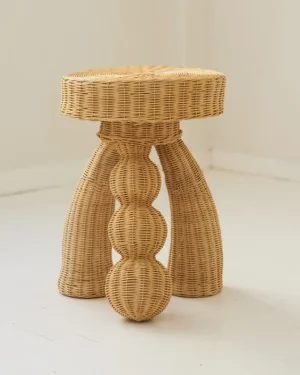 In stock
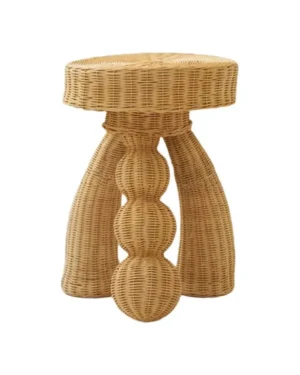
Pupa Side Table in Woven Rattan and Metal
By LØRDAG & SØNDAG
€845 -
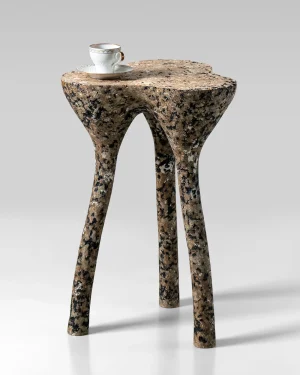 In stock
Beige Tripod Low Side Table In Paper Pulp And Cement
By Donatas Žukauskas
€1.150 -
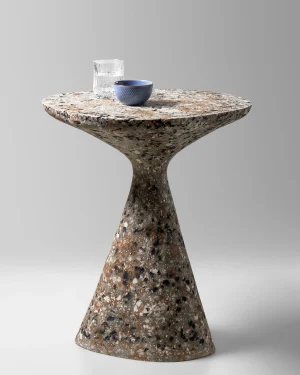
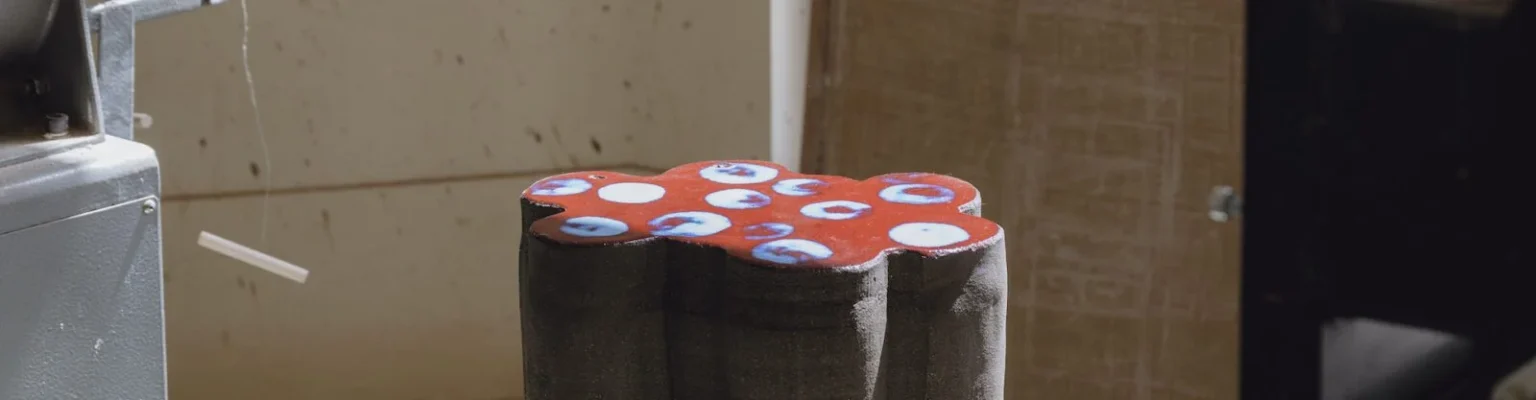
Beige Mottled Side Table In Paper Pulp And Cement
By Donatas Žukauskas
€1.100 -

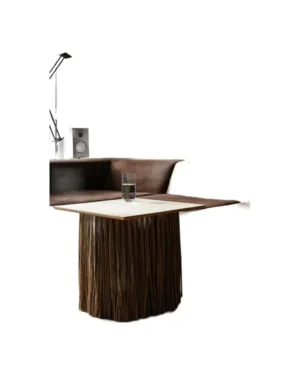
Coklat Side Table in Teak and Sungkai Wood
By STUDIO KALLANG
€1.450 -
 In stock
Sensitive Wood Side Table in Oak Wood
By Vital Lainé
€1.700 -

Black Still Column Side Table in Paper Pulp, Cement and Oak
By Donatas Žukauskas
€1.550 -

Ettore Sottsass Side Table in Wood Veneer
By Petra Madalena
€1.600 -

Coklat XL Side Table in Teak and Sungkai Wood
By STUDIO KALLANG
€2.735 -
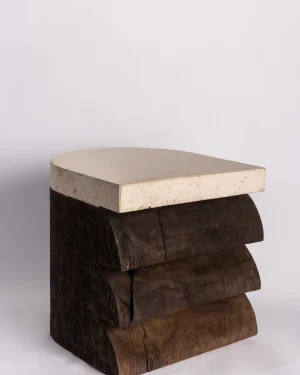
Durmiente Side Table in Reclaimed Wood and Cement
By Daniel Orozco Estudio
€1.218 -
 In stock
Francisco Side Table in Argentine Rosewood
By Costantini Design
€3.002 -
 In stock
Clariss Side Table in Argentine Rosewood
By Costantini Design
€2.672 -
 In stock
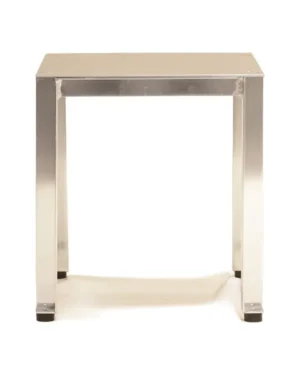
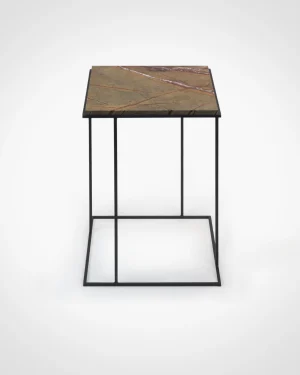
Frame Side Table in Rain Forest Brown Marble
By DFdesignLab
€430 -
 In stock
Moon Side Table
By Gábor Góbi
€1.890 -
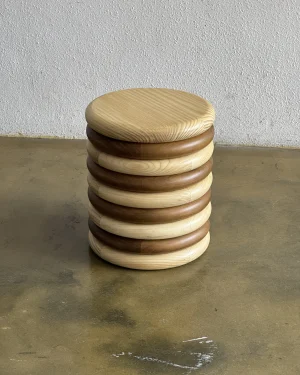
Hilu Side Table in Teak and Sungkai Wood
By STUDIO KALLANG
€1.490
Beige and brown side tables take their color from the material itself: travertine with its warm veining, white oak and walnut left in natural tones, cast concrete pigmented to a sandy gray-brown, bronze and aged steel that darken instead of fading. Studios working in stone carving, cabinetmaking, concrete casting, and metalwork build these pieces so the surface does the talking, with little or no applied color. The result sits close to Minimalist, Brutalist, Mid-Century Modern, and Contemporary furniture, where tone comes from the material, not a finish coat.
What defines the color in these pieces
Beige and brown are not painted onto a table; they come from the raw material reaching a room in close to its working state. Travertine and limestone carry ochre and tan through their grain, teak and walnut deepen with age and light, and raw or lightly sealed concrete settles into a warm gray-brown over months of handling. Even bronze and brass, left unlacquered, drift from gold toward umber as they oxidize.
Materials and techniques behind beige and brown side tables
Across the full range of side tables on ADORNO, beige and brown appear most often in stone, teak, oak, concrete, and metal, worked through a handful of recurring techniques:
- Stone carved or hand-built into solid or stacked forms, where veining and pitting stay visible
- Teak and oak joined through cabinetmaking, often left oiled rather than lacquered
- Concrete cast with mineral pigment, sometimes paired with recycled aggregate for a sustainable approach
- Brass, bronze, and steel shaped through metalwork, sealed or left to patina on their own
Editions run from open runs, where a studio keeps a design in ongoing production, to unique pieces finished by hand, each one carrying small variations in grain, pour, or weld. Neolithic-leaning and biophilic pieces in this tone tend to favor rough, unfinished surfaces over polish.
How to choose a beige and brown side table
Start with height: a side table should sit close to the arm of a sofa or the top of a mattress, usually within an inch or two, so a lamp or a cup stays within easy reach. Scale matters as much as color; a slab of travertine reads heavy even in beige, while a slim metal frame in the same tone stays visually light.
Finish changes how the color behaves in a room. Honed stone and matte concrete absorb light and sit quietly against walls, while oiled wood and warm bronze pick up reflections and read as more active. If the table will carry a lamp or stack of books, a wider or denser top, such as stone or cast concrete, carries that weight with less flex than a thin wood or metal design.
Where beige and brown side tables work
These tones suit rooms built around warm, layered palettes: a living room with linen upholstery, a bedroom with wood flooring, a reading corner framed by a single lamp. Beige and brown side tables tend to recede rather than compete, which makes them useful next to a patterned rug or a piece of sculpture that needs the attention. In an entryway, a low stone or wood table in these tones holds keys and trays without adding visual weight; see the options built specifically for that spot among entryway side tables. For a bedside table, a wooden side table in walnut or oak often suits a room already carrying wood flooring or bed frames, while a metal side table in bronze or aged steel adds contrast against softer textiles.
Caring for stone, wood, and metal in these tones
Stone such as travertine and limestone stains under acidic liquids, so wine, citrus, and coffee rings should be wiped up quickly and the surface resealed on a regular schedule. Wood holds its color best away from direct sun and with occasional oiling, which keeps the grain from drying and cracking. Unlacquered metal will continue to darken and oxidize with handling; wiping it dry after contact with moisture slows this process, though many owners let the patina develop on purpose. Concrete can show hairline crazing over time, which is part of how the material ages rather than a flaw to correct.
For the wider palette these pieces belong to, every beige and brown design across the gallery, not only side tables, sits together on the beige and brown color page.
How do I choose a beige and brown side table?
Let the room's existing tones guide the choice: warm wood and stone bodies in beige and brown sit well against neutral walls, while a contrasting metal base adds definition next to a sofa or bed.
What materials are beige and brown side tables made from?
Most are wood, stone, or concrete, sometimes paired with metal legs or a marble top, chosen for the natural variation that gives beige and brown tones their depth.
How do I care for a beige and brown side table?
Wipe wood and stone surfaces with a dry or barely damp cloth, keep marble away from acidic spills, and avoid direct sun, which can fade beige tones unevenly over time.
What size and height should a side table be?
A side table usually sits level with or just below the arm of a sofa or the top of a mattress, typically between 18 and 26 inches, so it stays within easy reach.
Which rooms suit beige and brown side tables?
Their warm, neutral tones work in living rooms beside sofas, in bedrooms as nightstands, and in entryways, where they read as grounded rather than decorative.
Does ADORNO offer worldwide shipping, returns, and authenticity guarantees?
Shipping is insured and worldwide. Returns are accepted within 14 days, except made-to-order pieces, and every piece includes a certificate of authenticity along with a lowest-price guarantee.