
-

Stack 131 – Raw Aluminium
By studio MOTO
€3.360 -

Stack 088 – Raw Aluminium Shelf
By studio MOTO
€3.920 -

Stack 051 – Raw Aluminium
By studio MOTO
€1.390 -
 In stock
Enclave Shelving Unit
By Arbore x Cezar Moldovan
€18.450 -
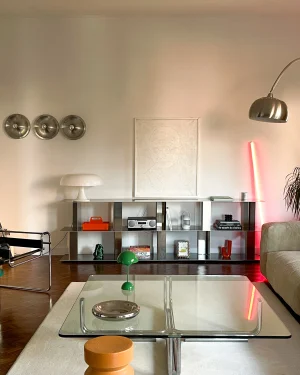
Stack 086
By studio MOTO
€2.725 -

Stack 127 – Raw Aluminium
By studio MOTO
€5.590 -

Stack 029 – Raw Aluminium Shelf
By studio MOTO
€3.760 -
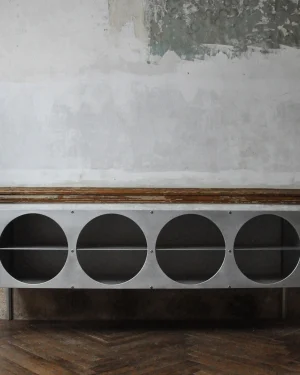
D400 Console – Matte Aluminium
By MLK Furniture
€4.700 -

Stack 175 – Raw Aluminium Shelf
By studio MOTO
€5.830 -
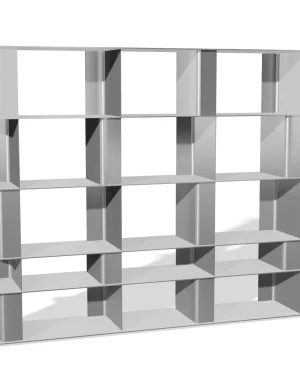
Stack 246 – Raw Modular Aluminium Shelf
By studio MOTO
€4.780 -
 In stock
Danae Room Divider
By Hasik Design Studio
€6.800 -

Stack 021 – Raw Aluminium
By studio MOTO
€5.890 -
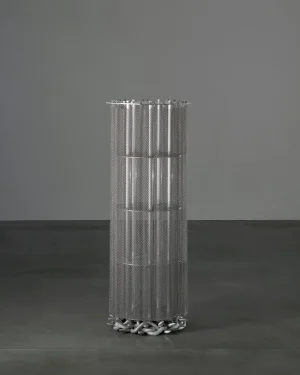
Natrix Natrix Bar Cabinet
By Mantas Lesauskas
€8.000 -
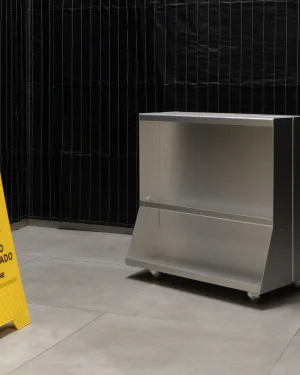 In stock
Bar Cart – Sandblasted Aluminum
By andykim.global
€1.850 -
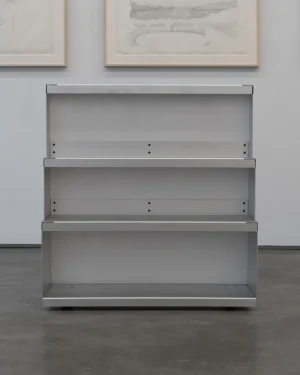 In stock
Aluminum Book Cart
By andykim.global
€2.595 -
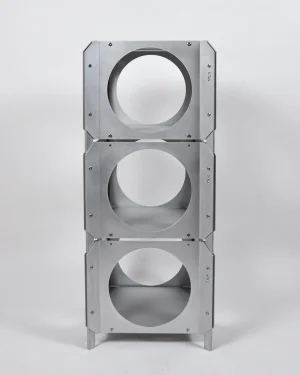
D300 Shelves – Matte Aluminum
By MLK Furniture
€860 - €3.160 This product has multiple variants. The options may be chosen on the product page -
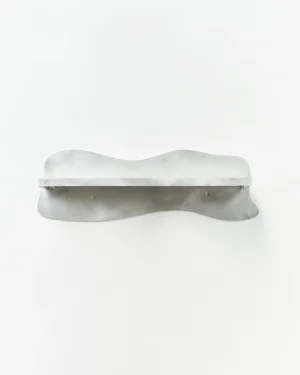
Aluminum Wave Shelf
By Six Dots Design
€84 - €420 This product has multiple variants. The options may be chosen on the product page -
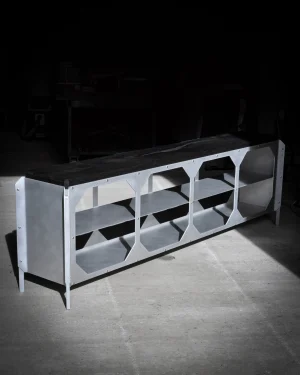
Jnk540 Console – Matte Aluminium / Ebonized Oak Wood
By MLK Furniture
€7.200 -
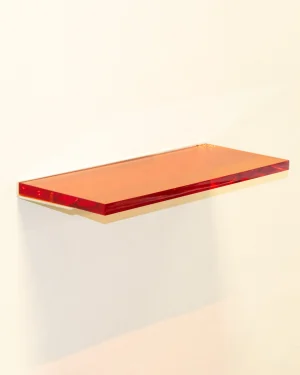
Acrilar – Acrylic Shelf
By Luiz Solano
€300 - €700 This product has multiple variants. The options may be chosen on the product page -
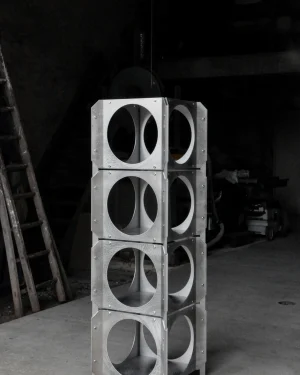 In stock
D300 Shelves “zebra Edition” – Matte Aluminum
By MLK Furniture
€3.960 -
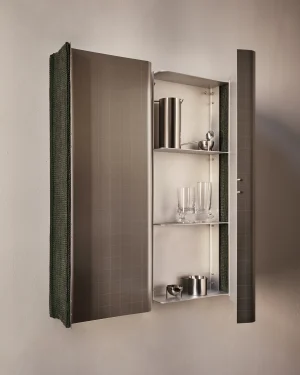 In stock
Plĭco – Wall Cabinet
By Atelier Nuanda
€6.250 -
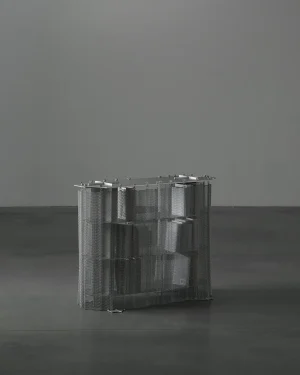
T Sw – Small Book Shelf
By Mantas Lesauskas
€6.700 -

Trama – Cast Aluminum Bookcase
By Joana Teixeira
€11.580 -
 In stock
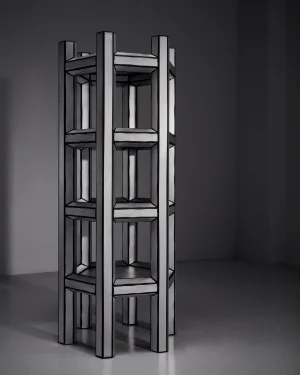
Hex – Aluminum & Steel Shelf
By STUDIO GUILTY
€13.223 -
 In stock
Low Storage Shoe Rack With Wheels
By andykim.global
€3.000 -

Velora Ii Shelving – Omareli
By Toro Manifesto
€6.165 -
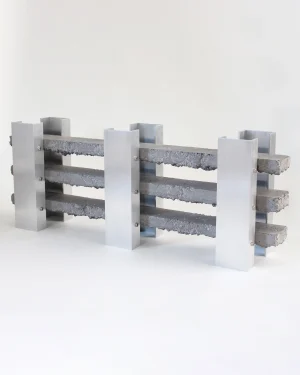
Junction Low Table & Shelves
By Lisanne Meester
€1.399 -
 In stock
Velora I Shelving – Omareli
By Toro Manifesto
€5.280 -
 In stock
Sampa Shelf
By studiomakuko.com
€750 -
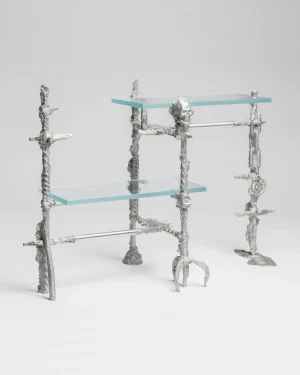
Ballet – Aluminum & Glass Shelf
By Vilius Dringelis
Price Upon Request -

Round Off – Shelves
By Mike Wirthensohn
€7.777 This product has multiple variants. The options may be chosen on the product page -
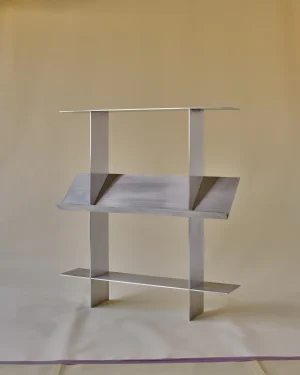 Sold
SoldDomino Bookshelf In Aluminum
By Mock Studio
€5.000 -
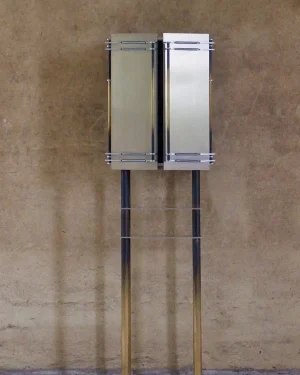
Tabernaculum – Aluminum & Brass Cabinet
By Hasik Design Studio
-
 Sold
SoldAluminum Wall Shelf
By Six Dots Design
€145 -
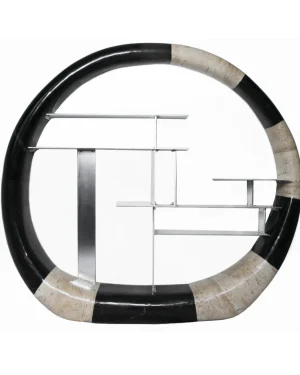
Asymmetric Stone Ring Shelf
By Panorammma Atelier
€12.000 - €19.900 This product has multiple variants. The options may be chosen on the product page
Aluminum shelves are built from a metal that is light to lift yet stiff enough to span a wall without sagging, shaped by studios working in sheet aluminum, cast aluminum and welded metal. Some pieces are cut and bent from a single sheet, others are sand cast into thicker, sculptural forms, and a few come from studios running small batches rather than open production. What unites them is a cool, even surface that reads as industrial or architectural depending on how it is finished.
What defines aluminum as a shelving material
Aluminum does not rust the way steel does; instead it forms a thin oxide layer that protects it from corrosion, which is part of why the metal suits open, unglazed shelving. It is roughly a third the weight of steel for a similar thickness, so long spans and cantilevered brackets are possible without heavy bracing. Left raw, it carries a soft, brushed sheen; anodized or powder coated, it can be pushed toward matte black, frosted silver or beige, depending on the studio's process.
The range of finishes, forms and editions
Within aluminum shelving, the material shows up in several related forms, often paired with other metals, oak, walnut, glass or brass for contrast. The styles on offer span neo-industrial frameworks with exposed joints, brutalist blocks left honest about their casting, and quieter minimalist or contemporary units that disappear into a wall. Techniques range from laser cutting and welding, which favor crisp, geometric lines, to sand casting and digital fabrication, which allow for heavier, more sculptural shapes.
- Open editions, produced as ongoing runs rather than fixed numbers
- Limited editions, released in small, numbered runs
- Unique pieces, made as one-offs and not repeated
For a broader look at the metal across other kinds of furniture, every aluminum piece on ADORNO sits in one place, and the full range of shelving, in every material, is gathered under all shelves.
How to choose an aluminum shelf
Start with scale: a single floating shelf asks little of a room, while a tall bookcase or modular wall system changes how the space reads from across it. Mounting height depends on use, lower for a console-style display within reach, higher for storage that sits above sightlines. Finish matters as much as form; a raw or brushed surface picks up ambient light and suits rooms with other exposed metal, while a powder-coated or anodized piece in black, beige or off-white can sit more quietly against painted walls. If the material palette of a room leans toward oak or walnut, metal shelving in aluminum or cast aluminum can work as a counterpoint rather than a match, and those browsing wood-first interiors may want to compare wooden shelves alongside it.
Where these shelves work
Aluminum's resistance to moisture and its light weight make it suited to places where wood might swell or warp: bathrooms, kitchens and laundry areas benefit from a surface that does not need sealing. The same lightness makes it practical for entryways and hallways, where a slim shelf can hold keys, mail or a single object without the visual weight of a cabinet; hallway shelves cover that use directly. In living rooms and studies, a more sculptural cast or welded piece can stand in for a bookcase, carrying weight without bulk, while in workspaces, a neo-industrial or futuristic frame in metal shelves reads as deliberate rather than makeshift.
Caring for aluminum shelving
Aluminum needs little upkeep: a damp cloth removes dust and most marks, and mild soap handles grease without affecting the finish. Abrasive pads or strong solvents can dull an anodized or powder-coated surface, so a soft cloth is enough for regular cleaning. Raw or brushed aluminum may show fine scratches over years of use, which tend to blend into the brushed texture rather than stand out, keeping the shelf looking consistent rather than aged.
How do I choose an aluminum shelf?
Consider wall load, finish, and how much visual weight the room can take. A thin, bent sheet reads as light and linear, while cast or welded forms carry more presence and support heavier objects.
How do you care for aluminum shelves?
Wipe with a soft, damp cloth and mild soap. Aluminum does not rust, resists moisture well, and keeps its finish with little upkeep beyond occasional dusting.
What size and height should a shelf be?
Shelf height depends on use: eye level for display, lower for daily objects, and higher runs for bookcases. Aluminum's strength-to-weight ratio allows longer spans with slimmer profiles than heavier metals.
Which rooms suit aluminum shelves?
Their resistance to moisture and corrosion makes aluminum shelves a sound choice for kitchens and bathrooms, while their clean lines also work well in living rooms, offices, and hallways.
Does ADORNO ship aluminum shelves worldwide?
Yes, shipping is insured and worldwide. Returns are accepted within 14 days, though made-to-order pieces are excluded from this policy.
Can I order a custom aluminum shelf through ADORNO?
Some makers accept custom requests on finish, size, or configuration. Use Chat with the maker on the piece's page to confirm options directly with the studio.