
-

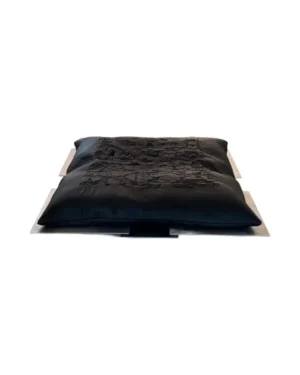
Alice – Cloud Sofa
By Joana Teixeira
€6.850 -

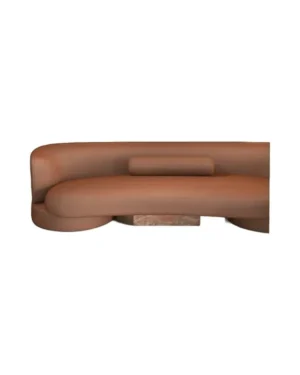
Encantaria Sofa
By Estudio Leonardo Zanatta
€16.000 -
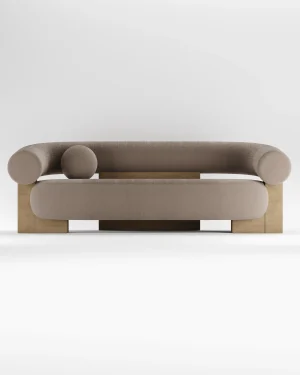
Cassette – Upholstered Sofa
By Alter Ego Studio
€9.950 -
 In stock
Kafka Sofa
By Arbore x Cezar Moldovan
€16.200 -
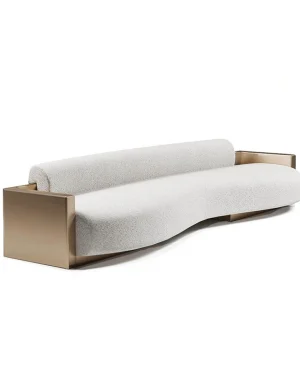
Assembly Sofa
By Alter Ego Studio
€8.890 - €9.650 This product has multiple variants. The options may be chosen on the product page -
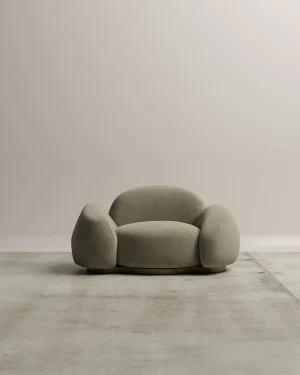
Bruto – Upholstered Sofa
By Joana Teixeira
€3.340 This product has multiple variants. The options may be chosen on the product page -
 In stock
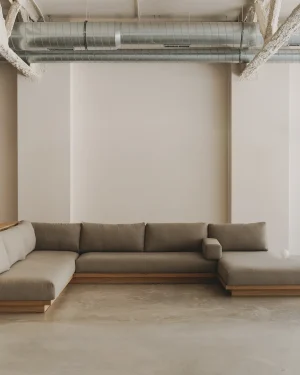
Margarita Sofa
By Mike Hausmann
€25.000 -

Kanz Modular Sofa – White
By hermhaus
€2.000 - €9.250 This product has multiple variants. The options may be chosen on the product page -
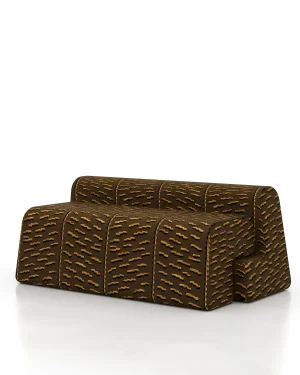
Valun Sofa
By FURN OBJECT
€6.500 -
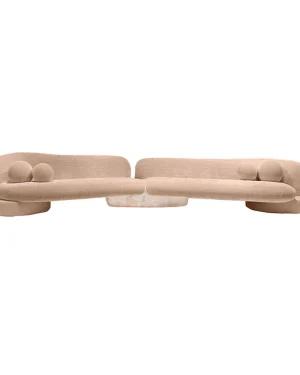
Mode Sofa – Modular
By Alter Ego Studio
€12.200 - €14.900 This product has multiple variants. The options may be chosen on the product page -
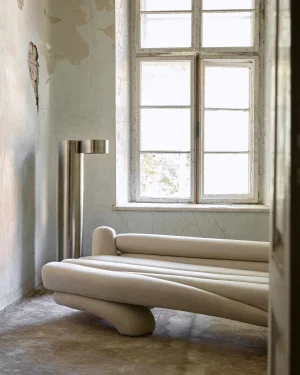
Viter Sofa
By ZEMNA
€10.900 -
 In stock
Lola Sofa
By Heaps & Woods
€5.850 - €6.250 This product has multiple variants. The options may be chosen on the product page -

Kasa Sofa
By Vincent Mazenauer
€17.600 -
 In stock
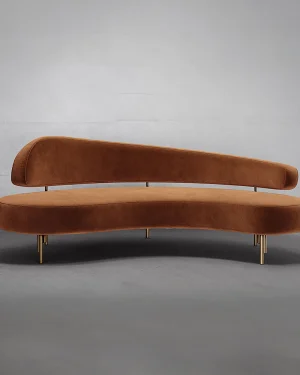
Sitiera_01 Velvet Upholstered 3-seater Sofa With Aged Bronze Legs
By ANDEAN
€10.285 This product has multiple variants. The options may be chosen on the product page -
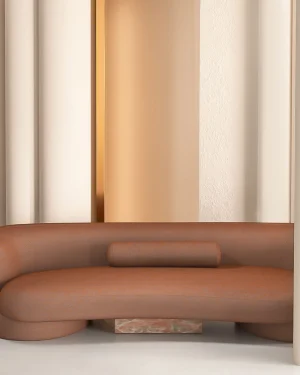
Mode Soafe
By Alter Ego Studio
€8.600 This product has multiple variants. The options may be chosen on the product page -

Prowling Sofa
By FURN OBJECT
€4.800 This product has multiple variants. The options may be chosen on the product page -
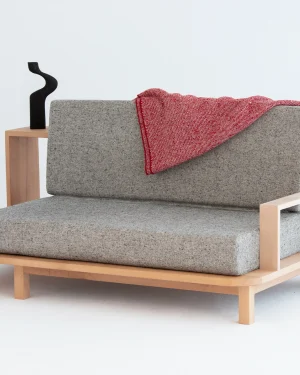
Platform Sofa
By Studio Yann Gandon
Price Upon Request
Minimalist sofas reduce seating to its essential parts: a frame, a cushion line, a single plane of cover that reads as one volume rather than a stack of pillows and trim. Studios working in this register favor oak, walnut and beech frames left visible at the leg, paired with taut wool, linen or leather upholstery that shows no piping, no buttons, no skirting. What remains is proportion and material, carrying the room without ornament to lean on.
What defines a minimalist sofa
The silhouette sits low and square, with arms that are often no more than an extension of the back rather than a separate shape. Seams are kept to a minimum, and where they exist they follow the frame rather than decorate it. Wood legs, when exposed, are left square or slightly tapered, finished to show the grain rather than disguise it.
Color stays close to the material itself: off-white and beige wools, black and brown leathers, pale oak or walnut left raw or oiled. Where a frame is metalwork rather than wood, it tends toward stainless steel or a bronze-toned finish, kept thin so it reads as a line rather than a mass.
The materials and techniques found across the range
On ADORNO, sofas in this style are built through a handful of recurring techniques, each suited to a different feel underfoot and at the arm:
- Upholstery and textilework in wool, linen or cotton blends, stretched flat over foam or webbing
- Leatherwork in full-grain or aniline hides, left to soften and mark with use
- Wood and cabinetmaking in oak, walnut, beech or reclaimed timber for exposed frames and legs
- Metalwork in stainless steel or bronze-finished tube for slimmer, lower profiles
Most pieces come as open editions, made to a standing design rather than a one-off run, though limited editions and occasional unique pieces appear where a studio works in smaller batches or hand-finishes each frame. The full range of pieces built in this style, across materials and studios, sits under every minimalist piece on ADORNO.
Choosing scale, height and placement
Because these sofas carry so little visual weight, proportion matters more than it does on a heavily upholstered piece. A seat height under eighteen inches reads as grounded in a low-ceilinged room, while a slightly higher frame suits a room with more volume above it. Depth should match how the piece will be used: a shallower seat holds an upright posture for a study or hallway nook, a deeper one invites lounging in a living room.
Leave enough floor visible around the base, particularly where legs are exposed, so the frame keeps its line rather than disappearing into a rug or a run of cabinetry. A single, unbroken wall or a low window sill behind the backrest tends to suit the flat plane of these sofas better than a busy gallery wall.
Rooms these sofas suit
Living rooms are the obvious setting, and a living room sofa built this way anchors a seating group without competing with art, shelving or a rug pattern. The same restraint works in a study, a loft with open sightlines, or a bedroom used for reading, where a lower, narrower frame takes up less visual space than a conventional three-seater.
Caring for textile, leather and wood
Wool and linen covers benefit from regular vacuuming and occasional rotation of loose cushions to even out wear. Leather should be kept from direct, sustained sun, which dries and lightens the hide unevenly, and wiped rather than scrubbed when marked. Oak, walnut and beech frames darken slightly with age and light exposure; a light wax or oil, applied sparingly, keeps the wood from drying out without changing its color.
For sofas built from a particular base material rather than a particular style, the textile sofas and wooden sofas groupings narrow the choice further, and the full set of sofas on ADORNO covers every style working alongside this one.
How do I choose a minimalist sofa?
Look at frame and upholstery first: a clean silhouette, low arms or none, and one or two colors. Oak or beech frames with textile or leather upholstery hold that pared-back line best over time.
What materials are minimalist sofas made from and how do I care for them?
Frames tend to be oak, beech or walnut, upholstered in textile or leather. Vacuum textile regularly and keep it from direct sun, wipe leather with a dry cloth, and oil exposed wood legs once a year.
What size and seat height should a minimalist sofa be?
Minimalist sofas usually sit lower than traditional ones, with seat heights around 15 to 17 inches to keep the profile close to the floor. Exact dimensions vary by piece, so check the listing before buying.
Which rooms suit a minimalist sofa?
Their low lines and restrained color work well in living rooms, studios and open-plan spaces where the sofa should not compete with other furniture or art on the walls.
Can I order a custom size or fabric for a minimalist sofa?
Some makers offer custom sizing, fabric or wood options. Chat with the maker on the piece's page to confirm what is possible before ordering.
How does shipping, returns and authenticity work when buying through ADORNO?
Shipping is insured and worldwide. Returns are accepted within 14 days, except made-to-order pieces. Every purchase includes a certificate of authenticity, backed by a lowest-price guarantee.