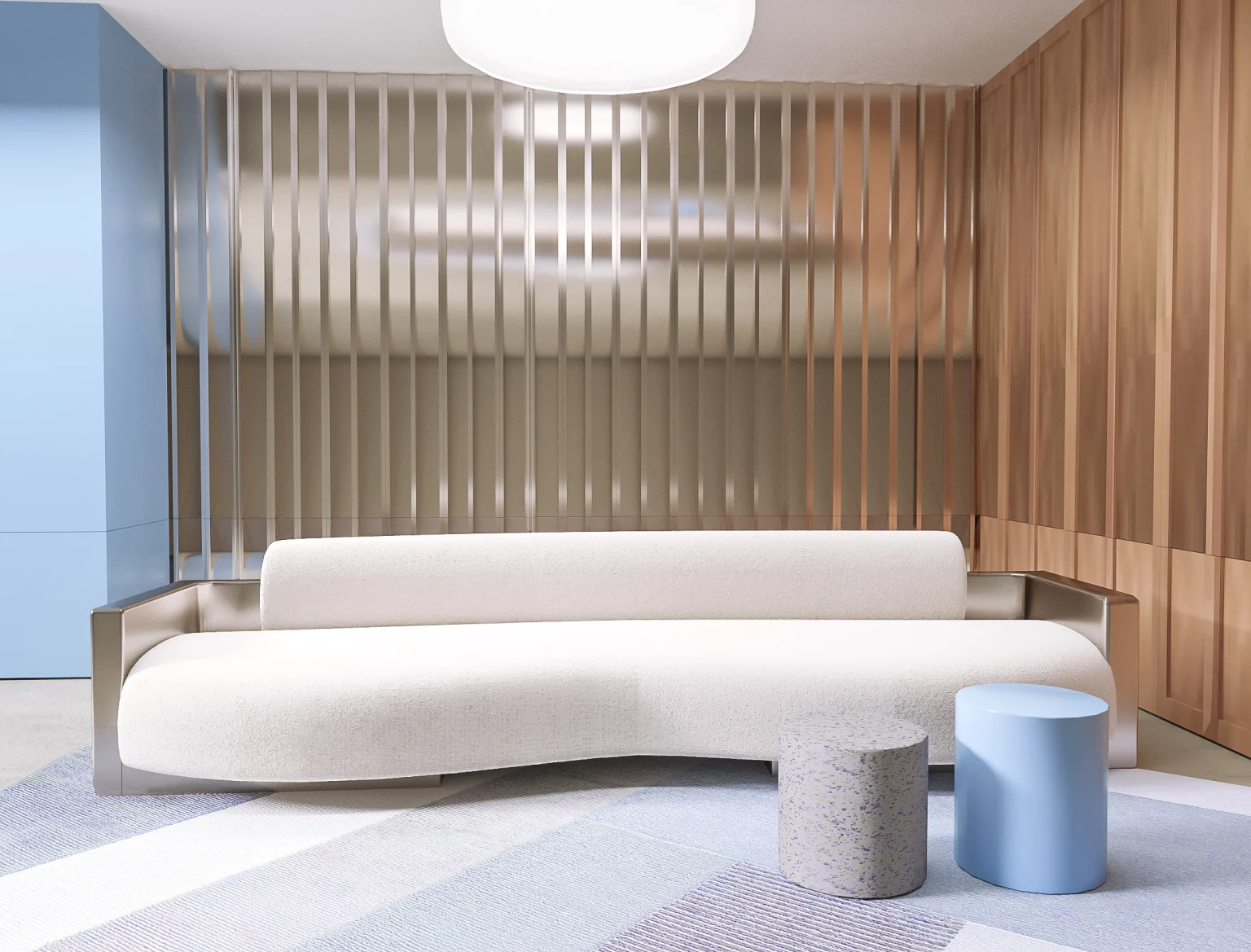
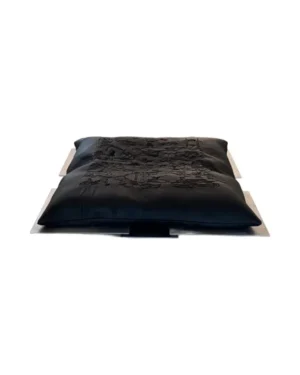
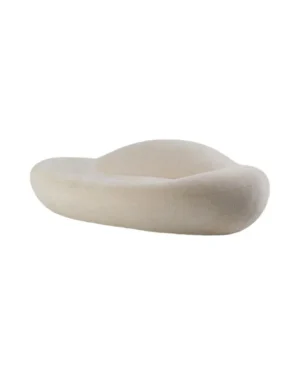
-
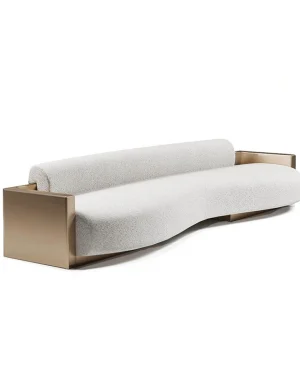
Assembly Sofa
By Alter Ego Studio
€8.890 - €9.650 This product has multiple variants. The options may be chosen on the product page -
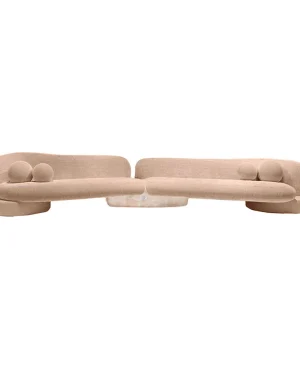
Mode Sofa – Modular
By Alter Ego Studio
€12.200 - €14.900 This product has multiple variants. The options may be chosen on the product page -

Encantaria Sofa
By Estudio Leonardo Zanatta
€16.000 -
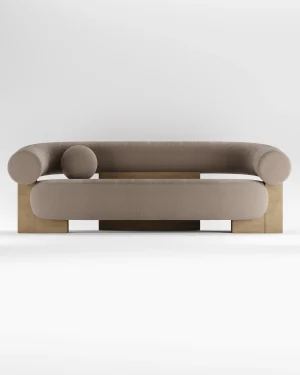
Cassette – Upholstered Sofa
By Alter Ego Studio
€9.950 -
 In stock
Kafka Sofa
By Arbore x Cezar Moldovan
€16.200 -
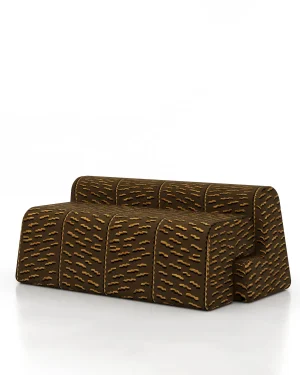
Valun Sofa
By FURN OBJECT
€6.500 -
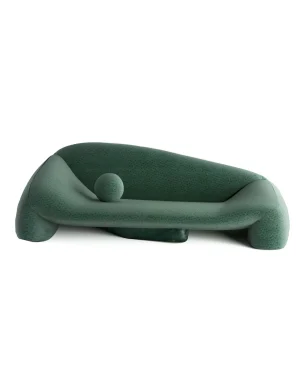
Jell – Asymmetric Sofa
By Alter Ego Studio
€8.550 - €13.800 This product has multiple variants. The options may be chosen on the product page -
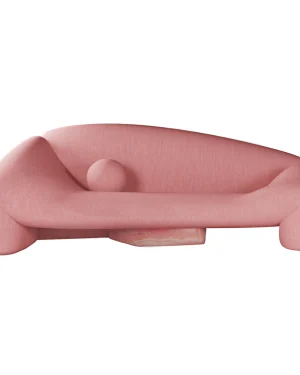
Jell – Asymmetric Sofa With Stone Finish
By Alter Ego Studio
€13.500 - €14.200 This product has multiple variants. The options may be chosen on the product page -

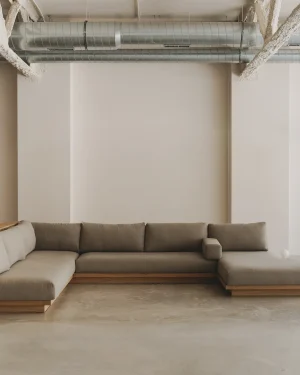
Lapis – Foam Daybed
By Pablo Octavio
€7.100 -
 In stock
Margarita Sofa
By Mike Hausmann
€25.000 -

Medaillon Sofa
By Boo Design Studio
€6.560 -

Marshmallow Sofa
By Deya
€5.180 -
 In stock
Lola Sofa
By Heaps & Woods
€5.850 - €6.250 This product has multiple variants. The options may be chosen on the product page -
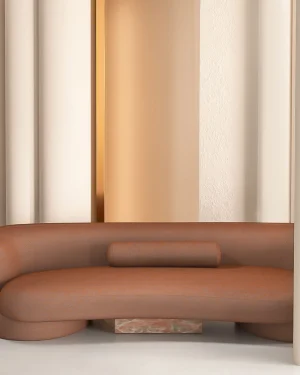
Mode Soafe
By Alter Ego Studio
€8.600 This product has multiple variants. The options may be chosen on the product page -
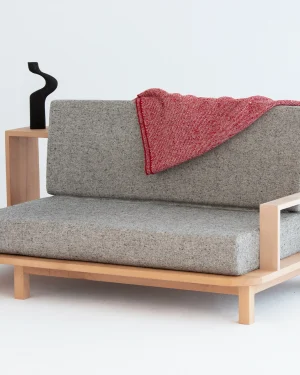
Platform Sofa
By Studio Yann Gandon
Price Upon Request -
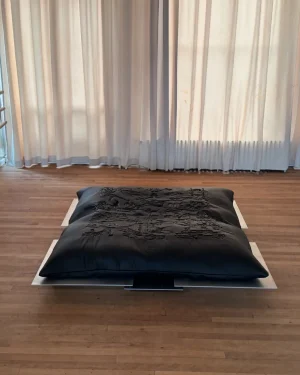 In stock
Hostile Daybed
By 304.cage
Price Upon Request
Contemporary sofas on ADORNO gather upholstered seating from studios working in textile, leather, oak, reclaimed wood, foam and stone, each piece built through upholstery, wood and cabinetmaking, leatherwork or metalwork rather than one house style. What holds the group together is a clear frame, an honest material and a silhouette that reads as current without chasing a single trend. Among all sofas on ADORNO, this is the style that favors clean lines over ornament and lets the material do most of the talking.
What makes a sofa read as contemporary
A contemporary sofa tends to show a low, wide profile, a frame that sits close to the floor and arms that are either absent, slim or fully upholstered into the body. Joinery and stitching stay visible rather than hidden, and the base, whether wood, metal or a plinth, is treated as part of the design rather than a support to disguise. Color plays a structural role here too: beige, black, brown and deep green recur because they let the shape of the piece carry the room rather than compete with it.
Materials, finishes and editions found here
Upholstery ranges from textile and leather to combinations of the two, often finished in beige and brown, black, blue or dark green and dark orange for pieces built to anchor a room rather than blend into it. Frames and legs draw on oak wood, other hardwoods and reclaimed timber, worked through cabinetmaking or marquetry, while rattan and woven elements bring texture through traditional weaving. Some bases carry through to stone, carved rather than cast, for sofas where weight and permanence matter as much as comfort.
Runs vary by studio and by piece: some sofas here are produced as open editions, others as limited editions in small numbers, and a few exist as unique pieces that will not be repeated once sold. None of this changes how the sofa performs day to day, but it does change how a piece is sourced and how long a particular cover or finish stays available.
Choosing scale, height and placement
Start with seat height and depth rather than overall style: a seat around 17 to 18 inches high and 20 to 24 inches deep suits most adults, while deeper, lower seats favor lounging over upright sitting. Measure doorways and stairwells before measuring the room, since a contemporary sofa's low profile often hides a wide, heavy frame that needs a clear path in. Leave enough clearance for walking around the piece and for a coffee table at a comfortable reach, rather than pushing every edge to the wall.
- Pair a textile or leather sofa with a wood or stone coffee table so the two materials read as a pair, not a match.
- Choose a darker upholstery color, such as black or dark green, where the sofa needs to hold its own against a bright or busy wall.
- Keep arm height and back height close to that of nearby seating so the room reads as one composition.
Where these sofas sit well
Living rooms remain the natural setting, where a contemporary sofa can sit as the main piece of furniture and set the tone for everything placed around it; see how this plays out across sofas built for the living room. The same lines work in studios, open-plan apartments and reading corners, anywhere a low, wide form can double as a place to sit, stretch out or receive guests without feeling formal.
Living with and caring for the material
Textile upholstery benefits from regular vacuuming and prompt blotting of spills, since left-in moisture can mark woven fibers permanently; pieces in this material are gathered under textile sofas. Leather wants an occasional wipe with a damp cloth and distance from direct heat, which otherwise dries and cracks the surface over time. Oak and other wood frames darken slightly and show light scuffing with age, both of which settle into patina rather than damage; wood-framed options sit together under wooden sofas. Stone bases should be sealed where the studio recommends it and kept away from acidic spills, which can etch the surface permanently. For the full range of contemporary pieces beyond seating, from lighting to tables, see every contemporary piece on ADORNO.
How do I choose a contemporary sofa?
Start with how the room is used and how much seating it needs, then look at frame and upholstery, since these decide how the sofa ages. Contemporary pieces favor clean lines, so proportion matters more than ornament.
What materials are contemporary sofas made from?
Most pair a wood or foam frame with textile or leather upholstery, finished through upholstery or leatherwork. Some studios use stone or reclaimed wood for bases, which adds weight and a different texture to the room.
How do I care for a textile or leather sofa?
Vacuum textile upholstery regularly and treat stains promptly with a damp cloth. Leather needs occasional conditioning to stop it drying out and should stay away from direct heat and sunlight.
What size and seat height should I look for?
Standard seat heights run between 17 and 19 inches, comfortable for most adults. Measure doorways and room layout first, since contemporary sofas often run low and long rather than tall and boxy.
Which rooms suit a contemporary sofa?
Living rooms and open-plan spaces suit them best, where clean lines can anchor the layout without crowding it. Some slimmer profiles also work well in studies or large bedrooms.
Does ADORNO ship these sofas worldwide and can I return one?
Yes, shipping is insured and worldwide. Pieces can be returned within 14 days, except made-to-order sofas, which are excluded from returns.
Can I order a custom size or fabric for my sofa?
Many studios take custom requests on size, fabric or finish. Chat with the maker on the piece's page to confirm what is possible.