
























-
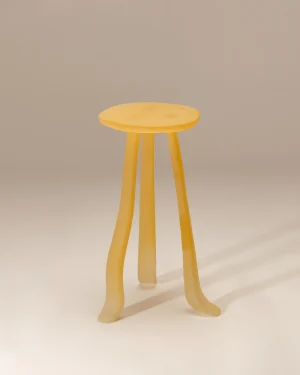
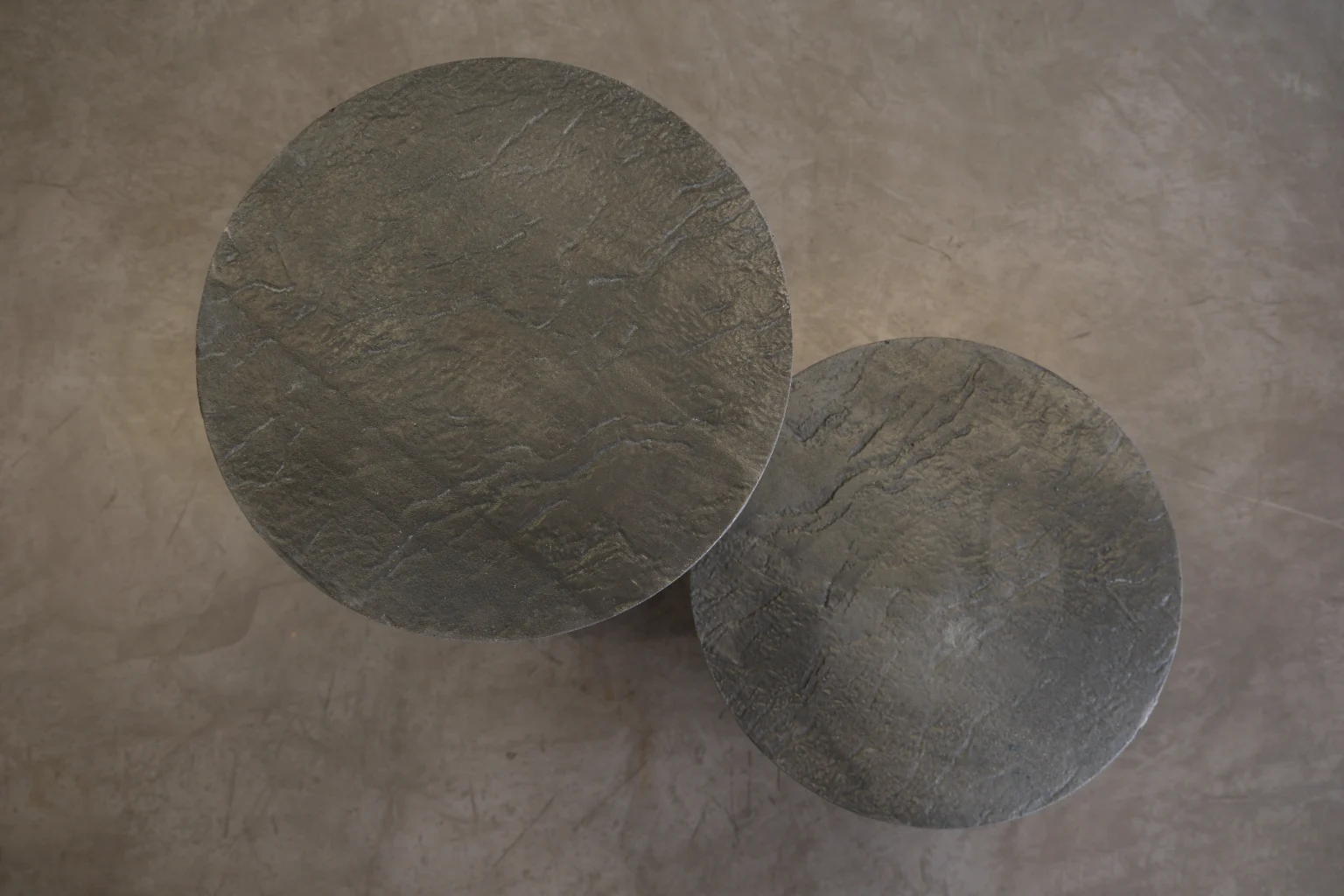
Lung 1.0 Honey Matte Side Table in Resin
By Szymon Keller
€2.200 - €2.400 This product has multiple variants. The options may be chosen on the product page -
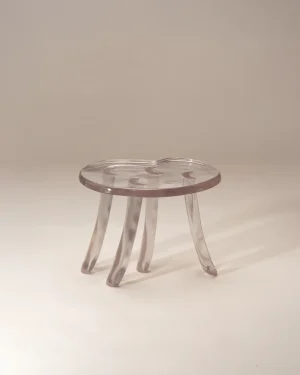
Lung 2.0 Side Table in Resin
By Szymon Keller
€3.180 -

Lung 2.0 Blue Side Table in Resin
By Szymon Keller
€3.180 This product has multiple variants. The options may be chosen on the product page -
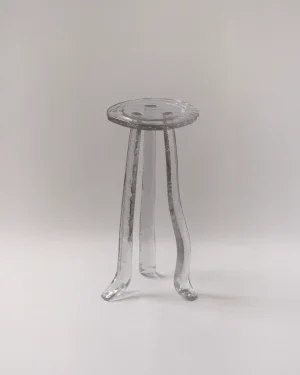
Lung 1.0 Side Table in Resin
By Szymon Keller
€2.000 - €2.400 This product has multiple variants. The options may be chosen on the product page -

Element Coffee Table V – Calacatta Viola
By Vincent Mazenauer
€11.500 -
 In stock
The Space Between Us Side Table in Resin and Volcanic Stone
By Toro Manifesto
€7.400 -

Element Coffee Table – Calacatta Viola
By Vincent Mazenauer
€10.500 -

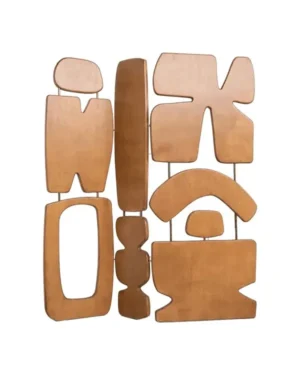
Ruins Totem
By Szymon Keller
€4.090 -

Element Console – Calacatta Viola
By Vincent Mazenauer
€12.000 -

Hark Side Table in Charred Pine Wood
By Sam Later
€3.607 -
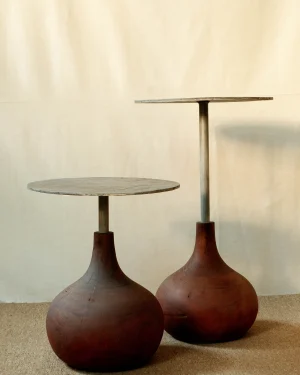
Matka Side Table in Wood and Cast Aluminum
By Spero Furniture
€970 - €1.943 This product has multiple variants. The options may be chosen on the product page -

Element Side Table in Calacatta Viola Marble
By Vincent Mazenauer
€5.500 -
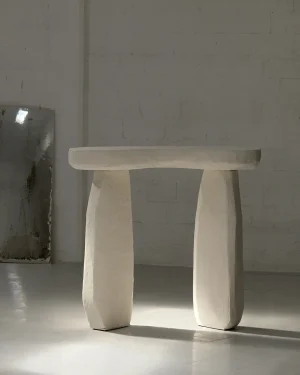
Ruins Console 1.0
By Szymon Keller
€5.528 -
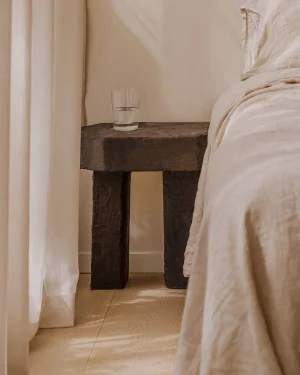
Ruins Side Table
By Szymon Keller
€3.546 -
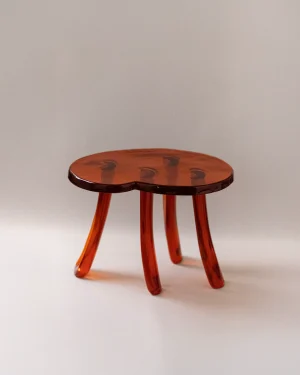
Lung 2.0 Amber Side Table in Resin
By Szymon Keller
€3.180 This product has multiple variants. The options may be chosen on the product page -
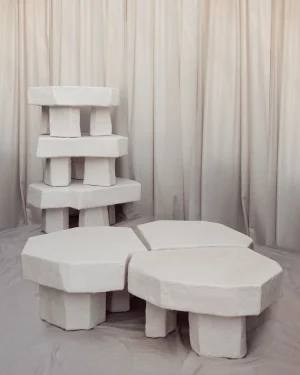
Ruins Coffee Table 3.0
By Szymon Keller
€6.455 -
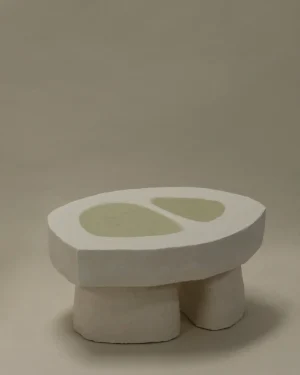
Ruins Coffee Table 2.0
By Szymon Keller
€3.546 -
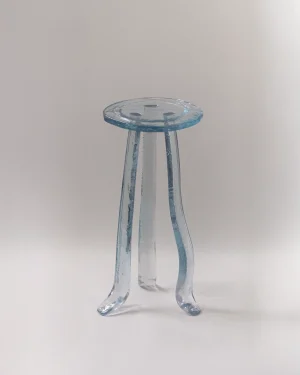
Lung 1.0 Blue Side Table in Resin
By Szymon Keller
€2.000 - €2.400 This product has multiple variants. The options may be chosen on the product page -

Lung 1.0 Amber Side Table in Resin
By Szymon Keller
€2.041 - €2.400 This product has multiple variants. The options may be chosen on the product page
Organic furniture takes its shapes from nature rather than from a grid, pieces that curve, swell or taper the way stones, shells and tree trunks do. Independent studios working in resin, marble, terracotta and wood build these forms through casting, carving, hand-building and charring, so no two edges fall in quite the same place. The result sits closer to sculpture than to standard furniture, built to hold its shape and its character over years of use.
What defines organic furniture
The defining trait is the line: no straight edge forced where a curve would sit more naturally, no symmetry for its own sake. A side table might echo a boulder, a chair back might follow the sweep of a shell, a stool might look poured rather than built. Studios reach these forms by working with the material's own behavior, letting resin pool, clay fold, wood warp or stone wear along its natural grain.
Materials, finishes and techniques found here
Resin pieces are cast, often in transparent or crimson tones that let light pass through the body of a stool or low table. Marble and Calacatta marble are carved and polished, cold to the touch and marked by the veining particular to each block, while terracotta is hand-built and fired, warm in color and slightly porous. Wood appears as pine, or charred through the Japanese technique of shou sugi ban, which blackens the surface and makes it more resistant to insects and rot. Finishes run from matte black and silver to sky blue and deep green, and styles stretch from wabi-sabi and brutalist to art deco and sustainable, depending on how a studio treats the base material.
- Cast resin, poured or molded into continuous curves
- Carved marble and stone, each slab veined differently
- Hand-built terracotta, fired for structure and warmth
- Charred or pine wood, worked with cabinetmaking joinery
Editions vary by studio: some pieces are produced in open runs, others as limited editions or unique pieces, since hand forming and carving rarely repeat identically.
How to choose organic furniture
Scale first: an organic form reads larger than a boxy one of the same footprint, so measure the space it will occupy with some clearance around it, not just its width and depth. Height matters for seating and side tables, where a few centimeters change how a piece relates to a sofa arm or reading chair. Consider finish next; matte surfaces resist fingerprints and show wear more gently than polished stone or glossy resin, which stay cleaner looking but mark more visibly. Placement decides more than anything else, since these pieces tend to hold a room's attention, so they work best with open floor around them rather than pressed against other furniture.
Where it suits a room
A carved stone stool or a resin side table anchors a living room seating group without matching anything else in it, the irregular form reading as a single object rather than part of a set. In a bedroom, an organic chair or bench softens the straight lines of a bed frame and wardrobe. Dining spaces take well to one sculptural piece, a terracotta stool or a burnt-wood bench, set apart from a plainer set of chairs. In rooms built mostly from straight edges, pairing a single organic form with wooden furniture or minimalist furniture keeps the contrast legible instead of competing for attention.
Care
Marble stains under acid and oil, so wipe spills promptly and avoid placing citrus, wine or vinegar directly on an unsealed surface. Terracotta is porous and can chip at its edges, best kept away from damp floors and heavy daily impact. Charred wood sheds a little dark residue until the surface settles, so handle new pieces with care before they are set into daily use; resin wants no abrasive cleaners, just a soft cloth and mild soap to keep its clarity or color from clouding.
For comparison across other rooms, the full range of organic shapes spans lighting, tableware and décor as well as seating. Within furniture alone, the organic tables and all furniture pages are useful starting points for pieces that share this same attention to natural form.
How do I choose an organic furniture piece?
Look at the material first: wood and resin read soft and warm, carved marble and stone feel heavier and more sculptural. Let the room's existing lines guide whether you want contrast or continuity.
What materials are organic furniture pieces made from and how are they cared for?
Common materials include wood, resin, terracotta and marble, worked through carving, casting, hand-building or charring. Wood wants occasional oiling, resin a simple wipe down, and marble protection from acids and standing water.
What size are organic furniture pieces and will they fit my space?
Shapes vary piece to piece since forms follow natural curves rather than fixed grids, so measurements differ even within the same type of furniture. Chat with the maker on the piece's page to confirm exact dimensions.
Which rooms suit organic furniture best?
These pieces anchor living rooms and entryways well, where their curved forms stand out against straighter walls and furniture lines. They also work in bedrooms and studies as a single sculptural counterpoint.
How does shipping and returns work when buying from ADORNO?
Shipping is insured and covers worldwide delivery. Pieces can be returned within 14 days of arrival, except made-to-order pieces, which are excluded from returns.
How do I know a piece is authentic and getting the best price?
Every piece arrives with a certificate of authenticity, and ADORNO offers a lowest-price guarantee. For questions on a specific piece, use Chat with the maker on its page.