-
 In stock
Glass Flower Organic Bouquet
By PIA GLASSWORKS
€1.000 -
 In stock
Glass Flowers Organic Sculpture
By PIA GLASSWORKS
€900 -
 In stock
Glass Flower Organic Sculpture
By PIA GLASSWORKS
€500 -
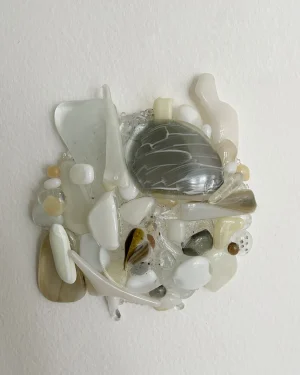 In stock
Encompassed – Fused Glass Wall Decor
By Meagan Cignoli Studio
€682 -
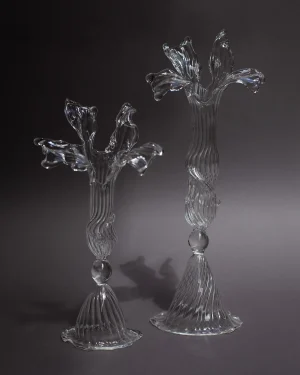 In stock
Wildflower Glass Sculpture
By PIA GLASSWORKS
€280 - €350 This product has multiple variants. The options may be chosen on the product page -
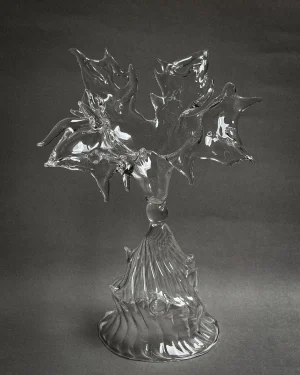 In stock
Romance Glass Sculpture
By PIA GLASSWORKS
€550 -
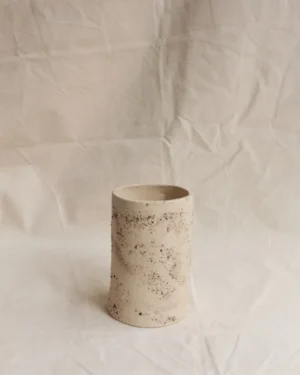 In stock
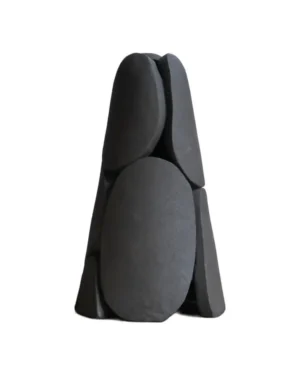
Cylinder Vessel 02
By Valentine Benoist Ceramics
€1.180 -
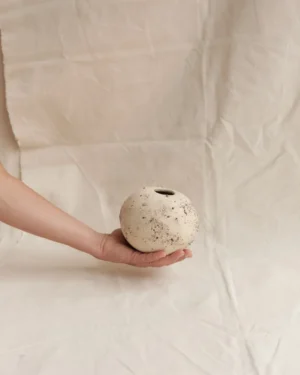 In stock
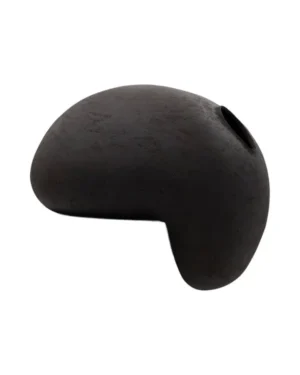
Globe Vessel 02
By Valentine Benoist Ceramics
€980 -
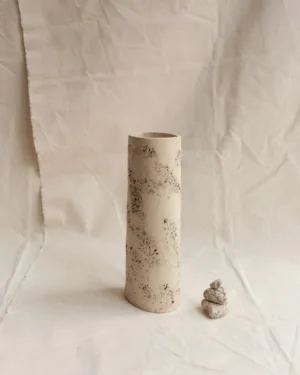 In stock
Cylinder Vessel 01
By Valentine Benoist Ceramics
€1.300 -
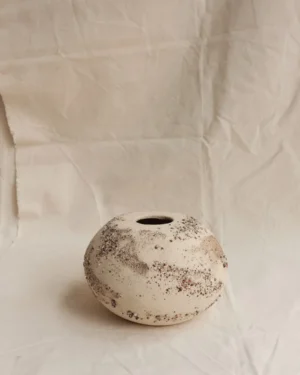 In stock
Globe Vessel 01
By Valentine Benoist Ceramics
€1.250
Transparent sculptures are objects built around light rather than color, where glass or pale stoneware lets a room's own brightness pass through, bend, or pool at the base. Independent studios working in borosilicate glass, cast glass, and glazed stoneware make them by hand, using glassblowing, lampworking, and glass fusing to shape forms that read as volume one moment and almost disappear the next. What holds them together is clarity itself: no pigment to carry the form, so the shape, the thickness, and the surface do all the work.
What defines a transparent sculpture
A clear or near-clear piece earns its presence through optics, not tint. Thicker walls refract more, bending whatever sits behind the glass; thinner walls stay closer to invisible, letting a sculpture sit in a room without competing with it. Bubbles, seams, and slight asymmetries from hand work are not flaws here — they are the record of how the piece was blown or built, and they catch light differently depending on where you stand.
Materials and techniques behind the clarity
Glass dominates this group, worked hot through glassblowing or lampworking, or fused cold in layers through glass fusing, each method leaving its own surface: smooth and lens-like from the furnace, more linear and segmented from fusing. Alongside glass, white stoneware and pale ceramic appear in glossy or matte glazes that read as clear-adjacent without true transparency, giving the same restraint in a material that holds heat and weight differently. Most of these pieces are made as open editions, so a form may recur with small variations from one firing or one gather of glass to the next.
Choosing a transparent sculpture for a room
Scale matters more with clear work than with opaque work, since a transparent piece can read smaller than its actual footprint until light hits it. Set it where it will catch a window, a lamp, or a reflective surface rather than a dim corner, so the material has something to carry. Height counts too: a low, wide form anchors a console or dining table without blocking sightlines, while a taller piece can stand alone on the floor or on a plinth where its full profile shows.
Finish is the other variable. A glossy glass or glaze throws sharper reflections and suits a room already working with polished stone, chrome, or lacquer; a matte stoneware surface softens the light instead of bouncing it, and sits more quietly next to wood, linen, or raw plaster.
Where these pieces sit in a room
These sculptures suit interiors built around contemporary, coastal, or minimalist restraint, where a clear form reads as volume rather than ornament, and the wabi-sabi or eclectic range benefit from a form that leaves plenty of visual air around it. A single clear vessel does well on an entry table, a shelf, or a mantel; a group of several, varied in height, works as a quiet still life on a sideboard. Because they rely on ambient light, they pair naturally with the kind of pieces found among transparent decor, where glass and clear finishes repeat across objects without turning a room into a showroom.
Caring for glass and clear stoneware
Clear glass shows dust, fingerprints, and water spots more readily than colored or opaque surfaces, so a soft cloth and regular dusting keep the clarity doing its job. Avoid abrasive cleaners on cast or blown glass, and lift rather than drag heavier pieces, since stress points can run along old seams. Stoneware glazes tolerate a damp cloth but should stay away from direct sun for long stretches, which can dull a glossy finish over time.
The full range of clear and near-clear work sits within sculptures from independent studios, alongside ceramic sculptures and contemporary sculptures working in related forms. For color across every category rather than sculpture alone, every transparent piece on ADORNO gathers glass and clear finishes from lighting, tableware, and furniture as well.
How do I choose a transparent sculpture?
Let light and placement guide the choice. Glass forms shift with the light around them, so consider how a piece will read against a window, a shelf, or a plain wall before deciding on scale or shape.
What is transparent glass sculpture made of and how is it cared for?
Most pieces are blown or fused from glass, sometimes borosilicate for added durability. Dust with a soft, dry cloth, avoid sudden temperature changes, and keep away from direct, prolonged heat.
What size sculpture should I buy?
Sizing depends on where the piece will sit: a side table or shelf calls for something small enough to hold without crowding, while a console or floor spot can carry a larger, more sculptural form.
Which rooms suit transparent sculptures?
Glass pieces work well wherever natural light reaches them, living rooms, entryways, and window ledges in particular, since the material depends on light to show its form and color.
Are these sculptures handmade or produced in limited runs?
Many are made using glassblowing, lampworking, or glass fusing, techniques that involve hand shaping at the furnace. Exact production details vary by piece, so check with the maker directly.
How does shipping, returns, and authenticity work on ADORNO?
Shipping is insured and worldwide. Returns are accepted within 14 days, except for made-to-order pieces. Every piece comes with a certificate of authenticity, backed by a lowest-price guarantee.