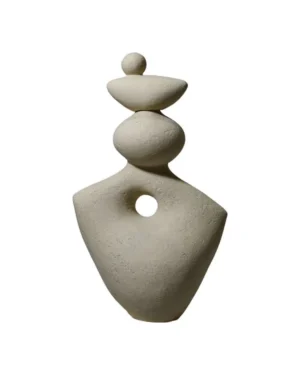
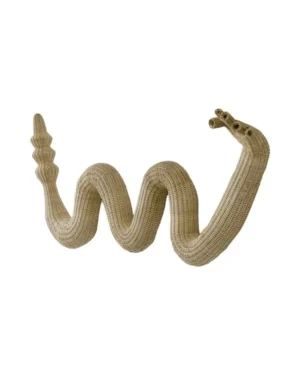
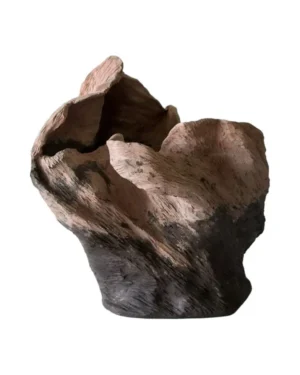
-
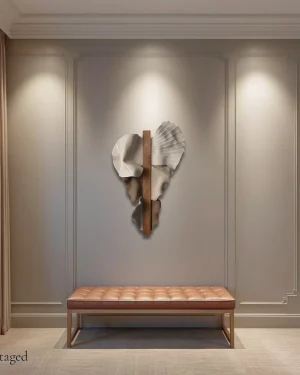
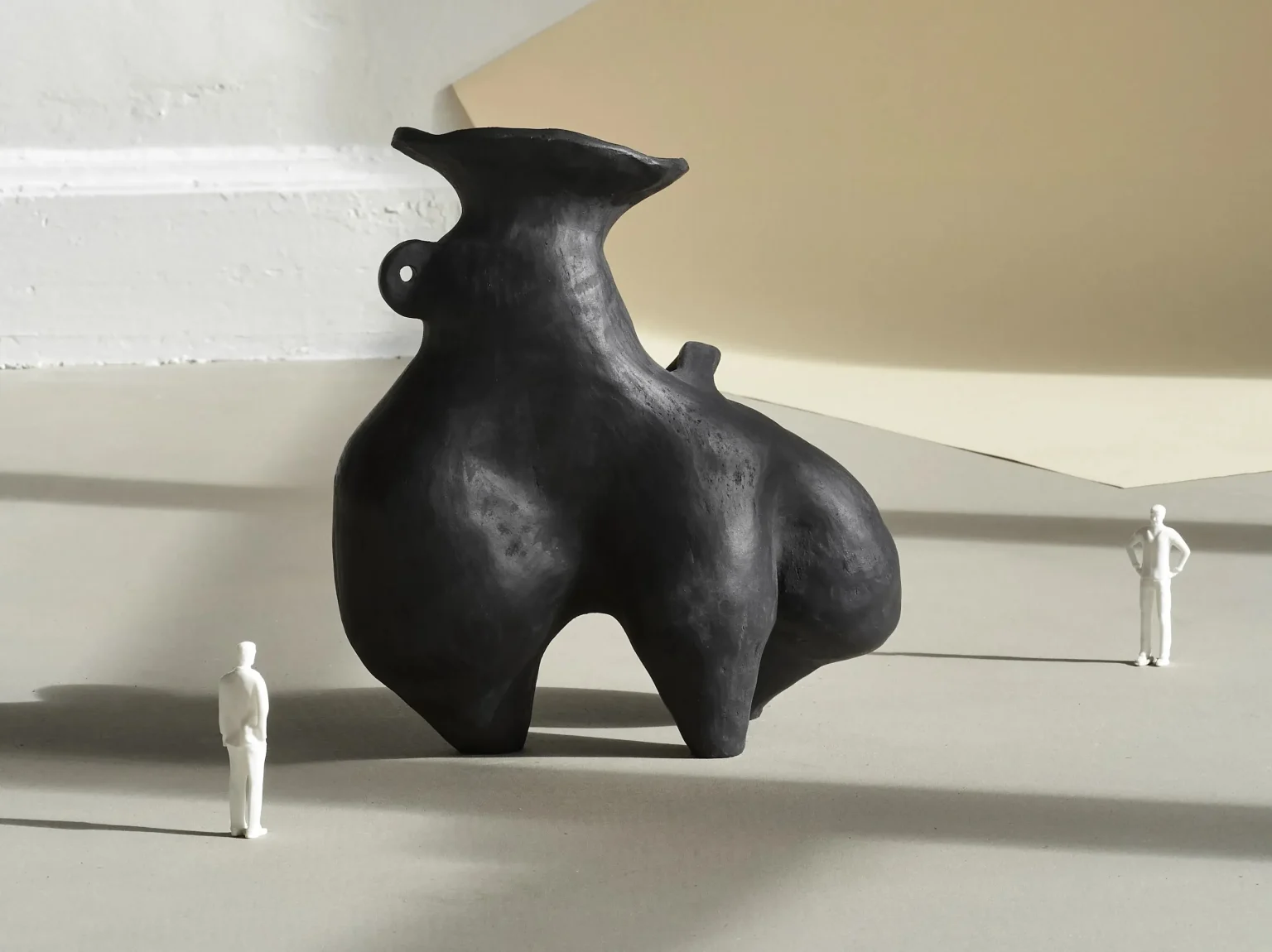
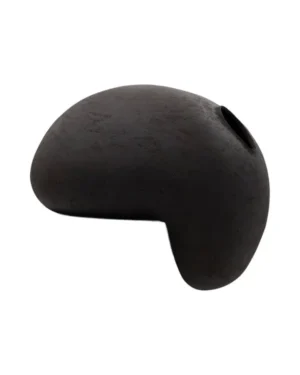
Abundance Wall Sculpture | Toffee · Studio Series ·
By Studio Ēeme
€3.565 -
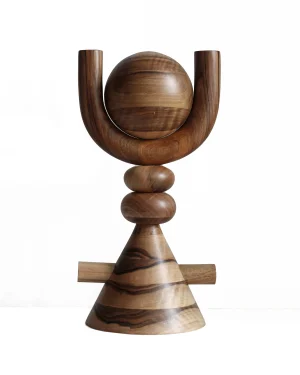
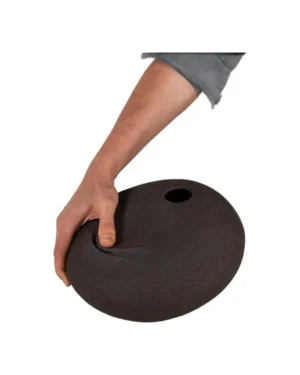
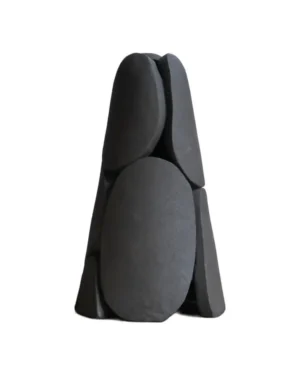
Fire Totem In Walnut
By ZEMNA
€530 -
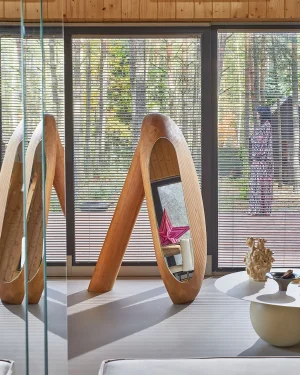
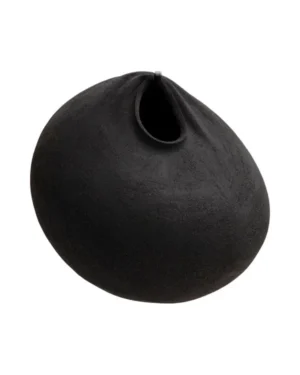
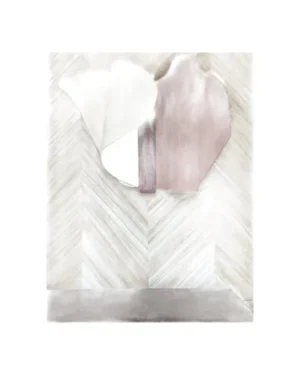
Object N.16 Mirror
By Anna Bera
€11.294 -
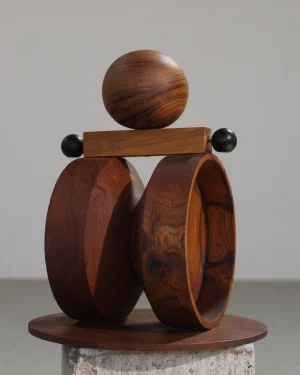
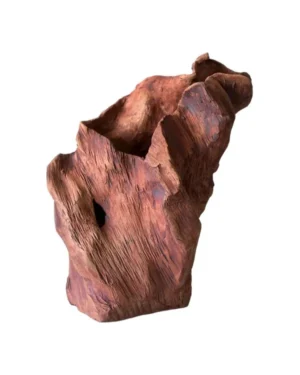
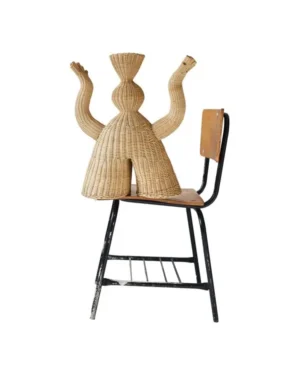
Shibui Wooden Sculpture
By WANNAS
€650 - €740 This product has multiple variants. The options may be chosen on the product page -
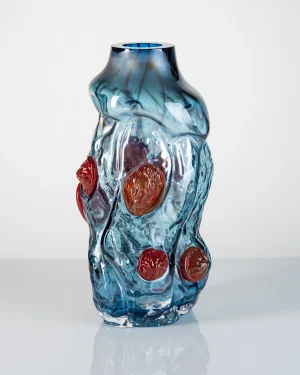 In stock
Dysplasio Glass Vase Blue
By Anna Jožová
€1.900 -
 In stock
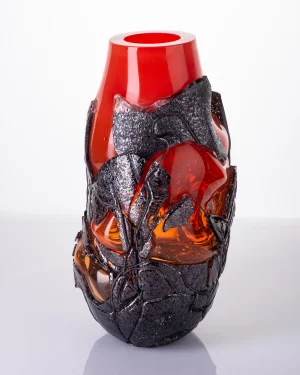
Lava Glass Vase Red
By Anna Jožová
€1.350 -
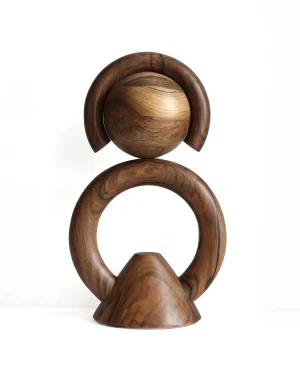
Air Totem In Walnut
By ZEMNA
€530 -
 In stock
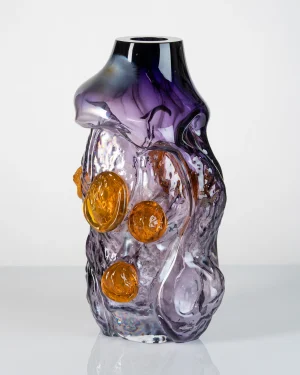
Dysplasio Vase Purple
By Anna Jožová
€1.900 -
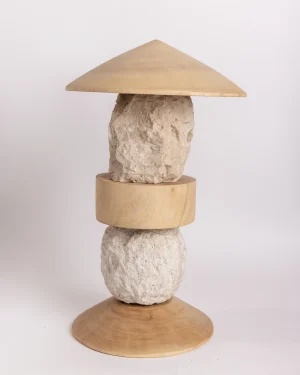
Bbta Sculpture
By Daniel Orozco Estudio
€1.745 -
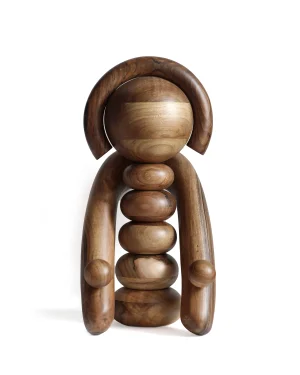
Earth Totem In Walnut
By ZEMNA
€530 -
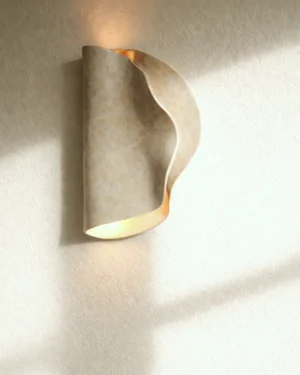
Lamp Shade – Fado
By Joana Vilaça Studio
€790 -
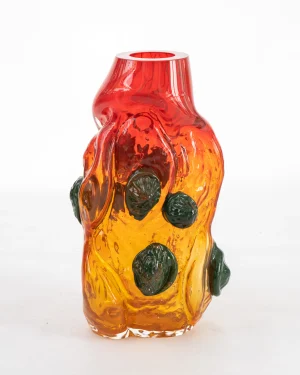 In stock
Dysplasio – Spring-Red Sculptural Glass Vase
By Anna Jožová
€1.900 -
 Sold
Wall Sculpture N°1
By Dzovag Kotchian
€2.200
Mid-century modern sculptures carry the restraint of the 1950s and 60s into solid, tactile form: smooth walnut, hand-built ceramic, blown and cold-worked glass, cast or welded metal. Independent studios working in this style favor organic silhouettes, tapered bases, and finishes left close to the material rather than painted over. The result is an object that reads as sparse from across a room and reveals its grain, glaze, or tool marks only up close.
What defines the mid-century modern style in sculpture
The style favors reduced, biomorphic forms over ornament. A carved wood totem narrows toward its base the way a turned chair leg does; a stoneware vessel keeps a single curve instead of applied decoration. Palettes lean toward orange, caramel, cream, beige, and the occasional cherry red or purple accent, echoing the warm, earthy range associated with the period.
Because the style asks the material to carry the whole piece, surface quality matters more than in other styles. Walnut is chosen for its tight, dark grain; stoneware and clay for the warmth of a matte glaze; glass for how light moves through a cast or blown form. Nothing here depends on paint or applied pattern to hold attention.
The materials and techniques behind the range
Among the kinds of work found in mid-century modern pieces across ADORNO, wood carving and cabinetmaking produce the carved totems and turned forms typical of the period, often in walnut or other hardwoods that darken and deepen with age. Glassblowing and cold working shape vessels and abstract forms in clear or tinted glass, sometimes ground or polished after the piece leaves the furnace.
Ceramic work spans hand-building, sculpting, and glazing, giving stoneware and clay pieces their matte or satin surfaces in the warm beige, cream, and caramel tones the style favors. Metalwork appears less often but follows the same logic: a cast or sculpted form left in its raw finish rather than lacquered. Editions run from open runs to limited editions and genuinely one-off pieces, so a buyer working in clay or glass should check whether a given piece repeats or stands alone.
How to choose a mid-century modern sculpture
Scale decides more than style does. A tabletop piece should sit comfortably within a console or sideboard's depth, leaving room on either side; a floor piece needs enough clearance to be walked around, since these forms are built to be seen in the round rather than against a wall.
- Match height to sightline: low, wide pieces suit coffee tables and shelving at seated eye level.
- Pair warm woods like walnut with similarly warm floors or furniture rather than cool gray tones.
- Choose glazed ceramic or glass where a room already carries matte textures, so the sculpture reads as a counterpoint.
- Leave a unique or limited piece some isolation, rather than grouping it tightly with other objects.
Where these pieces sit in a room
Mid-century modern sculptures anchor living rooms and studies particularly well, since the period's furniture already shares their proportions and warm materials. A carved wood piece on a sideboard, a ceramic form on a low shelf, or a cast glass object on a desk all carry weight without crowding the space around them. In an entryway, a single sculpture on a console does more than a grouping would.
Caring for wood, ceramic, and glass sculptures
Walnut and other hardwoods want a dry, stable room away from direct heat, which can crack a solid carved form over time; an occasional wipe with a dry or barely damp cloth keeps dust from settling in the grain. Glazed stoneware and clay resist moisture once fired, but unglazed or raw clay surfaces can mark, so they are better kept away from spills.
Glass pieces, blown or cold worked, hold up well to regular dusting but should be lifted rather than dragged across hard surfaces, since a scratch on a polished base is permanent. For the full range of materials, finishes, and forms, see all sculptures on ADORNO, including ceramic sculptures and unique, one-off sculptures, or extend the same restrained material language through mid-century modern accessories for the rest of a room.
How do I choose a mid-century modern sculpture?
Look for rounded, organic forms in wood, ceramic, or glass, with smooth surfaces and little ornament. Choose a piece whose scale and tone sit comfortably with the furniture and light already in the room.
What materials are mid-century modern sculptures usually made from?
Walnut and other warm woods, hand-built or glazed ceramic, and blown or cold-worked glass are the most common. Each material ages differently: wood deepens in tone, glass stays stable, ceramic can chip if knocked.
How do I care for a wood, ceramic, or glass sculpture?
Keep wood away from direct heat and moisture, dust ceramic and glass with a soft cloth, and avoid abrasive cleaners on glazed or polished surfaces. Stable indoor temperature and humidity keep all three materials sound longer.
What size sculpture should I buy for a shelf or table?
Smaller carved or cast pieces, often under 40 centimeters, suit shelves and side tables, while larger wood or stoneware forms carry more weight on the floor or a console. Chat with the maker on the piece's page to confirm exact dimensions.
Which rooms suit mid-century modern sculptures best?
Living rooms and studies benefit from their presence on a credenza or console, and entryways gain a focal point near the door. Bedrooms suit smaller, quieter forms on a dresser or windowsill.
How does shipping, returns, and authenticity work when I buy from ADORNO?
Shipping is insured and worldwide, with a 14-day return policy excluding made-to-order pieces. Every sculpture arrives with a certificate of authenticity, and ADORNO offers a lowest-price guarantee.