

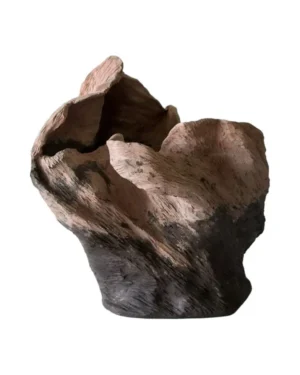
-
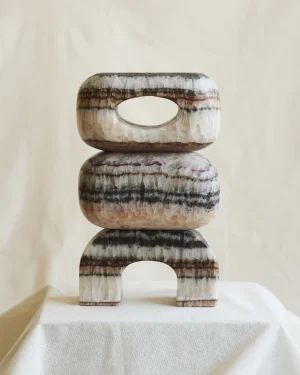
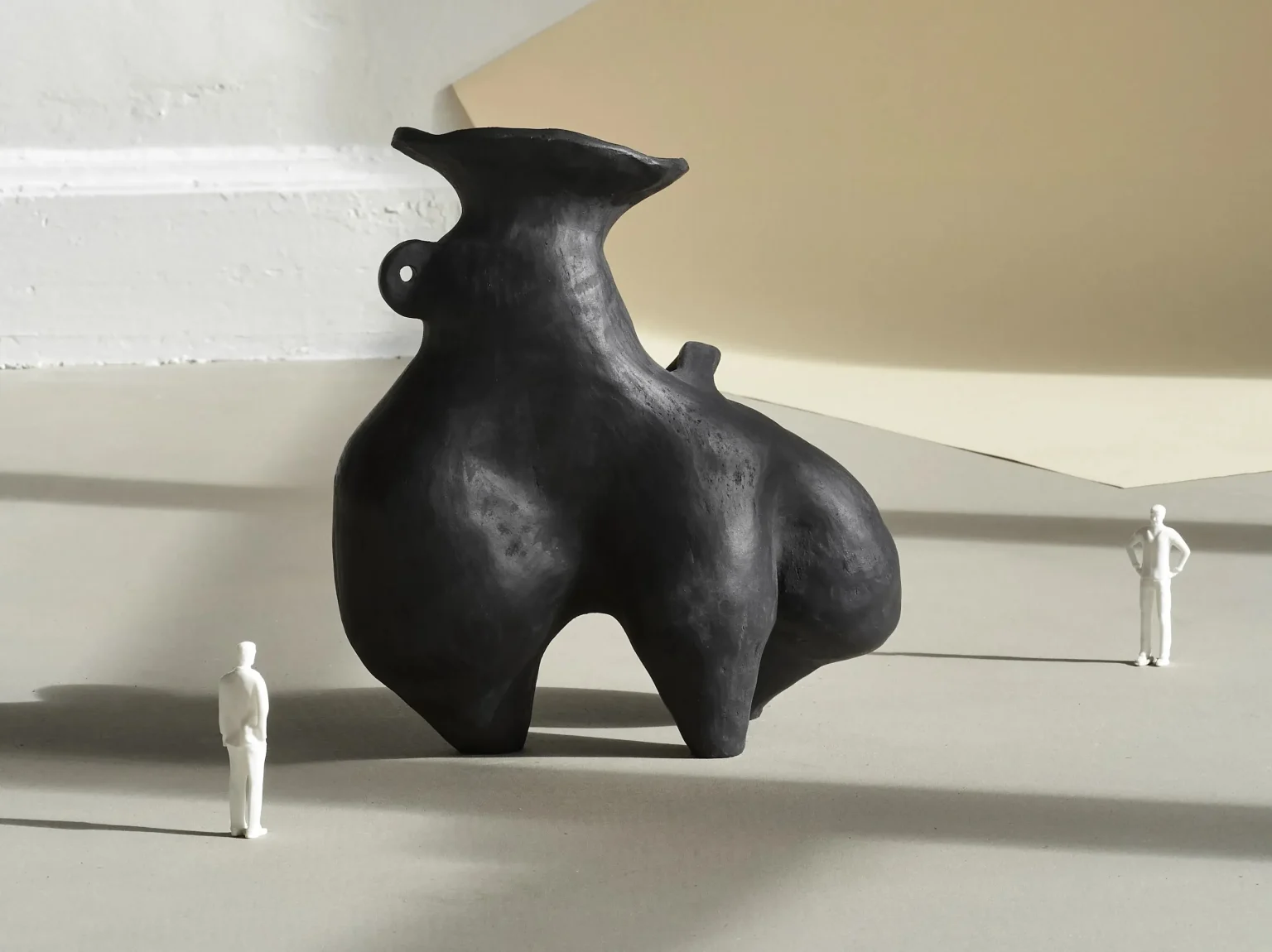
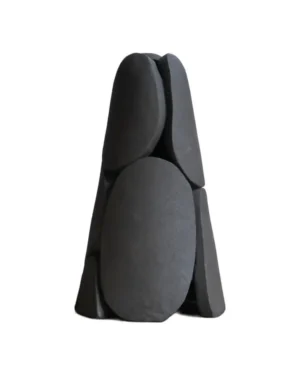
Artefacto Mármol Ls 01
By LØRDAG & SØNDAG
€900 This product has multiple variants. The options may be chosen on the product page -
 In stock
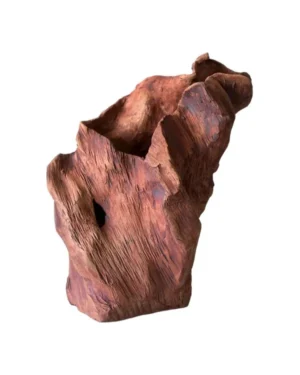
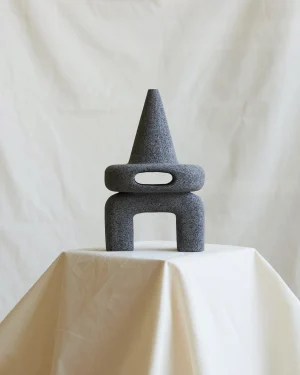
Artefacto Volcán Ls 06
By LØRDAG & SØNDAG
€490 -
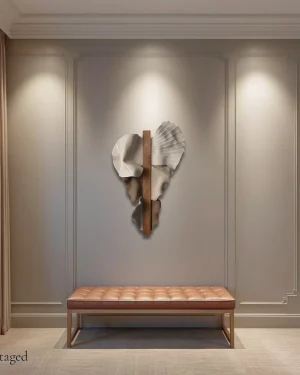
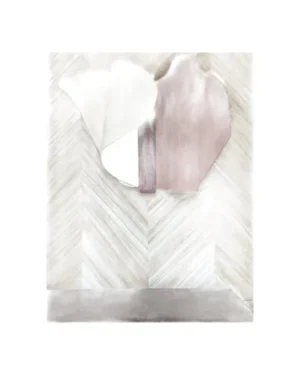
Abundance Wall Sculpture | Toffee · Studio Series ·
By Studio Ēeme
€3.565 -
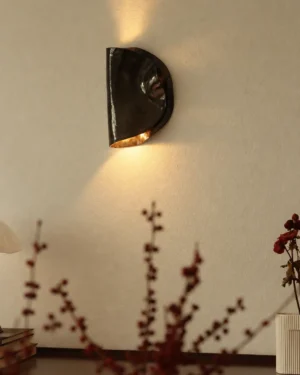
Lamp Shade – Fado
By Joana Vilaça Studio
€790 -
 In stock
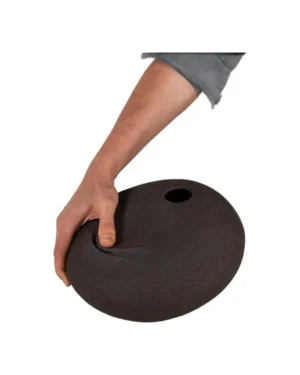
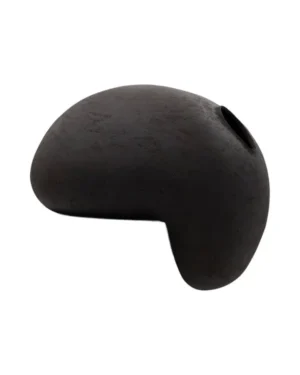
Artefacto Mármol Ls 02
By LØRDAG & SØNDAG
€800 This product has multiple variants. The options may be chosen on the product page -
 In stock
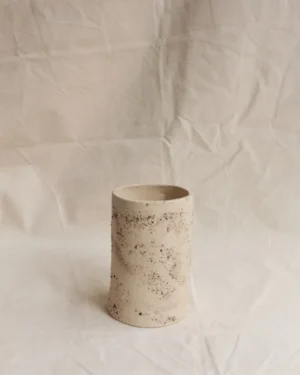
Cylinder Vessel 02
By Valentine Benoist Ceramics
€1.180 -

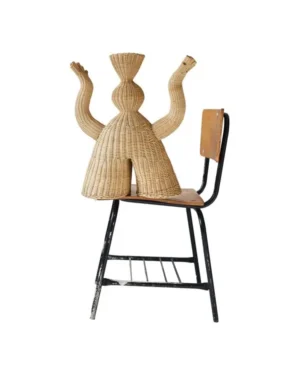
Nc Hongo Baby Totem
By Daniel Orozco Estudio
€407 -
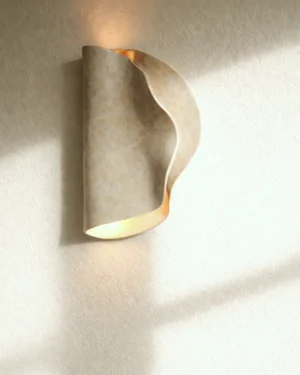
Lamp Shade – Fado
By Joana Vilaça Studio
€790 -
 In stock
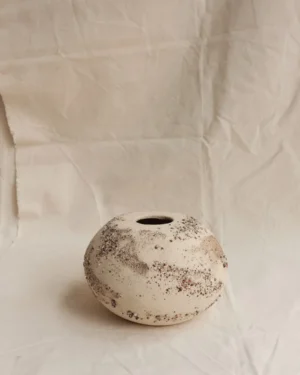
Globe Vessel 01
By Valentine Benoist Ceramics
€1.250 -
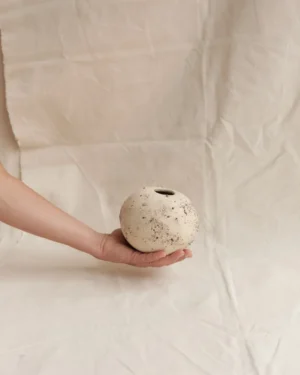 In stock
Globe Vessel 02
By Valentine Benoist Ceramics
€980 -
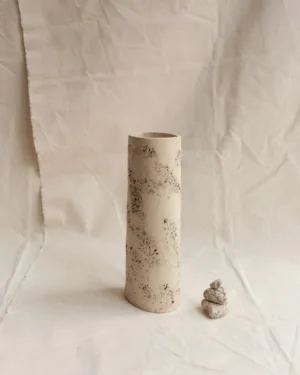 In stock
Cylinder Vessel 01
By Valentine Benoist Ceramics
€1.300 -
 Sold
Artefacto Bronce Ls 01 – Lost-wax Casted Bronze Sculpture
By LØRDAG & SØNDAG
€1.355 -

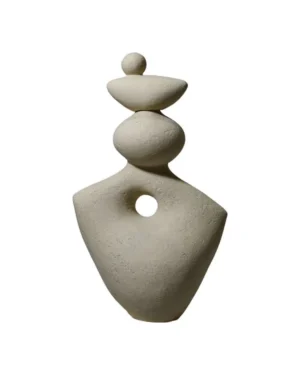
Nc Fuente Totem
By Daniel Orozco Estudio
€814
Bedroom sculptures are objects chosen for presence rather than use, small enough to sit on a dresser or shelf yet weighted enough to hold a corner of the room. The pieces found here come from independent studios working in clay, stone and wood, using hand-building, carving and casting rather than mass production. Each one is made to be looked at slowly, in a room where there is time to do that.
What defines a bedroom sculpture
Scale and quiet are what separate a bedroom sculpture from one meant for a hallway or a gallery plinth. These pieces tend to be smaller, matte rather than reflective, and built from materials that read as grounded: stoneware, granite, cedar, cast glass. A sculpture for a bedside table has to work at close range, where texture and glaze matter more than silhouette.
Many studios here favor hand-building and wood carving over mold-based methods, so surfaces keep the trace of the hand: a thumbprint in soft clay, a chisel mark left visible in cedar. Others work in lost-wax casting or stone carving, slower processes that produce a denser, heavier object. The result is a range of textures from the matte chalkiness of white stoneware to the cool, veined surface of marble.
Materials, finishes and techniques
The range changes as studios and pieces come and go, but certain materials and methods recur:
- Ceramic and stoneware, hand-built or thrown, then glazed in matte, glossy or transparent finishes
- Granite and other natural stone, carved and left raw or polished at the edges
- Marble, carved or turned, prone to staining and best kept from oils and damp
- Cedar wood, carved or charred using shou sugi ban, which darkens and seals the grain
- Open editions alongside limited editions, the latter made in small, fixed runs
Color tends toward the restrained: beige, black, brown, clear. These sit easily against the softer palettes most bedrooms already use for walls and linens, letting form carry the attention instead of color.
Choosing one for a bedroom
Start with where it will stand. A bedside table calls for something under knee height when seated on the mattress edge, so the sculpture doesn't compete with a lamp or a stack of books. A dresser or windowsill allows for something taller and more vertical, closer to a totem than an object in the hand.
Finish matters as much as size. A glossy glaze catches window light and suits a room that already has some sheen, in brass hardware or lacquered furniture. A matte stoneware or charred cedar piece reads quieter and sits well in a room built around linen, wool and unfinished wood. Weight is worth checking too: stone and dense ceramic sculptures carry real heft and won't shift if a door is closed too hard nearby.
Where these pieces sit well
Bedroom sculptures work on surfaces that are otherwise empty: a bedside table with just a lamp, a long dresser top, a windowsill that gets morning light. They pair naturally with the softer lighting already common in a bedroom, including bedroom lighting and bedroom lamps, which share the same unhurried pace. A side table or nightstand from a run of bedroom tables gives a sculpture a fixed surface rather than a shared one.
Care
Glazed ceramic and stoneware need only dusting and an occasional wipe with a dry or barely damp cloth. Marble should be kept away from perfumes, oils and standing water, since the stone stains and etches easily. Carved or charred cedar can be dusted with a soft brush; charring already protects the surface, so oils or waxes aren't necessary. Keep any stone or ceramic piece away from a radiator or direct heat, which can crack a glaze over time.
For the wider range of carved, cast and hand-built forms beyond the bedroom, the full sculpture collection covers vessels, totems and figurative work in the same materials. Every other object sized and finished for this room, from lighting to seating, sits under pieces for the bedroom.
How do I choose a sculpture for a bedroom?
Pick a piece that reads well at close range, since bedrooms are seen up close rather than across a room. Consider weight and tone first: a dense stone form settles a nightstand, while a lighter ceramic or glass piece suits a shelf.
What materials are bedroom sculptures usually made from?
Most are ceramic, stoneware, marble, granite, or carved wood, worked through hand-building, glazing, stone carving, or wood carving. Each material carries its own weight and surface, from matte glazed clay to cool polished stone.
How do I care for a sculptural piece in the bedroom?
Dust ceramic, stoneware, and glazed surfaces with a soft dry cloth, and keep stone pieces away from direct moisture to avoid staining. Wood sculptures benefit from a stable room temperature and occasional light oiling if the grain is left open.
What size sculpture works on a nightstand or dresser?
Smaller, hand-sized forms suit nightstands without crowding lamps or books, while dressers and shelves can carry taller or heavier pieces. Scale against the surface first, then the room, since a bedroom sculpture is usually viewed from a seated or lying position.
Can a bedroom sculpture go in other rooms too?
Yes, most forms move easily between a bedroom, study, or living room, since their presence depends on placement rather than room-specific function. A piece chosen for a nightstand can sit just as well on a console elsewhere.
How does buying a sculpture through ADORNO work, including shipping and returns?
Shipping is insured and worldwide, each piece arrives with a certificate of authenticity, and ADORNO offers a lowest-price guarantee. Returns are accepted within 14 days, except on made-to-order pieces; for sizing or customization, chat with the maker on the piece's page.