 Comet Floor Lamp in Brass and Marble - White
 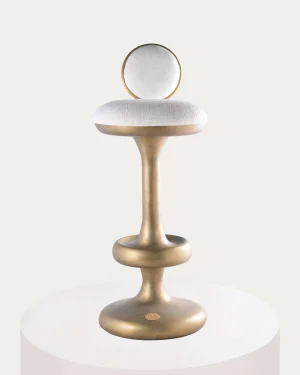 Atom Barstool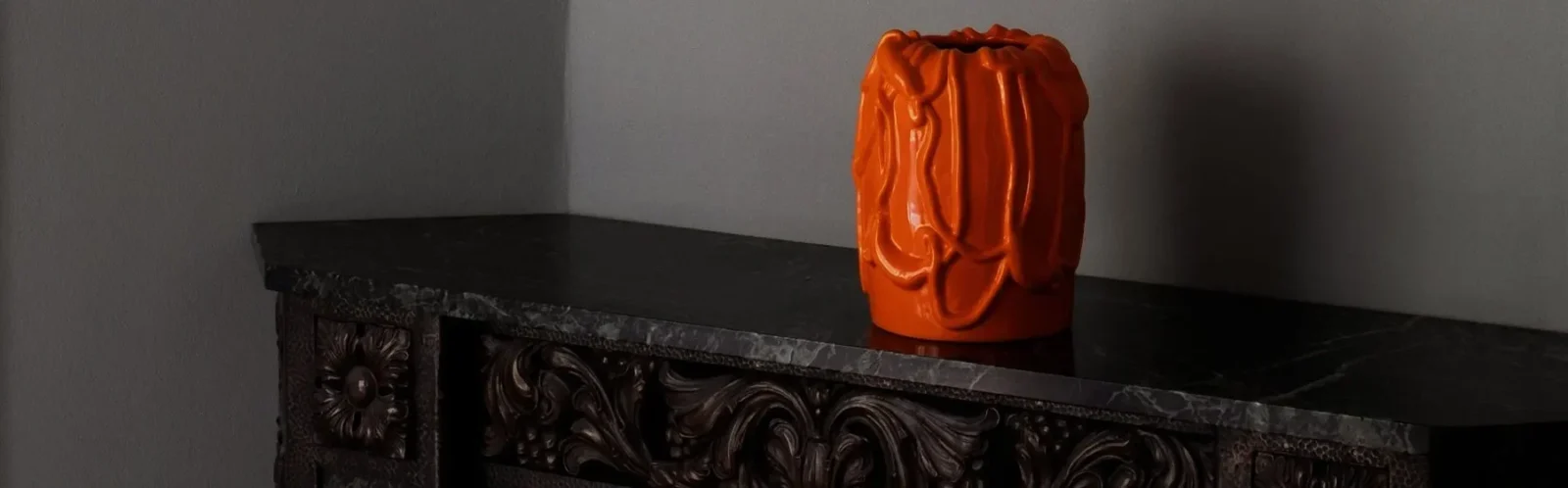
Mantel Decor: How to Style a Fireplace Shelf
A mantel is the only shelf in the house with an audience. It gets looked at whether or not anything has been done to it.
The fireplace is the one piece of architecture in a room that insists on attention. It sits at eye level, it interrupts the wall, and it comes with a horizontal shelf attached — which is why mantel decor is both the most photographed surface in interiors and the most consistently mishandled. The usual failure is not bad taste. It is symmetry plus quantity: a matched pair at each end, a clock in the middle, something filling every gap, and a shelf that reads as an arrangement rather than as part of the room.
This guide covers the mechanics instead. How to compose a mantel that works from the doorway rather than from directly in front. What size a mirror over a fireplace should actually be, and how high to hang it. What heat does to the objects you leave above a working fire — the part almost nobody mentions. And how to style a mantel for everyday rather than for a season, so it does not need dismantling every eight weeks.
How a mantel actually works
Before objects, three structural facts decide everything:
- It is seen from across the room, not from in front. Most people style a mantel standing at it, from 40cm away, then never look at it from that distance again. Consequently arrangements that feel balanced up close collapse when viewed from the sofa or the doorway. Style it, then walk to the entrance of the room and look again. Nearly every correction you need will become obvious from there.
- It is a horizontal line interrupting a vertical wall. The shelf itself is a strong horizontal, and the chimney breast above is a strong vertical. Therefore the job of the objects is to negotiate between the two — something tall to answer the vertical, something wide to sit along the horizontal, and gaps to keep the two from fighting. A mantel crowded evenly along its length turns the shelf into a shelf of things and loses the architecture entirely.
- It gets hot. Where the fire is real, the mantel and the wall above it run warm — often considerably warmer than people assume, and warmest in the centre. This matters practically, and it is covered further down, but it also shapes composition: the middle of a working mantel is the worst place for anything delicate, which conveniently is also where you should be leaving space.
The composition rules that matter
Almost all successful mantels follow the same few principles, whatever the style.
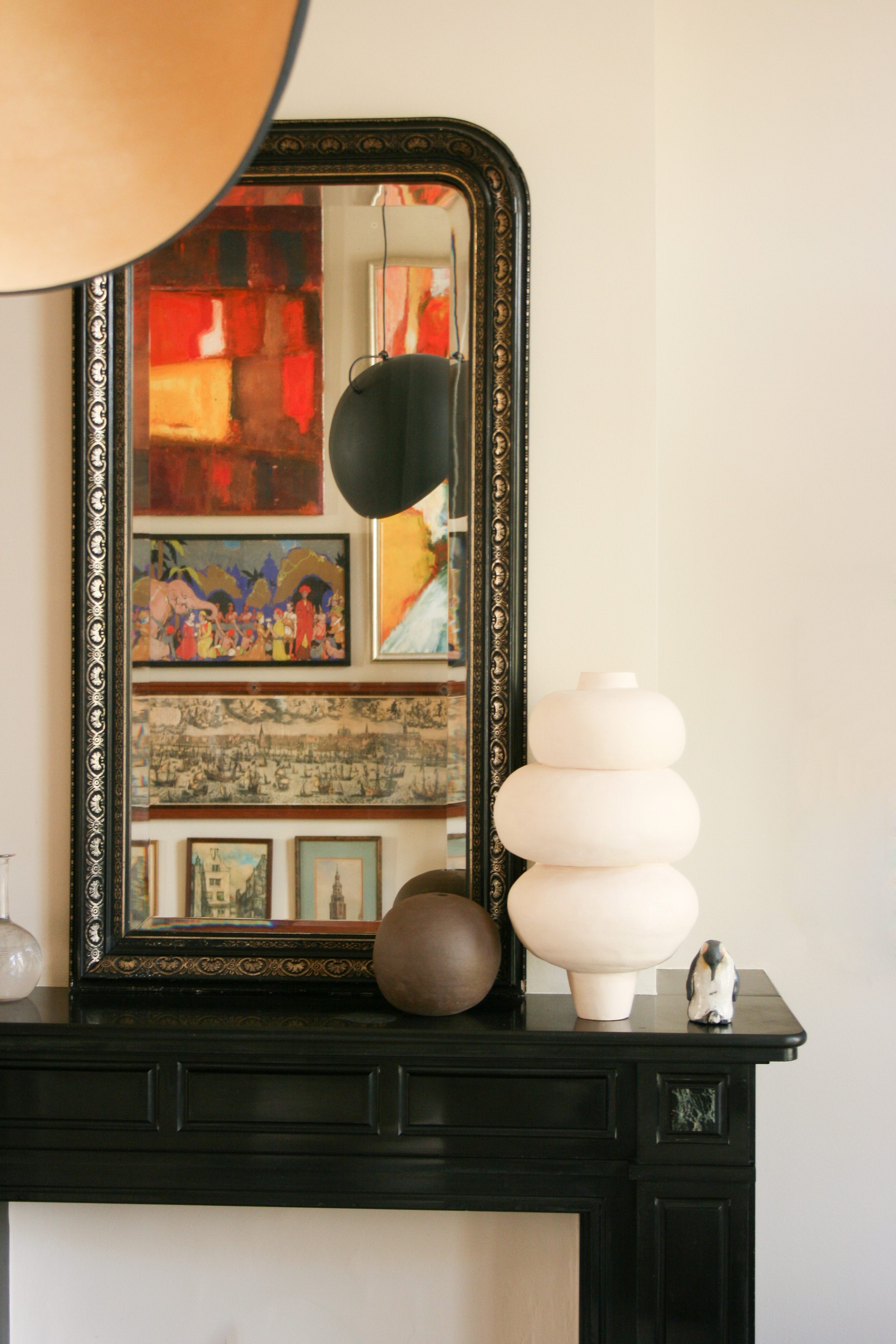
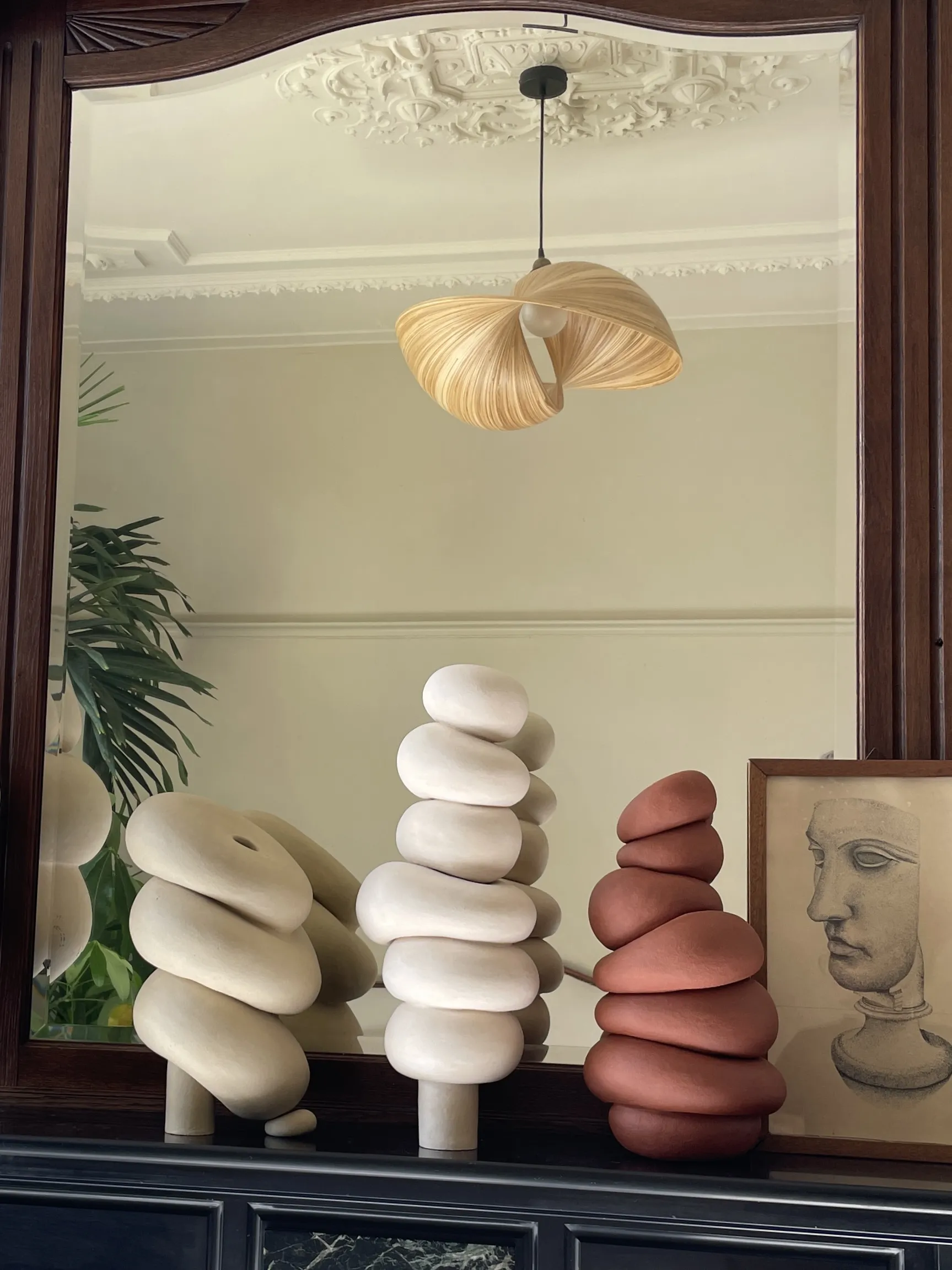
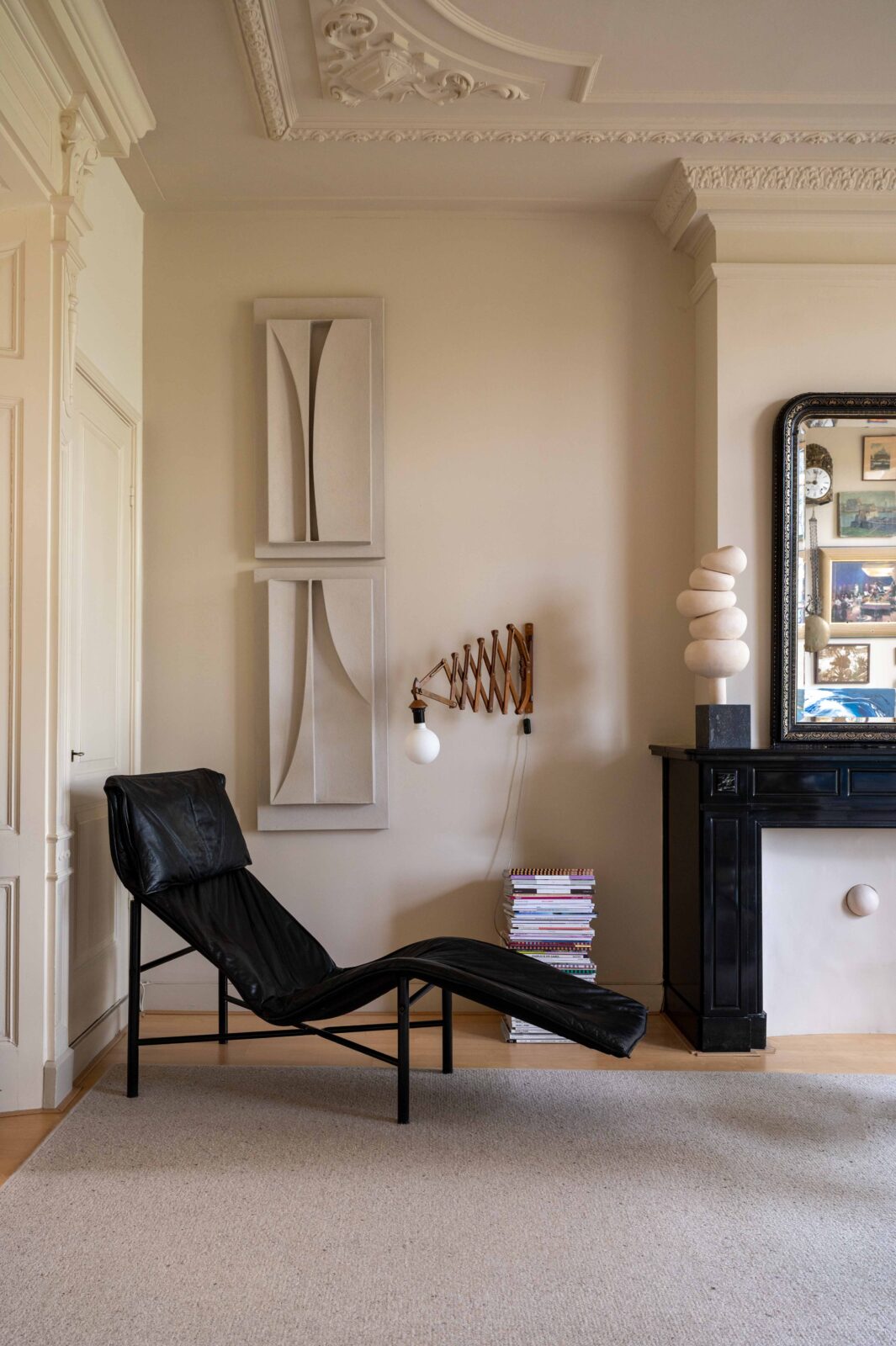
- Anchor off-centre. One tall element — mirror, artwork, or a substantial object — placed to one side rather than dead centre. Perfect symmetry reads as formal and, more often, as a showroom.
- Work in a triangle. Place a clear tallest, a clear middle and a clear lowest element so the eye travels rather than scanning a flat line.
- Group in odd numbers. Threes and fives resolve; pairs and fours compete for attention.
- Leave the centre quieter than the ends. Counter-intuitive, and the single most useful correction for a mantel that feels heavy.
- Overlap and layer. Lean a smaller frame against a larger one, let one object partially obscure another. Objects in a neat row read as a display; overlapping objects read as a room.
- Leave roughly a third empty. Negative space is what makes the occupied part look chosen.
- Vary depth, not just height. Push one thing back to the wall, bring another to the front edge. Depth is what stops a mantel looking like a mantelpiece in a catalogue.
Finally, a rule of thumb for proportion: the tallest object should reach roughly one-third to one-half of the distance between the mantel shelf and the ceiling. Shorter than that and it looks lost under a high wall; taller and it competes with the room’s lighting.
Wall mirror over a fireplace: the sizing and height questions
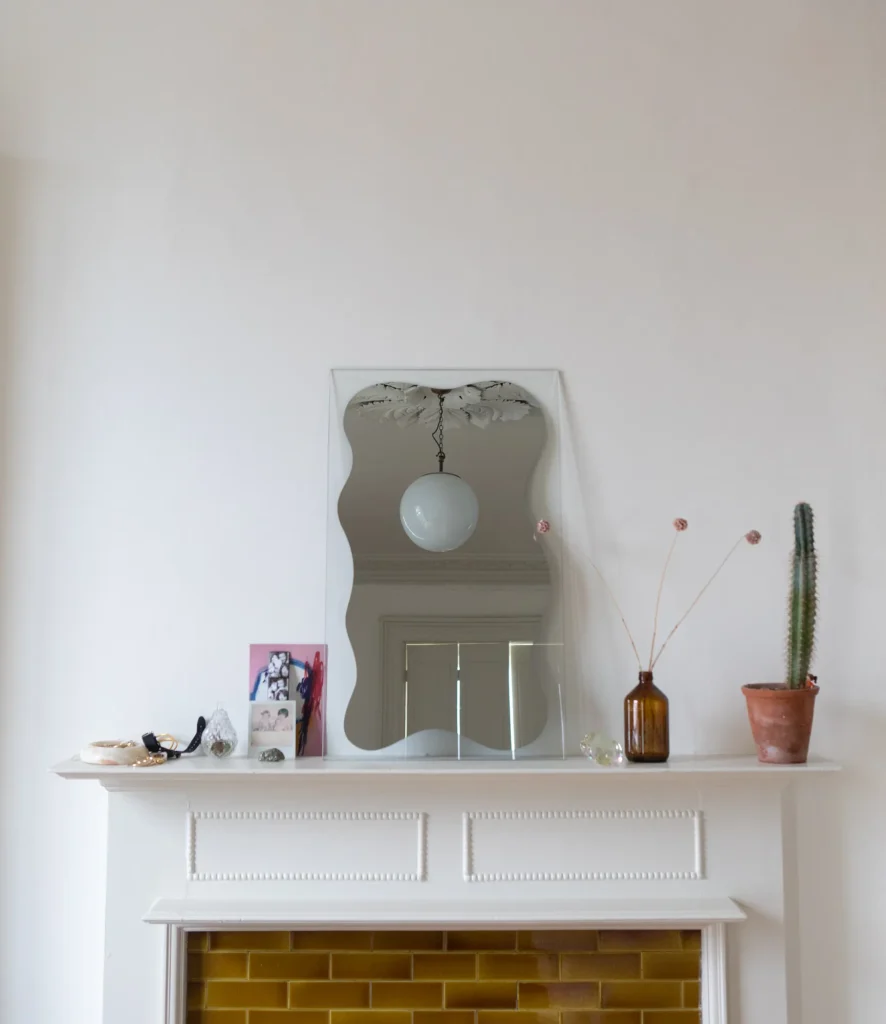
A mirror is the most common thing to hang above a fireplace, and for good reason: it doubles the light in a room that usually sits at its darkest end, it draws the eye upward, and it reflects the space back rather than adding another image to it. Getting it right is mostly arithmetic.
Width. A mantel mirror should be roughly two-thirds to three-quarters the width of the mantel shelf. Narrower than about half the shelf width and it reads as undersized; wider than the shelf itself and it looks unsupported, as though it is resting on nothing.
Height above the shelf. Leave 10–15cm between the top of the mantel and the bottom of the mirror. Consequently the mirror reads as belonging to the fireplace rather than floating independently on the wall. Where the chimney breast is tall, resist the urge to centre the mirror in the remaining wall space — align it to the fireplace, since that is the object it belongs to.
Eye level. The centre of the mirror should sit near the eye level of someone standing, around 150–160cm from the floor. On a low mantel this usually works automatically; on a high one it may mean the mirror sits closer to the shelf than expected, which is correct.
What it will reflect. The most-skipped step. A mirror over a fireplace spends its life reflecting whatever is on the opposite wall, so stand where the mirror will hang and look back. A ceiling, a blank expanse, or the top of a doorframe is a poor return; a window, a light, or a piece of art is an excellent one. Furthermore, a leaning mirror resting on the shelf rather than fixed to the wall angles slightly downward and reflects the room instead of the ceiling — often the better result, and considerably easier to change your mind about.
Shape: arched, round or rectangular
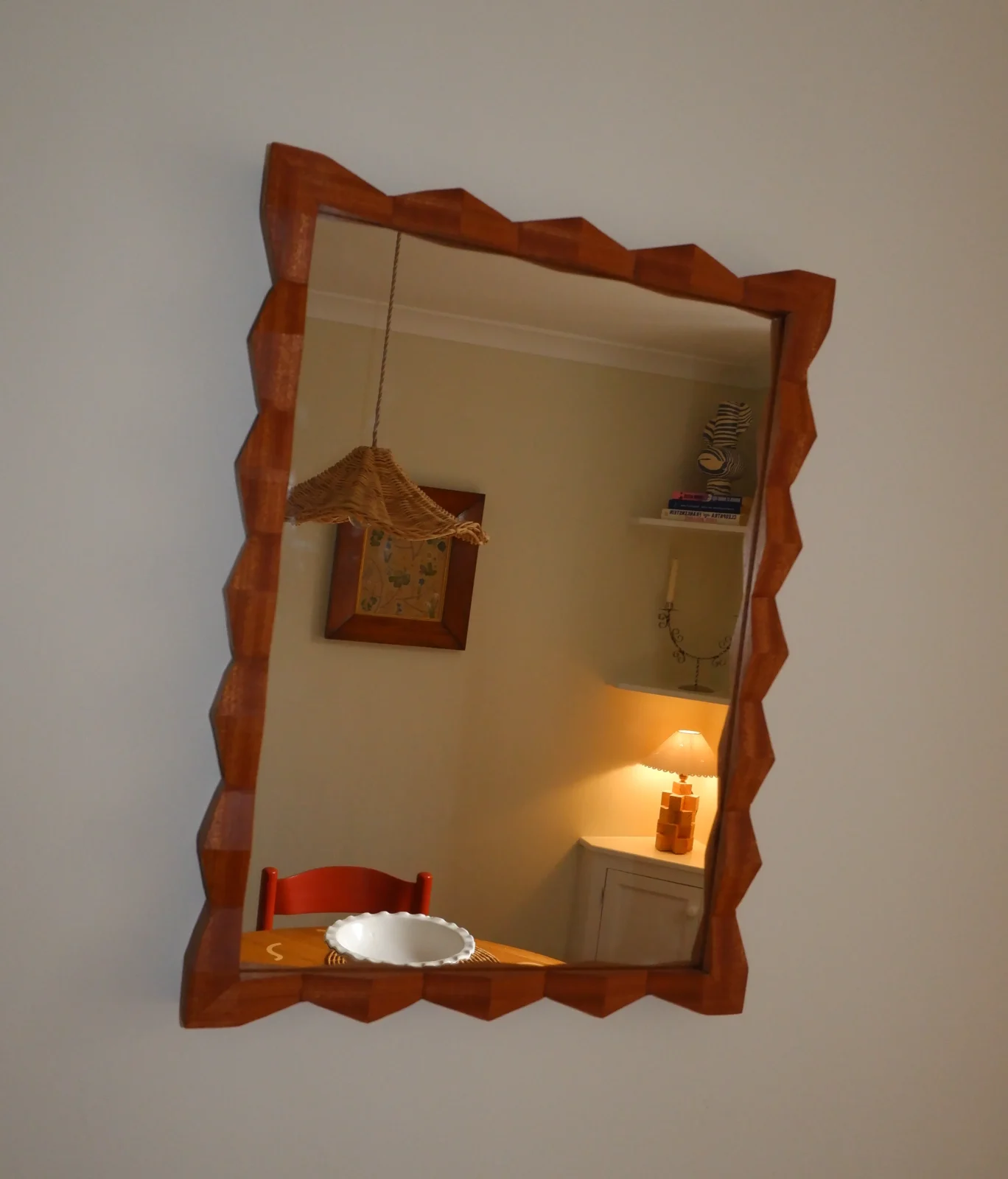
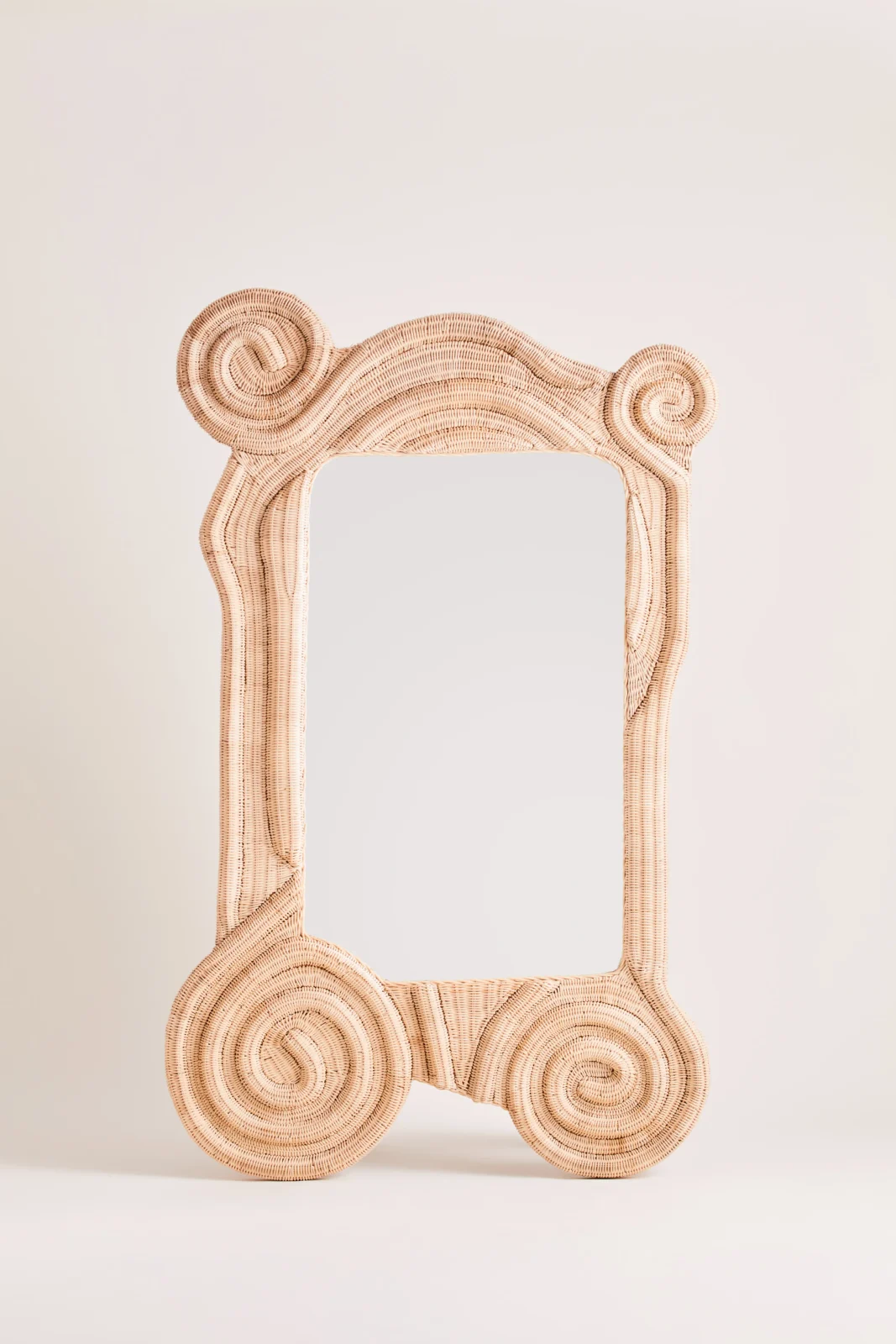
Rectangular mirrors echo the fireplace opening and suit rooms with strong joinery or paneling. Arched mirrors soften a hard architectural grid and add height without adding width, which makes them useful above a wide, low fireplace. Round mirrors relieve a room full of rectangles and work best on a narrow chimney breast where a rectangle would look boxed in — though a round mirror above a very wide mantel tends to leave the shelf looking empty at both ends. If you want the full taxonomy, our complete guide to the types of mirrors goes considerably deeper.

What to put on a mantel
A mantel holds surprisingly few things well. Four to seven objects is the usual working range on a standard shelf, and the categories below cover almost every successful arrangement.
Candlelight
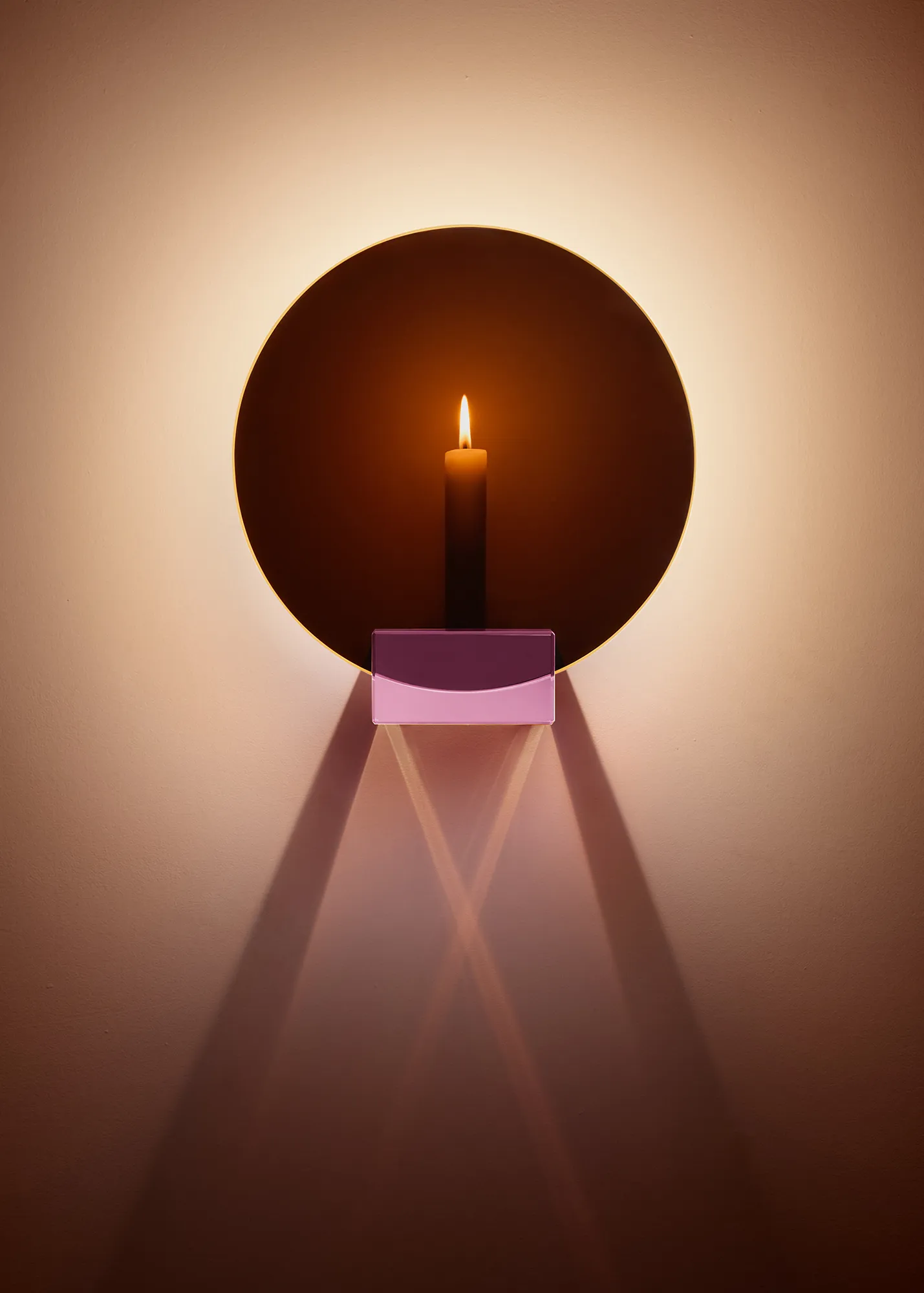
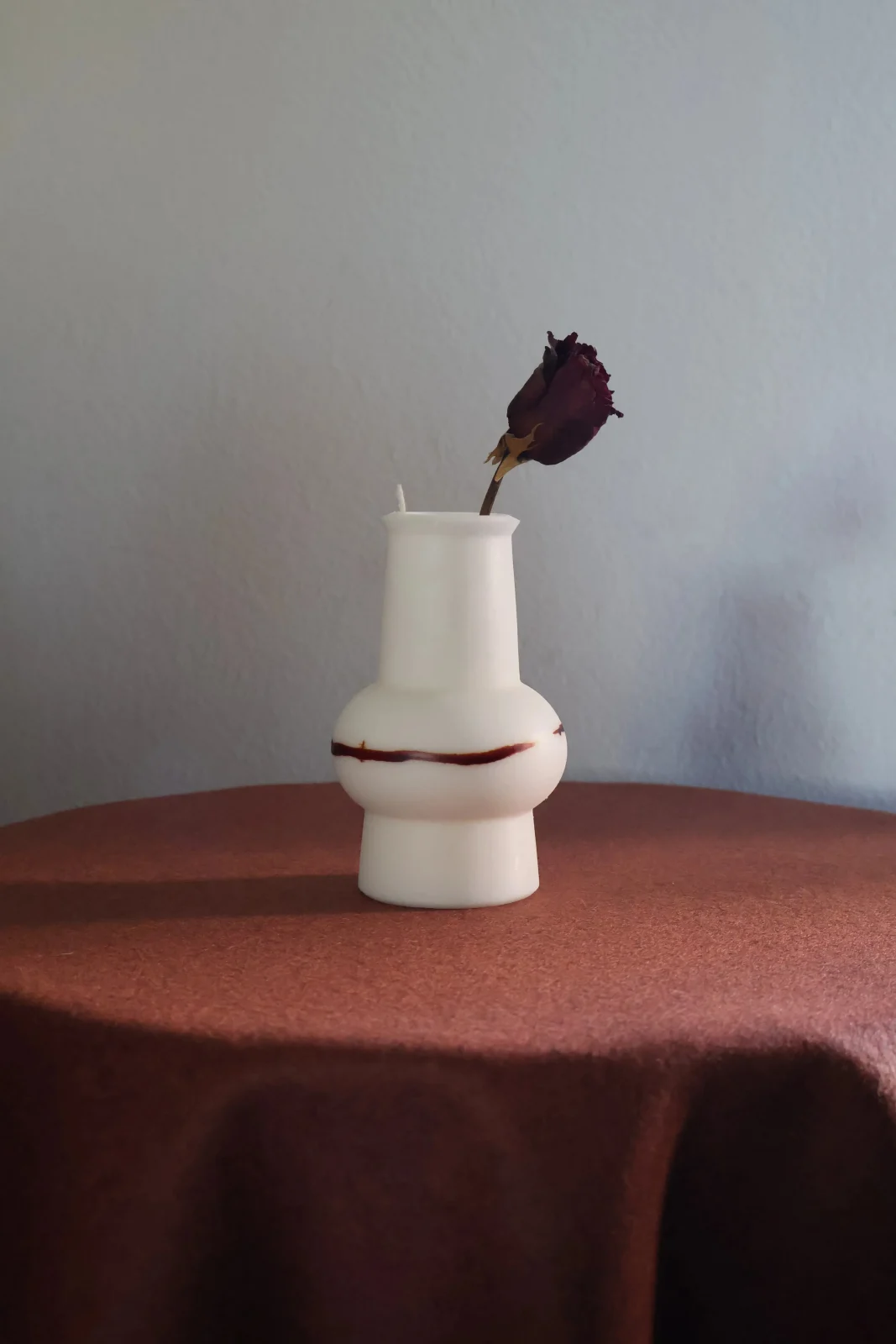
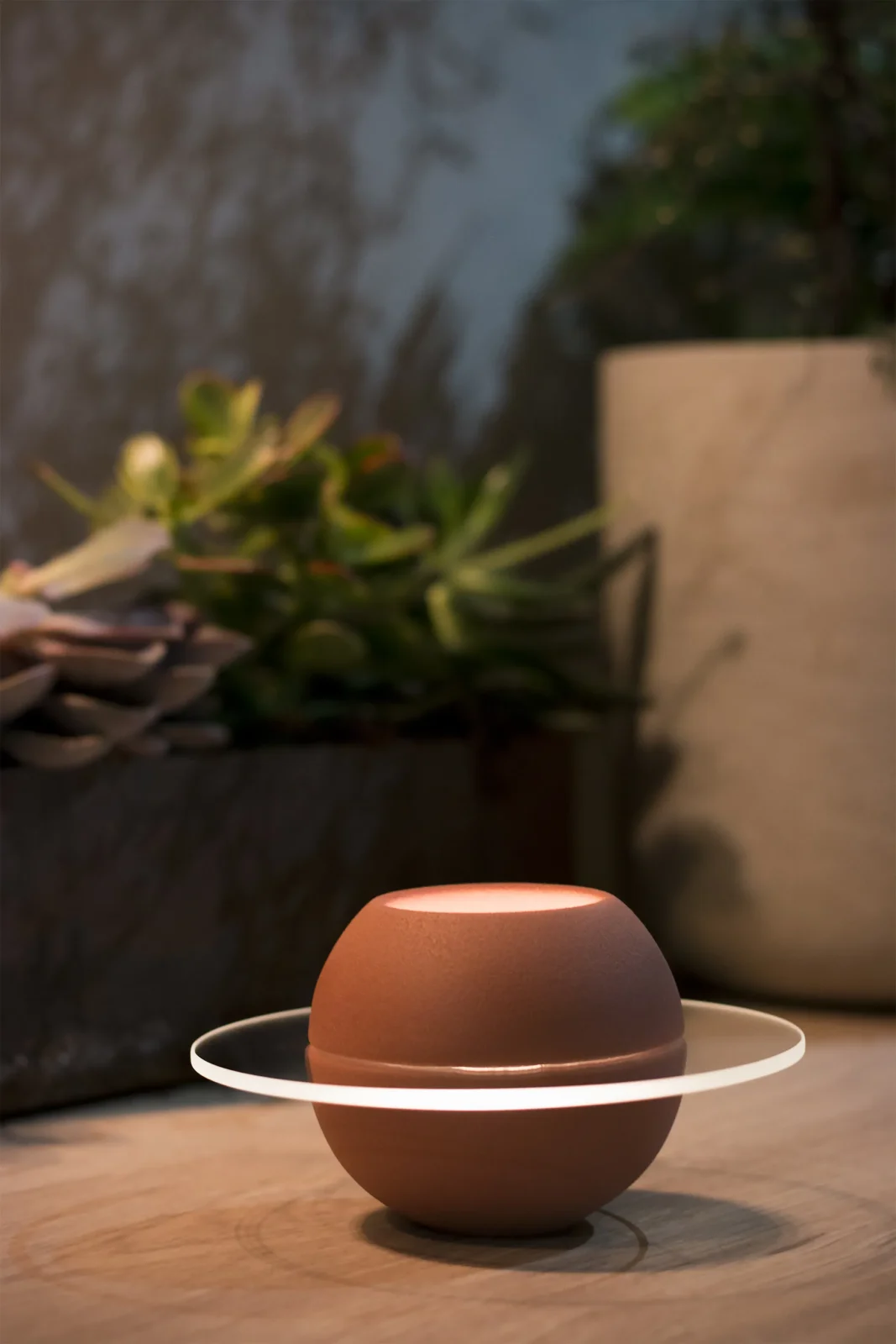
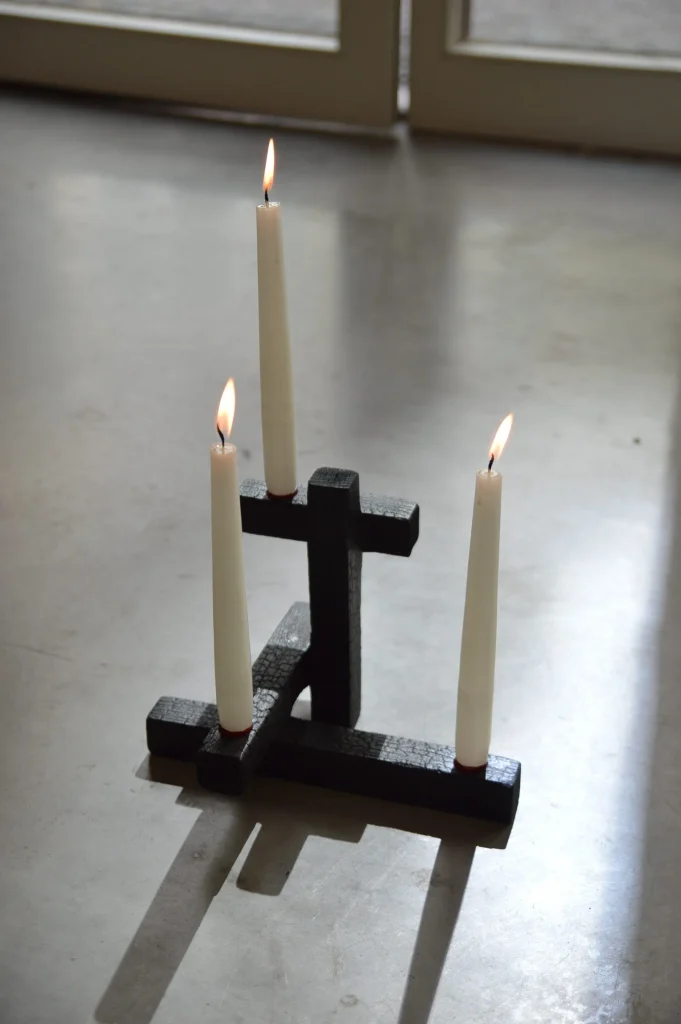
Candles belong on a mantel more naturally than anything else, because they restate what the fireplace is for. A cluster of three at varying heights toward one end, or a single substantial holder as a counterweight to a mirror, does more than any decorative object. Notably, candlelight at mantel height throws light upward across the chimney breast, which is exactly where a room needs it after dark. Keep flames well clear of the wall above and never directly beneath a leaning frame.
Art, leaning and layered
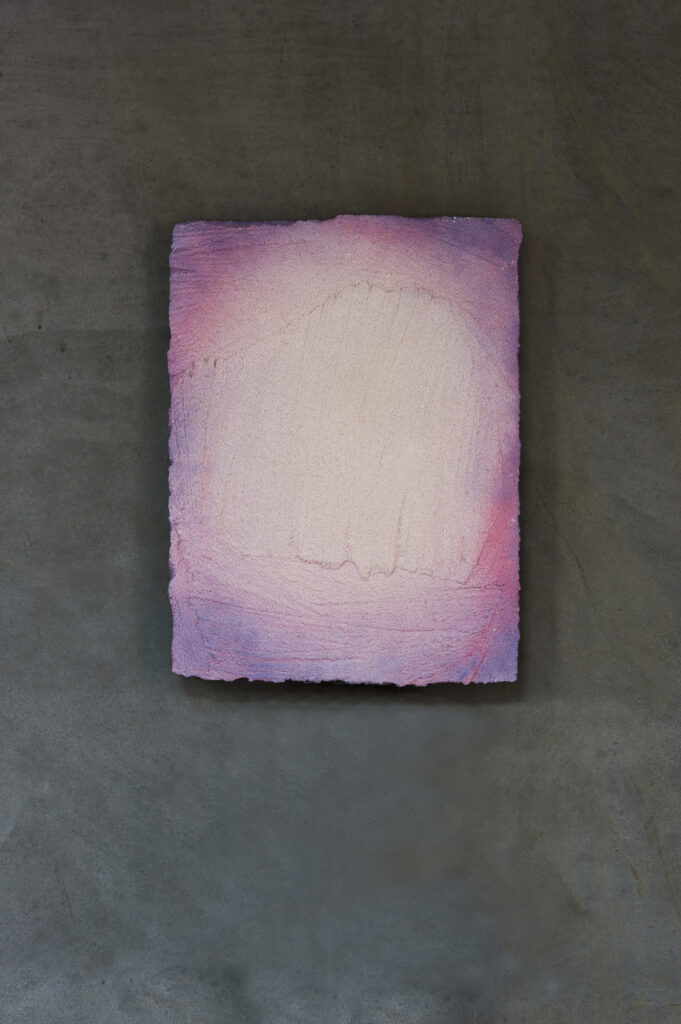
Leaning a framed work against the wall rather than hanging it is the fastest way to make a mantel look composed instead of installed. Layer two frames of different sizes with the smaller in front and slightly offset, and let one overlap the other by a third. Moreover, leaning gives you a shelf you can change in ten seconds, which is the whole appeal of a mantel over a fixed gallery wall. Our look at how designers are redefining wall decor covers the wider question of what goes above a shelf.
Sculpture and objects with presence
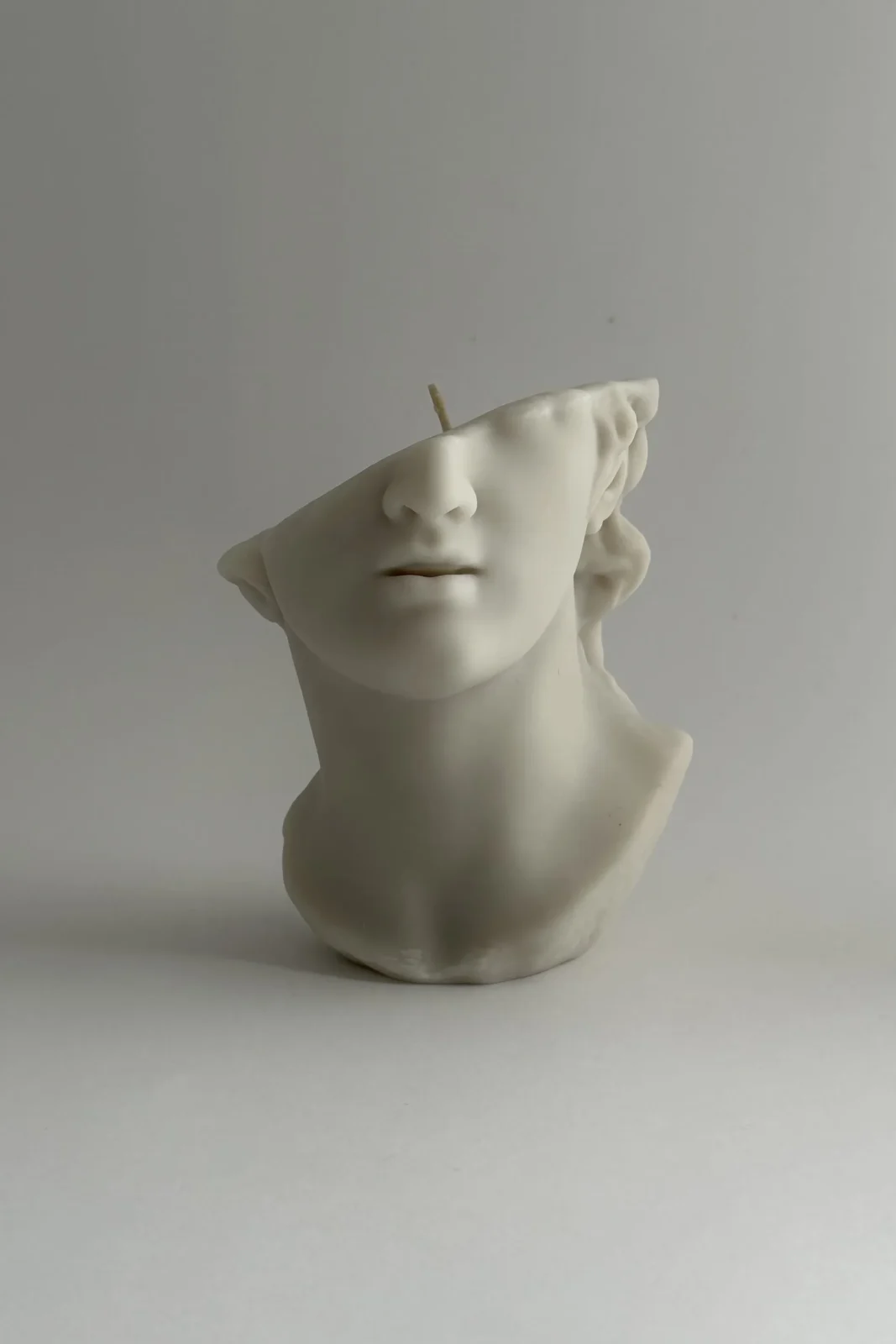
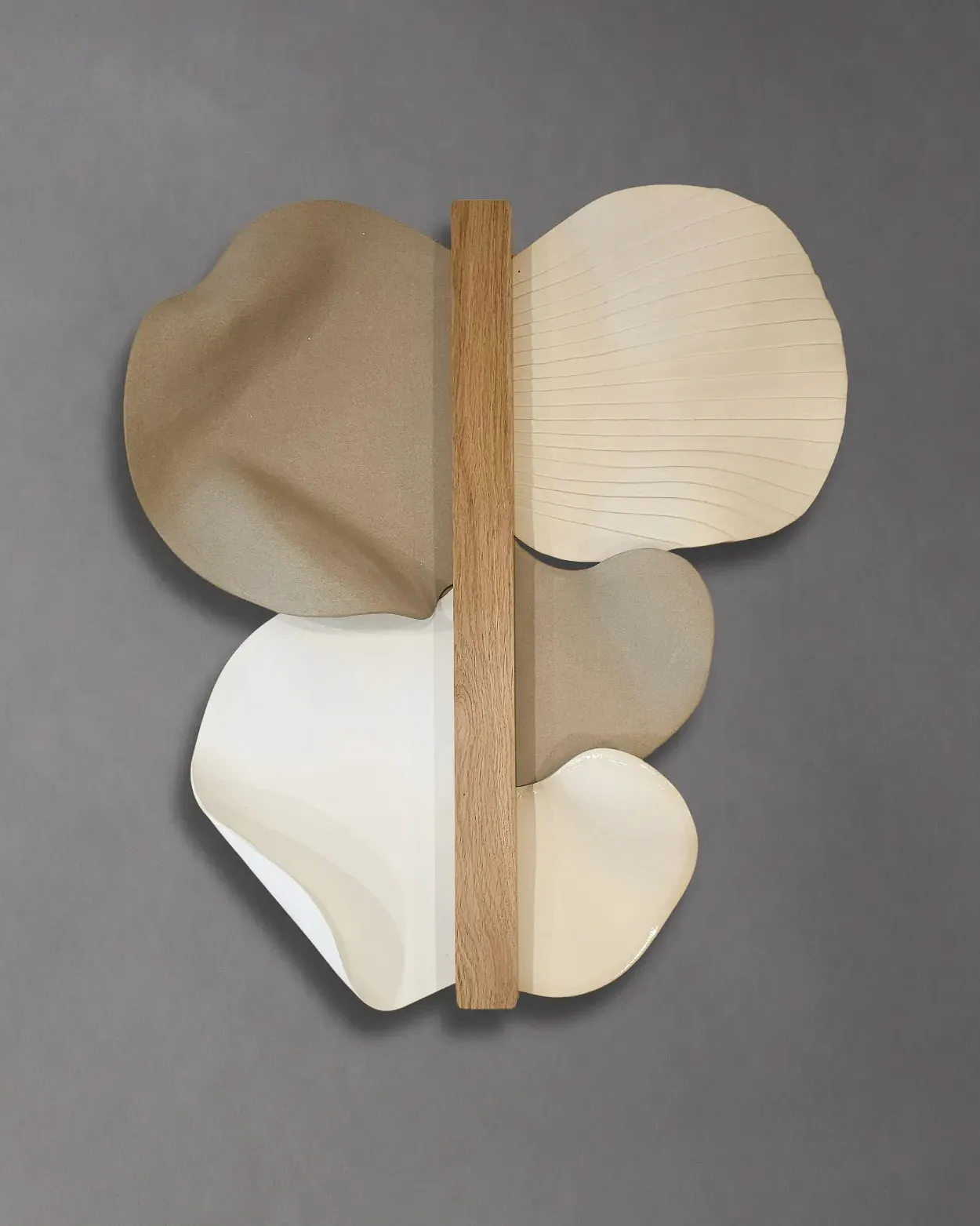
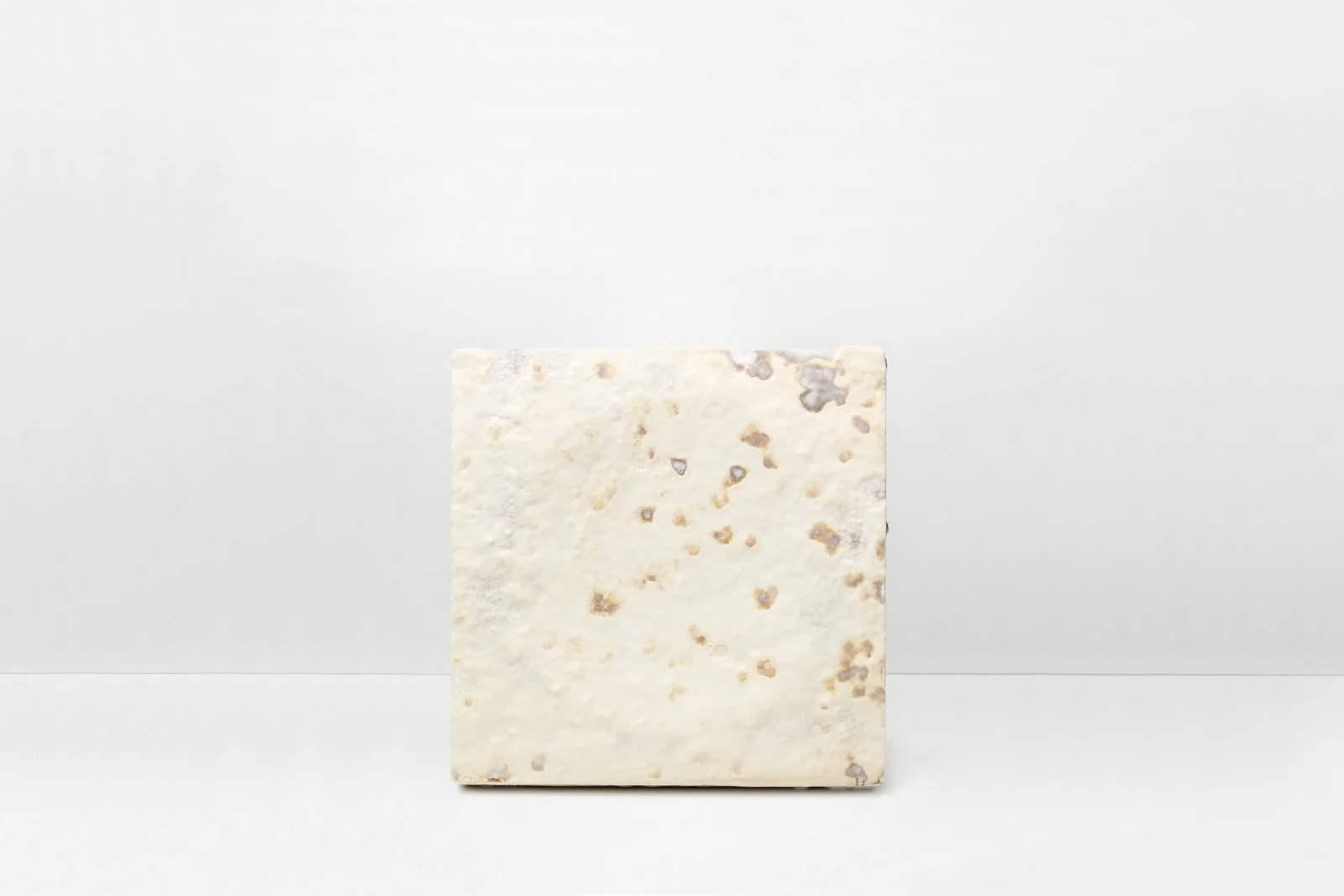
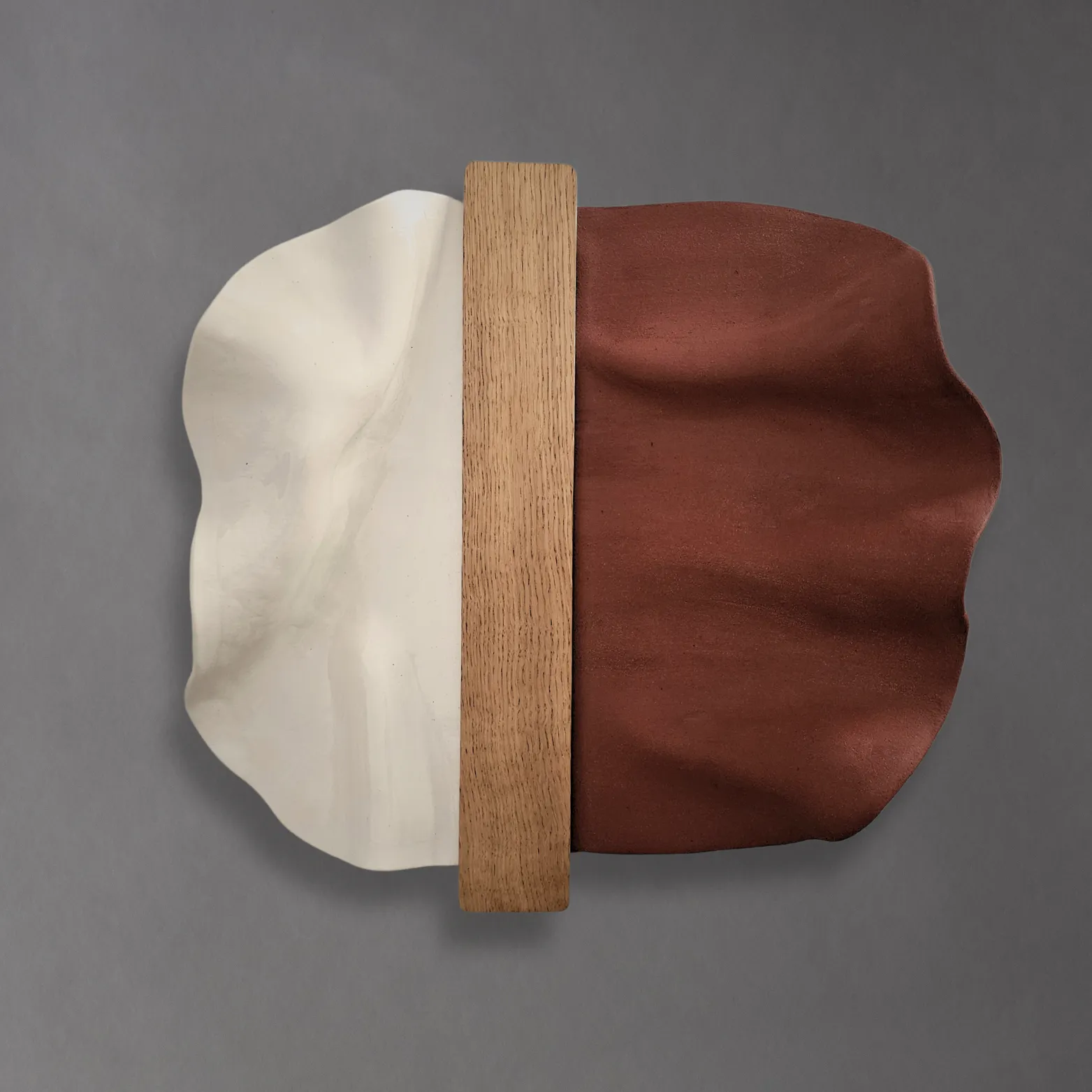
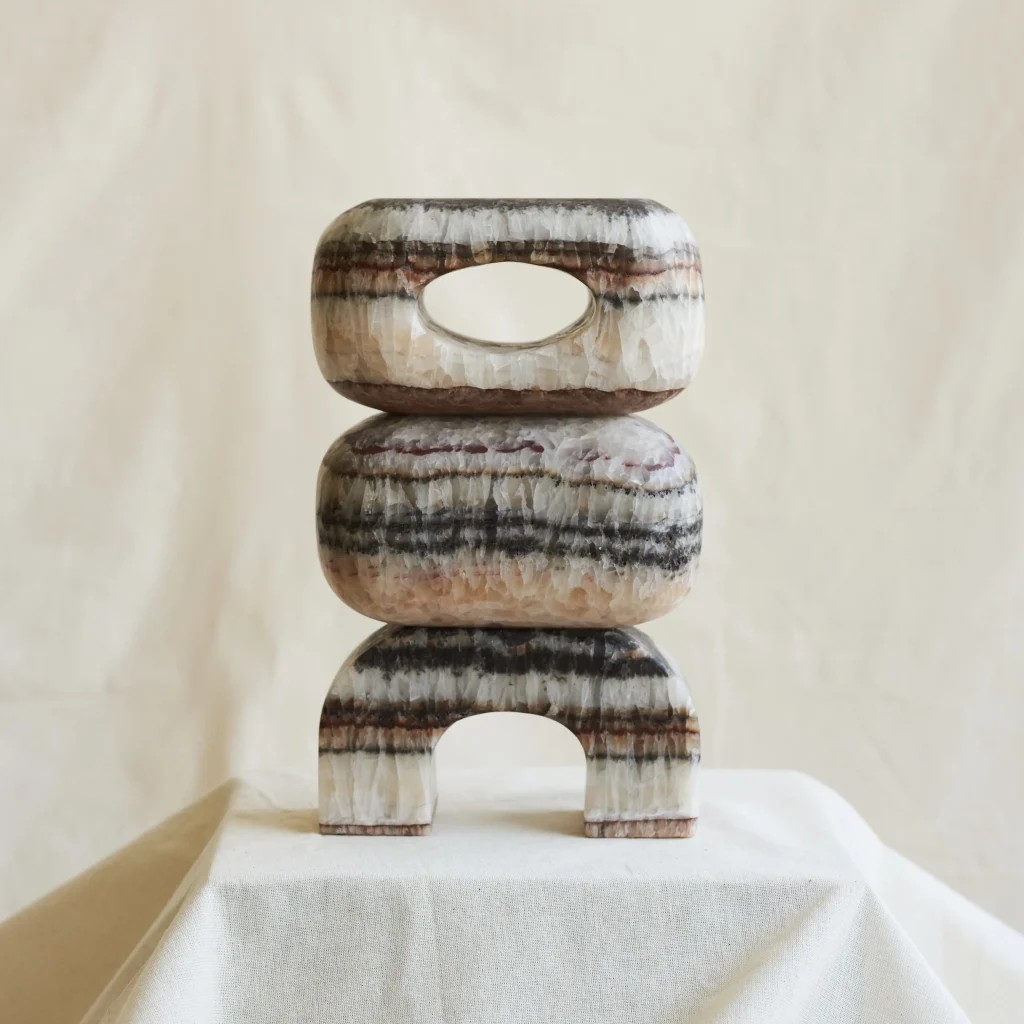
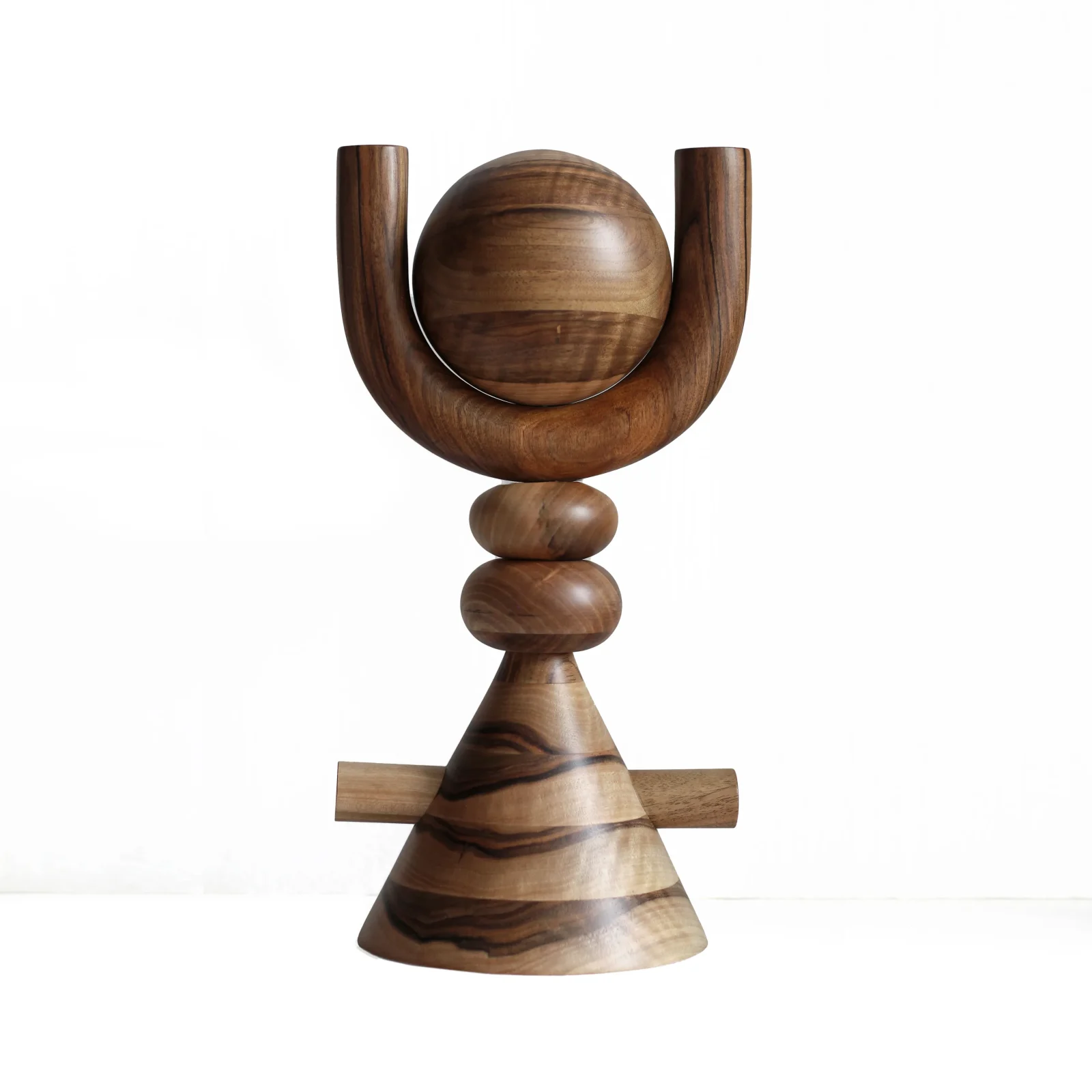
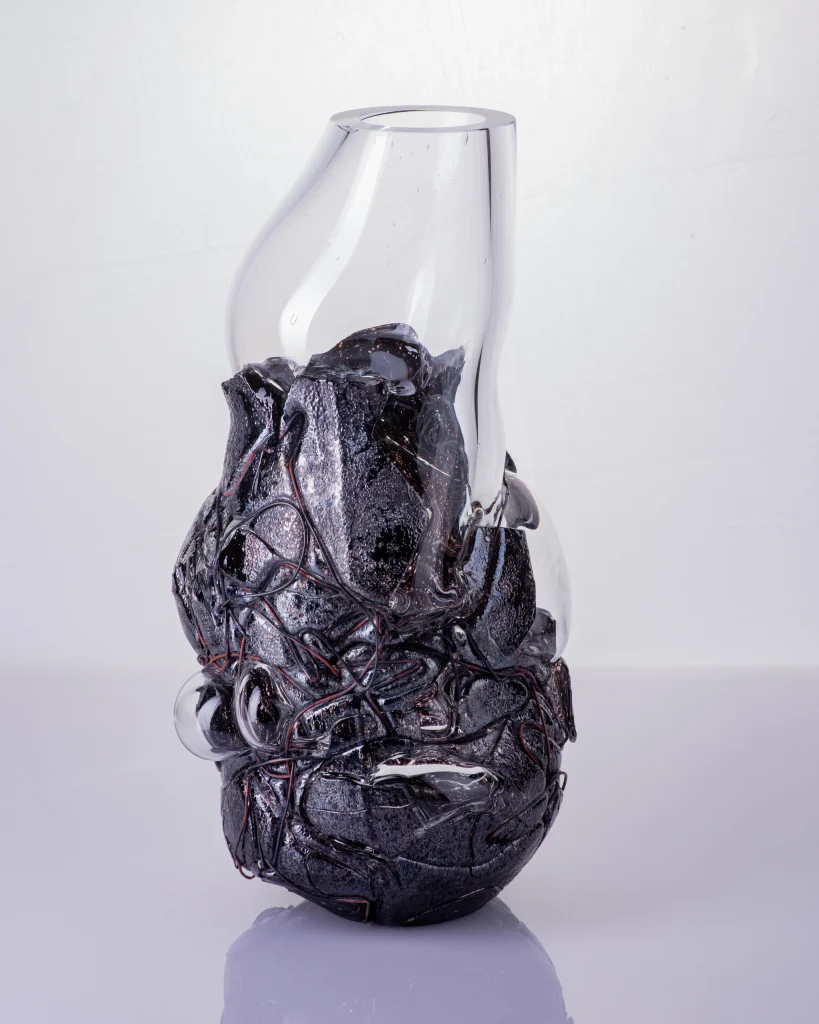
One object of real substance beats five small ones, and a mantel is the best place in most homes to put something that does nothing useful at all. Sculptural pieces work here precisely because the shelf is shallow and the sightline is direct — there is nowhere to hide, so the object has to hold up. By contrast, small decorative items scatter along the shelf and turn into visual noise from across the room. Our feature on abstract sculpture makes the case at more length.


Vases, greenery and clocks
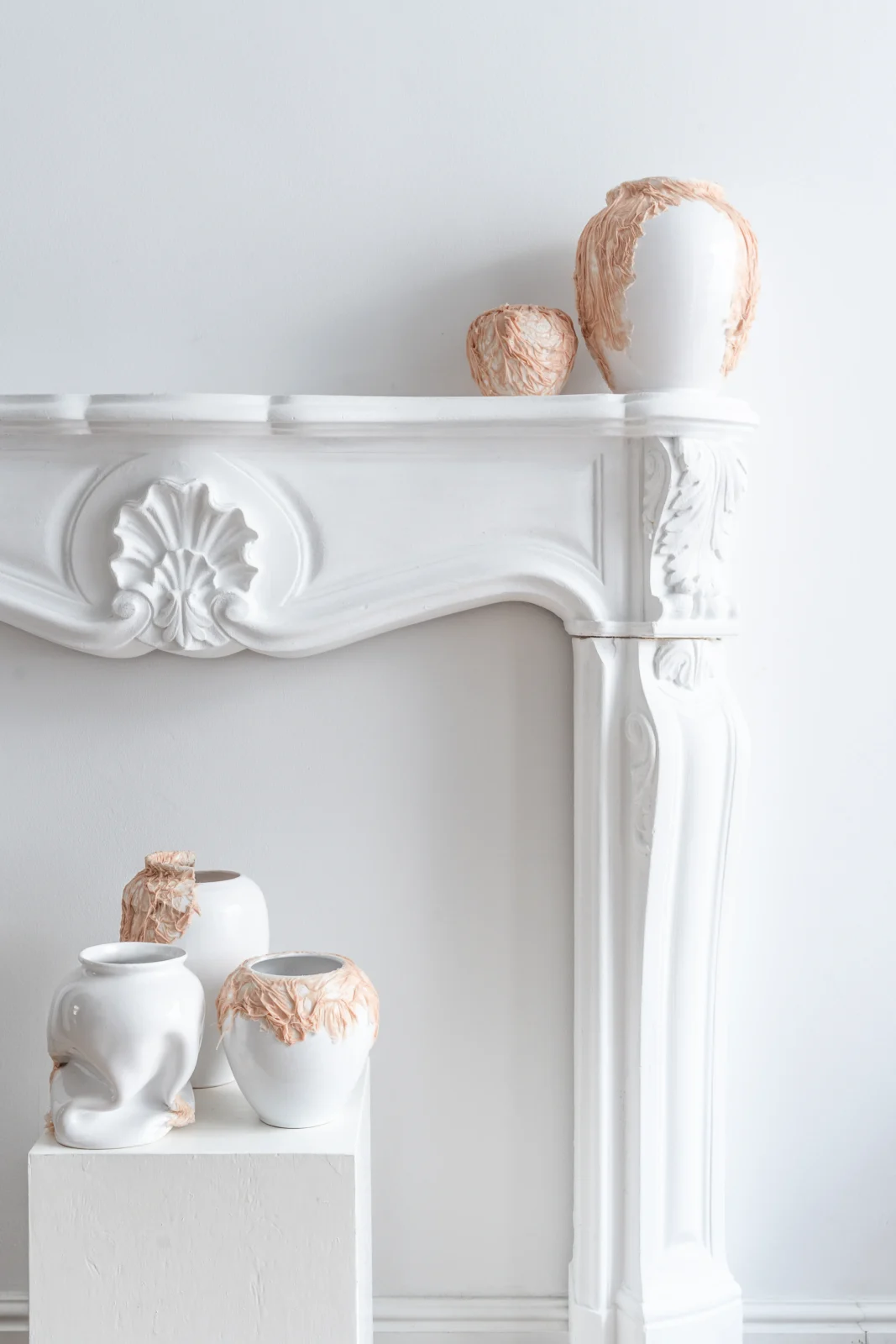
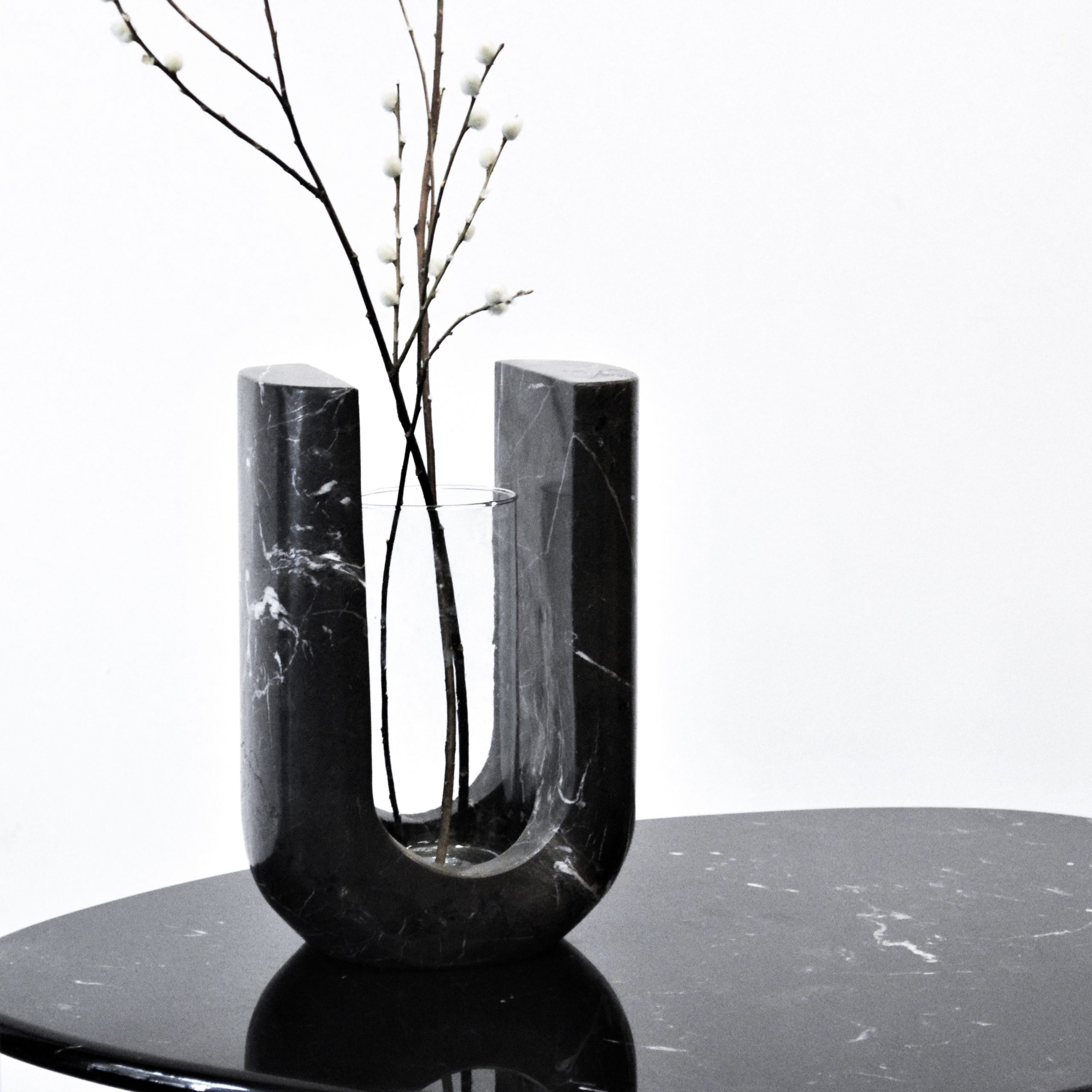
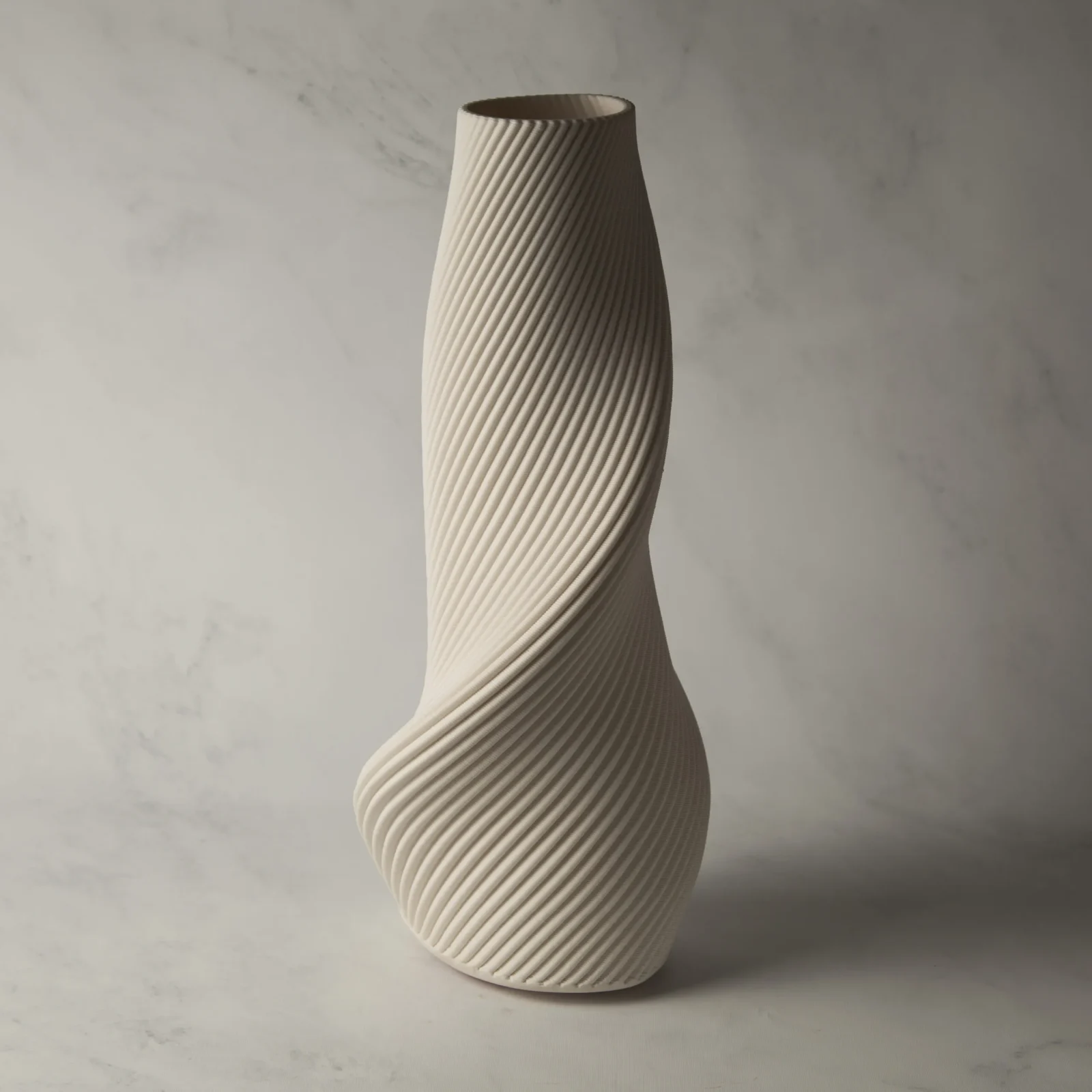
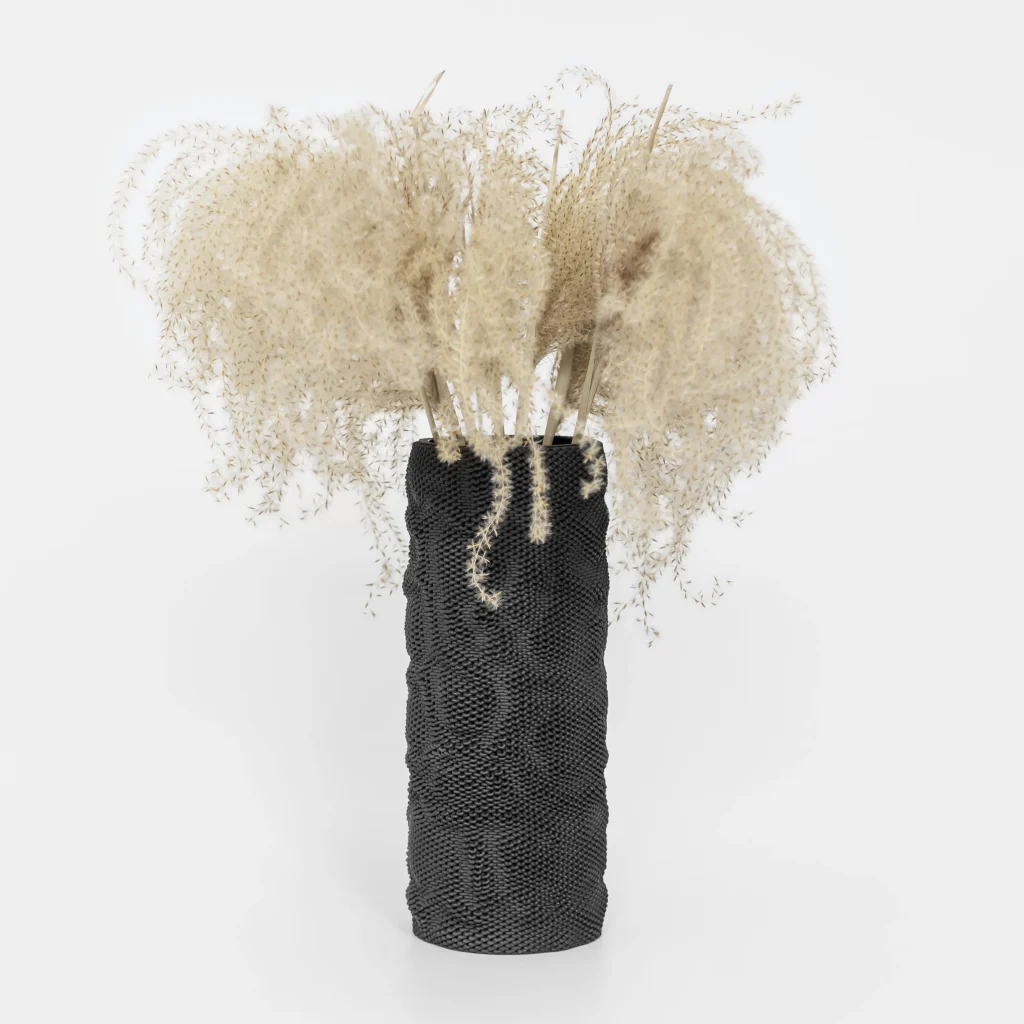
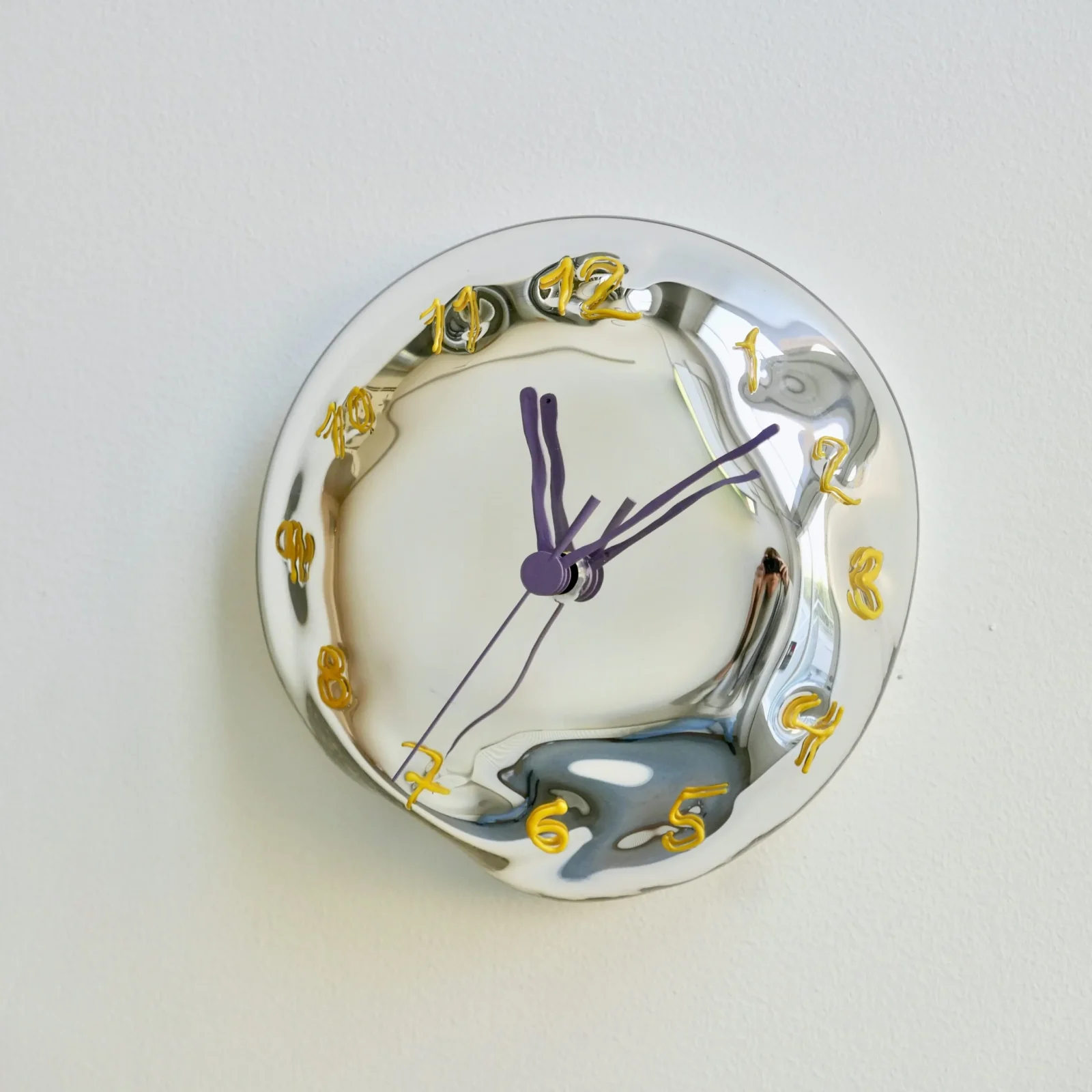
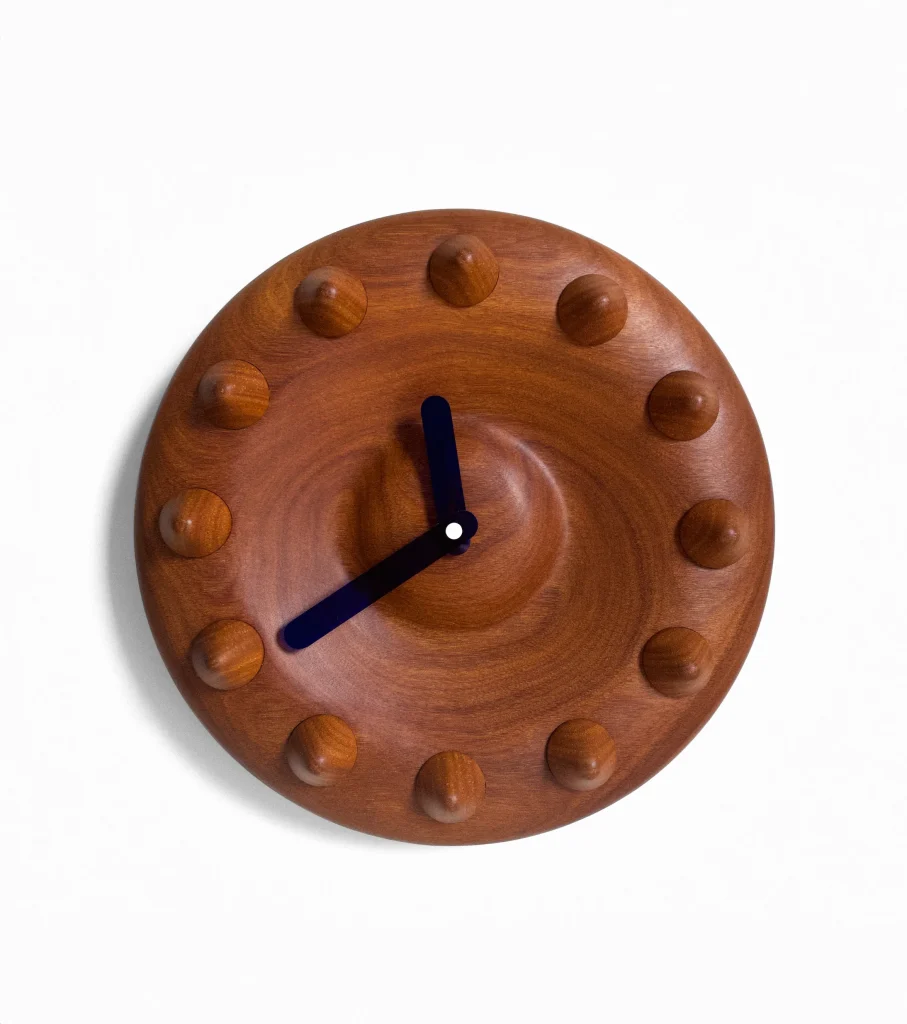
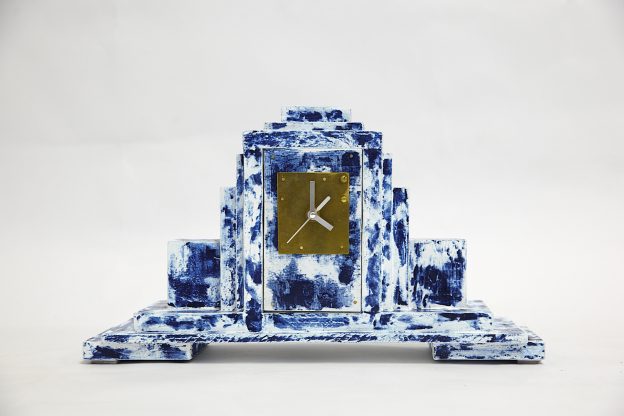
A vessel gives a mantel width without weight, and works best asymmetrically — one vase toward an end, holding branches tall enough to break the mirror line. Trailing greenery softens a hard stone surround, though avoid anything living directly above a working fire, where the heat will finish it in a fortnight. Mantel clocks carry more baggage: a genuine antique or a well-designed contemporary one earns its central position, whereas a reproduction placed centrally is the single most reliable way to make a fireplace look staged. If a clock goes on the shelf, let it be the anchor rather than one item among many.
Everyday mantel decor, not seasonal
A great deal of mantel advice assumes you are decorating for an occasion. In practice most people want a shelf that looks considered in February as well as December, and that requires a different approach: a fixed structure plus a small changeable element.
Build the permanent layer first — the anchor mirror or artwork, one sculptural object, one candle arrangement. These stay all year and carry the composition. Then leave one position free for whatever changes: branches in spring, dried grasses in autumn, evergreen in December, nothing at all in the weeks between. Consequently the shelf never needs stripping and rebuilding, only editing. Furthermore, a mantel built this way survives the moment when the seasonal element is removed, which is exactly when fully themed shelves look bare.
The test for any object on a year-round mantel is simple: would this still make sense in June? A brass candleholder passes. A cast aluminium sculpture passes. A cinnamon-scented wreath does not, which is fine, so long as it lives in the changeable position rather than the structural one. There is more on seasonal shifts in our guide to autumn decorating.
Heat, safety and what it does to your objects
This is the part that most mantel styling skips, and it is the reason a lot of beautifully arranged shelves quietly degrade.
A working fireplace pushes warm air up the face of the chimney breast, and the mantel shelf traps some of it underneath. Over a season, that does real damage. Specifically: unsealed timber frames dry and split, veneers lift, wax candles soften and bend, oil paintings and photographs suffer, and adhesives in cheaper frames fail. Mirror glass is generally fine, but mirror backing and painted frames are less forgiving. Consequently the objects that belong above a real fire are metal, stone, plaster, ceramic and glass — which is not a coincidence, since that is what mantel objects were traditionally made of.
Some practical limits. Keep candles at least 30cm from the wall behind and never directly under an overhanging frame. Do not let anything flammable hang over the front edge of the shelf. Where the fire is used regularly, rotate anything organic — dried stems, greenery, textiles — rather than leaving it in place for months. Meanwhile, if the fireplace is decorative or unused, none of this applies and the shelf is simply a shelf, which considerably widens what you can put on it.
One more thing worth knowing: a mirror directly above a working fire will show soot before the wall does. That is useful information rather than a problem — it tells you the flue needs attention.
The hearth and the space below
Almost all mantel advice stops at the shelf, which leaves the more visible half of the fireplace unaddressed. The hearth and the opening are at floor level, directly in the sightline from a seated position, and they set the tone for everything above.
Where the fire is used, the objects here are functional and should look it: a log holder or basket, tools in metal rather than a matched decorative set, a fender if the hearth is shallow. Genuine cast iron and steel age well and read as equipment rather than ornament. Where the fireplace is unused, the opening becomes one of the better display positions in a house — a single substantial object in the void reads far better than logs stacked for appearance, and stacked birch in an unused grate has become the visual shorthand for a fireplace that does not work. Alternatively, candles in the opening restore the light the fire used to provide, which is the most honest use of a dead hearth.
Mantel styles
Modern and pared-back
Modern mantel decor is mostly subtraction: one anchor, one object, one light source, and a great deal of empty shelf. The discipline is resisting the urge to fill the ends. A single sculptural piece placed off-centre on an otherwise bare mantel is a complete arrangement, and it reads as confidence rather than absence.
Elegant and traditional
The traditional register does allow symmetry, but it earns it through quality rather than matching — a pair of real candlesticks, a substantial overmantel mirror, and restraint everywhere else. Elegant fireplace mantel decor fails when symmetry is achieved with two of something inexpensive; it works when the objects would hold up individually.
Rustic and material-led
Rustic mantel decor depends on genuine wear: reclaimed timber, hand-thrown ceramic, blackened metal, real patina. Consequently it is the style most damaged by reproduction, since the whole effect rests on the objects having a history. One salvaged piece outperforms a shelf of things manufactured to look old.
Common mantel mistakes
- Undersized mirror or art. The most frequent error by a wide margin. Anything less than half the mantel width looks marooned on the chimney breast.
- Hanging too high. Aligning the mirror to the ceiling rather than the fireplace breaks the connection between the two. Ten to fifteen centimetres above the shelf, near standing eye level.
- Rigid symmetry. Matched pairs at both ends with something central reads as a display unit. Offset the anchor and let the two halves differ.
- Everything the same height. A row of objects at one level flattens the shelf. Build a clear high, middle and low.
- Everything the same height. A row of objects at one level flattens the shelf. Build a clear high, middle and low.
- Filling every gap. A third of the shelf should stay empty. Crowding is what separates a styled mantel from an accumulated one.
- Ignoring the reflection. A mirror showing a blank ceiling wastes the one advantage a mirror has.
- Styling only from the front. Check from the doorway. Always.
- Forgetting the television. Where a screen sits above the fireplace, the mantel is competing with a black rectangle and should hold low, wide objects only. Stacking tall pieces beneath a screen makes both look wrong.
A mantel styling checklist
- Measured the mantel width and worked out two-thirds of it for the mirror or artwork
- Chosen an anchor and placed it off-centre
- Left 10–15cm between the shelf and the bottom of the mirror
- Checked what the mirror will reflect from the opposite wall
- Built a clear tallest, middle and lowest element
- Grouped small items in threes, not pairs
- Varied depth as well as height, with one object pushed back and one forward
- Left roughly a third of the shelf empty, weighted toward the centre
- Confirmed every material near a working fire is metal, stone, plaster, ceramic or glass
- Kept candles 30cm clear of the wall and out from under overhanging frames
- Reserved one position for the seasonal element, so the rest stays year-round
- Walked to the doorway and looked back
Frequently asked questions
What size mirror should go over a fireplace?
Roughly two-thirds to three-quarters the width of the mantel shelf. On a 150cm mantel, that means a mirror around 100–115cm wide. Going narrower than half the shelf width makes the mirror look marooned, and going wider than the shelf itself makes it look unsupported.
How high should a mirror hang above a mantel?
Leave 10–15cm between the top of the mantel shelf and the bottom edge of the mirror, with the center of the mirror around 150–160cm from the floor. Align it to the fireplace rather than centering it in the wall space above, since the mirror belongs to the fireplace visually.
How many things should be on a mantel?
Four to seven objects on a standard shelf, plus one anchor above it. Fewer works well in a pared-back scheme; more than about seven reads as accumulation from across the room. Group them in odd numbers with a third of the shelf left empty.
Is it safe to put a mirror above a working fireplace?
Mirror glass itself handles the heat of a normal domestic fire without trouble. The vulnerable parts are painted or timber frames, adhesives and mirror backing, which can dry, lift or discolour over a season of regular use. Metal, stone and plaster frames are the safer choices, and leaving clearance above the shelf helps considerably.
What can I put on a mantel instead of a mirror?
A large framed artwork leaning against the wall, a single sculptural object, a wall-mounted piece that combines light and reflection, or nothing at all above a well-composed shelf. Where the chimney breast is narrow or the ceiling low, leaving the wall bare and letting the objects on the shelf carry the composition often works better than forcing a mirror in.
How do I decorate a mantel for everyday rather than for a holiday?
Build a permanent layer — anchor, one sculptural object, one candle arrangement — and leave a single position free for whatever changes with the season. The test for anything in the permanent layer is whether it would still make sense in June. That way the shelf is edited rather than rebuilt, and it never looks bare in the weeks after the seasonal element comes off.
The shelf that sets the room
A mantel rewards restraint more than almost any surface in a home, because it is shallow, it sits at eye level, and it is seen from a distance by everyone who walks in. Get the anchor sized right, offset it, build a triangle of heights, and leave a third of the shelf alone, and the composition holds — whatever style the room is in and whatever season it happens to be.
What the surface asks for, then, is few objects that can survive scrutiny: cast aluminium that branches like a root system, charred timber salvaged from a window frame, crystal glass that turns a flame into a halo. None of these needs a holiday to justify it. Put them on a mantel in March and they hold the wall just as well as they do in December, which is the only real test a year-round shelf has to pass.
