
-
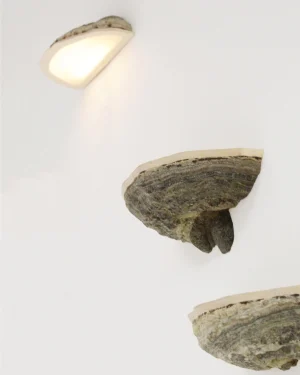 In stock
Ticka – Fungi Wall Shelf
By Olle Sahlqvist
€250 - €450 This product has multiple variants. The options may be chosen on the product page -

Ju – Modular Wall Shelf
By PROSA
€1.285 This product has multiple variants. The options may be chosen on the product page -
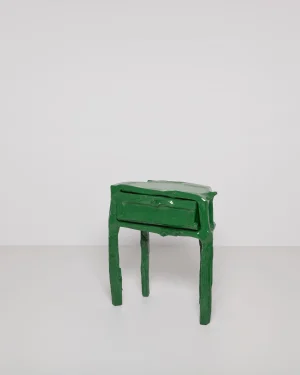 In stock
Splitted Round Cabinet Green
By Teun Zwets
€3.915 -

Binario Ill – Bookcase
By SABAN FURKAN
€6.500 -
 In stock
Danae Room Divider
By Hasik Design Studio
€6.800 -
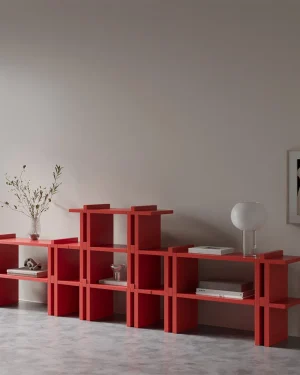
Pin – Modular Shelf System
By hermhaus
€1.114 - €1.776 This product has multiple variants. The options may be chosen on the product page -
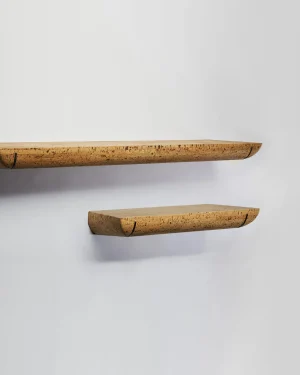 In stock
Mortaise Shelf – Cork
By Clemence Birot
€384 - €509 This product has multiple variants. The options may be chosen on the product page -
 In stock
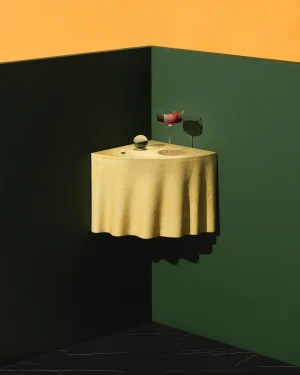
DUK x Reishi Edition Wall-Mounted Corner Table
By Studio TOOJ
€2.900 -
 In stock
Enclave Shelving Unit
By Arbore x Cezar Moldovan
€18.450 -
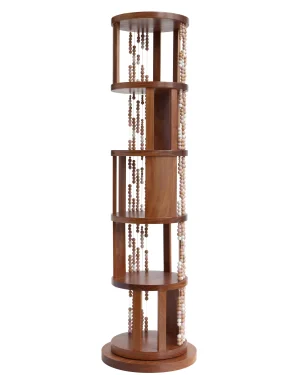
Contas Round Swivel Bookcase – Cabreuva Wood / Ceramic
By YANKATU
€5.100 -

The Mono-leg Architectural Bookshelf In Brazilian Hardwood
By am.o atelier
€4.386 -
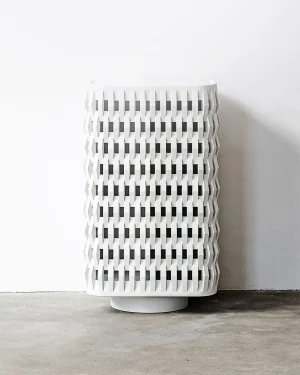
Chain Mail (single-door Cabinet)
By ZEMNA
€3.760 -
 In stock
Book Monster
By JLF Design Studio
€10.000 -

The Control Panel
By ilan
€280 This product has multiple variants. The options may be chosen on the product page -
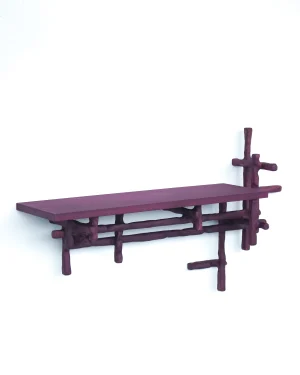
Hedera – Oak Wood Medium Wall Shelf
By Studio Onno Adriaanse
€1.440 -

Walnut Veneer Bookcase
By Petra Madalena
€5.681 -
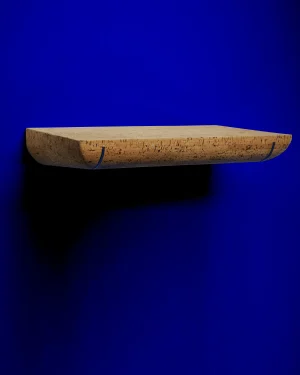 In stock
Mortaise – Cobalt Blue Cork Shelf
By Clemence Birot
€384 - €509 This product has multiple variants. The options may be chosen on the product page -
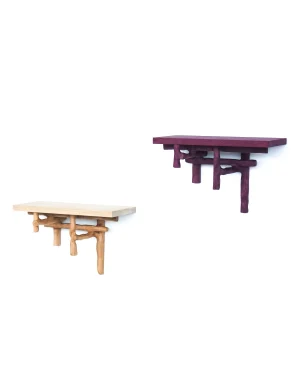
Hedera – Wall Shelf S
By Studio Onno Adriaanse
€636 This product has multiple variants. The options may be chosen on the product page -
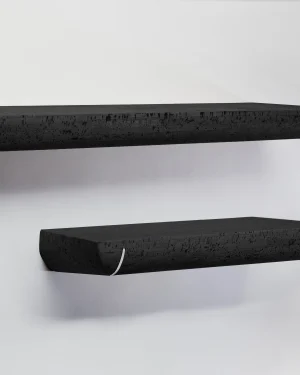 In stock
Mortaise Shelf – Black Edition
By Clemence Birot
€400 - €525 This product has multiple variants. The options may be chosen on the product page -
 In stock
De Vita Ad Vitam: The Mirror As A Philosophical Object
By Yury Goncharov
€9.600 -
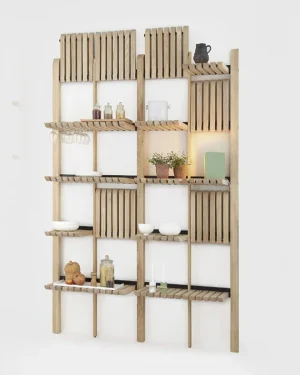
Gate – Modular Shelving System Natural Ashwood
By SVITANOK
€4.220 - €11.370 This product has multiple variants. The options may be chosen on the product page -
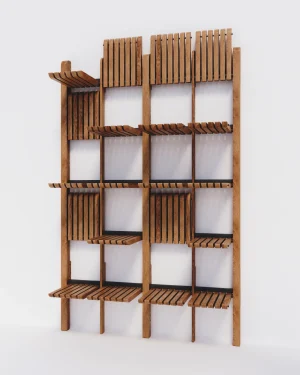
Gate – Modular Shelving System Walnut Stained
By SVITANOK
€4.600 - €12.400 This product has multiple variants. The options may be chosen on the product page -

Gate – Modular Shelving System Black Stained
By SVITANOK
€5.000 - €13.450 This product has multiple variants. The options may be chosen on the product page -

Kabiki Cabinet/totem
By Daniel Couttolenc
€9.850 -
 In stock
Succession – Leather / Textile Cabinet
By FARG & BLANCHE
€6.000 -
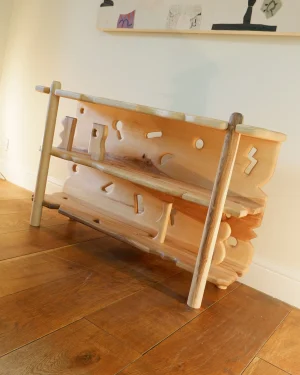
Cut Out Ash Wood Sideboard
By Josh Page Studio
€1.790 -

Palissandro Santos Bookcase
By Petra Madalena
€5.681 -
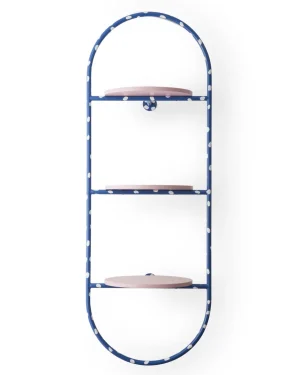
“Teteia” Wall Shelf
By Cultivado em Casa
€1.281 -
 In stock
Chaga Shelf
By Olle Sahlqvist
€2.500 -
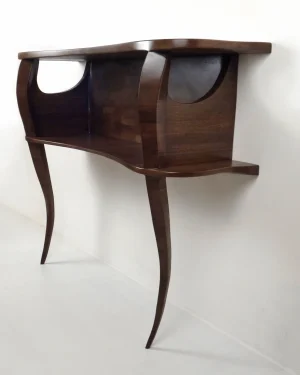
Lxv – Walnut Wall Shelf
By Aaron Scott
€5.800 -
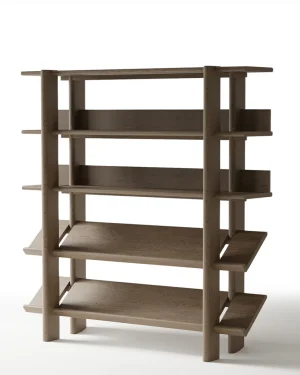
Line Bookshelf – Solid Wood
By hermhaus
€6.604 -
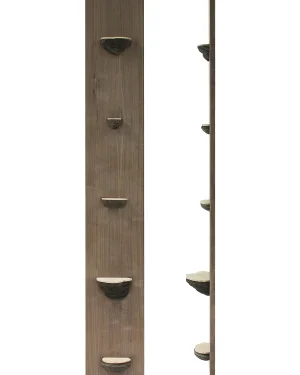 In stock
Tickshelf
By Olle Sahlqvist
€4.000 -
 In stock
Kloss Shelf
By Olle Sahlqvist
€1.000 -
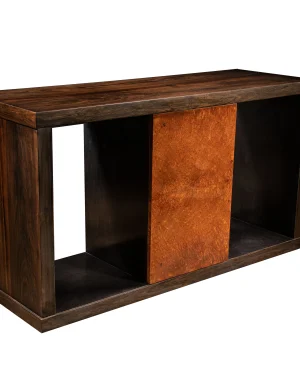
Bertolucci – Exotic Wood / Bronze Credenza
By Costantini Design
€8.147 This product has multiple variants. The options may be chosen on the product page -
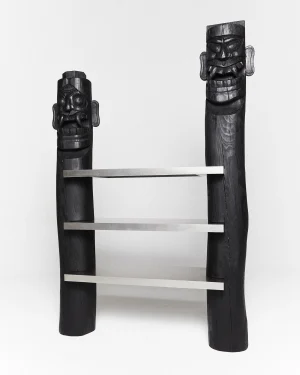 In stock
Narrative 002
By STUDIO KIMBYUNGSUB
€9.000 -
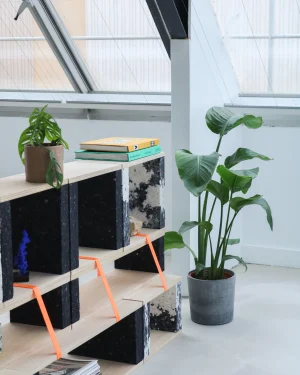 In stock
L’intervalle “s” / Shelving Unit // Reimagined Textile
By FabBRICK
€3.166 -
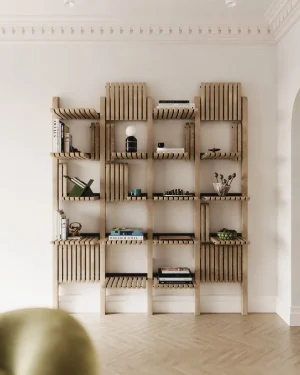
Gate – Modular Shelving System Lacquered Finish
By SVITANOK
€4.220 - €11.370 This product has multiple variants. The options may be chosen on the product page -
 Sold
SoldEmérita
By Moneo Brock Studio
€8.000 - €11.000 This product has multiple variants. The options may be chosen on the product page -

Pecan – Wood / Steel Sculptural Shelf
By SALAK Studio
€3.000 -
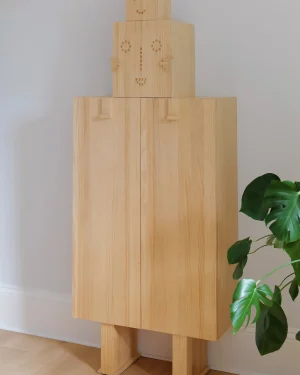
Furniture Friends – Cabinet No. 1 (pino)
By STUDIO FP
€6.030 -

Doressā – Wooden Credenza
By Moneo Brock Studio
€10.000 -

Pop – Wood/steel Wall Shelf
By SALAK Studio
€390 -

Gate – Modular Shelving System Honey Stained
By SVITANOK
€4.600 - €12.400 This product has multiple variants. The options may be chosen on the product page -

Etno – Rotary Shelf
By SALAK Studio
€1.500 -
 In stock
Cabinet From The 1+1+1 Series
By AaltoAalto Studio
€2.600 -

“Not only hollow” cabinet
By Dirk Vander Kooij
€6.162 -
 In stock
Vidly – Racking System
By StorqueStudios
€1.229 -
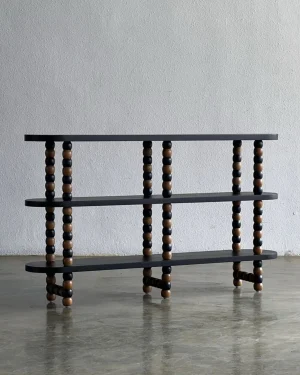
Onde Shelf – Natural Teak + Black
By STUDIO KALLANG
€3.850 -
 Sold
SoldGavrinis Sideboard – Solid Oak Wood
By Vital Lainé
€2.500 -
 In stock
The Podium
By Haritini Gritzali
Price Upon Request -

“candy” Bookshelf | Liquid Metal
By Giselle Vanessa Johnson
€8.770 This product has multiple variants. The options may be chosen on the product page -
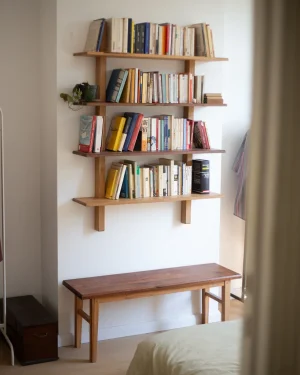 Sold
SoldOak And Walnut Bookshelf
By OggettoForte
€1.250 -
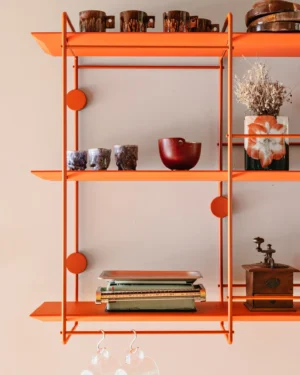
Dots #3 Shelving Unit
By F.studio
€1.100 This product has multiple variants. The options may be chosen on the product page -

Galea Bibliothèque
By Mokko
€9.530 - €13.730 This product has multiple variants. The options may be chosen on the product page
Wooden shelves bring the grain, weight and warmth of a single material into a piece built for both storage and display. Studios working in walnut, oak, pine and dense Brazilian hardwoods choose wood for the way it ages rather than fades, and lean on cabinetmaking and joinery to let a shelf carry books, ceramics or glass without strain. The result sits somewhere between furniture and architecture, framing a wall or a room according to the species and finish chosen.
What defines wood in shelving
Wood reads differently depending on species. Walnut leans dark and tight-grained, oak shows a wider figure that lightens with sun exposure, and pine stays pale and soft, taking knocks more readily than the denser hardwoods. Brazilian woods often bring a closer grain and a deeper, reddish tone, prized where a shelf needs to read as solid rather than light.
Finish matters as much as species. An oiled or waxed surface lets the wood breathe and darkens gradually with handling, while a lacquered or painted shelf in black, white or beige holds its color and resists marking but masks some of the grain beneath. Both routes are structural choices, not just visual ones, since an open finish shows every scratch while a sealed one hides minor wear.
The range of wood, color and technique on ADORNO
Alongside solid walnut, oak and pine, wooden shelves appear worked by hand through wood carving, veneering and joinery, sometimes paired with iron, stainless steel or aluminum brackets and frames for a piece that reads as part wood, part metal. Colors run from natural brown and dark brown through beige, white, black and occasional accents in blue or red, spanning styles from Mid-Century Modern and Bauhaus to Brutalist, Boho Chic and Minimalist. Editions vary by studio: some shelves are produced as open editions, others as limited runs or unique pieces where the wood itself, with its particular grain and knots, makes no two examples quite alike.
For a broader look at how these approaches carry into other rooms, wooden furniture across the gallery shows the same species and joinery applied to seating and tables, and wooden tables follow similar rules of scale and finish.
How to choose a wooden shelf
Start with scale: a floating shelf asks little of a wall but still needs blocking strong enough to hold its load, while a tall wood bookcase needs floor space and ceiling clearance accounted for before it arrives. Height governs use as much as look, since eye-level shelving suits display and lower runs suit books and everyday objects pulled down often.
- Match the wood's tone to existing floors and trim rather than to other furniture alone.
- Choose an oiled finish where you want the surface to darken and show use, lacquer where you want color to stay constant.
- Leave clearance in front of a shelf for doors, seating or foot traffic, particularly in a narrow room.
Where wooden shelves work
Living rooms and studies take them as bookcases and display walls, kitchens use shallower wood shelving for everyday ware kept in reach, and hallway shelves in wood offer a narrow surface for keys, mail and a single object without crowding a passage. In each case the wood itself, rather than the hardware, sets the tone of the room.
Caring for wood shelving
Keep wood shelves out of direct, prolonged sun to slow uneven fading, and wipe spills quickly since standing moisture can mark an oiled or unsealed surface. Dust with a dry or barely damp cloth, and refresh an oiled finish occasionally to keep the surface from drying out and the grain from raising. Beyond that, wood asks for little: it is a material that tends to improve with handling rather than demand upkeep.
For the full range of forms and materials in this part of the gallery, see all shelves, or narrow by other attributes such as minimalist shelves. Every wood piece across categories, not only shelving, can be found under every wood piece on ADORNO.
How do I choose a wooden shelf?
Consider the wood's weight and grain against the room, and whether the piece should stand alone or carry books and objects daily. Joinery and panel thickness determine how much load a shelf holds over time.
How do you care for wooden shelves?
Dust with a dry or slightly damp cloth, keep wood away from direct heat and prolonged damp, and oil or wax occasionally depending on the finish. Solid wood will shift slightly with humidity, which is normal.
What size shelf do I need?
Depth and spacing depend on what the shelf holds, books need more depth than objects, and wall-mounted pieces should align with eye level or architectural lines in the room. The maker can confirm exact dimensions through Chat with the maker on the piece's page.
Which rooms suit wooden shelves?
Wood reads as warm and settled, suited to living rooms, studies, bedrooms and hallways alike, and pairs with both painted walls and exposed brick or plaster.
Does wood color or grain vary between pieces?
Yes, grain pattern and tone vary by species and by individual board, so two shelves in the same wood can look slightly different. The maker can confirm specific coloring through Chat with the maker on the piece's page.
How does ADORNO handle shipping and returns?
Shipping is insured and worldwide. Returns are accepted within 14 days, except for made-to-order pieces, and each shelf arrives with a certificate of authenticity.