




-
 In stock
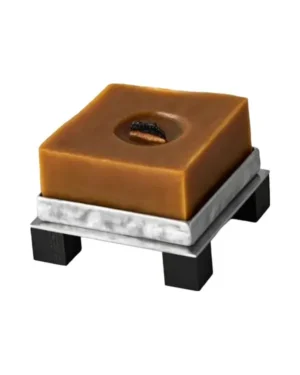
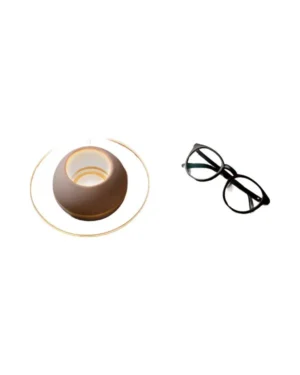
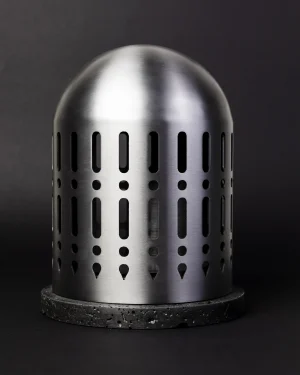
Medaillon – Incense Burner & Candle Holder
By Boo Design Studio
€202 - €240 This product has multiple variants. The options may be chosen on the product page -
 In stock
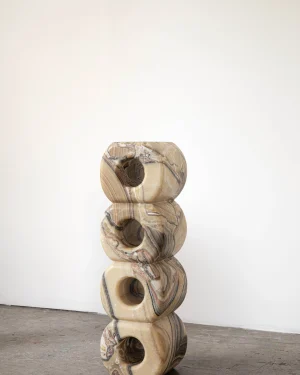
Roma Stone Totem
By Studio Ayres
€2.348 -
 In stock
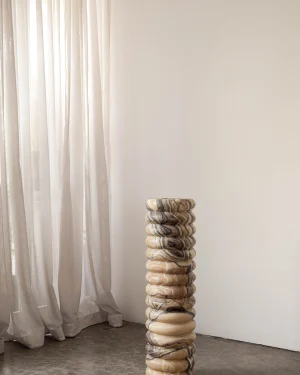
Antigua Stone Totem
By Studio Ayres
€2.348 -
 In stock
Eteria – Travertine Stand
By CARRARA
€35 -
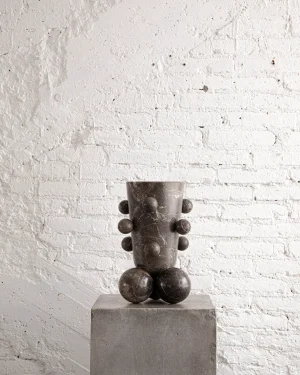
Pollux – Stone Vase
By Studio Ayres
€840 -

Fos Deco 07
By Daniel Orozco Estudio
€2.238 -
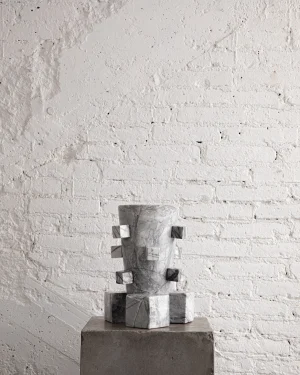
Capella Stone Vase
By Studio Ayres
€840 -
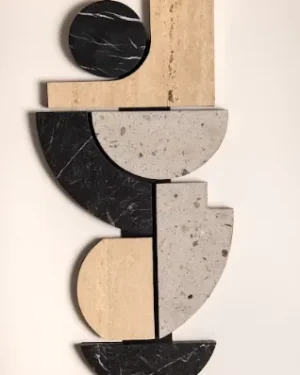 In stock
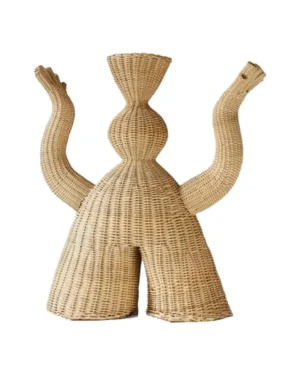
Zm Maria Sculpture
By Daniel Orozco Estudio
€1.845 -
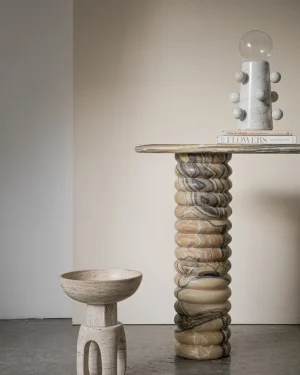
Don’t Be Square – Stone High Vase
By Studio Ayres
€1.056 -
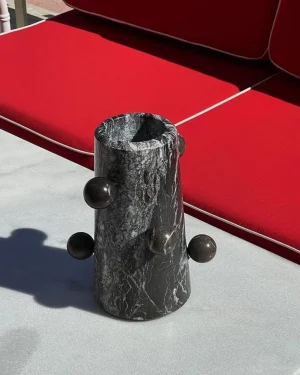
Alma Nueva Marble Vase
By Studio Ayres
Price Upon Request
Travertine decor brings the pitted, sun-warmed surface of a sedimentary stone into bowls, vases, trays and small sculptural objects, shaped by studios working in stone carving and hand-finishing. Each piece carries the natural fissures and veining that form as the stone deposits around mineral springs, so no two surfaces read quite the same. The material favors weight and simplicity over ornament, letting the stone itself carry the room.
What defines travertine as a material
Travertine forms in layers, which gives it a faint banding and small open pores that studios either leave raw or fill and polish smooth. It sits in warm neutrals, beige, cream, gray and occasionally a deeper rust, so it reads as a stone color family rather than a loud statement. Because it is porous, it absorbs oils and liquids more readily than marble, which is part of why it suits decorative objects better than daily food contact surfaces.
The stone is heavy for its size, which means even a small bowl or vase carries real weight on a shelf or table. That density also makes it resistant to tipping and gives it a settled, permanent feel that lighter materials rarely achieve.
The range of travertine decor on ADORNO
Within decor, travertine sits alongside stone relatives such as marble, onyx and black marble, and occasionally pairs with stainless steel in objects that combine a carved base with a metalworked element. Finishes range from honed and matte to polished surfaces that bring out the veining, and styles span brutalist blocks, contemporary rounded forms and looser, boho chic shapes. Editions vary by studio: some pieces are produced as open editions, others as limited runs or unique pieces where the stone's natural markings make each one singular. For a fuller view of what is carved, sculpted or hand-built in this stone, the full range of travertine pieces spans well beyond decor into tables and lighting.
How to choose a piece
Scale and placement matter more with travertine than with lighter materials, since a small object can still look substantial once set down. Consider the piece in proportion to the surface it will sit on, a side table or console can carry a larger bowl than a narrow shelf.
- Honed, matte finishes suit rooms where you want the stone to recede into the background.
- Polished finishes catch light and suit pieces meant to draw the eye, such as a vase near a window.
- Darker or rust-toned travertine reads warmer and pairs well with wood furniture, while pale beige stone sits closer to white walls and stone floors.
Where travertine decor sits in a room
These pieces suit living rooms, entryways and bedrooms where a single grounded object can anchor a shelf, console or side table. Bathrooms work too, provided the piece stays away from standing water, since porous stone can stain or etch with prolonged moisture contact. Kitchens are better suited to sealed or polished pieces kept clear of acidic spills, such as lemon juice or vinegar, which can dull the surface over time.
For rooms built around a stone or metal palette, travertine decor pairs naturally with the sculptural weight of travertine tables or the softened glow of travertine lighting, letting the same material repeat across different heights in a room without feeling matched.
Caring for travertine objects
Dust with a dry or barely damp cloth rather than soaking the surface, since standing water can seep into the stone's natural pores. Avoid acidic cleaners, which etch the surface the same way they etch marble, and reseal polished pieces occasionally if they sit somewhere exposed to oils or humidity. Treated gently, travertine ages by gaining a slightly softer sheen rather than breaking down, which is part of why the stone has lasted in architecture for centuries. If a piece's natural variation and one-off markings matter most to you, the unique, less uniform side of stone decor is worth a look through unique decor.
How do I choose the right travertine decor piece?
Look at the stone's veining and tone, since each block reads differently, then weigh its weight and finish against the room's light and the other surfaces it will sit near.
How do you care for travertine decor?
Wipe with a soft, dry or barely damp cloth, keep it away from acidic liquids like wine or vinegar, and seal occasionally since the stone is porous and can stain.
Does travertine decor work in bathrooms or near water?
Travertine tolerates humidity but its pores absorb liquid, so standing water or acidic splashes should be wiped promptly and the surface resealed from time to time.
What size objects and rooms suit travertine decor?
Travertine carries real weight even in small bowls or candle holders, so it anchors tabletops, shelves and consoles best in entryways, living rooms and dining spaces.
Is every travertine piece one of a kind?
Natural veining means no two pieces look identical, though only pieces marked as unique or limited are made in restricted numbers; the maker can confirm details through Chat with the maker.
What are ADORNO's shipping, returns and authenticity policies?
Shipping is insured and worldwide, returns are accepted within 14 days except on made-to-order pieces, and every piece arrives with a certificate of authenticity.