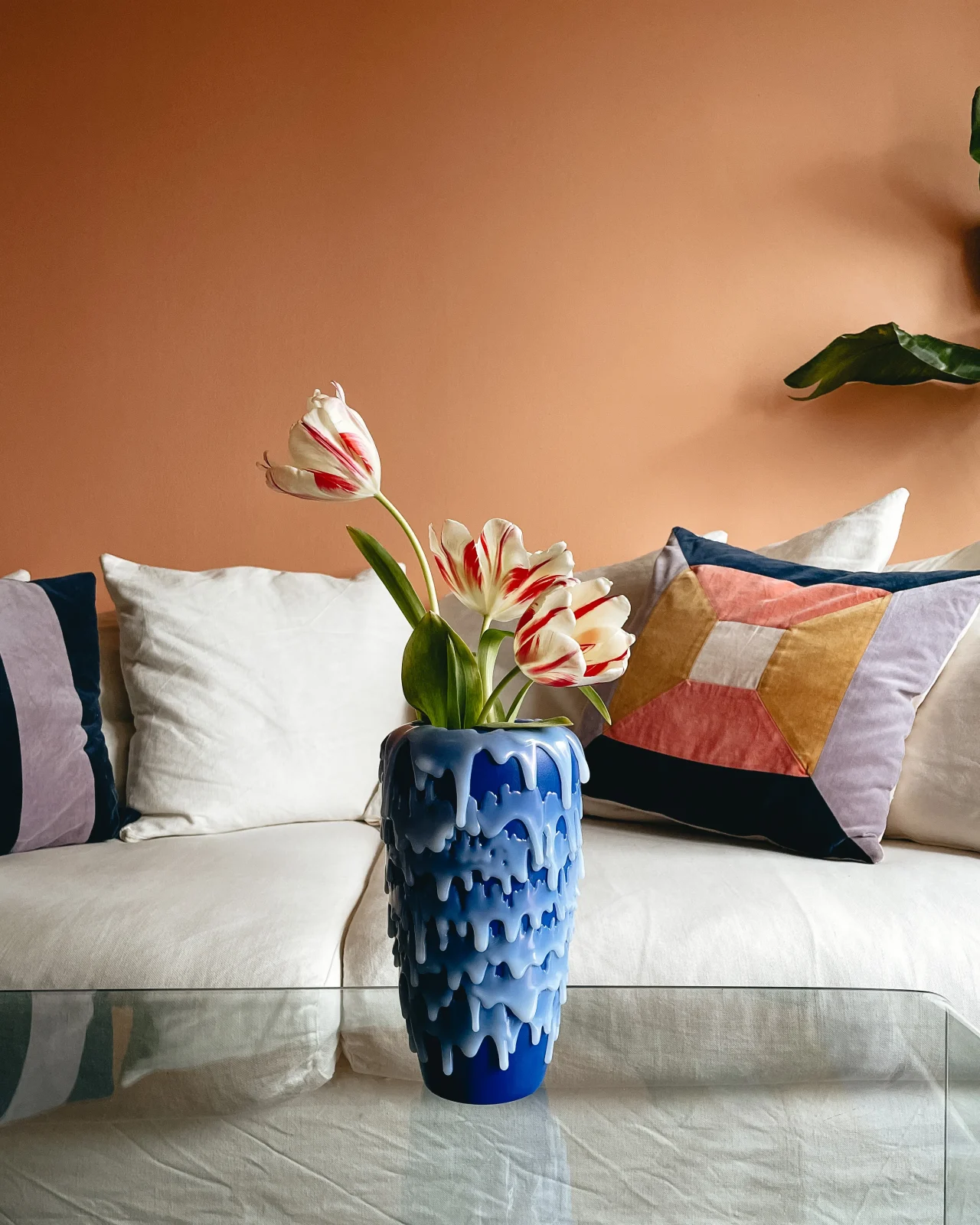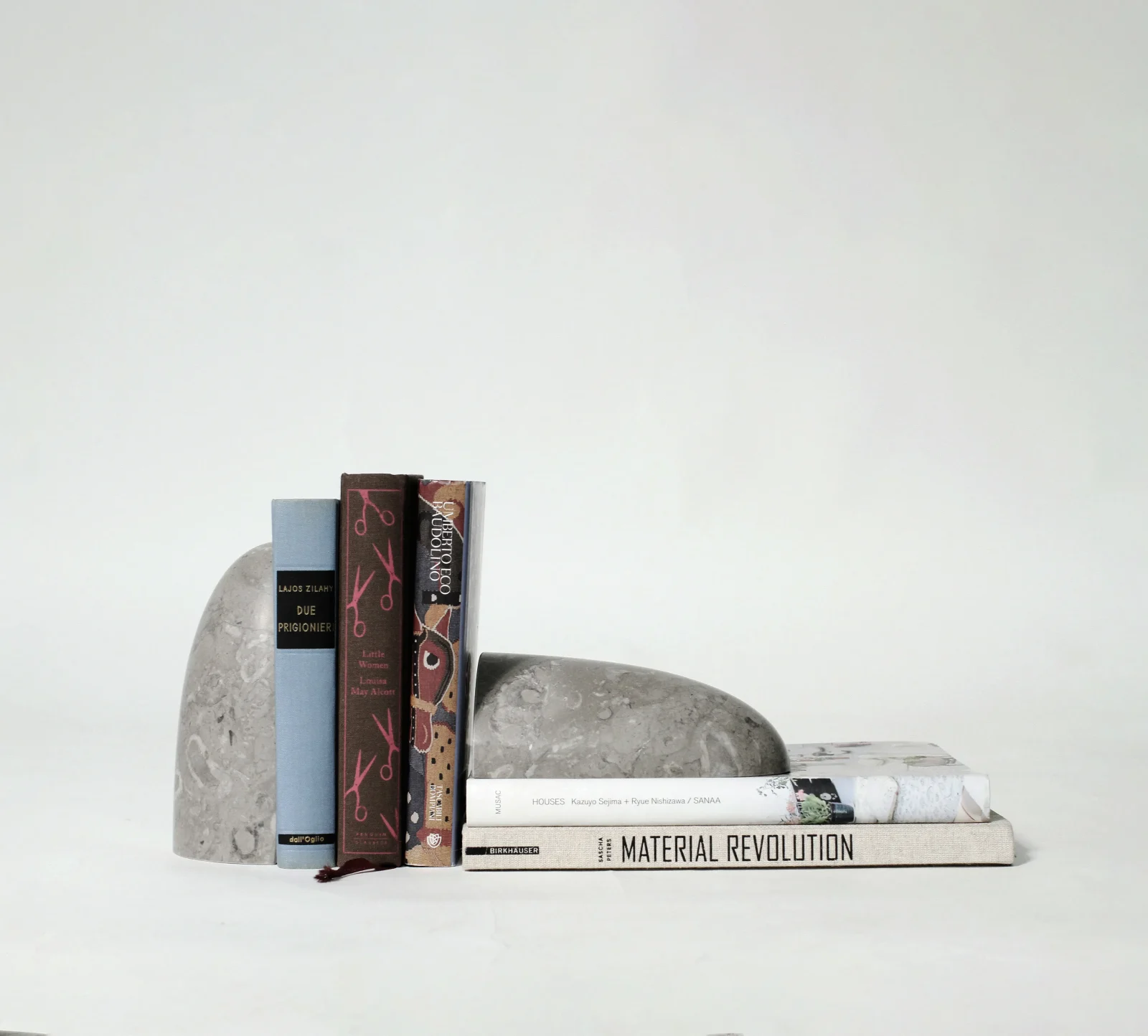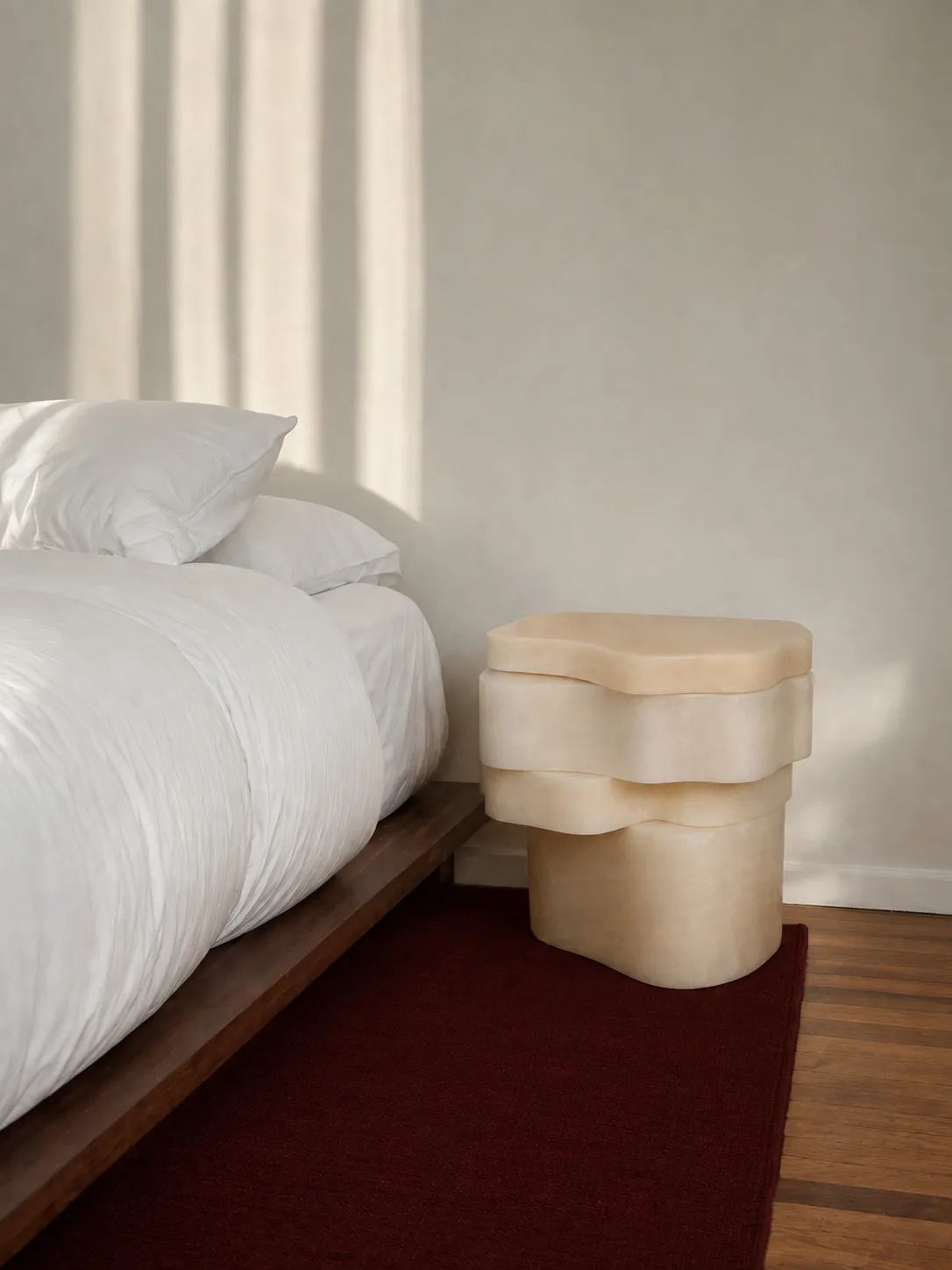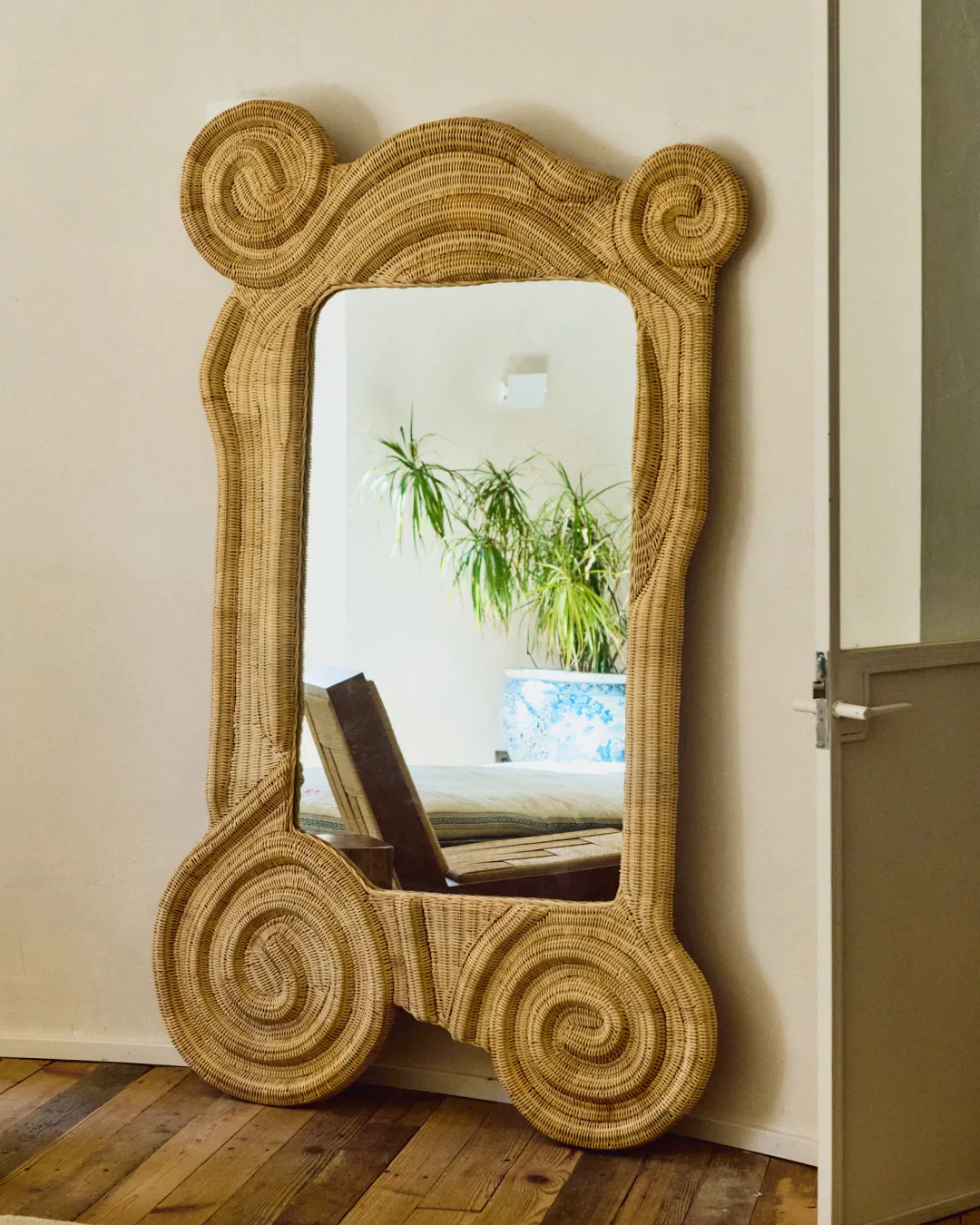
The oldest fired clay in the world is still one of the most contemporary materials in the room.
Updated on: November 12, 2026
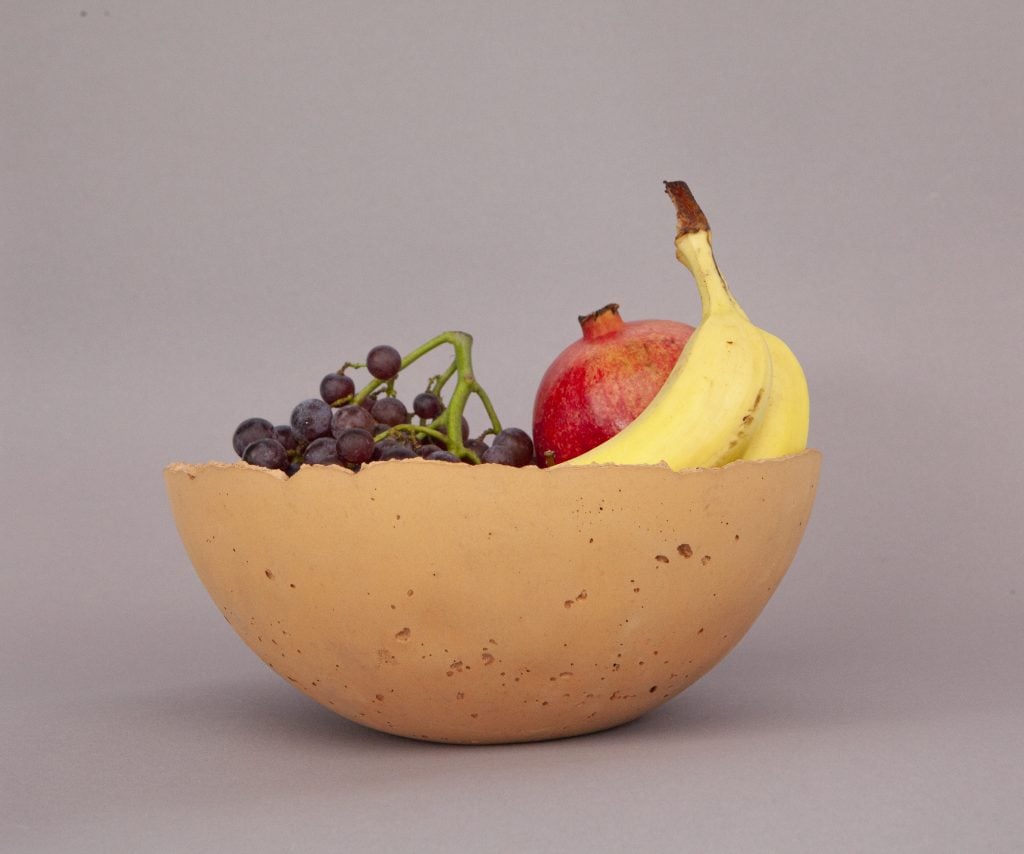
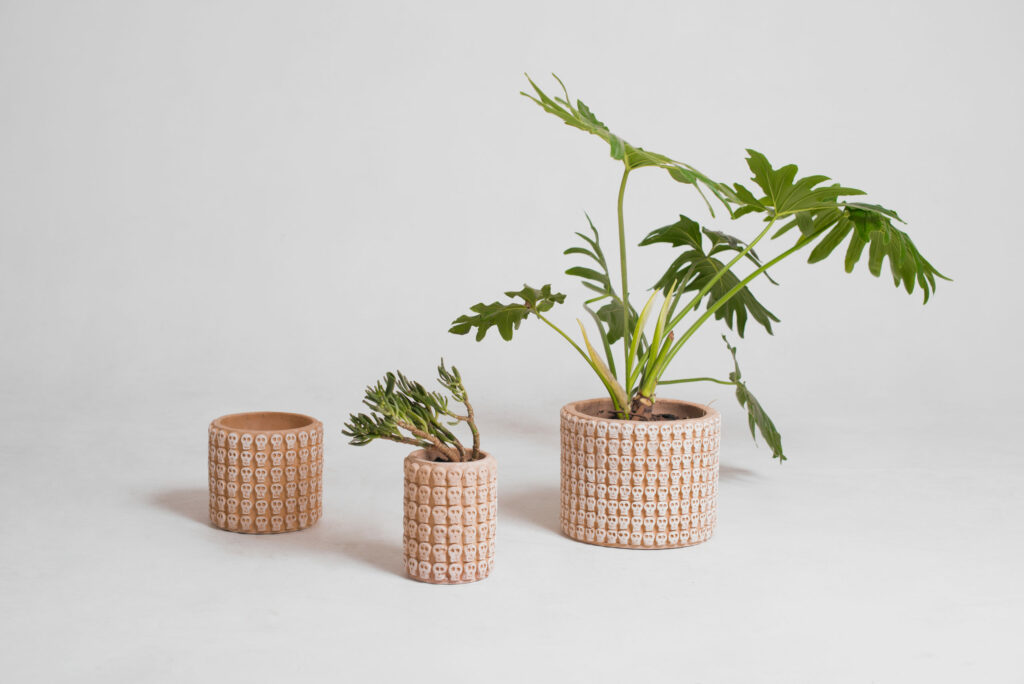
Earthenware is clay fired at relatively low temperatures, and it is the oldest kind of pottery there is. Long before stoneware or porcelain, people shaped earthenware into water jars, cooking pots and roof tiles, and its warm, porous body still carries that history. Today, designers use it for lamps, sculpture and even furniture, often leaving its raw, earthy surface on show.
Here is what earthenware is, how it differs from stoneware and porcelain, how to care for it, and six contemporary pieces in earthenware and terracotta.
What Is Earthenware?
Earthenware is pottery made from clay that is fired at around 1,000 to 1,150°C (1,830 to 2,100°F). At these temperatures the clay does not fully vitrify, so the finished body stays slightly porous and absorbs water unless it is glazed. That porosity is not a flaw: it is what kept water cool in traditional jars, as moisture seeped through the walls and evaporated.
Its color depends on the clay, from pale buff to deep red. Terracotta, Italian for “baked earth”, is simply unglazed red earthenware, rich in iron. Furthermore, because it is fired at lower temperatures, earthenware takes bright glazes well, which is why it has carried folk decoration across cultures for centuries.
Earthenware vs Stoneware vs Porcelain
The three main kinds of ceramics differ mostly in clay and firing temperature, and that changes how they behave at home.
Earthenware is fired lowest, at about 1,000 to 1,150°C (1,830 to 2,100°F). It is porous, lighter and more prone to chipping, warm in tone, and needs a glaze to hold water.
Stoneware is fired at about 1,200 to 1,300°C (2,190 to 2,370°F). The clay partly vitrifies, so it is dense, strong and largely waterproof even unglazed, which makes it the usual choice for everyday tableware.
Porcelain is fired hottest, at about 1,250 to 1,400°C (2,280 to 2,550°F), from fine white kaolin clay. It is hard, non-porous and often translucent when thin. For a deeper look at the other two, see our guide to ceramics and stoneware.
How to Care for Earthenware
Because earthenware is porous, treat it a little more gently than stoneware. Unglazed terracotta absorbs water and stains, so keep it away from oils and wipe it with a damp cloth rather than soaking it. Glazed earthenware can hold water, but small cracks in the glaze, called crazing, can let moisture in over time.
Avoid sudden temperature changes, which can crack a porous body, and lift pieces from the base rather than the rim. Outdoors, bring unglazed pots inside before a frost. Consequently, a well-kept piece only gets better with age, as the clay darkens and softens with use.
Earthenware in Contemporary Design
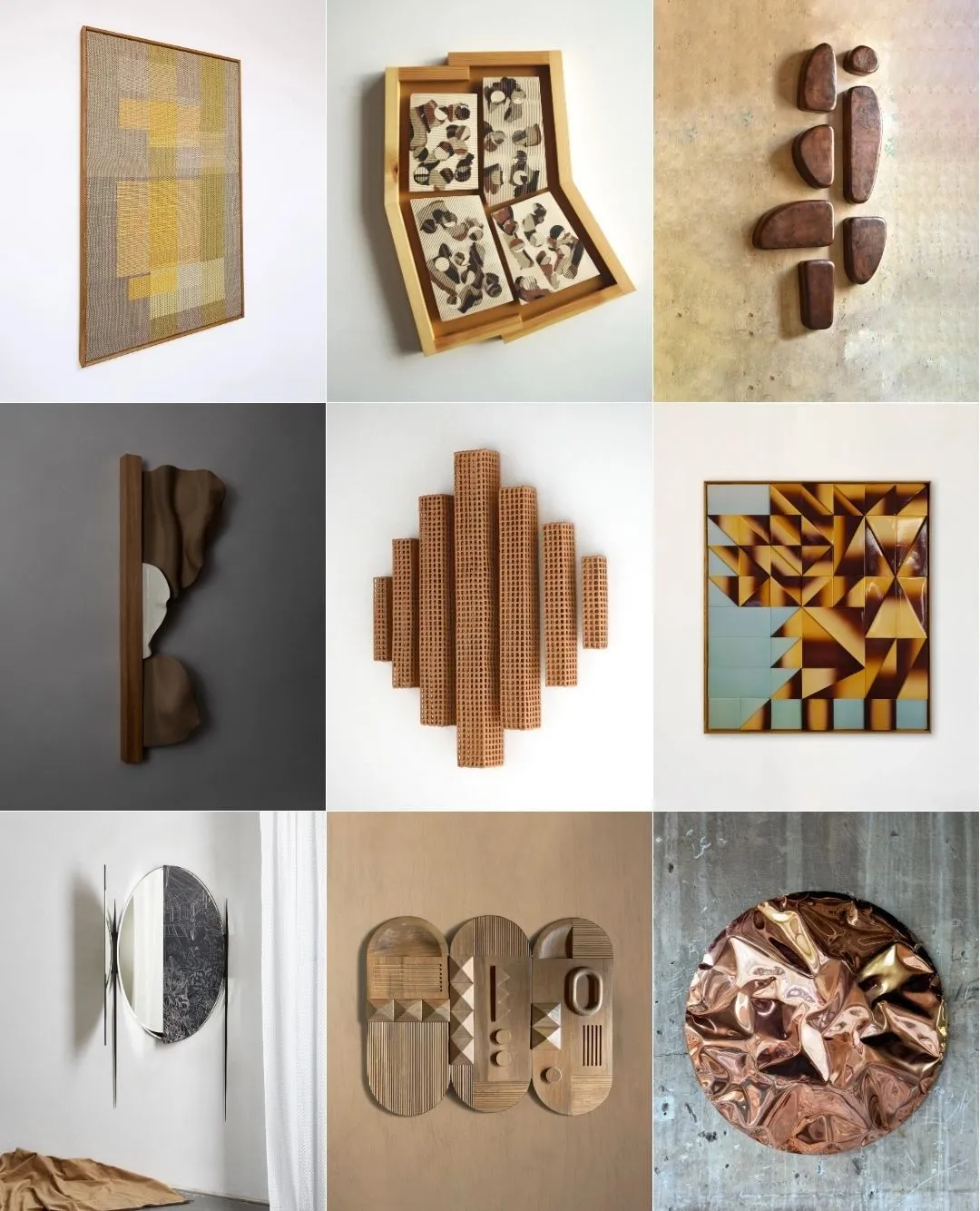
Designers are drawn to earthenware for the same reasons potters always were: it is easy to shape by hand, it takes texture and color well, and it feels warm rather than precious. Some, like Max Lamb, whose earthenware Crockery chairs Wallpaper* reviewed at Gallery Fumi, even build furniture from it. Others revive its oldest uses, such as the porous terracotta cooling pots shown at Design Doha 2026, which also appeared in Wallpaper*.
6 Earthenware and Terracotta Pieces for the Home
1.5l Jarra Clay Vessel by Twelve Degrees
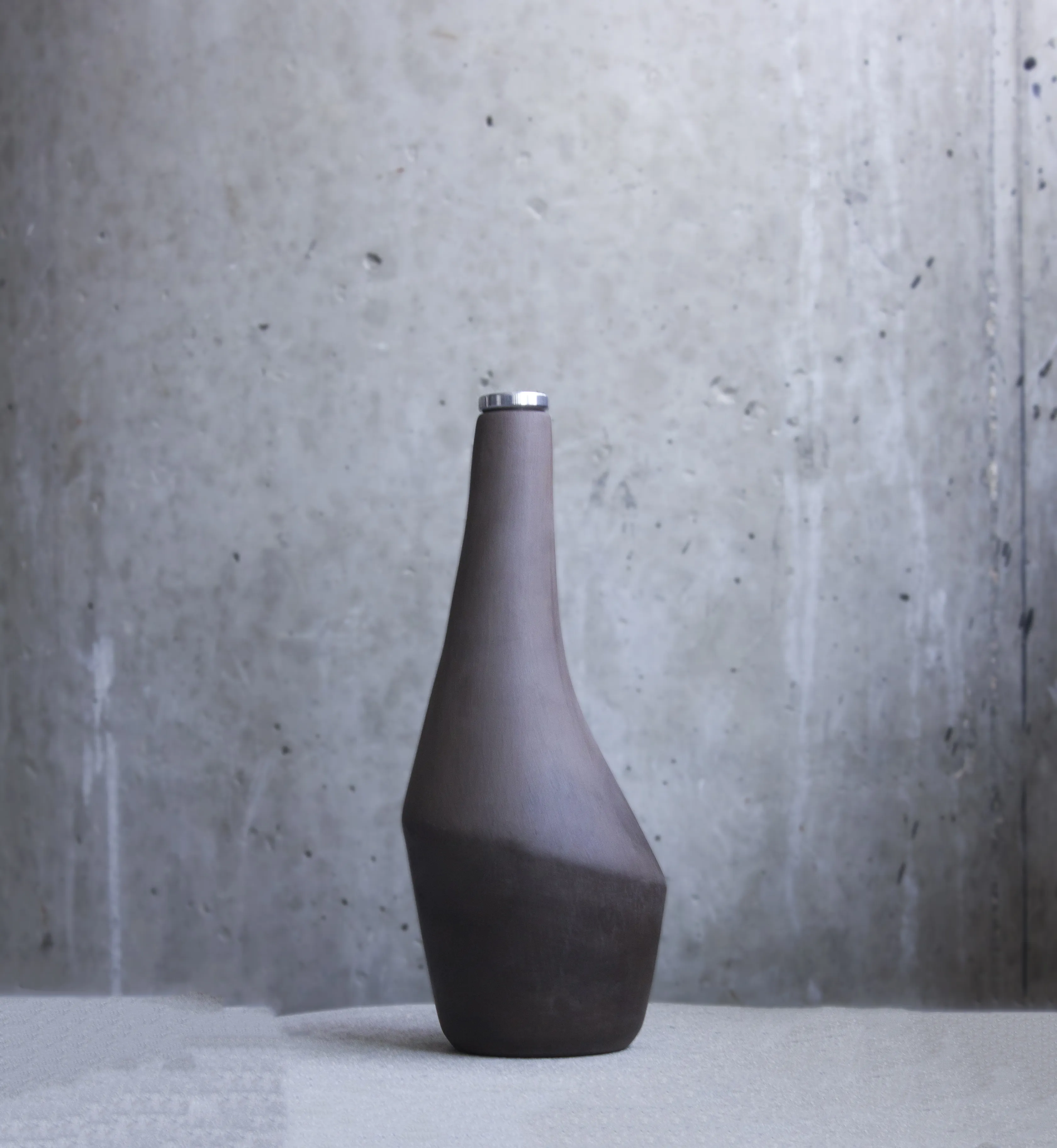
Before refrigerators, clay jarras kept water cool: it seeped through the porous walls and evaporated, chilling what was left inside. Amman studio Twelve Degrees revives the vessel with a special glazing technique that keeps it food-safe without losing that natural cooling. At 13 x 13 x 32 cm (5 x 5 x 13 in), it holds 1.5 liters (51 fl oz) on a kitchen counter or a dining table.
By Twelve Degrees
€190 incl. tax
Apapuchi Table Lamp In Earthenware And Cotton by Aileen De La Ree Valencia

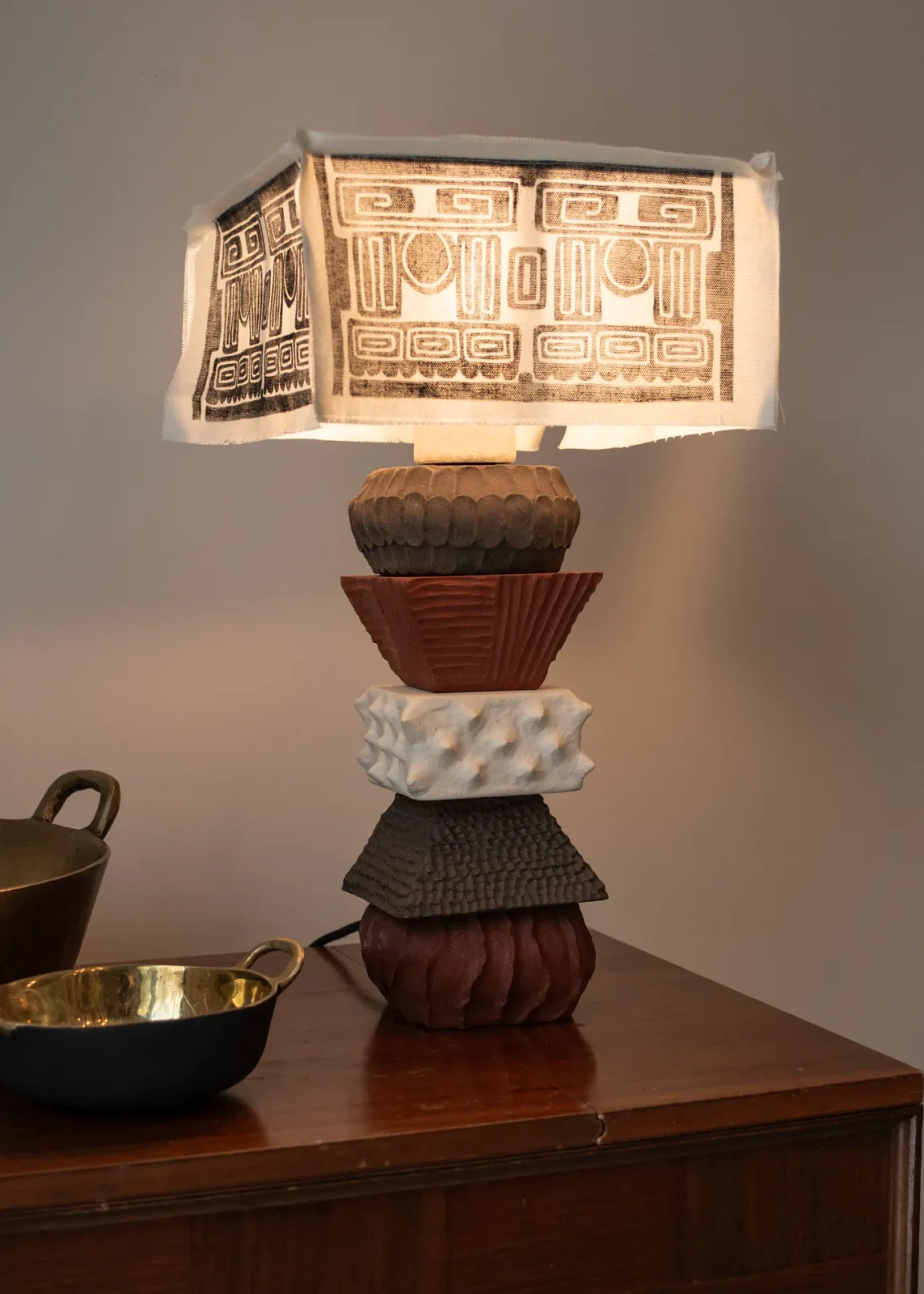
Apapuchi takes its name from Sonoran Spanish for carrying someone on your shoulders, and its stacked earthenware forms are hand-built and textured to recall Mexican landscapes and ceramic traditions. A block-printed cotton shade crowns the totem. At 23 x 23 x 45 cm (9 x 9 x 18 in), it brings warm light to a sideboard or a bedside table.
By Aileen De La Ree Valencia
€1,200 incl. tax
Thulani Floor Lamp in Terracotta and Rattan by UAU Studio

UAU Studio coil-builds Thulani from stacked terracotta cylinders and weaves rattan through them with the weaver Denise Berekmeri, leaving the clay uncoated so it ages naturally. Notably, it is one of three limited-edition totems in The Ancestors collection, each a quiet, goddess-like figure. At 50 x 50 x 210 cm (20 x 20 x 83 in), it holds a corner of a living room like a sculpture.
By UAU Studio
€3,400 incl. tax
Please Claim If Familiar No. 01 – Terracotta Sculpture by Not Yet Ceramics
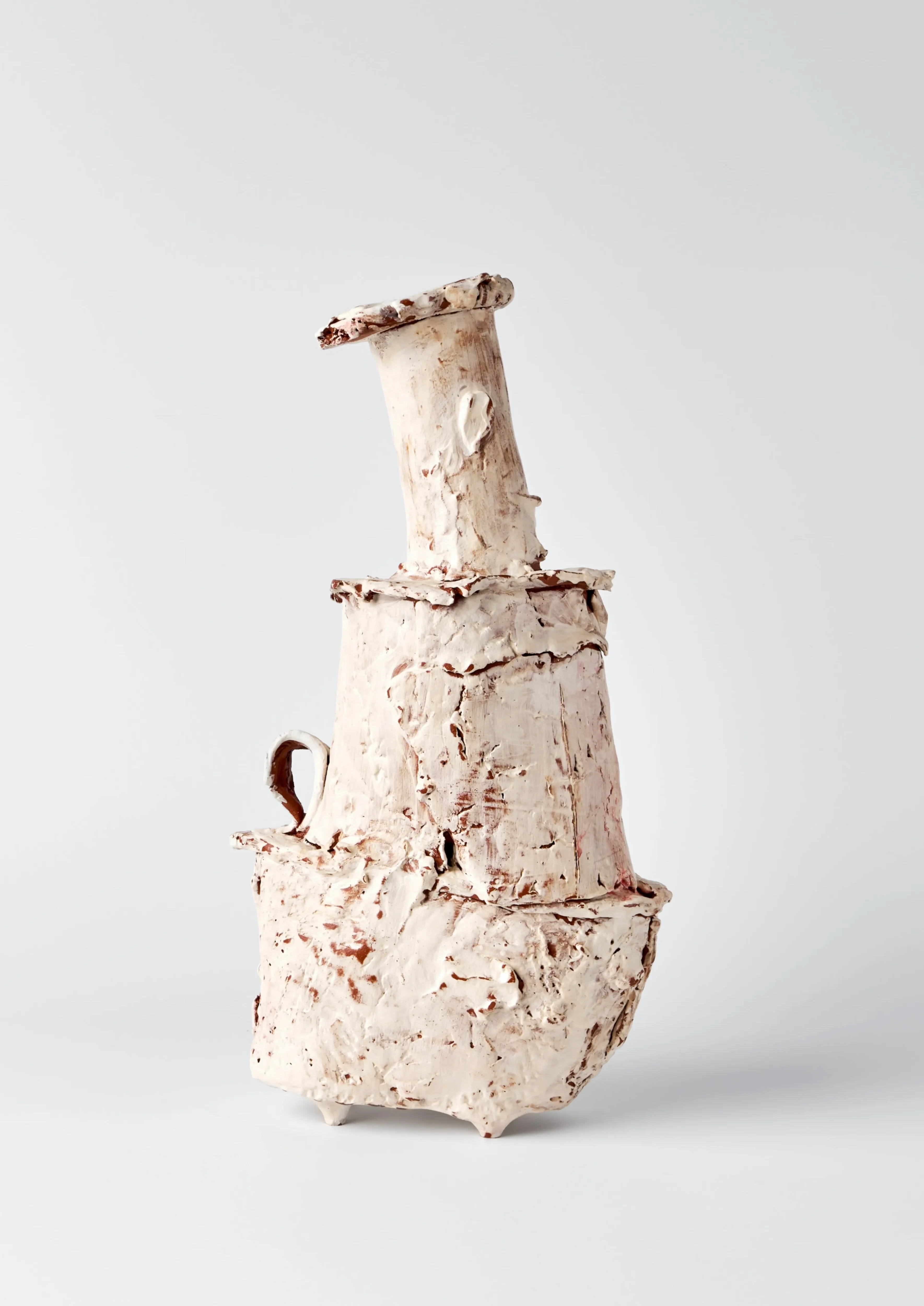
Lena Krivenkova of Not Yet Ceramics hand-builds this small terracotta figure, finished in white with flecks of color that let the clay show through. Moreover, its opening turns the sculpture into a vessel for dried flowers. At 24 x 10 x 44 cm (9 x 4 x 17 in), it brings a little humor to a shelf or a desk.
By Not Yet Ceramics
€560 incl. tax
Wrinkled Tile IV – Ceramic and Silicone Wall Sculpture by Daniel Elkayam

Daniel Elkayam frames a hand-sculpted, skin-like silicone surface in a smooth glazed ceramic tile, setting refinement against imperfection. Specifically, the series questions ideals of beauty by making wrinkles the ornament. At 15 x 2 x 60 cm (6 x 1 x 24 in), it hangs in a hallway or beside a mirror as a one-of-a-kind wall piece.
By Daniel Elkayam
€480 incl. tax
Garriga Chair by Lucas Cambier

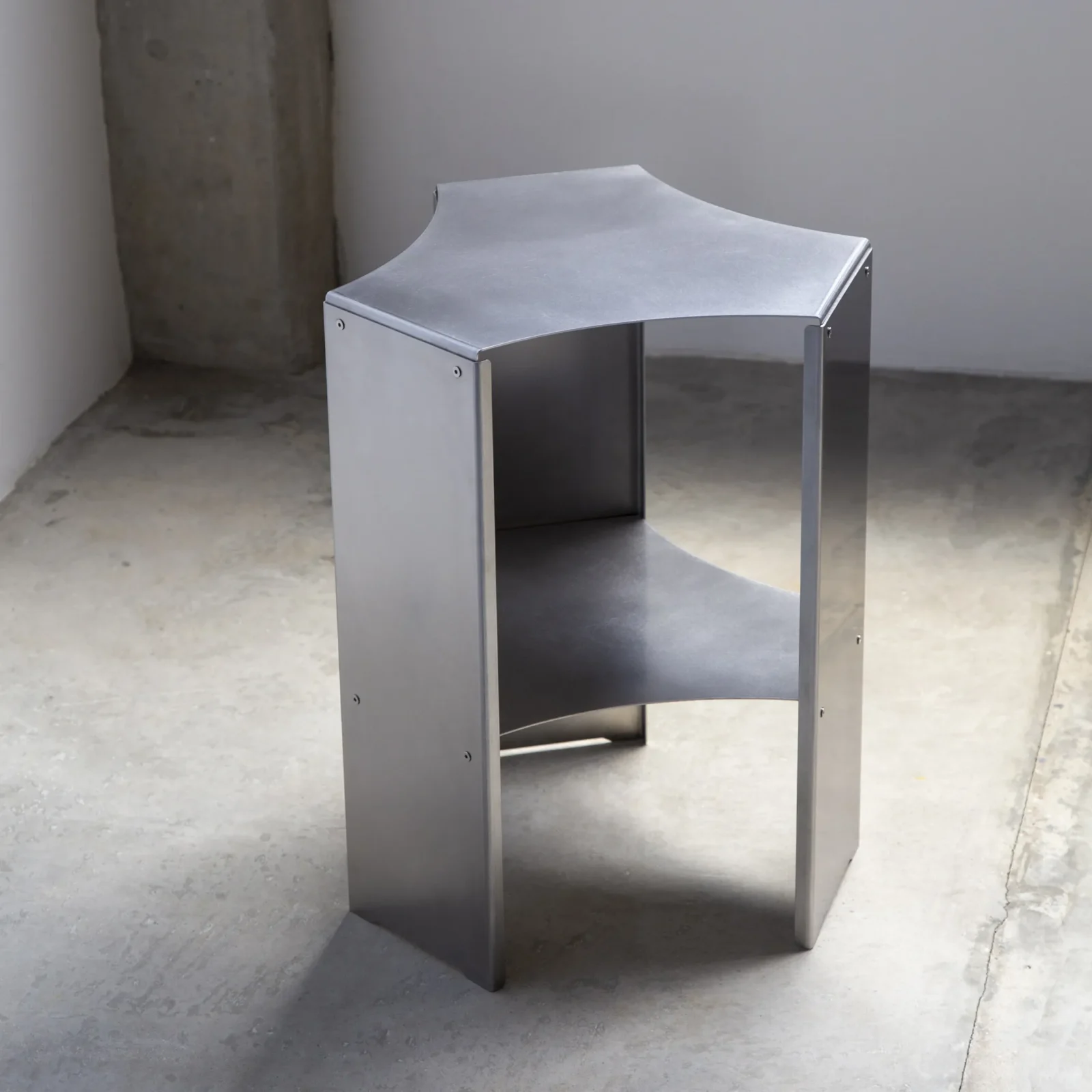
Lucas Cambier builds Garriga from a deliberately severe aluminum frame, then softens it with eight hand-made low-relief inserts in terracotta, left raw or glazed in a color of your choice. As a result, warm clay meets cold metal in one compact chair. At 40 x 35 x 90 cm (16 x 14 x 35 in), it is an accent chair for an entryway or a reading corner, made to order.
By Lucas Cambier
€3,500 incl. tax
Frequently Asked Questions
What is earthenware?
Pottery made from clay fired at relatively low temperatures, about 1,000 to 1,150°C (1,830 to 2,100°F). It stays slightly porous, so it is usually glazed if it needs to hold water. Terracotta is unglazed red earthenware.
What is the difference between earthenware and stoneware?
Firing temperature and density. Stoneware is fired hotter, about 1,200 to 1,300°C (2,190 to 2,370°F), so it becomes dense, strong and waterproof. Earthenware is lighter, more porous and more prone to chipping, but warmer in tone and easier to shape and decorate.
Is earthenware safe for food and drink?
Glazed earthenware made with food-safe glazes is safe for serving. Unglazed earthenware is porous and harder to clean, so it is better for dry use, plants or decoration, unless the maker states otherwise.
Is terracotta the same as earthenware?
Terracotta is a type of earthenware: an iron-rich red clay, usually left unglazed. All terracotta is earthenware, but not all earthenware is terracotta.
Can earthenware go outside?
Unglazed terracotta can sit outside in mild weather, but it absorbs water, which can freeze and crack it. Bring pots indoors before a frost, or choose frost-resistant stoneware for year-round outdoor use.
Browse all earthenware and terracotta pieces on ADORNO →