Updated on: September 24, 2026
A room can be furnished in a weekend. Soul takes longer.
Unique home decor is less about rarity than about intent. It is the vase that reads as sculpture, the mirror that questions what it reflects, the objet d’art that turns a shelf into a point of view. Indeed, the pieces that give a room character tend to carry a story in their material and their making, and they rarely come in sets.
This selection gathers twelve decorative objects from independent designers across Europe, the Americas and beyond: sculptural vases and vessels, decorative mirrors, and functional art that blurs the line between object and furniture. Meanwhile, the approach stays open. Some pieces lean eclectic, some maximalist, and some quietly restrained, but each one is made to be noticed rather than filled in around.
What makes home decor unique?
Three things usually separate unique home decor from the merely decorative: a clear hand behind the piece, a material with a story, and an idea that goes beyond function. A ceramic vase bound in rope, a mirror melted out of shape, a speaker cast in concrete — each carries a narrative you can read across the room. Consequently, one such object often does more for a space than a dozen accessories bought to match.
Unique does not mean loud, either. Maximalist decor celebrates abundance and color, while an eclectic room mixes periods and materials by instinct. Both depend on the same principle: every piece should be there because it earns its place.
How to choose unique home decor
Start with one anchor piece and build around it. A strong sculptural vase or decorative mirror sets the tone, and smaller objects can follow its palette or material. In other words, choose the conversation piece first and let the rest of the room answer it. Browsing by decor category or by designer helps narrow a search that could otherwise feel endless.
Next, look at material and making. Handmade home decor shows its process in small irregularities — a glaze that pools, a surface worked by hand — and that variation is what keeps a piece interesting over time. Finally, consider scale. On a coffee table or shelf, one larger object usually reads stronger than several small ones, while a group of three can work if the pieces share a thread of color or material.
Materials that give decor its soul
Ceramic and clay
Ceramics remain the most expressive decorative material, from hand-thrown vessels to unglazed live clay. Moreover, they record the maker’s touch directly, so no two pieces are quite the same. Note that many sculptural ceramics are not watertight and are meant for dried stems or display alone.
Glass, acrylic and mirror
Glass and acrylic bring light into the composition. Decorative mirrors extend this further, reflecting and distorting a room rather than simply doubling it. As a result, a sculptural mirror can change how a space feels without taking any floor area.
Metal and concrete
Polished steel, sand-cast aluminum and concrete add weight and contrast to softer materials. Specifically, their surfaces range from mirror-bright to raw and stony, which lets them anchor a shelf or a corner with real presence.
Wood and leather
Solid wood and vegetable-tanned leather age visibly, which is part of their appeal. Accordingly, they suit pieces meant to stay for decades, from table mirrors to functional sculpture.
Sculptural vases and vessels
A decorative vase is often the first unique object a room collects. These pieces work with or without flowers, and several are designed as sculpture first.
Bond Ceramic Vase by Huillet Lucas
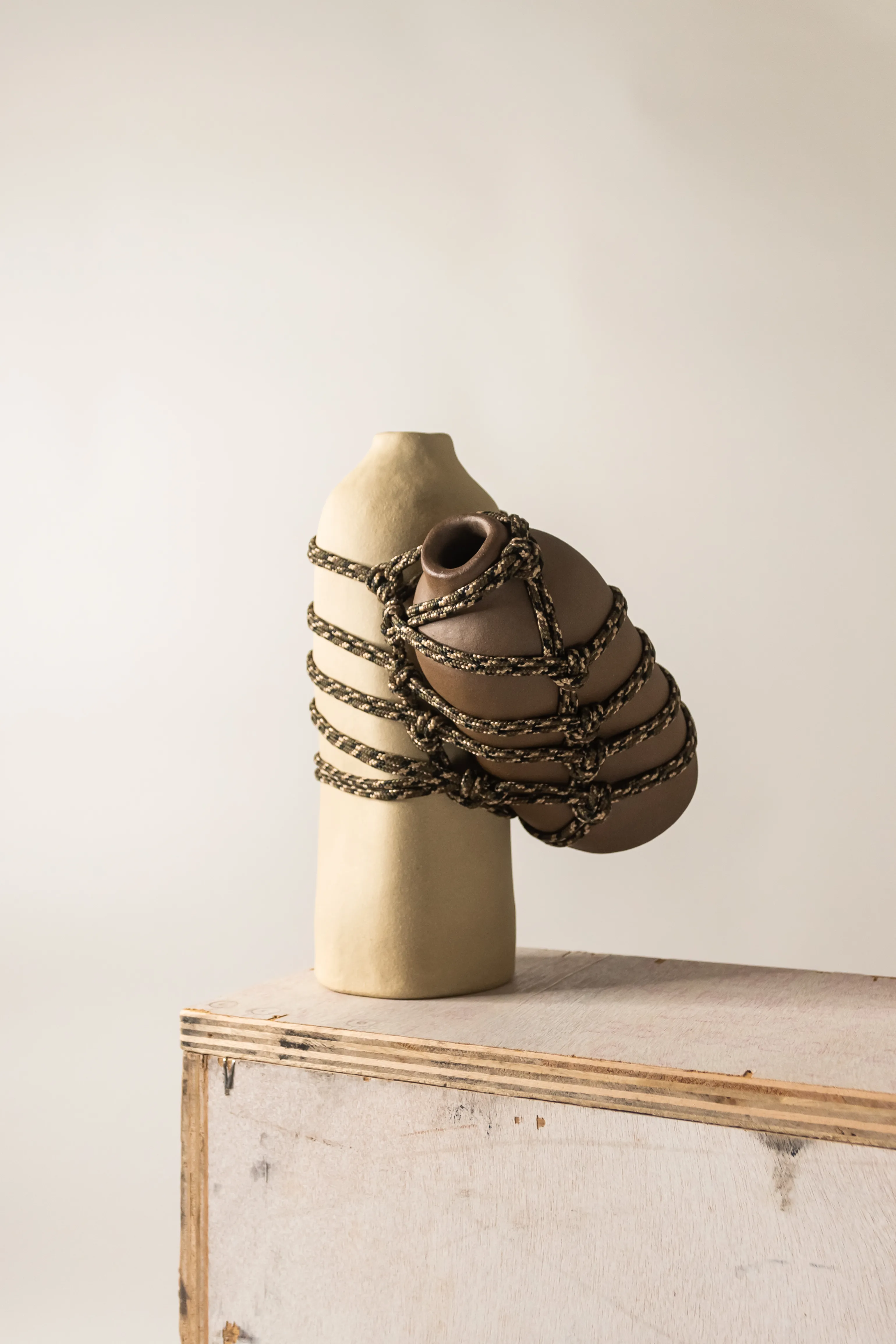
Hand-formed ceramic, bound in Shibari cord tied with measured tension. The clay’s anthropomorphic deformations press against the rope, so the vase reads as a study in restraint and release. Notably, each knot is placed to hold the form without harming it — balance, rather than force, is the subject.
€625 – €849 incl. tax
The Drago Bianco Italian Vase by COSEINCORSO
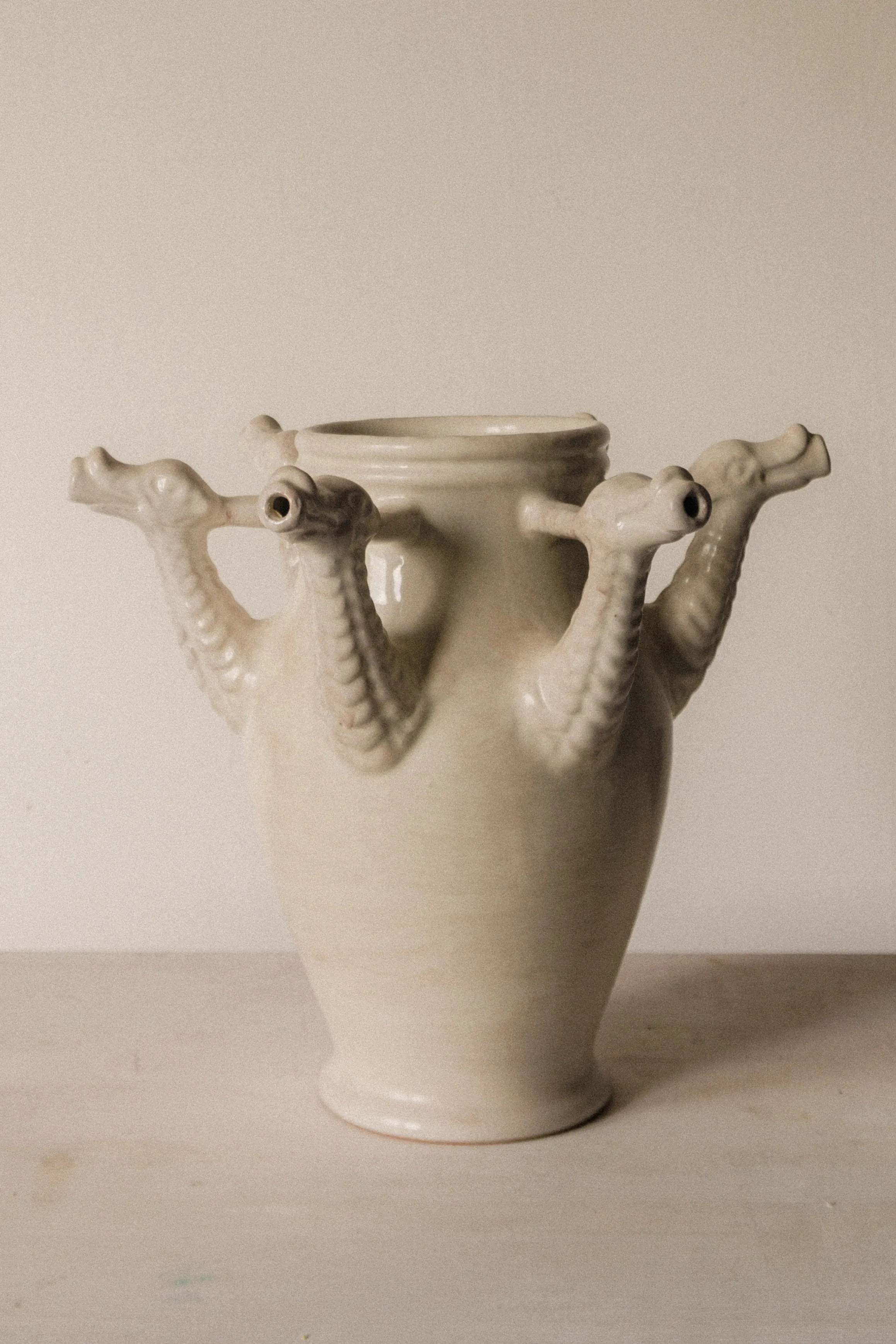
Hand-thrown ceramic with six dragon heads molded by hand, drawn from the apothecary pots of Castelli and the town’s maiolica tradition. The original was made for a wedding trousseau; here the painted decoration is whited out, leaving the form alone. As a result, a Renaissance reference reads fresh on a contemporary shelf.
By COSEINCORSO
€538 incl. tax
KUMANEC complete vase set by FAINA
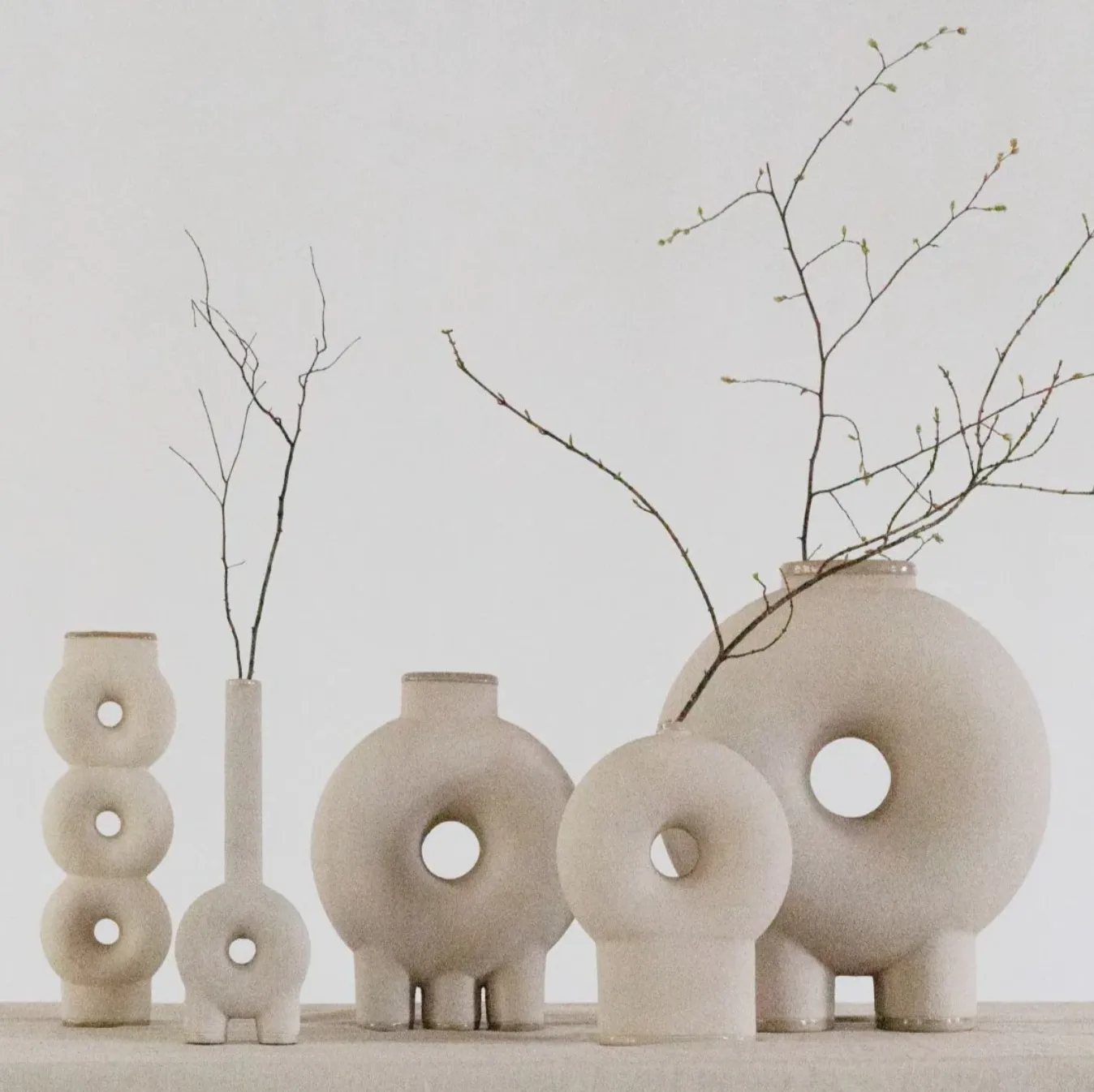
Unglazed clay in black and beige, shaped after the kumanec, a traditional Ukrainian festive vessel. The ancestral form carries a quiet, almost animistic presence. Accordingly, the set suits dried flowers only, since live ceramics do not hold water, and it reads strongest displayed as a group.
By FAINA
€4.240 incl. tax
My Free Entrance – Large Ceramic Vase by Federica Paglia
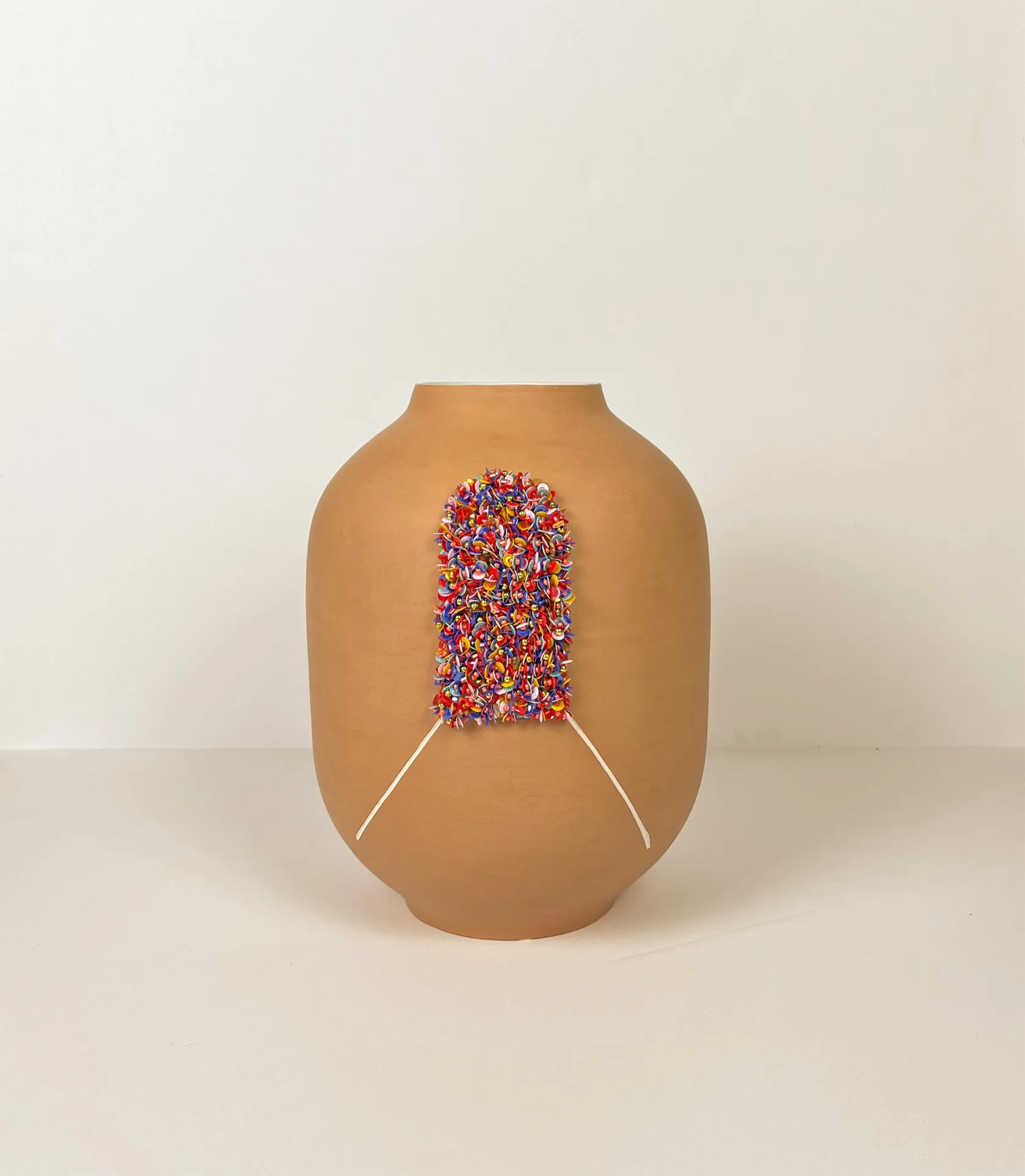
Embroidery on silk meets sewn-on ceramic in a sculptural vase inspired by the entrance of Villa Sciarra in Rome. Its surface shifts like the greenery glimpsed through the Gianicolo walls. Therefore, it is meant as sculpture rather than for water, a piece of woman-made design that holds its place empty.
€500 incl. tax
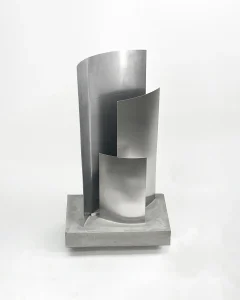
Pope Stainless Steel Vase by Akademie
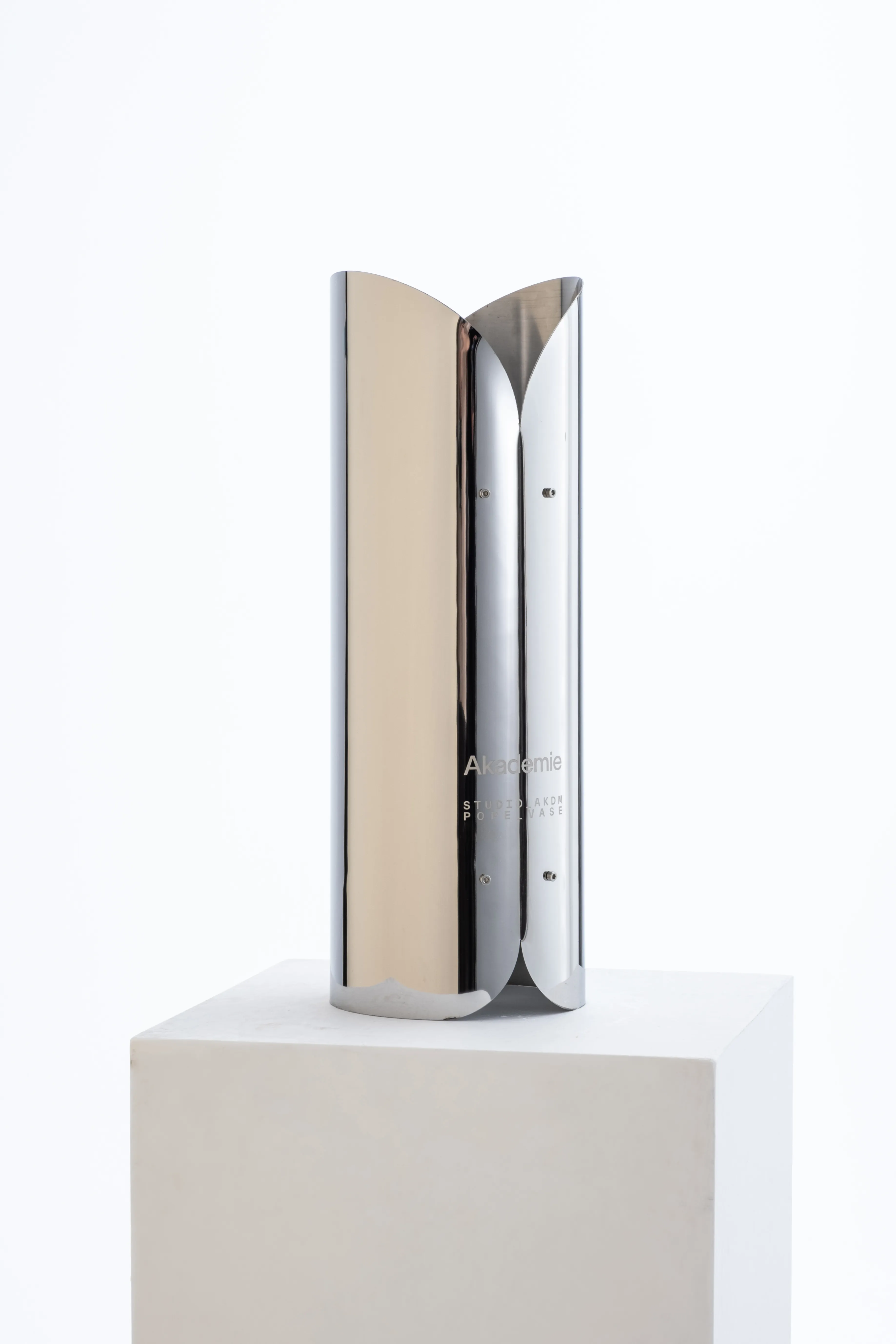
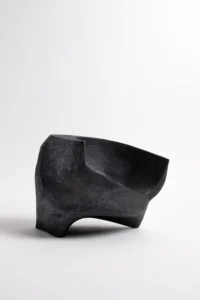
Eocene – Sand-cast Aluminum Vessel by Epoche Studio

Sand-cast aluminum with a raw, stone-like surface, embedding two authentic fish fossils from Wyoming’s Green River Formation. The opening recalls a flower pushing up through stone. In other words, fifty million years of history sit quietly on a side table.
€1.342 incl. tax
Decorative mirrors with character
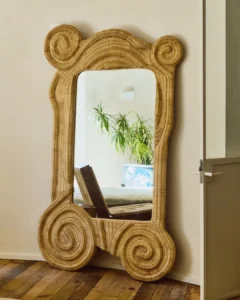
Decorative mirrors do double duty: they bring light into a room and act as wall art. The unique mirrors below question the form as much as they use it.
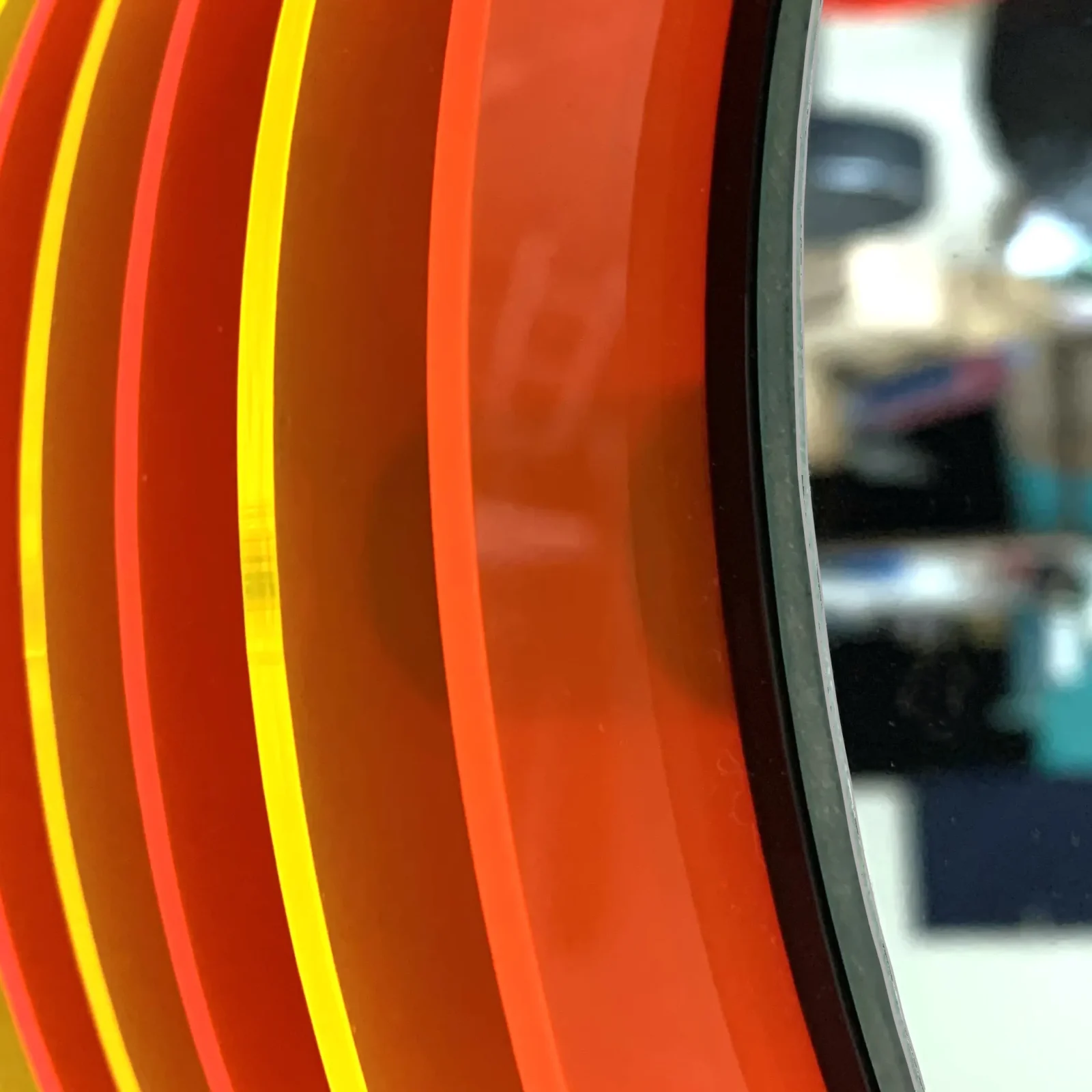
Angels, Sunset Wall Mirror by Andreas Berlin
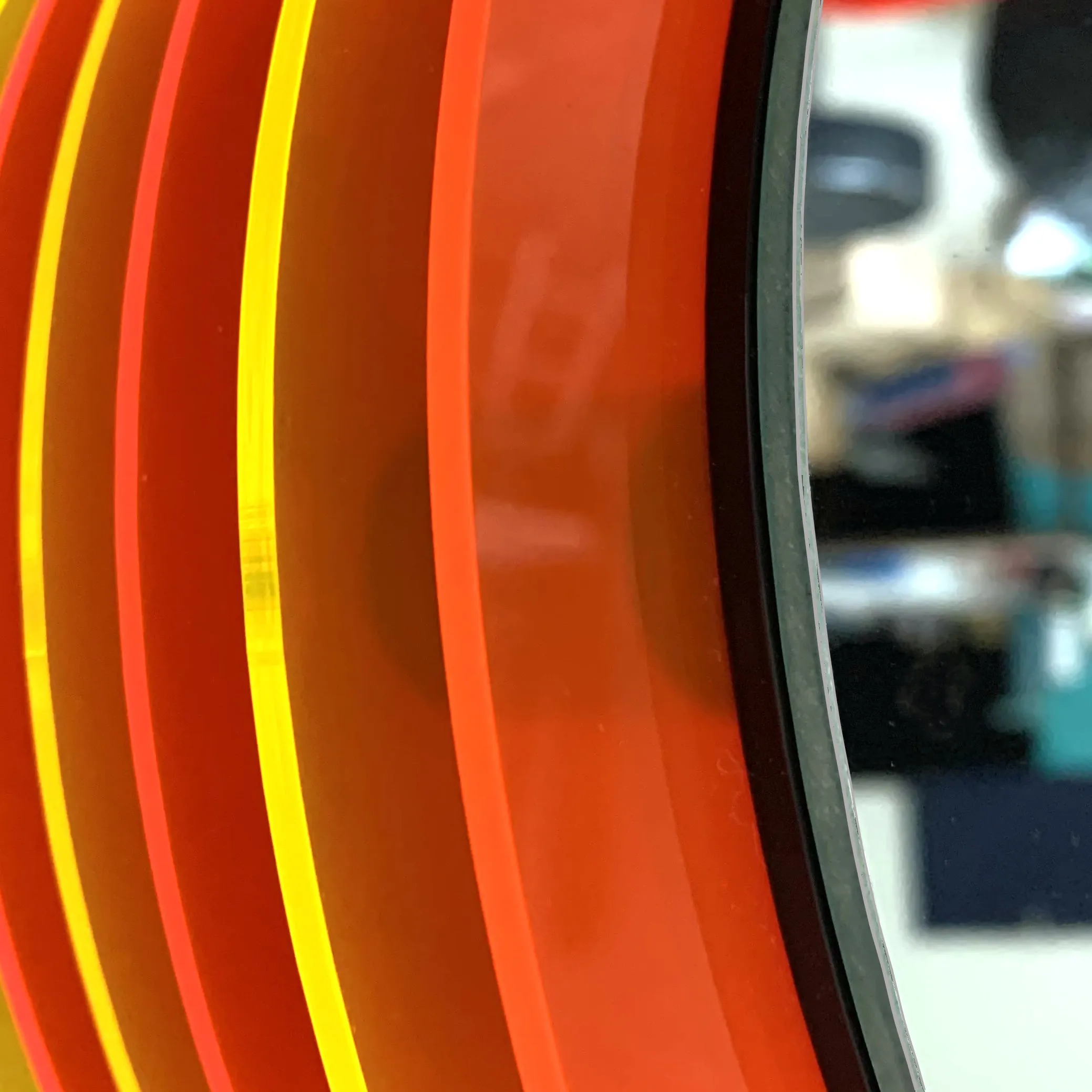
Translucent, light-conducting Plexiglas panes frame a round mirror, arranged with a nod to Art Deco and the 1970s. The panes catch ambient light, so the edges glow brighter or softer as the day moves. Consequently, this wall mirror works as much as a wall sculpture as a mirror.
€640 incl. tax
Wood & Wax Mirror by Studio Ebba Lindgren
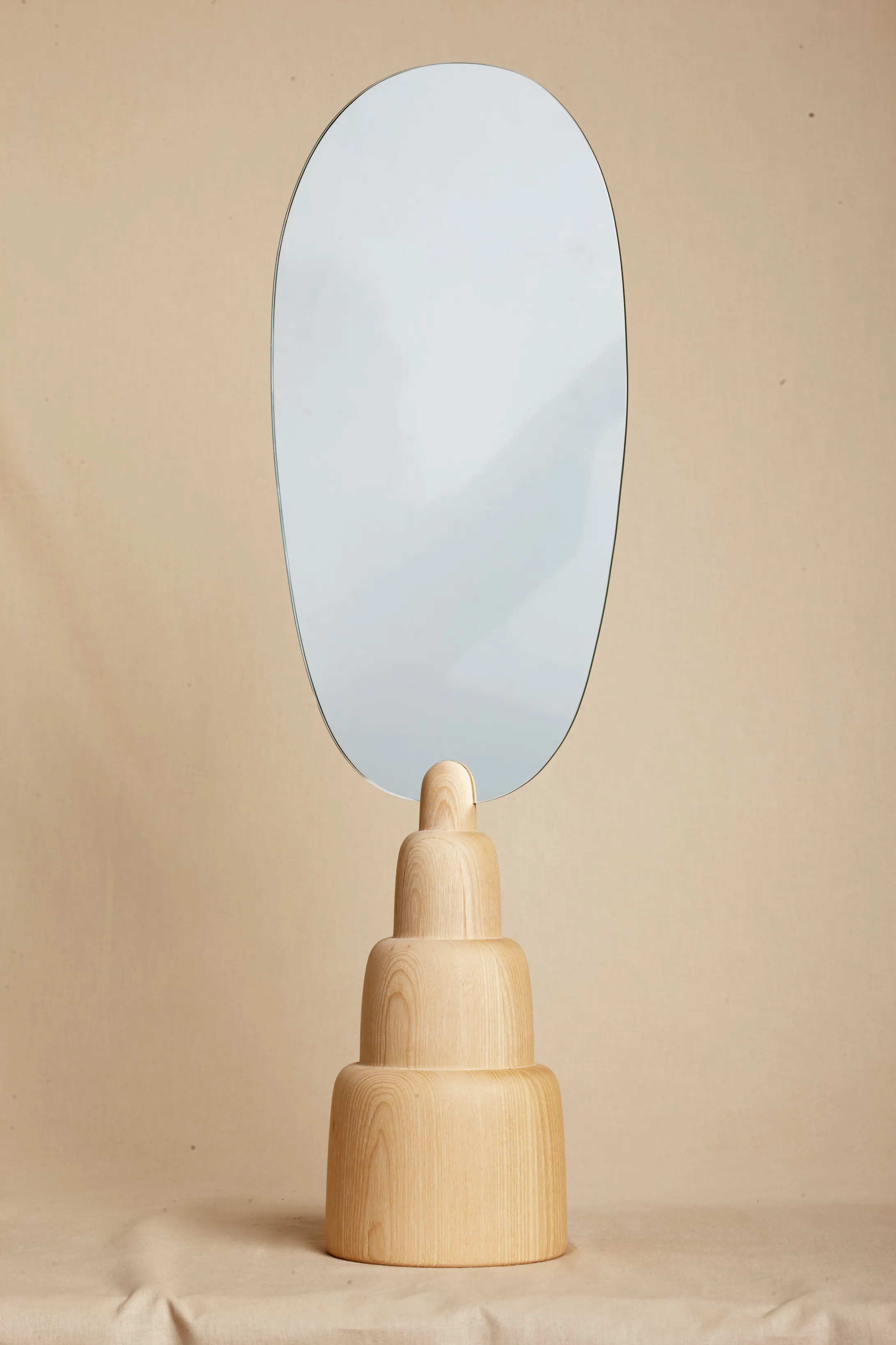
Solid ash wood, finished with hard wax oil, rises in tiers beneath a distinct oval mirror. Made in southern Sweden, this table mirror is all proportion and balance. Moreover, the solid wood can be sanded and re-oiled, so it ages well.
€600 incl. tax
“YOUR FACE” Mirror by Leo De Carlo
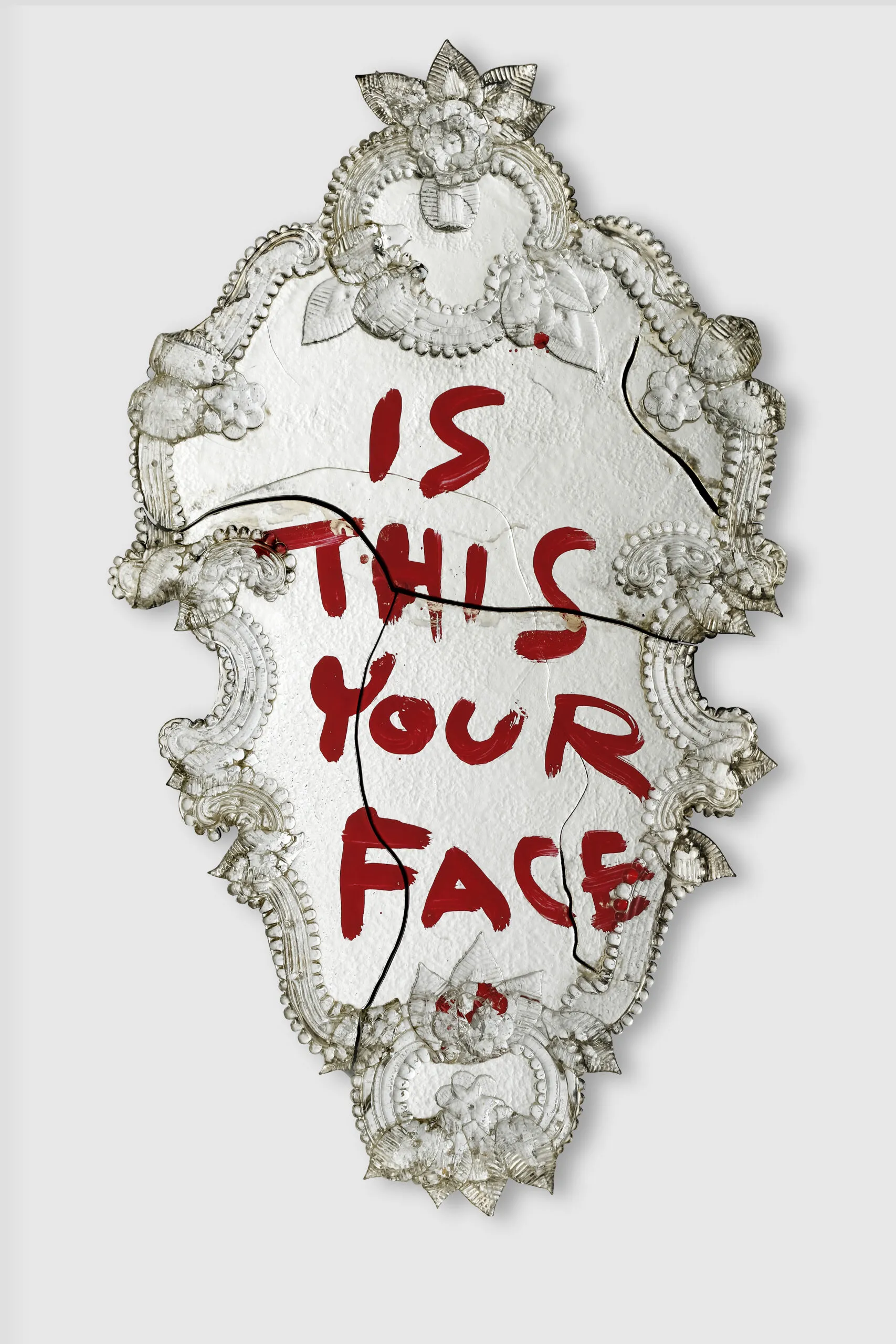
Made entirely of Murano glass, this Venetian mirror is melted, cracked and deformed on purpose. Part of the Melting Words collection, it comments on how mass tourism has worn down Venice. Therefore, it reflects the room and a question at the same time.
By Leo De Carlo
€5.000 incl. tax
Art objects and functional sculpture
The most memorable decor often does something else too. These pieces sit between sculpture and furniture, bringing humor, sound or movement into a room.
Blue Laugh by Yoomoota
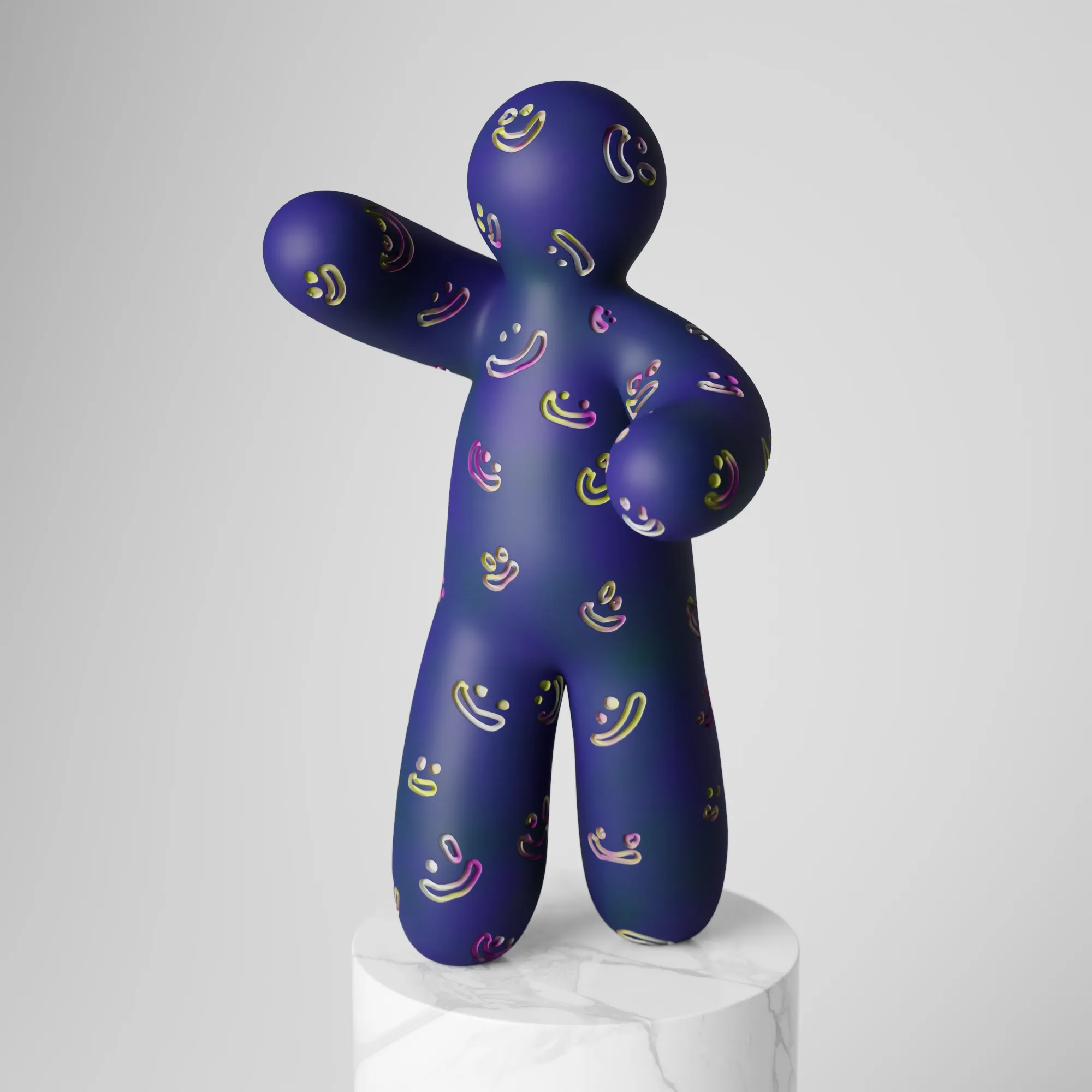
A blue sculptural character from the Emo Planet of the Yoomoota universe, with a smile running across its whole body. It is the personification of joy, made to be held. Indeed, it brings the kind of whimsical decor that serious rooms often lack.
By Yoomoota
€6.000 incl. tax
“Meteorite” soundsystem by Lucas Muñoz Muñoz

Craft-made concrete, shaped into a cave-like form that doubles as a 2,400W hi-fi sound system. Each piece is calibrated by a sound engineer to its own sculptural shape, and it was shown at Milan’s Salone with Plusdesign gallery. Altogether, it is functional sculpture at full volume.
€45.000 incl. tax
Jazz Fan by Szostak Atelier
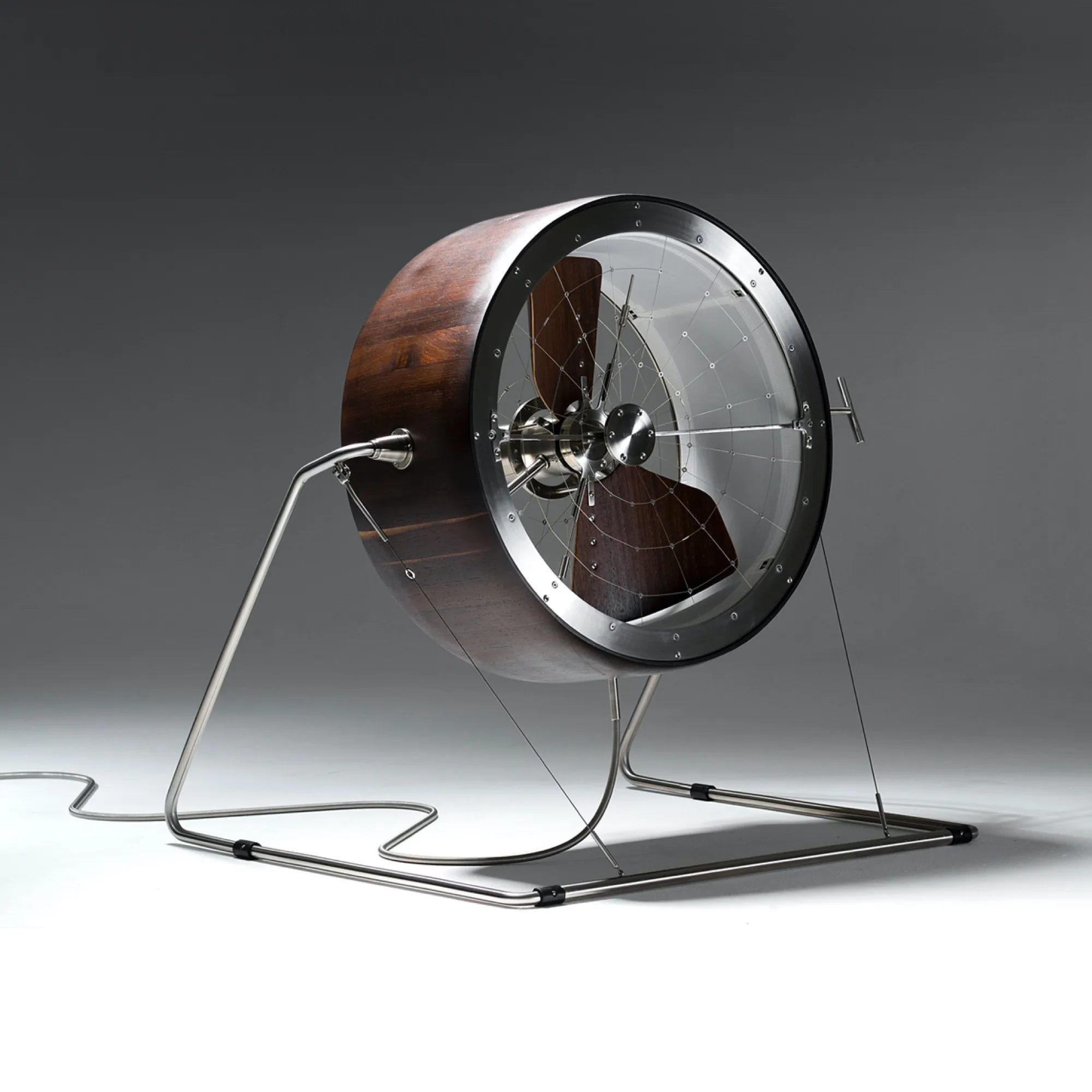
Wenge wood, stainless steel, vegetable-tanned leather and dacron, assembled by hand into a fan that looks both retro and futuristic. It belongs to the Finish Collection, made for the studio’s reopening in 2021, and sits naturally in a mid-century modern room. Notably, a 200W motor with smooth speed control means it earns its floor space.
€32.500 incl. tax
Styling unique decor room by room
Coffee table
Coffee table decor works best with one sculptural object, one low piece, and space around both. A vessel like Eocene or a steel vase gives height, while a book or tray keeps the composition grounded. See our coffee tables for pieces that can carry the weight.
Shelves and consoles
Shelf decor benefits from rhythm: vary heights, leave gaps, and repeat one material or color so the mix holds together. A group of three vases in different forms but a shared tone is an easy starting point.
Entryway
A decorative mirror above a console is the classic entryway move, and a sculptural one makes the first impression memorable. Add a single vase and resist filling the rest.
Living room and bedroom
In the living room, functional sculpture — a speaker, a fan, a lamp — adds personality without extra clutter. In the bedroom, a table mirror or small ceramic keeps the mood personal and calm.
Caring for sculptural decor
Ceramic vases
Dust with a soft, dry brush or cloth. Many sculptural ceramics are not watertight, so check before adding water, and use dried flowers or a glass insert instead.
Mirrors, glass and acrylic
Clean with a soft microfiber cloth and a mild, ammonia-free cleaner. Avoid abrasive products on acrylic, which scratches more easily than glass.
Metal, wood and concrete
Wipe polished steel with a dry cloth to avoid water marks. Re-oil solid wood occasionally, and keep concrete dry and dusted to preserve its surface.
Frequently asked questions
What is unique home decor?
Decor chosen for its design, material and story rather than to fill space: handmade vases, sculptural mirrors, art objects and functional sculpture, usually made by independent designers in small editions.
How do I make my home decor feel unique?
Start with one strong anchor piece and build around it. Mix old and new, handmade and industrial, and repeat one material or color so the variety holds together. Fewer, better objects feel more personal than many small ones.
What is the difference between eclectic and maximalist decor?
Eclectic decor mixes styles, periods and materials by instinct, often with restraint. Maximalist decor leans into abundance — bold color, pattern and layering. A room can be eclectic without being maximalist.
Can decorative vases be used without flowers?
Yes. Many sculptural vases are designed to stand alone, and some ceramic pieces are not watertight at all. Displayed empty, they read as small sculptures.
How do I style decorative objects on a coffee table?
Combine one tall piece, one low piece and something flat like a book or tray. Leave empty space around them and keep the palette consistent so the table feels composed rather than crowded.
Where should a decorative mirror go?
Above a console in an entryway, opposite a window to bounce light, or as a focal point on an otherwise bare wall. Sculptural mirrors can be treated as wall art and hung at eye level.
Why decor with soul lasts
Trends change quickly; objects with a clear idea behind them tend not to. A vase bound in rope, a mirror that comments on a city, a vessel holding fossils — each one keeps telling its story long after the room around it has changed. As a result, unique home decor is less a finishing touch than a long-term collection.
For more in the same spirit, read our guide to eclectic interior design or browse decorative objects by independent designers.